Edi Durjana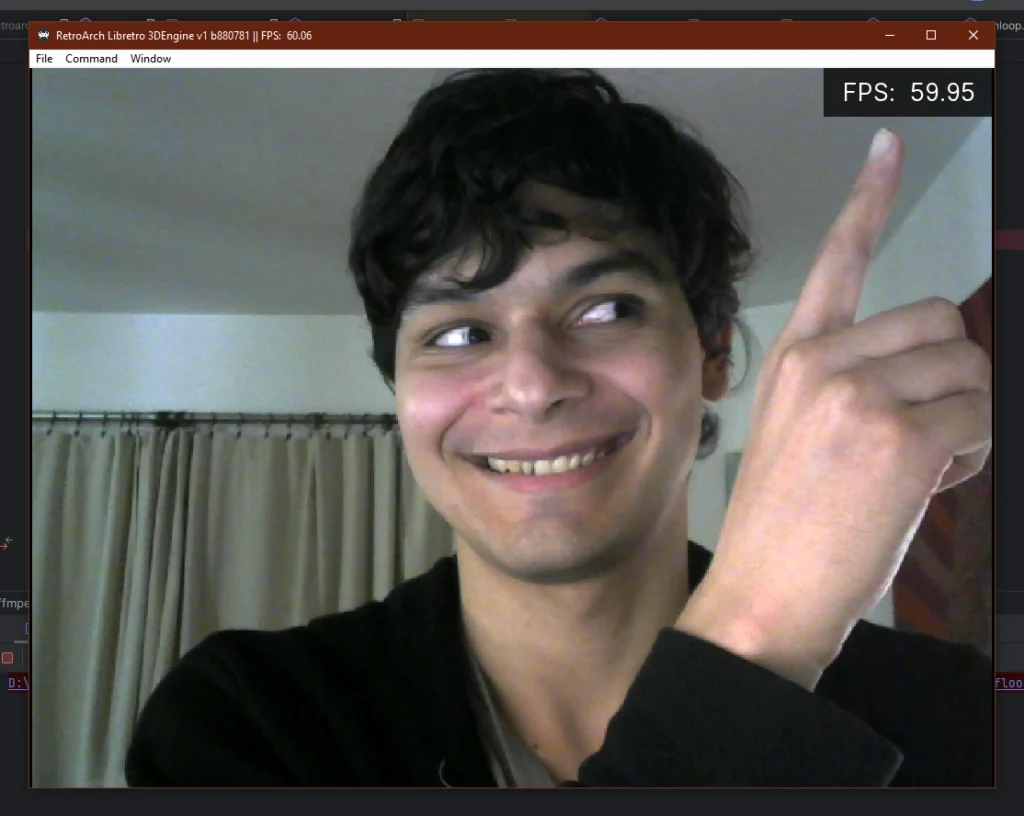
The highly anticipated release of RetroArch 1.20.0 has officially arrived, bringing with it a suite of innovative features poised to significantly enhance the retro gaming emulation experience. Available for immediate download, this latest iteration underscores RetroArch’s steadfast commitment to delivering cutting-edge, user-centric functionality without compromising its core principles of accessibility and open-source integrity. This update notably introduces a sophisticated CRT beam simulation shader developed in collaboration with industry luminaries and groundbreaking illuminance sensor support for Linux, offering unprecedented levels of immersion and authenticity for enthusiasts worldwide.
RetroArch, a powerful, cross-platform frontend for the Libretro API, has long stood as a cornerstone of the video game emulation community. Its architecture allows users to run a vast array of classic games and consoles through a unified interface, leveraging a diverse ecosystem of "cores"—essentially standalone emulators—that adhere to the Libretro standard. Since its inception, the project has championed a philosophy centered on the end-user, famously eschewing commercial monetization strategies such as in-app advertisements, intrusive monetization SDKs, or paywalled features. This commitment is explicitly reaffirmed with the 1.20.0 release, with the developers reminding their global user base that the project’s continued existence and advancement are predicated solely on community support, primarily through voluntary donations via platforms like Patreon and GitHub Sponsors, as well as merchandise sales from their Teespring store. This funding model allows the project to maintain its independence and focus entirely on technical innovation and user experience, a rarity in an increasingly commercialized digital landscape.
Revolutionary CRT Beam Simulation with Subframe Shaders
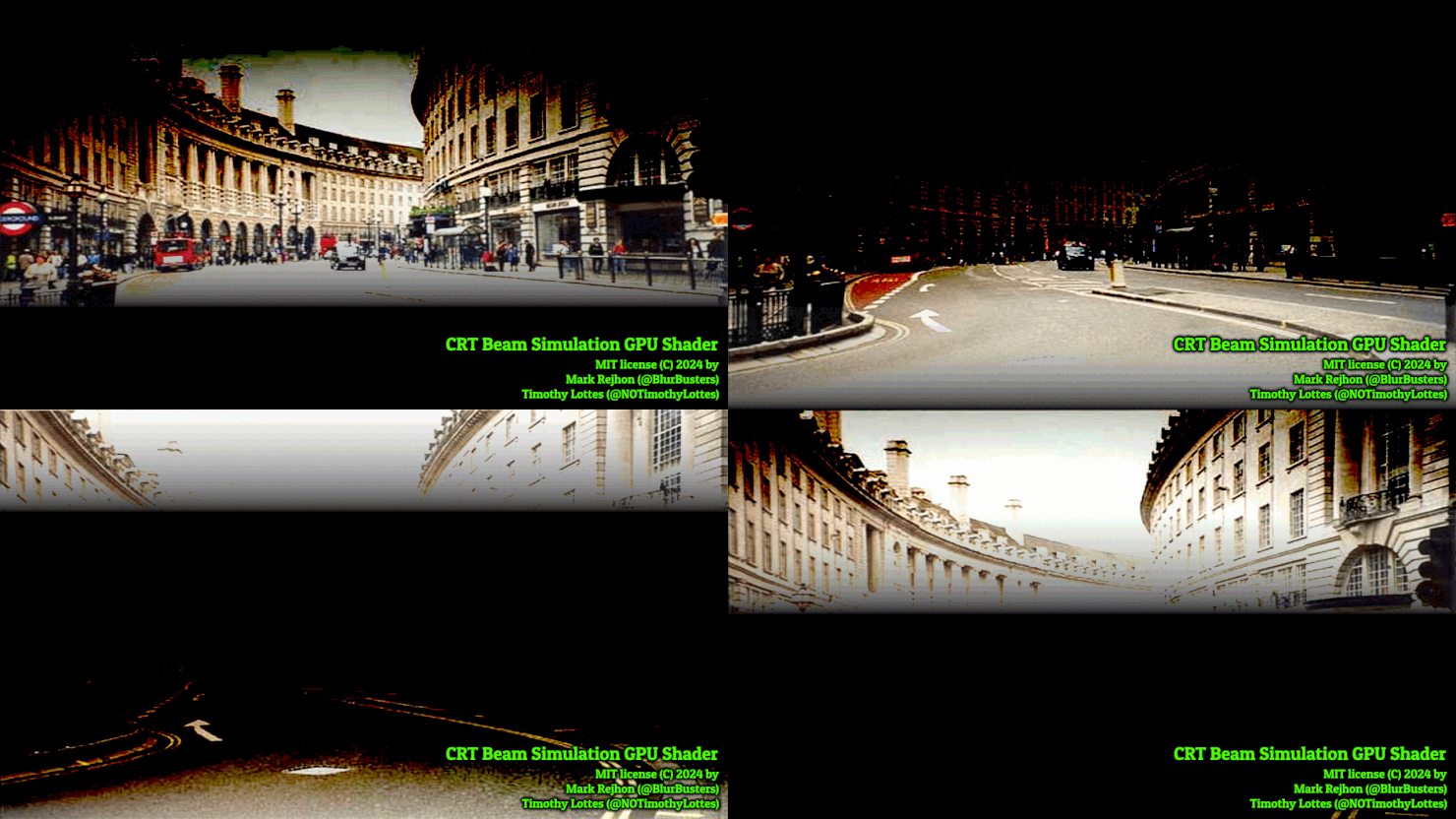
One of the most significant advancements in RetroArch 1.20.0 is the introduction of a new CRT beam simulation shader, a collaborative effort between Mark Rejhon of BlurBusters fame and Timothy Lottes, renowned for his original FXAA shader and the highly regarded crt-lottes shaders. This development represents a pivotal moment in the quest for authentic retro visual fidelity, leveraging RetroArch’s recently implemented "subframe" shader capabilities to deliver an unparalleled level of motion clarity on modern display technologies.
For decades, the cathode ray tube (CRT) television was the ubiquitous display technology for video games. CRTs possessed inherent characteristics that profoundly influenced game design and player perception, most notably their instantaneous pixel response times and the way they rendered motion. Unlike modern liquid crystal displays (LCDs) or organic light-emitting diode (OLED) screens, which typically refresh the entire image at once, CRTs scanned an electron beam across the screen, illuminating pixels sequentially. This "sample-and-hold" nature of modern displays, where a pixel remains lit until the next frame, often leads to motion blur and a loss of clarity, particularly during fast-paced action. Retro gaming enthusiasts have long lamented this discrepancy, as the original artistic intent and visual nuances of classic titles can be diminished when played on contemporary screens.
Previous attempts to mitigate motion blur on modern displays often involved techniques like Black Frame Insertion (BFI). BFI works by inserting a black frame between each game frame, effectively reducing the "sample-and-hold" effect by momentarily turning off the backlight or pixels. While BFI can improve motion clarity, it comes with several significant drawbacks: a noticeable reduction in overall screen brightness, dulled colors, and a heightened risk of image persistence, often mistakenly referred to as "burn-in," on certain LCD and OLED panel types. These compromises have made BFI a less-than-ideal solution for many players seeking an authentic experience.
The innovation in RetroArch 1.20.0 bypasses these limitations by harnessing the power of "subframe" shader capabilities. This advanced rendering technique allows shaders to operate at a granularity finer than a single display frame, enabling more complex and realistic visual effects that more closely mimic the rapid scanning behavior of a CRT. Mark Rejhon, a leading authority on display technology and motion clarity through his work at BlurBusters.com, brings his deep understanding of display physics to this shader. BlurBusters is globally recognized for its rigorous testing and advocacy for high refresh rate, low motion blur displays, making Rejhon’s involvement particularly impactful. Timothy Lottes, whose contributions to real-time graphics have shaped modern rendering techniques, further refines the visual output, ensuring both technical accuracy and aesthetic appeal.
The new CRT beam simulation shader precisely replicates the distinctive visual characteristics of a CRT, including scanlines, phosphor glow, and the subtle "beam racing" effect that contributes to the unique motion clarity of older displays. By leveraging subframe rendering, the shader can dynamically adjust pixel luminosity and persistence across sub-frame intervals, creating the illusion of a scanning beam without the need for traditional BFI. The result is a dramatic improvement in perceived motion clarity, vibrant colors, and uncompromised brightness, effectively eliminating the common pitfalls associated with other motion compensation techniques. This marks a significant leap forward in visual emulation, allowing players to experience their favorite retro titles with a level of visual authenticity previously unattainable on modern hardware, truly preserving the original artistic and technical vision of game developers from bygone eras. Further technical details and demonstrations of this groundbreaking feature are available in a dedicated article on the Libretro website, providing deeper insight into its implementation and impact.
Real-World Immersion: Illuminance Sensor Support for Linux
Beyond visual enhancements, RetroArch 1.20.0 also introduces a highly anticipated and unique feature: illuminance sensor support for Linux. Spearheaded by developer Jesse Talavera, this innovation bridges a long-standing gap in emulation, allowing players to interact with classic games in ways previously only possible with their original hardware. The most prominent beneficiary of this feature is the cult classic Nintendo DS game, Boktai: The Sun is in Your Hand, and its sequels. These games famously incorporated a solar sensor directly into the Game Boy Advance cartridges (and later, the DS cartridge for Lunar Knights), requiring players to expose their handheld console to real sunlight to charge protagonist Django’s "Gun Del Sol" or solve environmental puzzles.
For years, emulating Boktai meant either bypassing these core mechanics through cheats or relying on cumbersome manual adjustments within the emulator, fundamentally altering the intended gameplay experience. With RetroArch 1.20.0, Linux users equipped with compatible illuminance sensors—commonly found in modern laptops, tablets, and handheld gaming devices like the Steam Deck—can now seamlessly integrate real-world light conditions into their gameplay. Jesse Talavera demonstrated this capability with a compelling video showcasing Lunar Knights running on a Steam Deck, where adjusting ambient light levels directly influenced the game’s mechanics, mirroring the original hardware’s functionality. This level of hardware-software integration is a testament to the meticulous dedication of the RetroArch development team to preserve and recreate authentic gameplay experiences.
The implications of this feature extend beyond Boktai. While the immediate focus is on games that utilized solar sensors, the underlying framework for sensor integration opens doors for future developments. The announcement hints at forthcoming updates, including solar sensor support for the melonDS DS core—one of the most popular Nintendo DS emulators integrated into RetroArch—and broader camera support for more platforms. This could potentially revive other niche peripheral-dependent games, such as those that utilized the Game Boy Camera, or even explore novel ways to interact with games based on other environmental sensors. The ability to integrate external hardware data directly into the emulation environment significantly enhances immersion, making the distinction between original hardware and software emulation increasingly blurred. It also serves as a crucial step in game preservation, ensuring that unique gameplay mechanics tied to specific physical peripherals remain accessible and playable for future generations, preventing them from being lost to time and obsolete technology. This innovative approach ensures that the original interactive intent of game designers, no matter how unconventional, can be fully experienced in a modern context.
The RetroArch Development Philosophy and Community Ecosystem
The release of RetroArch 1.20.0 is not merely a collection of new features; it is a reaffirmation of the project’s enduring philosophy and the strength of its community-driven development model. The Libretro team consistently emphasizes that RetroArch "exists for the benefit of our users" and thrives on the "support and belief in us to keep going doing great things." This ethos is reflected in their unwavering commitment to a free, open-source platform, devoid of the commercial pressures that often dictate feature sets and user experience in other software.
In an era where many software developers, even those creating niche tools, increasingly resort to subscription models, in-app purchases, or data-harvesting monetization SDKs, RetroArch stands as a notable exception. Their explicit rejection of these common practices underscores a dedication to maintaining a pure, unadulterated user experience. This principled stance has fostered a deeply loyal and engaged community, which in turn fuels the project through various support channels. Donations through Patreon, a platform for creators to receive recurring funding from their patrons, and GitHub Sponsors, which allows individuals and companies to sponsor open-source developers, are critical lifelines. These direct contributions empower the developers to dedicate time and resources to complex engineering challenges, such as the subframe shader architecture or intricate Linux sensor integrations, without needing to compromise their vision for commercial viability. Furthermore, the availability of official merchandise through their Teespring store provides another avenue for supporters to contribute while also proudly displaying their affiliation with the RetroArch community. This multi-faceted approach to community funding demonstrates a sustainable model for large-scale open-source projects that prioritize user benefit over profit margins.
The collaborative nature of RetroArch’s development, exemplified by contributions from experts like Mark Rejhon, Timothy Lottes, and Jesse Talavera, is a hallmark of successful open-source initiatives. It allows the project to attract and integrate specialized knowledge from across the globe, leading to innovations that might be difficult to achieve within a closed, proprietary development environment. This collaborative spirit not only enriches the software but also fosters a vibrant ecosystem of developers and enthusiasts who actively contribute to its improvement and expansion.
Broader Implications for Gaming Preservation and Accessibility
The advancements in RetroArch 1.20.0 carry significant implications for the broader landscape of video game preservation and accessibility. By meticulously recreating the visual and interactive nuances of classic hardware, RetroArch plays a crucial role in safeguarding gaming history. The CRT beam simulation shader ensures that the aesthetic intent of developers from the 8-bit, 16-bit, and even early 3D eras is preserved, allowing new generations to experience these games as they were originally designed to be seen. This goes beyond mere graphical fidelity; it impacts how players perceive motion, interact with pixel art, and appreciate the unique visual language of retro titles.
Similarly, the illuminance sensor support for Linux is a monumental step in making historically challenging games fully playable. Games like Boktai, which relied on unique, often proprietary, peripheral hardware, represented a significant hurdle for emulation. By integrating modern system sensors, RetroArch ensures that these titles are not relegated to the status of "unplayable without original hardware," thereby preventing unique gameplay mechanics from fading into obscurity. This not only benefits preservationists but also expands the accessibility of these unique gaming experiences to a wider audience, including those who may not have access to original consoles and cartridges, or for whom the original hardware is no longer functional. The promise of further sensor and camera support suggests a future where RetroArch can emulate an even broader range of esoteric peripherals, further cementing its role as a comprehensive digital museum for interactive entertainment.
The consistent evolution of RetroArch also reflects the dynamic nature of the emulation scene itself. As new hardware emerges, such as handheld PCs like the Steam Deck, RetroArch adapts, optimizing its performance and integrating new system capabilities. This adaptability ensures that retro gaming remains relevant and enjoyable on the latest platforms, attracting new enthusiasts while continuing to serve its veteran community.
Conclusion and Future Outlook
RetroArch 1.20.0 stands as a landmark release, showcasing the ongoing innovation and unwavering dedication of the Libretro development team and its global community. The introduction of the advanced CRT beam simulation shader sets a new standard for visual authenticity in retro emulation, offering a solution that overcomes the limitations of previous methods to deliver pristine motion clarity and vibrant visuals. Concurrently, the pioneering illuminance sensor support for Linux opens up new avenues for immersive gameplay, breathing new life into titles that relied on unique physical peripherals and ensuring their complete playability for generations to come.
While the provided changelog for 1.20.0 was not exhaustive in the initial announcement, users can anticipate a comprehensive list of additional improvements, bug fixes, performance optimizations, and core updates that are standard with such a significant release. These typically include enhancements to user interface elements, backend stability improvements, and updates to various core emulators to ensure broader game compatibility and better performance across different hardware configurations.
As RetroArch continues its journey, driven by community support and a steadfast commitment to its user base, it reinforces its position as an indispensable tool for game preservation, a platform for innovation in emulation technology, and a vibrant hub for retro gaming enthusiasts. The 1.20.0 update is a powerful testament to the project’s ongoing mission to deliver the ultimate retro gaming experience, completely free from commercial constraints, and continually pushing the boundaries of what is possible in digital preservation and interactive entertainment. The future of retro gaming, through the lens of RetroArch, looks brighter and more authentic than ever before.