Edi Durjana

The landscape of mobile emulation has experienced a seismic shift as the popular multi-system emulation frontend RetroArch has officially launched on the Apple App Store. The release makes the powerful emulation hub natively available for users operating iPhones, iPads, and tvOS devices. This milestone brings an unprecedented library of classic gaming systems to hundreds of millions of Apple consumers globally without the traditional requirement of sideloading applications or jailbreaking hardware. Alongside this initial mobile and living-room rollout, development teams have confirmed that a dedicated macOS version for the desktop App Store is currently in active development, though a finalized release date has not yet been established. Furthermore, a substantial software update for the overarching RetroArch ecosystem is slated for deployment in the near future.
Main Facts of the Release
The official deployment onto the Apple App Store marks a monumental moment for the Libretro team, the collective behind the open-source RetroArch project. Historically, Apple’s strict ecosystem guidelines, particularly concerning dynamic code execution and third-party interpreters, severely limited the presence of emulators on its official digital storefront. Users who wished to run legacy console games on iOS devices were frequently forced to rely on complex developer-certificate workarounds, third-party enterprise signing services, or jailbreaking—methods that compromised device security and user experience.
With the current release, RetroArch functions as a centralized frontend capable of downloading and managing individual emulator "cores." These cores allow the application to accurately simulate hardware ranging from early eighth-bit consoles like the Nintendo Entertainment System and Sega Master System to more advanced thirty-two-bit and sixty-four-bit platforms, including the Sony PlayStation and Nintendo 64. The application is currently free to download on the App Store for iOS, iPadOS, and tvOS, retaining its open-source ethos while integrating cleanly into Apple’s modern sandboxing and distribution frameworks.
Background Context and Regulatory Shifts
The sudden appearance of RetroArch on Apple’s walled garden is not an isolated event but rather the direct result of a profound regulatory pivot by the technology giant. For over a decade, Apple maintained a monolithic approach to software distribution, strictly prohibiting apps that downloaded or executed code not reviewed directly by Apple moderation teams. Emulators existed in a perpetual gray area, frequently tolerated briefly before being swiftly purged from the marketplace.
However, mounting global regulatory pressure—most notably the implementation of the European Union’s Digital Markets Act (DMA)—forced Apple to reevaluate its platform policies on a global scale. In early 2024, Apple updated its App Store Review Guidelines to explicitly permit retro video game console emulator apps globally, granting developers the ability to offer software that downloads games within the application. This policy modification opened the floodgates for developers to submit compliant, standalone emulators to the official storefront. While initial attention went to single-system emulators such as Delta, the arrival of RetroArch represents the introduction of a comprehensive, multi-platform powerhouse capable of handling dozens of distinct legacy systems under a single interface.
Chronology of the App Store Integration
The journey toward official Apple distribution spans over a decade of continuous development by the Libretro community. Established in 2010 as a modular system for creating games and emulators known as Libretro, RetroArch quickly became the gold standard for preservationists and enthusiasts seeking unified configuration, shader support, netplay, and rewinding capabilities across diverse operating systems including Windows, Linux, Android, and macOS.
While Android users enjoyed frictionless installation via the Google Play Store and direct APK downloads for years, iOS users faced an uphill battle. The chronology of Apple-related developments unfolded gradually:
- 2010–2013: The Libretro API and RetroArch are conceptualized and launched, targeting desktop environments and eventually expanding to Android.
- 2014–2023: iOS support remains strictly limited to jailbroken devices or manual compilation via Xcode utilizing developer accounts, creating a high barrier to entry for mainstream consumers.
- Spring 2024: Apple revises its global App Store guidelines, officially permitting retro game emulators to be distributed on the platform.
- May 2024: Various independent emulators begin appearing on the App Store, prompting speculation regarding the timeline for more complex multi-core frontends.
- Current Release: RetroArch officially launches on the Apple App Store for iPhone, iPad, and tvOS, accompanied by announcements regarding an upcoming macOS version and a general software update.
Supporting Data and Ecosystem Capabilities
RetroArch distinguishes itself from single-platform emulators through its unparalleled versatility and deep feature set. The application relies on Libretro API cores, which are optimized dynamically for the target architecture. On modern Apple Silicon chips—ranging from the A-series processors found in iPhones and iPads to the M-series chips powering Apple TV 4K units—emulation performance is exceptionally robust. Even complex fifth-generation console architectures run at full speed with overhead to spare.
Key technical specifications and features available in the iOS and tvOS release include:
- Universal Core Management: Users can download and update cores directly within the app interface without needing external file managers.
- Controller Compatibility: Seamless pairing with native MFi controllers, as well as official PlayStation DualSense, Xbox Wireless Controllers, and Nintendo Switch Pro Controllers via Bluetooth.
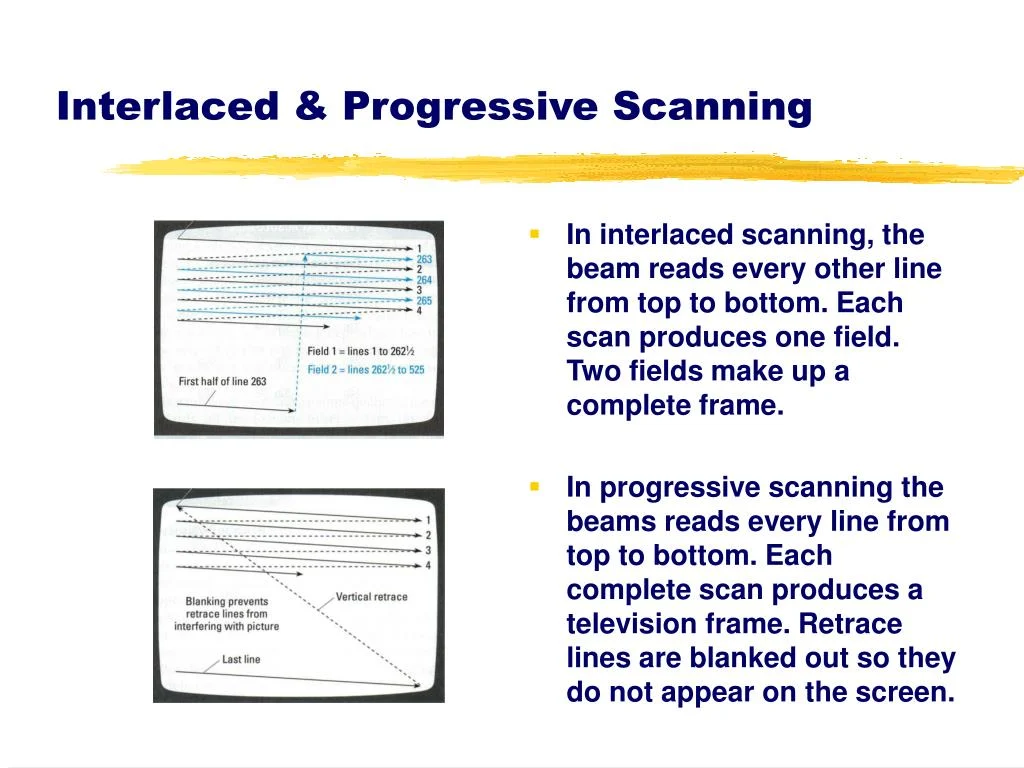
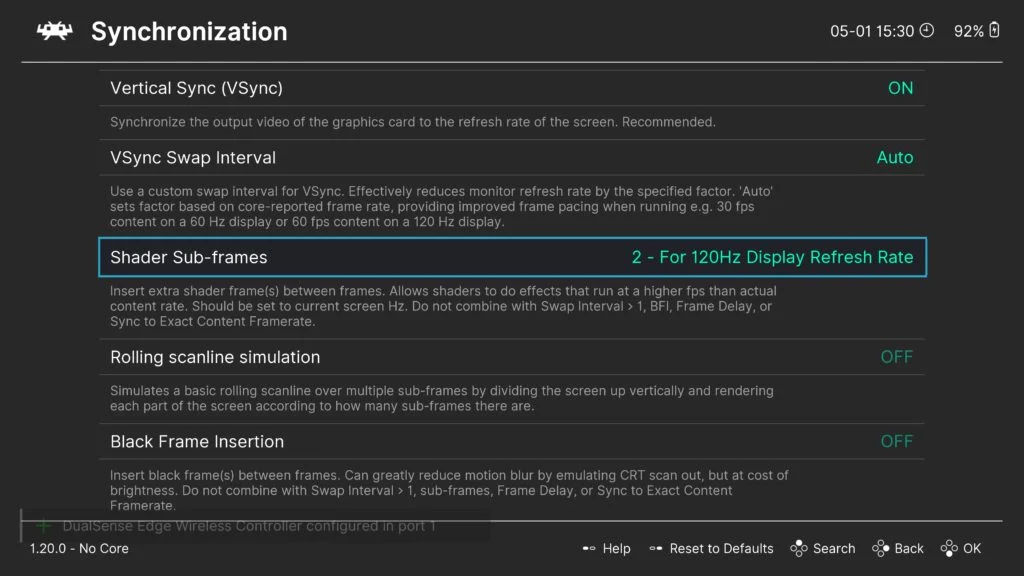
- Audio/Video Shaders: Advanced graphical filters and CRT shaders that authentically replicate the look and feel of classic cathode-ray tube displays.
- Save States and Netplay: Full support for saving progress at any moment, rewind functionality, and online multiplayer capabilities where supported by specific cores.
- Cloud Synchronization: Integration capabilities that allow users to sync save files across multiple Apple devices using external cloud storage services.
Industry Reactions and Developer Perspectives
The response from the retro gaming community and independent software developers has been overwhelmingly positive. Preservationists have long argued that official digital marketplaces are the most effective vehicle for ensuring that digital history remains accessible to younger generations who do not own vintage hardware. By eliminating the technical hurdles of sideloading, RetroArch lowers the barrier to entry, transforming virtually any modern iPhone or iPad into a portable retro arcade.
Industry analysts note that this shift aligns with Apple’s broader strategy to position its hardware, particularly the iPad Pro and Apple TV, as viable gaming platforms. By embracing emulation, Apple tacitly acknowledges that retro gaming is a major driver of consumer engagement. Developers associated with the Libretro project have expressed optimism regarding the upcoming macOS release, noting that desktop architectures will unlock even higher performance ceilings for demanding emulation cores, such as those targeting sixth-generation consoles and handhelds.
Broader Impact and Future Implications
The integration of RetroArch into the Apple App Store carries significant implications for the software development and digital preservation sectors. From a preservation standpoint, official storefront availability ensures that thousands of classic titles—many of which are currently commercially unavailable through modern storefronts—can be studied, played, and preserved by a wider audience. It bridges the gap between underground software distribution and mainstream consumer accessibility.
However, complex questions regarding copyright and intellectual property remain front and center. While RetroArch itself is a legal piece of software designed to run code provided by the user, the acquisition of ROM files (Read-Only Memory digital game copies) often navigates a complex legal landscape. Apple’s guidelines place the responsibility of supplying legal game files squarely on the end user, requiring them to dump ROMs from their own physical cartridges or optical media.
As the Libretro team prepares to roll out its next major software update and continues development on the anticipated macOS version, the landscape of mobile gaming continues to evolve. The walled garden of iOS has permanently opened its gates to legacy digital artifacts, ensuring that decades of gaming history remain alive, accessible, and easily executable on the most ubiquitous pocket-sized computers in the world.