Cecilia Chamidah Nur
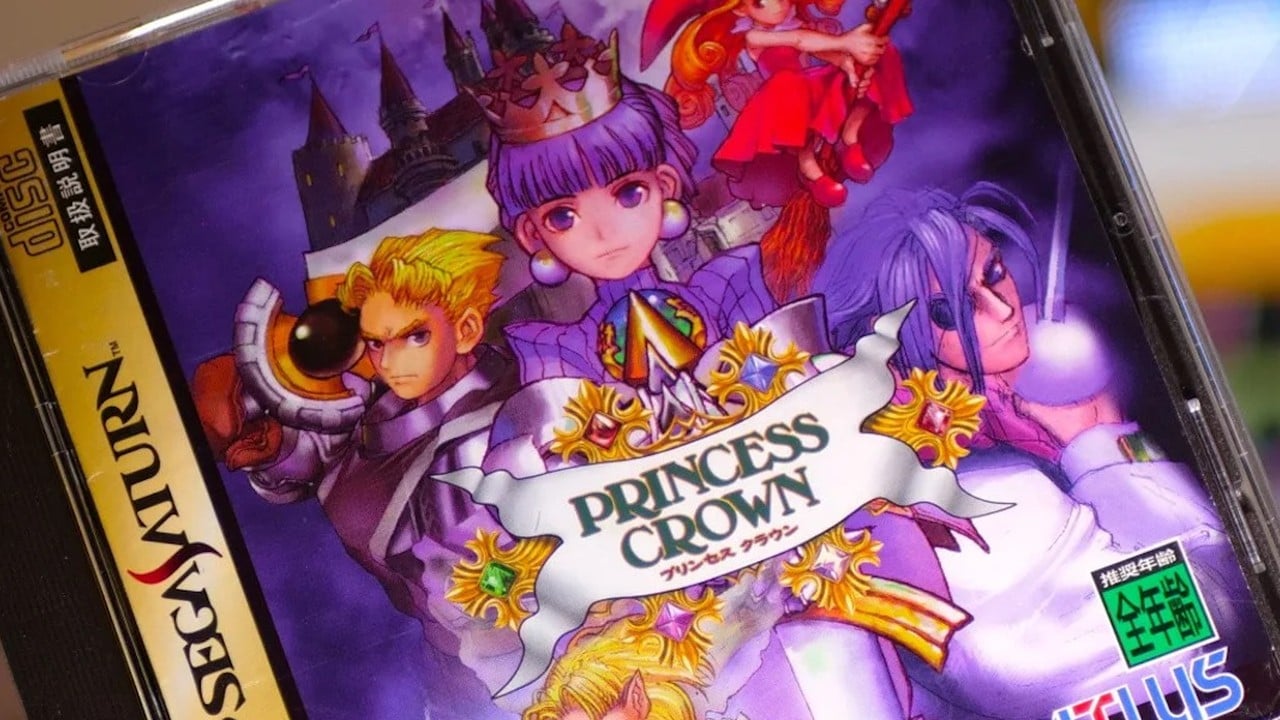
The gaming world recently celebrated a significant milestone: the completion of a comprehensive English fan translation for Princess Crown, a seminal action role-playing game originally released for the Sega Saturn in Japan in 1997. This achievement, coming 28 years after its initial launch, unlocks a historically important title for a global audience, allowing players to fully experience what many consider one of the finest, yet long-inaccessible, games in the Saturn’s extensive library and a foundational work for visionary director George Kamitani, later synonymous with Vanillaware’s distinct artistic style.
The Context of a Console War: Sega Saturn’s Western Retreat and Japanese Resilience
The late 1990s were a tumultuous period in the video game industry, marked by the intense "console war" between Sony’s PlayStation, Nintendo’s Nintendo 64, and Sega’s Saturn. By 1997, the landscape in Western markets was undeniably dominated by Sony’s 32-bit console. The PlayStation, leveraging its developer-friendly architecture, CD-ROM technology, and aggressive marketing, had secured a commanding lead in North America and Europe, with blockbuster titles like Final Fantasy VII and Metal Gear Solid capturing the global imagination. Sega, despite innovative hardware and a dedicated fanbase, had largely conceded the Western market, shifting its focus and resources towards its next console, the Dreamcast.
However, the narrative differed significantly in Japan. The Sega Saturn, buoyed by strong developer relationships, a robust arcade port library, and a dedicated following for its unique 2D capabilities, maintained a stronger foothold for a longer period. This divergence in market performance led to a peculiar phenomenon: many of the Saturn’s highest-quality titles, particularly those catering to Japanese tastes for intricate RPGs and fighting games, remained exclusive to the region. These games, often rich in narrative and artistic ambition, never saw official Western localization, much to the frustration of international enthusiasts.
One such enthusiast was Dave Halverson, editor of the influential GameFan magazine, who famously lamented the situation. His previews of Japanese-exclusive Saturn titles, including Princess Crown, highlighted the console’s untapped potential for Western audiences, underscoring a growing chasm between Japanese gaming culture and what was available internationally. For years, Princess Crown remained a tantalizing glimpse into what could have been, a title whispered about in import circles and known only through fragmented information and crude translation guides.
George Kamitani’s Visionary Debut: Forging a Legacy
Princess Crown holds a unique place in gaming history as the directorial debut of George Kamitani, a name that would later become synonymous with some of the most visually stunning and critically acclaimed 2D action RPGs of the 21st century. Prior to his work on Princess Crown, Kamitani honed his craft at Capcom, a company renowned for its arcade excellence and pixel art mastery. His transition to directing Princess Crown marked the genesis of a distinctive creative vision that would define the aesthetic and gameplay philosophies of Vanillaware, the studio he co-founded.
The game is widely considered a spiritual predecessor to Vanillaware’s later masterpieces, including Odin Sphere (2007), Muramasa: The Demon Blade (2009), Dragon’s Crown (2013), and the recently released Unicorn Overlord (2024). In Princess Crown, one can discern the purest distillation of Kamitani’s signature style: a profound dedication to gorgeous, hand-drawn 2D pixel artwork, an emphasis on fluid, action-based RPG combat, a penchant for multiple playable characters, and the construction of rich, whimsical fantasy worlds that invite deep immersion. This foundational work laid the groundwork for a creative trajectory that would continually push the boundaries of 2D art in a 3D-dominated industry.
Unpacking the Gameplay: A Genre-Blending Masterclass
At its core, Princess Crown masterfully blends elements of traditional Japanese role-playing games with side-scrolling action mechanics, creating a unique and engaging experience. The game is primarily viewed from a side-on perspective, reminiscent of classic arcade beat ’em ups, but incorporates a node-based map system for overworld travel, allowing players to navigate between towns, villages, and dungeons.
Within these settlements, players engage in typical RPG activities: conversing with a diverse cast of non-player characters (NPCs) to gather information and advance the narrative, purchasing essential items and equipment from shops, and recording their progress at inns. The real-time travel between locations, however, introduces dynamic elements, as this is where the majority of combat encounters occur.
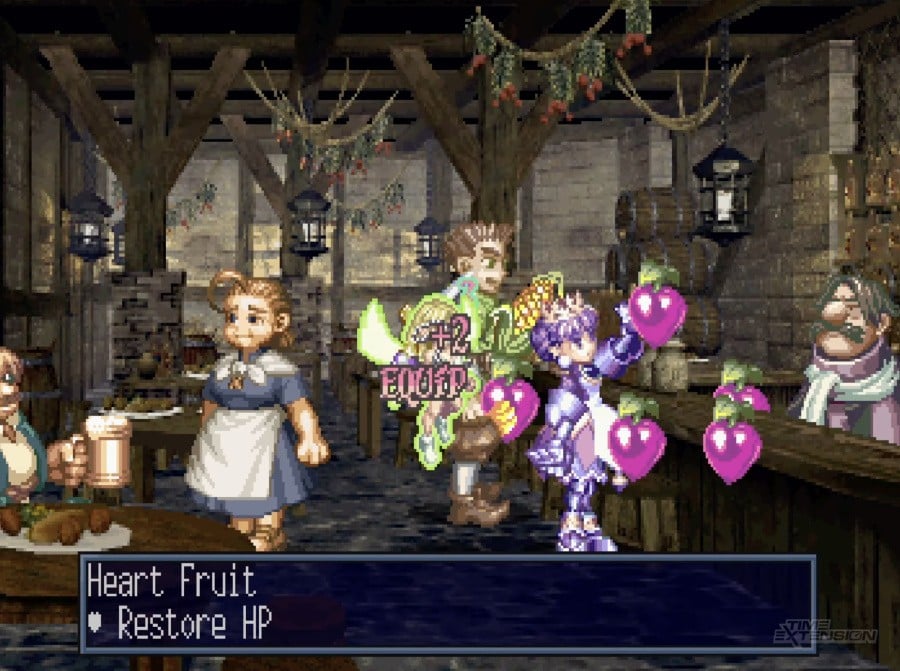
When an enemy is encountered, the game seamlessly transitions into a dedicated combat mode while maintaining the side-on viewpoint. The combat system, deceptively simple on the surface, offers surprising depth. Players can execute relatively straightforward combo attacks, often concluding with a powerful finishing move by holding down the attack button. A crucial element is the "Power" bar, which depletes with every attack and block. Once exhausted, the character briefly becomes vulnerable while catching their breath, demanding strategic management of offensive and defensive actions.
Defensive maneuvers are equally nuanced. Pushing backwards during an enemy’s attack initiates a block, mitigating damage. More advanced players can time a press of the B button just as an enemy winds up an attack, triggering a tactical menu that allows for a swift backstep to avoid the blow entirely or a clever outflank to gain a positional advantage. Despite primarily utilizing only two buttons for core actions (attack and evade), the combat mechanics facilitate a wide array of moves, including aerial attacks, dashing stabs, and rising blows, contributing to a fluid and expressive fighting system.
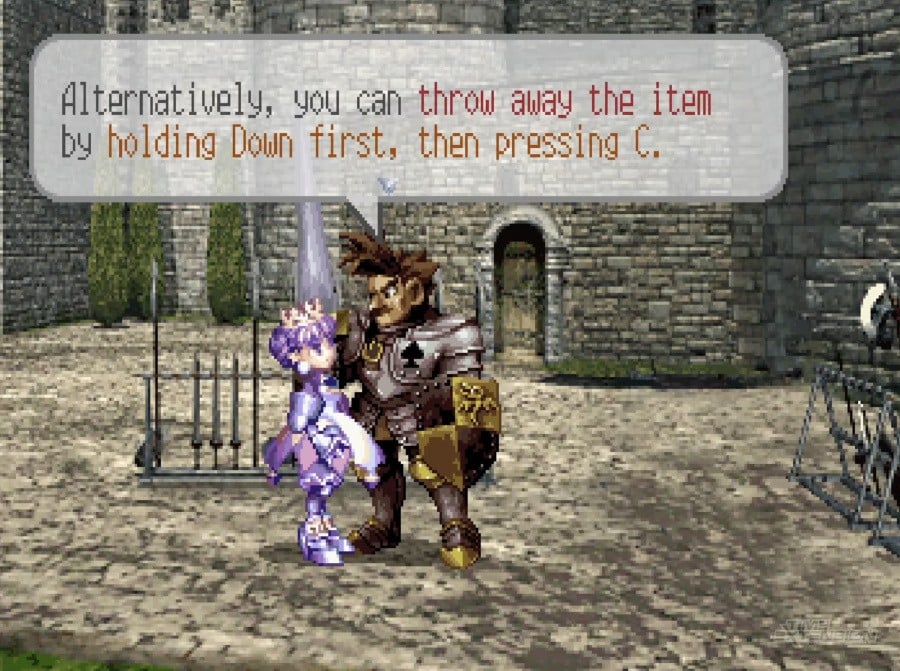
Beyond physical attacks, item usage plays a significant role. Healing items, such as fruit or cooked meat, replenish health. A particularly charming and strategic mechanic involves fruit seeds: fully consumed fruit leaves behind a seed that can be thrown during battle, causing a tree to grow and generate more fruit. This concept of in-combat resource generation and cooking for enhanced recovery would later be refined in Odin Sphere. As players progress and face increasingly formidable foes, these restorative items become indispensable.
The game also incorporates a robust RPG progression system. Experience points are gained after defeating enemies, leading to character level-ups that increase life points and damage output. Equipment further enhances capabilities; magical boots allow for automatic item pickup during combat, while special shields can deal elemental damage upon blocking. However, equipment is not eternal; items have durability and will eventually break, necessitating careful management and the use of magic jewels for offensive spells (fireballs, lightning) or scrolls to prevent gear degradation.
The overall combat experience feels like a sophisticated fusion: the strategic resource management and progression of a traditional JRPG, the side-scrolling action and exploration of titles like Zelda II: The Adventure of Link, and even subtle cues from fighting games. The screen flash upon executing a powerful finishing blow, reminiscent of a Super Special victory in Super Street Fighter II Turbo, adds a satisfying flourish. While the core moveset can occasionally lead to minor repetition, it rarely detracts from the overarching enjoyment, given the depth provided by item mechanics and tactical options.
Artistic Grandeur: A Visual and Aural Feast
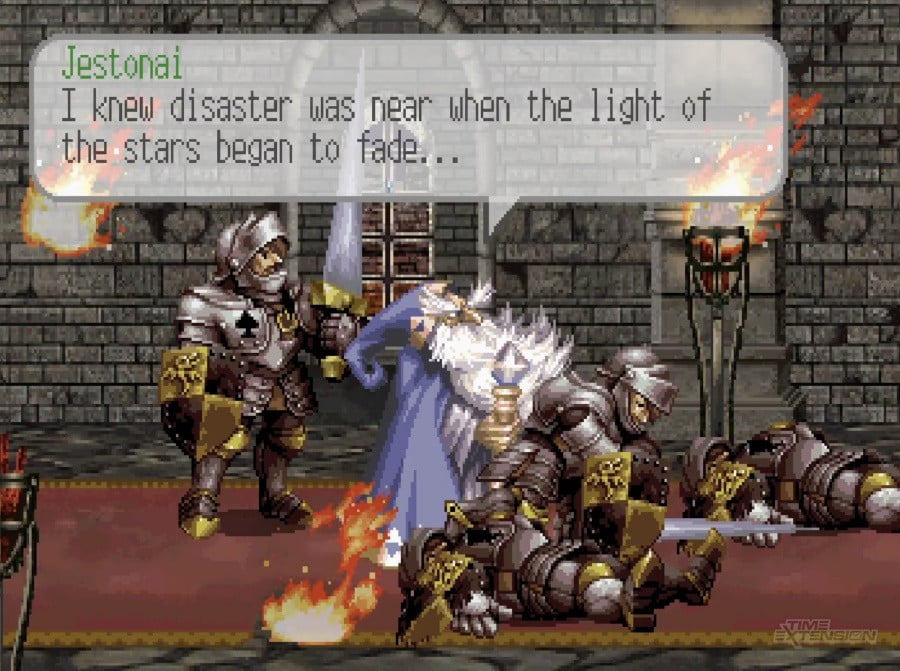
Perhaps the most immediately striking aspect of Princess Crown is its unparalleled presentation. The game is an absolute masterclass in 2D pixel art, pushing the boundaries of what was achievable on the Sega Saturn. The visual style is sumptuous, characterized by exquisitely detailed sprites that boast an incredible amount of animation. Characters and enemies alike convey unique personalities and emotions through a wide range of movement sequences, bringing the whimsical fantasy world to vibrant life.
The environments are equally dense and appealing, featuring intricate backgrounds that draw the player deeper into the game’s lore. Small, thoughtful touches abound: the lead character, Gradriel, might get humorously bonked on the head by her crown when taking a heavy blow, adding a layer of charm and personality. Her joyous victory animation, an excited little jump as her fairy companion dutifully scoops up her sword, is a consistently delightful detail. This meticulous attention to detail in animation and environmental design set a new standard for 2D aesthetics on the Saturn and foreshadowed the visual philosophy that would define Vanillaware. While not explicitly detailed in the original article, it’s reasonable to infer that the game’s aural landscape, encompassing its musical score and sound effects, would have been crafted with similar care, further immersing players in its enchanting world.
Narrative Depth: Weaving Multiple Fates
Princess Crown also showcases Kamitani’s early penchant for complex, interwoven narratives, a hallmark of his later works. While Princess Gradriel embarks on the primary and most formidable quest, her journey is not the sole narrative thread. Upon completing Gradriel’s adventure, players are granted the opportunity to step into the shoes of three other protagonists: the valiant knight Edward, the aspiring witch Proserpina, and the noble pirate Portgus.
Each of these characters has crossed paths with Gradriel at various points during the main narrative, and their individual quests offer fresh perspectives and expand upon the game’s rich lore. While these additional storylines may not be as expansive as Gradriel’s epic, they provide significant replayability and a brilliant means of pulling the player back into the meticulously crafted world. This multi-perspective storytelling enriches the overall experience, revealing the broader implications of events and the interconnectedness of the characters’ fates.
Even for non-Japanese speakers prior to the translation, the game offered subtle accessibility cues. Progress-vital dialogue was often marked in different colors, providing a visual indicator of when a new route or crucial piece of information had been unlocked, allowing dedicated players to navigate the narrative with the aid of external guides like those found on GameFAQs.
The Quest for Localization: The Power of Fan Translation
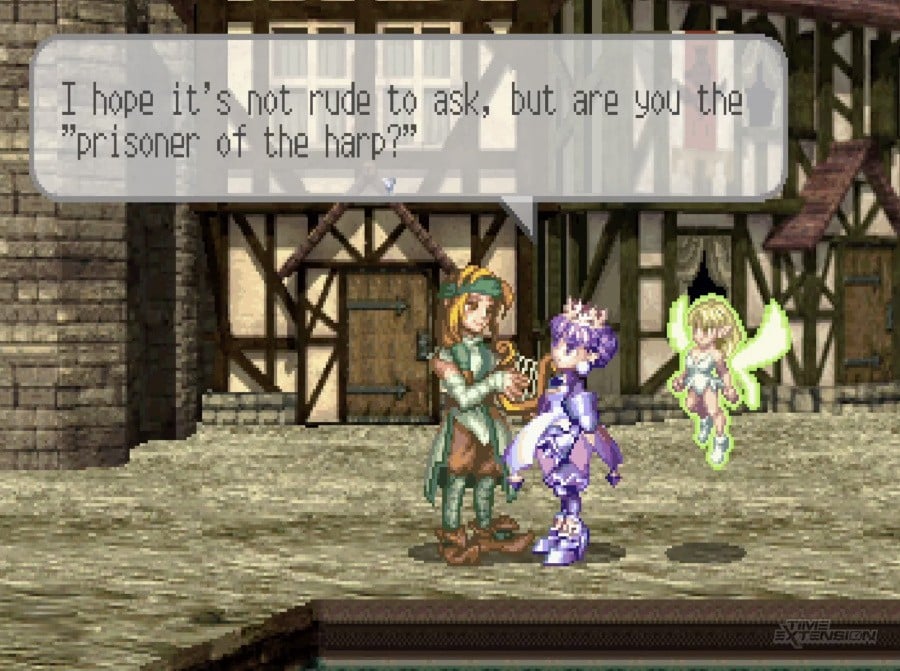
The journey of Princess Crown from a Japanese exclusive to a fully playable English experience is a testament to the dedication and perseverance of the fan translation community. For decades, the game remained a tantalizing "holy grail" for many Western retro gamers. Early efforts to translate the game were crude, often relying on basic guides and rudimentary patches that translated only fragments of the text. The lack of a comprehensive, high-quality translation meant that much of the game’s intricate narrative, whimsical dialogue, and strategic nuances remained locked behind a language barrier.
The recent completion of "edmaster’s English translation" marks the culmination of years of effort by dedicated individuals. These fan translators, driven by a passion for preserving gaming history and making inaccessible titles available to a wider audience, undertake complex and time-consuming work, often reverse-engineering game code, extracting text, translating it meticulously, and then re-inserting it into the game in a playable format. This process requires not only linguistic expertise but also significant technical skill and an understanding of game development.
The impact of such fan translation projects cannot be overstated. They serve as crucial acts of digital preservation, ensuring that culturally significant titles from eras of regional exclusivity are not lost to time. They also democratize access to games, allowing players worldwide to appreciate the full scope of a title’s artistic and narrative ambitions, fostering a deeper understanding and appreciation for gaming history across different regions. The "face-off" mentioned in the original text, likely referring to competing translation efforts or debates within the community, underscores the passion and sometimes intense effort involved in bringing such projects to fruition.
Legacy and Influence: A Crowning Achievement
Princess Crown has always held a special place in the pantheon of Sega Saturn games, but its newfound accessibility through a high-quality English translation elevates its status even further. It stands as a brilliant synthesis of real-time action and robust RPG mechanics, encased in some of the most gloriously charming and detailed 2D pixel artwork ever seen on the console. It is no exaggeration to consider it one of the Saturn’s best-looking titles, a technical and artistic marvel that defied the era’s growing obsession with 3D graphics.
George Kamitani, while arguably achieving even greater commercial and critical success with Vanillaware’s later offerings, created in Princess Crown a foundational work that perfectly encapsulated his unique artistic and gameplay philosophy. It is a "crowning glory" not just for the Sega Saturn, but for the entire genre of 2D action RPGs, laying the aesthetic and mechanical groundwork for a lineage of games that continue to captivate audiences today. Its enduring relevance, nearly three decades after its initial release, highlights the timeless appeal of thoughtful design, engaging gameplay, and unparalleled artistic vision, now finally shared with the world in its intended narrative richness.