Vera Clarissa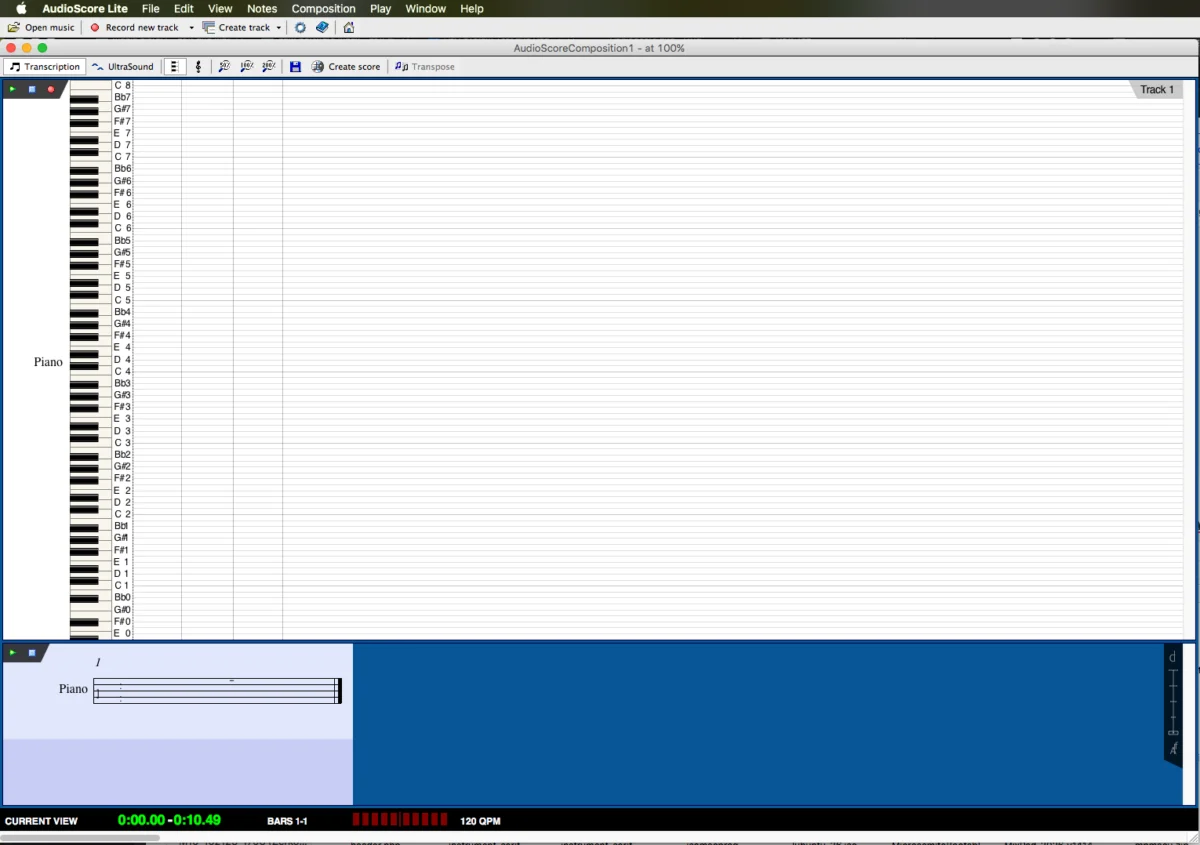
For users of aging hardware, the passage of time often introduces a silent crisis: the gradual disappearance of the software ecosystem that once rendered those machines functional. As operating systems evolve and developers shift focus toward modern architectures, older applications frequently vanish from official websites and centralized app stores. To mitigate this "digital rot," Low End Mac has formalized its commitment to longevity by establishing a dedicated repository for freeware and abandonware, ensuring that legacy Mac users retain access to critical utilities, productivity suites, and niche software.

The initiative addresses a fundamental reality of the consumer electronics lifecycle. As hardware becomes depreciated—often categorized as "vintage" or "obsolete" by original equipment manufacturers—official support channels invariably close. When copyright holders cease distribution, fail to maintain compatibility updates, or abandon software entirely, the resulting void leaves users of legacy systems in a state of technological isolation. By curating a stable archive of these assets, the repository acts as a bridge between the software’s original utility and its preservation for future research and continued practical use.
The Philosophy of Digital Preservation
The legal landscape surrounding software distribution is complex, yet the concept of "abandonware" serves as a vital framework for community-led preservation. In cases where software is no longer supported, marketed, or updated by the creator, the risk of data loss becomes acute. Low End Mac’s approach focuses on the ethical and functional necessity of maintaining access to tools that remain operational on older macOS and Mac OS X versions.

This repository is not merely a collection of files; it is a response to the rapid pace of planned obsolescence. Many applications that were once staples of the Mac experience, such as audio transcription tools or diagnostic utilities, have been stripped from modern platforms to clear the way for 64-bit architectures or cloud-based subscription models. For the user running a 2006 iMac or a mid-2010s MacBook Pro, these changes often render their equipment functionally "bricked" for specific tasks. By cataloging these files, the site ensures that the utility of legacy hardware remains intact, provided the user has the correct software environment.
Chronology of Essential Legacy Utilities
The repository features a diverse array of software, categorized by its specific utility and the era of the macOS for which it was optimized. Among the notable entries are diagnostic and performance tools that have seen their modern counterparts drop support for older operating systems.

- Diagnostic and Benchmarking Tools: Both AJA System Test 2.1 and Blackmagic Disk Speed Test occupy a significant space in the repository. While modern versions require macOS 10.13 (High Sierra) or later, these archived iterations allow users of Mac OS X El Capitan and Yosemite to accurately measure drive performance, a critical step in the hardware refurbishment process.
- Audio and Media Production: AudioScore Lite-V6 remains a cornerstone for users of Mac OS X Snow Leopard, providing transcription capabilities that were once bundled with professional-grade Sibelius software. Similarly, the inclusion of Mixpad for Mac (version 14.14) allows for multitrack recording on El Capitan, extending the life of home studio setups that rely on older, stable software environments.
- Connectivity and System Drivers: The archive includes essential driver software, such as the Motorola Device Installer 2.2.9, which facilitates data transfer for legacy mobile hardware from the mid-2010s. Additionally, the repository hosts specialized patches, such as the GMA 950 Graphics and 06 Audio patch for Yosemite, which are essential for restoring functionality to specific vintage iMac models.
- Community and Connectivity Tools: The collection preserves niche applications like Soundcast for Mac, which allows users to stream audio to Chromecast devices from older iterations of OS X. Furthermore, historical versions of clients like Frostwire (version 4.21.8) are retained for their compatibility with Mac OS X 10.5.8, a version of the OS that remains popular among PowerPC architecture enthusiasts.
Data Integrity and Technical Implications
The technical implications of this repository are significant for the preservation community. By hosting installers that include specific fixes—such as the Minecraft 1.4.7 PowerPC audio patch—the repository prevents the loss of "tribal knowledge" that is often stored in ephemeral forum posts or defunct websites.
Furthermore, the inclusion of performance-oriented tools like OctaneBench 2.17 for Mac and the YosemiteUSB Maker demonstrates a commitment to the "tinkerer" demographic. These tools allow power users to verify the performance limits of their machines or create bootable media, tasks that are frequently hindered when the original software installation files become corrupted or inaccessible.

Analysis of the Legacy Ecosystem
The broader impact of such repositories is the maintenance of a "parallel" software ecosystem. As Apple continues to push the boundaries of macOS with each annual release, the distance between the current state of the art and the capabilities of a machine manufactured fifteen years ago grows exponentially. Without initiatives like this, the history of Mac software would be subject to the whims of corporate server cleanups and domain expirations.
Industry analysts note that while cloud computing has made software more accessible, it has also made it more fragile. A web-based utility is only as good as the server that hosts it. By contrast, the "offline" nature of these abandonware installers guarantees that the software will function regardless of the status of the developer’s current business model or their internet presence.

Reactions and Future Prospects
While the developers of many of these applications have long since moved on, the preservation effort serves as a testament to the longevity of the Mac platform. The repository is designed to be a permanent home; once an item is uploaded, the intention is for it to remain available. This "archival-first" mindset is echoed by other preservation projects like The Garden, which focuses on similar efforts for Apple II and early Macintosh software.
The reaction from the legacy Mac community has been one of practical relief. For professionals and hobbyists alike, the ability to download a verified, safe installer for a utility that hasn’t been updated since 2011 is invaluable. It reduces the reliance on untrusted, third-party file-sharing sites, which are frequently vectors for malware or broken links.

The Role of Documentation
Beyond the software itself, the repository underscores the importance of documentation. Each entry is accompanied by the necessary context regarding its compatibility, ensuring that users do not waste time attempting to run incompatible software. This curation is essential for the sustainability of the archive. By vetting the software before it is added, the platform maintains a high standard of utility and security.
As we look toward the future of computing, the preservation of these tools becomes increasingly important. The transition to Apple Silicon has created a new "epoch" in Mac computing, making the distinction between legacy (Intel/PowerPC) and modern software even more pronounced. The Low End Mac repository provides a vital service by ensuring that the transition to new hardware does not necessitate the abandonment of the software that defined the previous eras of computing.

In conclusion, the launch of this repository is a strategic move to safeguard the digital heritage of the Macintosh. By treating abandoned software not as useless debris, but as essential historical and functional assets, Low End Mac is fostering a culture of longevity. This initiative ensures that even as the hardware itself enters its twilight, the capability to create, diagnose, and explore remains accessible to those who choose to continue working within the legacy environment. Whether for the sake of nostalgia, academic research, or the simple desire to keep a perfectly functional machine relevant, the repository stands as a vital resource in the ongoing effort to preserve the history of personal computing.