Cecilia Chamidah Nur
The world of Japanese fantasy storytelling and interactive entertainment mourns the loss of Yosuke Tamori, the esteemed creator behind the cherished PopoloCrois series, who passed away on April 10th at the age of 74. His passing was officially announced ten days later, on April 20th, by the Japan Cartoonists Association, with confirmation subsequently appearing on his personal website, tamotamo.com, where fans and industry peers alike began to share their condolences and tributes to a man whose imagination enriched countless lives. Tamori’s artistic journey spanned decades, evolving from print to screen and interactive experiences, leaving an indelible mark on Japanese popular culture.
A Life Dedicated to Art and Storytelling
Born in Japan, Yosuke Tamori cultivated a deep passion for art and narrative from a young age. While specific details of his early artistic education are not widely publicized, his trajectory suggests a foundation in traditional illustration and storytelling techniques, which he masterfully adapted to the burgeoning manga industry. The late 1970s marked the nascent stages of what would become his most famous creation, PopoloCrois. This period was a fertile ground for new artistic expressions in Japan, with manga gaining increasing prominence as a mainstream medium. Tamori, with his unique blend of whimsical fantasy and heartfelt narrative, was poised to contribute significantly to this evolving landscape. His work often explored themes of courage, friendship, and self-discovery, resonating deeply with audiences across generations.
The Genesis of PopoloCrois: From Print to Phenomenon
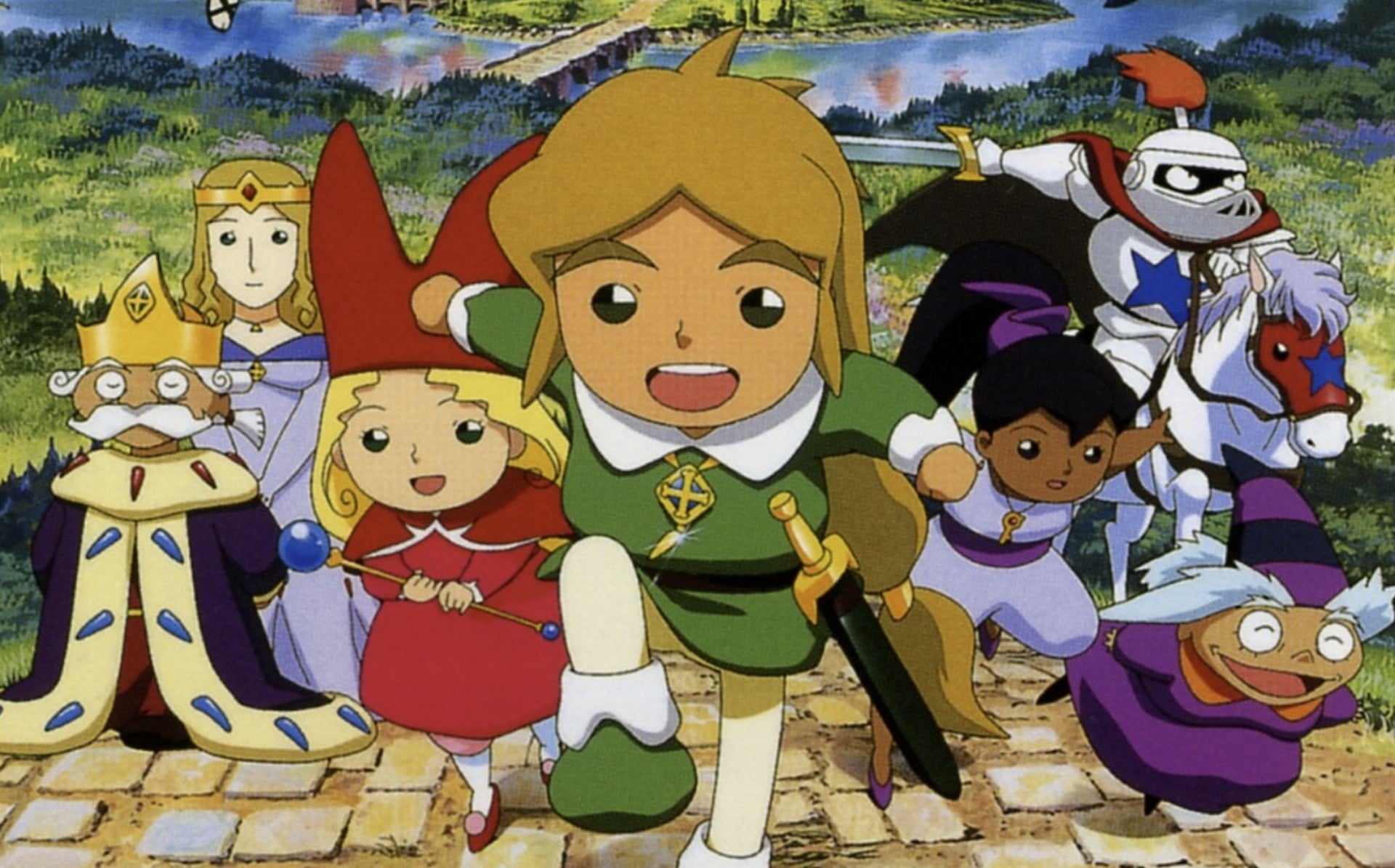
The conceptual origins of the PopoloCrois fantasy series can be traced back to the late 1970s, a period when Tamori began to craft the intricate world and characters that would eventually define his career. However, the true public debut and "real starting point," as many consider it, arrived in 1984 with its serialization in The Asahi Shimbun Student Newspaper. This platform, while primarily aimed at a younger demographic, provided Tamori with a significant readership and a unique opportunity to cultivate a loyal following. The Asahi Shimbun, one of Japan’s most prestigious newspapers, offering a dedicated section for student readers, underscored the quality and appeal of Tamori’s work from its inception.
PopoloCrois, pronounced PO-po-lo-croyce, captivated its early readers with its charming, fable-like quality, distinct art style, and endearing characters. The narrative typically followed the adventures of Prince Pietro, a young boy from the kingdom of PopoloCrois, as he embarked on quests to protect his family, friends, and kingdom from various threats. Tamori’s storytelling was characterized by a delicate balance of lighthearted humor, moments of genuine peril, and profound emotional depth, distinguishing it from many contemporaries. The manga’s success in print laid the essential groundwork for its expansion into other media, establishing a foundational fan base that would eagerly follow Prince Pietro’s journey through various iterations.
Literary Contributions Beyond the Comic Panel
While primarily known for his manga, Yosuke Tamori’s creative talents extended to novel writing, where he further explored rich narratives and character development. His literary works demonstrated a commitment to expansive storytelling, complementing his visual narratives. Among his notable novels are Maya Mensis Aureos, published in 2013, which showcased his ability to craft intricate fantasy worlds through prose. He also expanded the PopoloCrois universe with PopoloChronicle in 2015 and its sequel, PopoloChronicle 2, in 2018. These novels offered deeper dives into the lore and history of the PopoloCrois world, providing fans with additional layers of understanding and appreciation for the intricate tapestry he had woven over decades. This diversification of his creative output highlighted his versatility as a storyteller, capable of captivating audiences through both visual and written mediums.
The Leap to Animation: Bringing PopoloCrois to Life

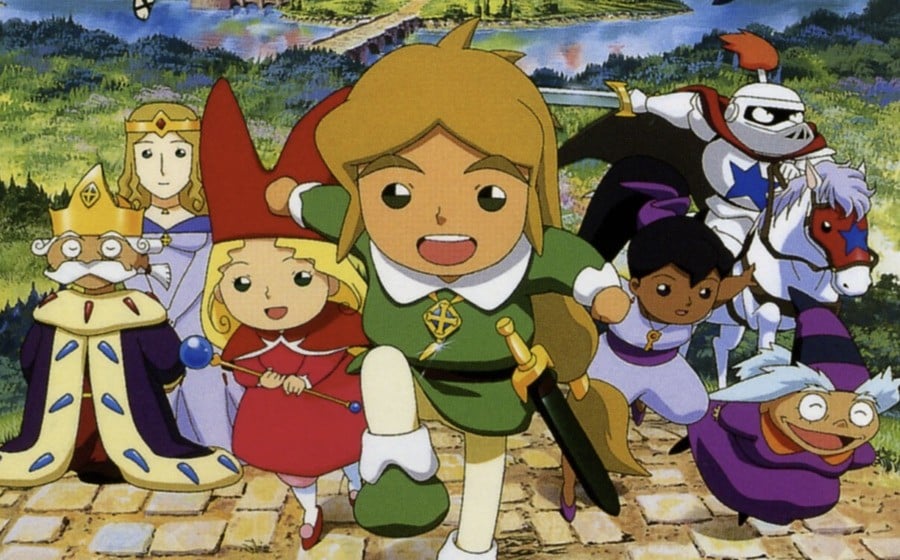
The widespread appeal of Tamori’s manga naturally led to its adaptation into an animated television series. In 1999, the Popolocrois Monogatari anime debuted, bringing Prince Pietro and his companions to life on screen. Produced by SPE Visual Works and animated by TMS Entertainment, the series further cemented PopoloCrois’s place in the hearts of Japanese audiences. The anime, which ran for 26 episodes, was instrumental in introducing the franchise to a broader demographic, particularly children and young adults who might not have been familiar with the original manga. It faithfully captured the whimsical charm and adventurous spirit of Tamori’s creation, translating its distinctive art style and character designs into fluid animation. The success of the anime underscored the universal appeal of Tamori’s storytelling, proving that his characters and world could transcend the static pages of manga to captivate viewers through dynamic motion and sound. This adaptation significantly boosted the franchise’s visibility and contributed to its enduring popularity.
The Era of Interactive Entertainment: PopoloCrois in Video Games
Perhaps the most significant expansion of the PopoloCrois universe came in the 1990s when Yosuke Tamori made the pivotal decision to sell the rights to the series to Sony Computer Entertainment (SCE). This move was transformative, propelling PopoloCrois into the burgeoning world of video games and introducing it to a global audience, albeit primarily within the Japanese market initially. The 1990s were a golden age for Japanese role-playing games (JRPGs) on consoles, with Sony’s PlayStation leading a revolution in console gaming. SCE’s interest in PopoloCrois was a testament to the strength of Tamori’s world-building and character design, recognizing its immense potential for interactive storytelling.
The collaboration with Sony resulted in a highly acclaimed series of JRPGs that defined the franchise for a generation of gamers. The first title, PopoloCrois Story, released on the PlayStation in 1996, was a landmark game. It was celebrated for its stunning 2D visuals, memorable soundtrack, and engaging turn-based combat system, all wrapped in a heartwarming narrative consistent with Tamori’s original vision. The game immersed players in Prince Pietro’s world, allowing them to directly control his destiny and interact with the characters they had come to love from the manga and anime. Its success established PopoloCrois as a respected name in the competitive JRPG genre.
Following its initial triumph, the series saw several sequels and spin-offs across various PlayStation platforms:
- Poporogue (1998, PlayStation): This installment offered a slightly different gameplay experience, blending traditional RPG elements with more adventure-oriented mechanics, expanding the narrative scope.
- PopoloCrois Story II (2000, PlayStation): Building upon the success of the first game, this sequel refined the gameplay, introduced new characters, and presented a more epic storyline, pushing the boundaries of what was expected from a PlayStation JRPG.
- PopoloCrois: Adventure of Beginnings (2005, PlayStation Portable): With the advent of handheld gaming, the series transitioned to the PSP, demonstrating its adaptability. This title brought the charm of PopoloCrois to a portable format, allowing fans to enjoy new adventures on the go.
- PopoloCrois: Adventure of the Law of the Moon (2006, PlayStation Portable): A direct continuation on the PSP, this game further developed the storyline and characters introduced in its predecessor, solidifying the series’ presence on handheld devices.
The most recent major entry in the video game series, and one that garnered significant international attention, was Return to Popolocrois: A Story of Seasons Fairytale, released for the Nintendo 3DS in 2015. This unique title represented a significant crossover, combining the beloved characters and world of PopoloCrois with the charming farming and life simulation gameplay elements of Marvelous’s Story of Seasons series (known as Harvest Moon outside of Japan for many years). This collaboration introduced Prince Pietro to farming and town-building, adding a fresh dimension to his adventures while retaining the core values of exploration and character interaction. Return to Popolocrois not only revitalized the franchise for a new generation of players but also brought it to a broader global audience through its localization and release outside Japan. It served as a testament to the enduring appeal and flexibility of Tamori’s original creation, capable of thriving even when fused with entirely different gameplay mechanics.
Across all these video game iterations, the core essence of Tamori’s vision remained intact: a world brimming with endearing characters, heartwarming stories, and a steadfast belief in the power of good. The games consistently showcased beautiful hand-drawn art, evocative music, and narratives that championed courage, friendship, and the pursuit of peace.
Industry Reactions and Enduring Legacy
The announcement of Yosuke Tamori’s passing elicited a wave of sorrow and respect from across the creative industries. The Japan Cartoonists Association’s prompt announcement underscored his standing within the manga community, recognizing him not just as a creator but as a significant contributor to the cultural fabric of Japan. While specific public statements from industry titans or fan organizations are still emerging, the sentiment across online platforms and fan communities is one of profound gratitude for his contributions. Many have shared memories of growing up with PopoloCrois, highlighting how its stories shaped their understanding of fantasy, heroism, and emotional depth.
Tamori’s legacy extends far beyond the individual sales figures of his manga, anime, or video games. He crafted a universe that, while seemingly simple and childlike on the surface, tackled complex themes with grace and sincerity. His work provided an escape into a world where innocence and optimism could triumph over darkness, a message that resonated deeply with audiences in an increasingly complex world. He demonstrated how a compelling narrative and well-developed characters could seamlessly transition between different media, maintaining their integrity and appeal.

Yosuke Tamori will be remembered as a visionary storyteller, an artist whose imagination gave birth to a world that enchanted millions. The PopoloCrois series, in all its forms, stands as a testament to his creative genius and his unwavering commitment to crafting narratives that celebrate the enduring human spirit. His passing marks the end of an era for a beloved creator, but his vibrant legacy, encapsulated in the timeless adventures of Prince Pietro and the enchanting kingdom of PopoloCrois, will undoubtedly continue to inspire new generations of artists, storytellers, and dreamers for many years to come. Our deepest thoughts and condolences remain with Tamori’s family, friends, and countless fans during this difficult time.