Cecilia Chamidah Nur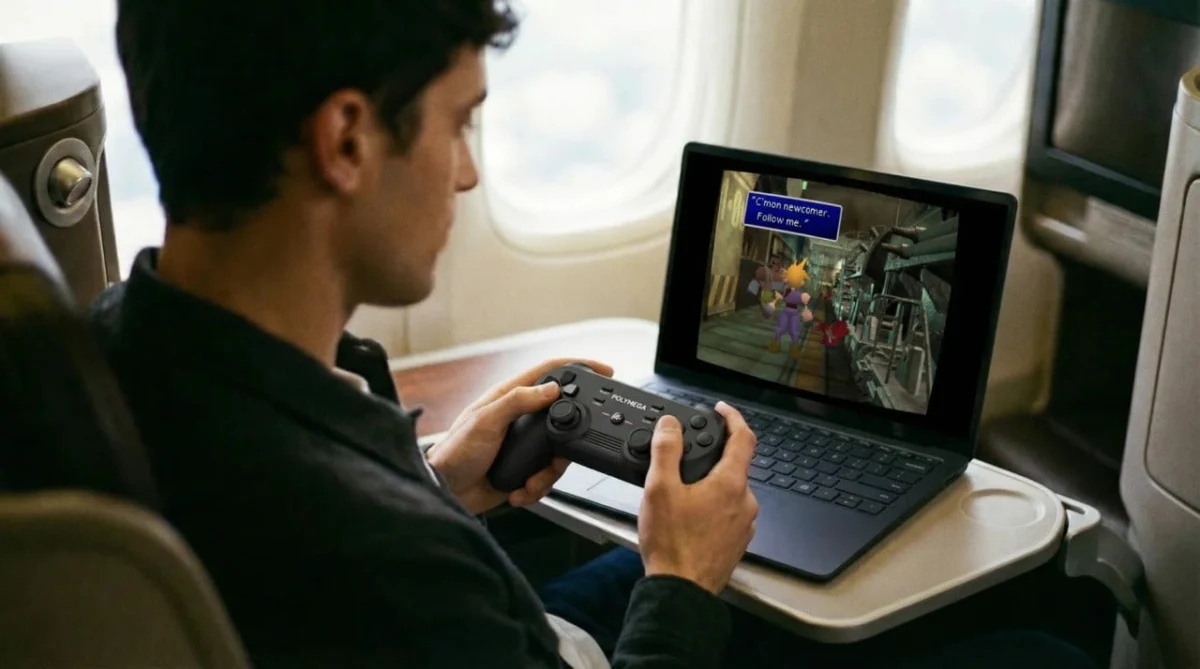
Playmaji, the manufacturer behind the ambitious Polymega retro gaming console, has officially confirmed that its new, more accessible hardware solution, the Polymega Remix, is set to ship soon. This announcement, following a period of anticipation, signals a significant strategic pivot for the company, moving towards a PC-centric approach for its proprietary retro game digitization and emulation ecosystem. Alongside the imminent release of the £150 Remix unit, Playmaji has also launched a comprehensive quick-start guide, providing crucial instructions for users, particularly those looking to transfer their existing Polymega digital game libraries to their personal computers.
The Polymega Remix represents a deliberate effort by Playmaji to broaden the appeal and accessibility of its unique retro gaming platform. The original Polymega base unit, while innovative in its modular design and ability to play both cartridge and disc-based retro games, faced criticism for its high price point and intermittent availability, often making it a challenging acquisition for many enthusiasts. The Remix unit aims to mitigate these barriers by offering a streamlined, more affordable entry point, leveraging the power of existing personal computers, laptops, and even popular handheld gaming devices like the Steam Deck.
A New Chapter: The Polymega Remix and Its Rationale
The initial vision for Polymega was to create an all-in-one, dedicated hardware solution that could meticulously preserve and play physical retro games across multiple platforms. Launched after a protracted development cycle and numerous delays, the original Polymega console promised a premium experience, featuring modular "Element Modules" that allowed for compatibility with various cartridge-based systems (like NES, SNES, Genesis, N64) and direct disc-based game support for consoles such as PlayStation, Sega Saturn, Sega CD, and TurboGrafx-CD. This emphasis on using original physical media for legal digitization and play stood as a key differentiator in a market increasingly dominated by software-only emulation solutions.
However, the journey of the original Polymega was not without its hurdles. Production complexities, supply chain disruptions, and a retail price often exceeding £400 (before factoring in expensive Element Modules) meant that the console remained a niche product, often out of reach for casual retro gamers. The company’s announcement "some time ago" that it would offer customers an option to "shift away from the expensive (and often hard to find) base system" underscored a recognition of these challenges and a commitment to adapting its business model.
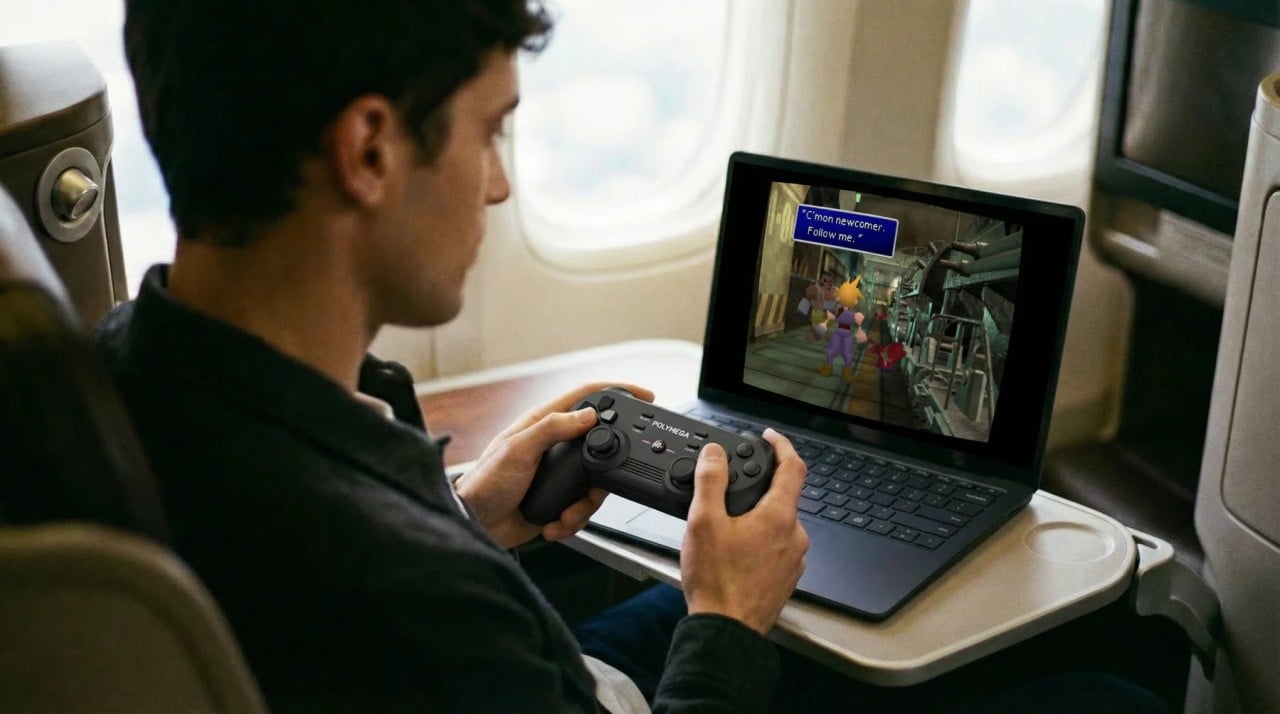
The Polymega Remix, priced at a more accessible £150, embodies this strategic evolution. It is designed not as a standalone console, but as a bridge device that connects physical retro game media to a user’s Windows-based PC. This approach effectively offloads the intensive processing power required for emulation to the user’s computer, significantly reducing the manufacturing cost and complexity of the Remix unit itself. By doing so, Playmaji is tapping into the widespread availability and ever-increasing capabilities of modern computing hardware, including the burgeoning market for handheld gaming PCs.
Seamless Migration: Transferring Existing Polymega Digital Libraries to PC
For existing Polymega base unit owners who have invested considerable time and effort in digitizing their extensive retro game collections, a critical concern has been the portability of these libraries to the new PC-centric ecosystem. Playmaji has proactively addressed this by outlining a clear, step-by-step process within the newly released quick-start guide, ensuring that existing users can transition their collections without losing their valuable digital assets.
The transfer process initiates on the original Polymega Base Unit (PM01). Users are instructed to utilize the ‘Bulk Transfer’ option to move all desired digitized games to an attached SD Card or SSD storage media. This step is crucial for consolidating the collection onto a portable format. Following the completion of the transfer, the Polymega console must be safely shut down, and the storage media (SD card or SSD) then removed from the unit.
For users opting to transfer their collection via an M.2 SSD, Playmaji provides a specific caution: "If you are using an M.2 2280-compatible USB caddy to transfer your collection, please make sure it is compatible with your Storage Media (NVME or SATA) before attempting to transfer your collection to a Gaming Device running Polymega App." This highlights the technical considerations involved, as M.2 drives come in different interface types (NVMe and SATA), requiring a compatible external enclosure to ensure proper connectivity and data transfer to a PC. Choosing the correct caddy is paramount to avoid data corruption or transfer failures.
Once the collection is secured on the portable storage media, the next phase involves connecting the Polymega Remix unit to the target PC. Before launching the Polymega App on the computer, users must connect both the USB cable and the AC Power to the Polymega Remix and then press its Power Button. This ensures the Remix is properly powered and recognized by the PC. Subsequently, the storage media containing the digitized game collection is connected to the Gaming Device (PC). Only after these connections are established should the Polymega App be launched.

Within the Polymega App, users will find an option clearly labeled ‘Import Collection’. Selecting this option allows users to choose the connected storage media containing their games, initiating the final transfer process. Playmaji advises that this process "can take several hours depending on the size of your digitised collection." This timeframe underscores the potentially vast amount of data involved in a comprehensive retro game library, emphasizing the need for patience and ensuring the PC remains powered throughout the operation. The reliance on a stable power supply and adequate USB bandwidth for the transfer is implicit in these instructions.
Performance Considerations: Emulation Demands and System Recommendations
A critical aspect of transitioning to a PC-based emulation system is understanding the performance requirements of the host machine. Playmaji has provided a key recommendation for optimal performance, particularly for more demanding retro platforms: "Playmaji recommends a processor with around 3 GHz single-core performance to run Sega Saturn games under emulation."
This specification is particularly insightful, as Sega Saturn emulation is notoriously challenging. The Saturn’s complex architecture, featuring dual Hitachi SH-2 CPUs, multiple graphics processing units (VDP1 and VDP2), and a unique approach to 3D rendering (quad-based polygons rather than triangle-based), made it a formidable system for developers and, consequently, for emulators. Unlike the more straightforward PlayStation 1, which relied on a single MIPS processor, the Saturn required intricate synchronization and resource management from its various co-processors, making accurate and performant emulation a significant computational burden.
The recommendation for "around 3 GHz single-core performance" is a benchmark for ensuring smooth gameplay for one of the most difficult systems to emulate. While modern multi-core processors often boast high overall clock speeds, single-core performance remains a crucial metric for many emulation tasks, as some older emulators or specific emulation routines may not fully leverage multiple cores. This suggests that users with older PCs, or those with lower-power processors common in some ultra-portable devices, might experience performance bottlenecks, particularly with Saturn titles or other demanding systems like the Nintendo 64 (which itself recently received official support on the original Polymega).
For users planning to utilize the Polymega Remix with handheld PCs such as the Steam Deck, this recommendation is particularly pertinent. While the Steam Deck is a powerful portable device, its AMD APU, while highly capable for modern games, might still face challenges in consistently delivering 3 GHz single-core performance for highly optimized, low-level emulation of complex architectures like the Saturn, especially when running on battery power or in less demanding thermal envelopes. Optimizations within the Polymega App for various hardware configurations will be crucial for a consistent user experience across the diverse PC landscape.
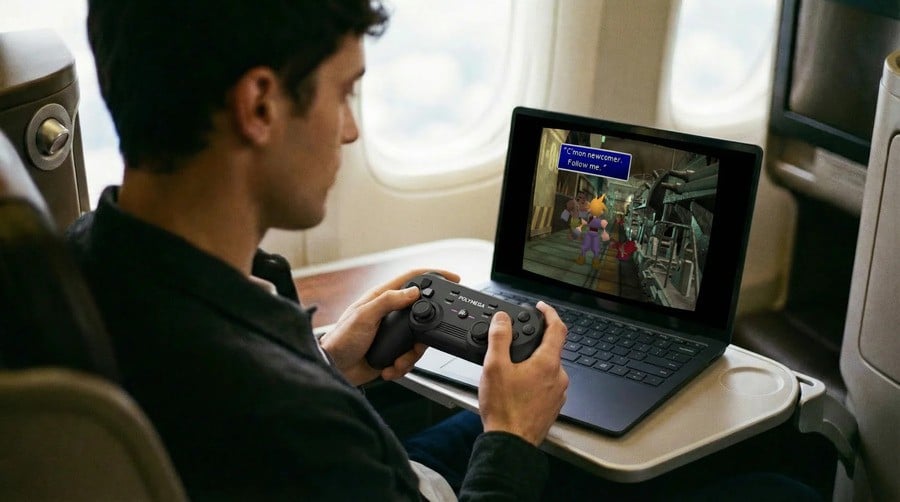
Initially, the Polymega App will support only Windows operating systems. This limits immediate accessibility for users primarily on macOS or Linux, though the mention of Steam Deck compatibility (which runs a Linux-based OS, SteamOS) suggests that Playmaji may have plans for broader OS support in the future, or that specific compatibility layers are being utilized for Steam Deck users.
Broader Impact and Implications for the Retro Gaming Landscape
The introduction of the Polymega Remix marks a pivotal moment for Playmaji and has significant implications for the broader retro gaming community.
For Existing Polymega Owners: The Remix offers a pathway to future-proof their substantial investment in their digitized collections. It provides portability and flexibility, allowing them to enjoy their games on a wider array of devices without being tied to the original, often stationary, console. This move could be seen as a strong show of commitment from Playmaji to its early adopters, ensuring the longevity and utility of their digital libraries.
For New Users and the Retro Gaming Enthusiast: The lower entry cost of £150 significantly reduces the financial barrier to accessing Polymega’s unique approach to retro gaming. It provides a legal and straightforward method for digitizing and playing physical media, appealing to those who value authentic game preservation and wish to move beyond the complexities and legal ambiguities often associated with purely software-based emulation using ROMs. The integration with existing PC hardware also means less clutter and fewer dedicated consoles for many users.
Market Positioning and Competition: The Polymega Remix positions Playmaji in a hybrid space, bridging the gap between dedicated FPGA-based retro consoles (like the Analogue Pocket or MiSTer), which prioritize hardware-level accuracy, and purely software-based emulation. While the Remix still relies on software emulation (albeit proprietary and optimized), its unique selling point remains the streamlined, legal digitization of physical media. This differentiates it from solutions that require users to source ROMs, a practice often fraught with copyright concerns. The move towards PC leverage also puts it in indirect competition with open-source emulation frontends and emulators, but with the added benefit of a user-friendly interface and the physical media digitization component.

The Future of Retro Gaming Preservation: Playmaji’s continued focus on physical media and its digitization tools highlights a growing trend in retro gaming: the desire for legitimate and accessible ways to preserve and play classic titles. As physical media degrades over time and original hardware becomes increasingly rare and expensive, solutions like the Polymega Remix offer a vital bridge between the past and the present, ensuring that iconic games remain playable for future generations. The emphasis on "legal" digitization of owned physical media provides a clear ethical and legal framework for enthusiasts.
The Polymega App, as the central software hub, will be critical to the success of this new ecosystem. Its ability to provide a smooth, intuitive user experience, coupled with robust emulation performance across a variety of PC specifications, will determine how widely the Remix is adopted. The ongoing development of the app, including potential future support for other operating systems beyond Windows, will also shape its long-term viability.
In conclusion, Playmaji’s Polymega Remix, with its imminent shipping date and detailed quick-start guide, represents a bold and calculated move to redefine its presence in the retro gaming market. By embracing the power of the personal computer and offering a more affordable hardware solution, Playmaji aims to make its unique physical media digitization and emulation ecosystem more accessible to a broader audience. While the technical demands for optimal performance, particularly for systems like the Sega Saturn, remain a consideration for users, the Remix offers a compelling new avenue for preserving and enjoying the rich legacy of video game history.