Cecilia Chamidah Nur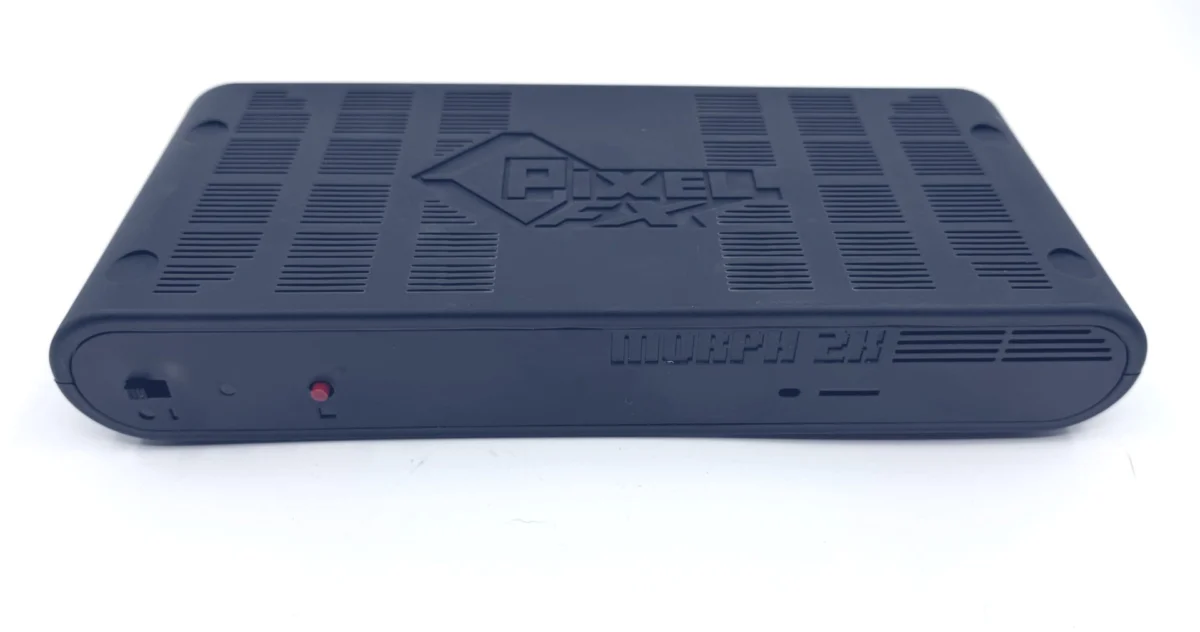
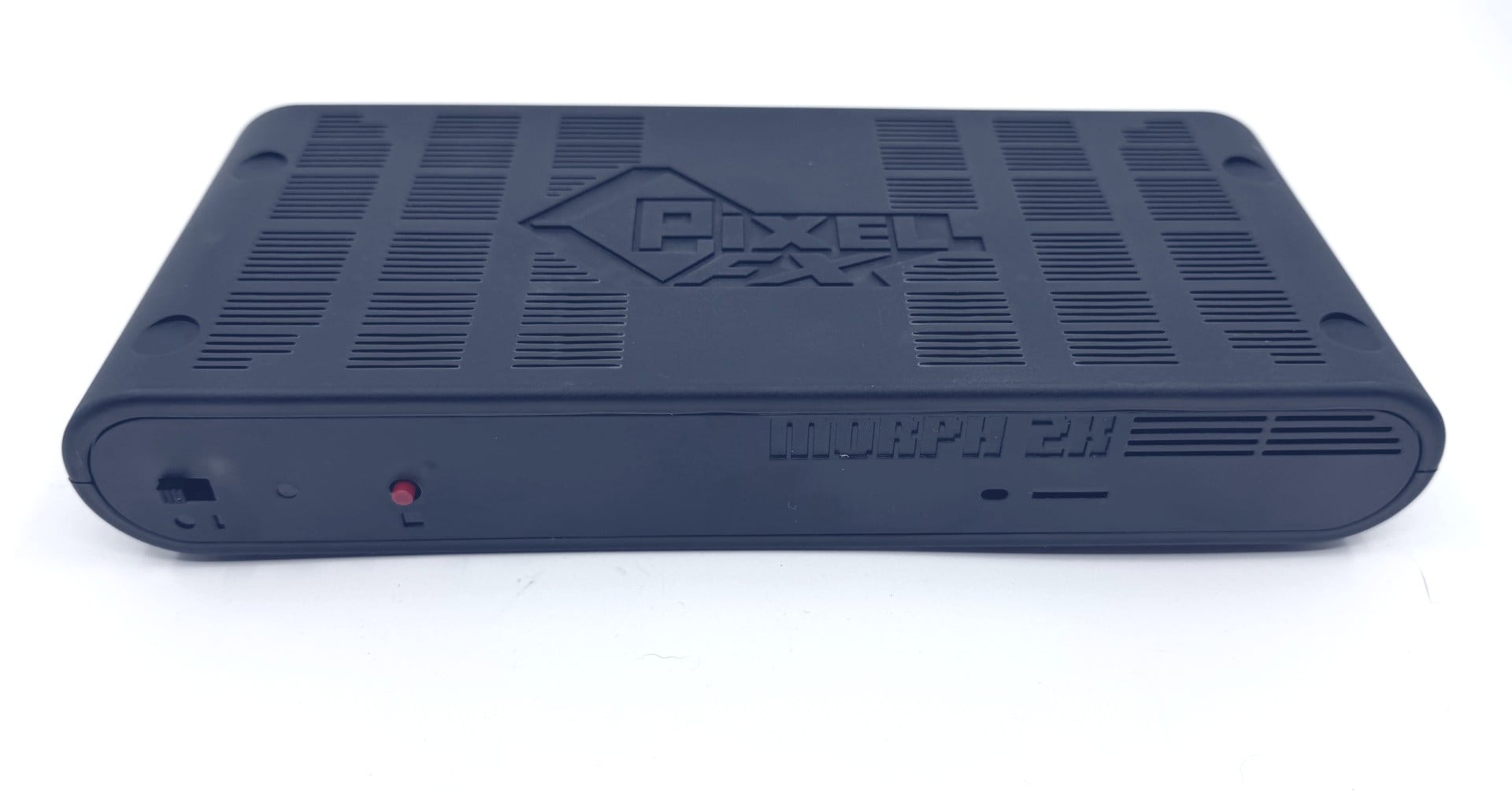
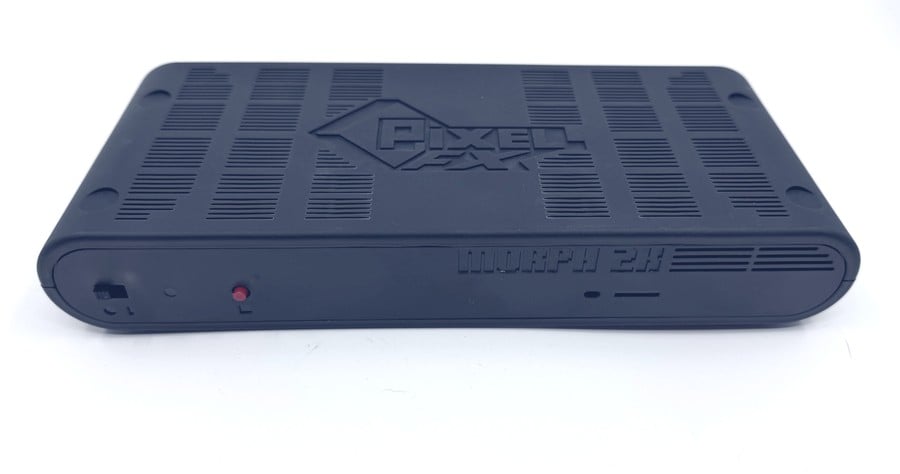
Pixel FX, a prominent innovator in the retro gaming hardware space, has officially announced the Morph 2K, a new video upscaler priced at $199.99. This device is meticulously designed to bridge the technological gap between vintage gaming consoles and contemporary high-definition displays, promising to deliver "top-tier image quality" without the premium cost often associated with advanced upscaling solutions. The announcement, initially detailed in Pixel FX’s April newsletter, signals a strategic move to make high-fidelity retro gaming more accessible to a broader audience.
The Morph 2K distinguishes itself in a burgeoning market by focusing on a crisp 1080p / 60Hz HDMI output. While not venturing into the ultra-high-definition territory of 4K, a specification found in more expensive alternatives like the RetroTINK 4K, the Morph 2K targets the vast majority of retro enthusiasts who prioritize a significant visual upgrade over basic converters without necessarily requiring native 4K output. This positions the Morph 2K as a compelling option for gamers seeking razor-sharp visuals and enhanced performance from their cherished retro hardware within a more budget-conscious framework.
The Evolving Landscape of Retro Gaming Displays
The challenge of connecting classic video game consoles to modern televisions is a well-documented phenomenon within the retro gaming community. Vintage consoles, designed for Cathode Ray Tube (CRT) displays, output analog video signals (like composite, S-Video, or RGB SCART) at standard definitions such as 240p or 480i. Modern flat-panel displays, conversely, operate on digital signals (HDMI) and are optimized for high-definition resolutions (720p, 1080p, 4K, 8K). Directly connecting a retro console to a modern TV often results in a degraded image: blurry visuals, incorrect aspect ratios, noticeable input lag, and sometimes even incompatibility where the TV cannot recognize the signal at all.
For years, retro gamers resorted to various workarounds, from hunting down functional CRTs to employing generic, often low-quality, analog-to-HDMI converters. These early converters frequently introduced significant input lag, artifacts, and poor image scaling, compromising the authentic gaming experience. This gap in the market led to the emergence of specialized video upscalers designed specifically for retro consoles. Companies like Analogue, Micomsoft (with the OSSC), and RetroTINK have pioneered solutions that accurately digitize, deinterlace, and scale retro video signals, preserving pixel fidelity and minimizing latency. These devices range in price and complexity, with high-end models offering 4K output, advanced processing features, and extensive customization, often commanding prices upwards of $300 to $1,000.
The Morph 2K enters this landscape as a solution aimed at the middle ground – offering premium features and performance traditionally associated with higher-priced devices, but at a price point that makes it significantly more approachable than top-tier 4K upscalers. Pixel FX, already known for its high-quality internal console modifications such as the N64Digital and NESRGB, brings its expertise in digital video processing to a standalone external unit.
Technical Prowess and Input Versatility
At its core, the Morph 2K is engineered to handle a wide array of analog video inputs, from the foundational 240p of classic 8-bit and 16-bit systems up to 1080p input from later consoles. This flexibility ensures compatibility with nearly every major console generation predating native HDMI output. The device then converts these diverse signals into a "crisp 1080p HDMI output at 60Hz with full 4:4:4 color." The 4:4:4 color sampling is crucial, indicating that the upscaler processes full chroma information, avoiding the color compression (like 4:2:2 or 4:2:0) that can lead to subtle color degradation and blurring, especially around text and fine details. This commitment to full color fidelity is a hallmark of high-quality video processing.
Pixel FX highlights several proprietary technologies integrated into the Morph 2K:
- Powerful Auto-Sampling: This feature streamlines the setup process by intelligently detecting and locking onto incoming analog video signals, minimizing the need for manual adjustments and making the device more user-friendly for those less technically inclined.
- Magic-Lock (Genlock): Genlock technology ensures stable video synchronization, which is particularly vital for older consoles that often have less precise video timings. This prevents common issues like image tearing, flickering, or dropped frames, providing a rock-solid picture regardless of the console’s original output stability.
- Lossless Color Processing: As mentioned, this ensures that the original color information from the console is preserved throughout the upscaling process, delivering an accurate and vibrant representation of the game’s intended aesthetics.
- Fully Customizable Scaler: While emphasizing ease of use, Pixel FX also caters to advanced users with a fully customizable scaler, allowing fine-tuning of image parameters to suit individual preferences and display characteristics. This blend of accessibility and advanced control is a significant selling point.
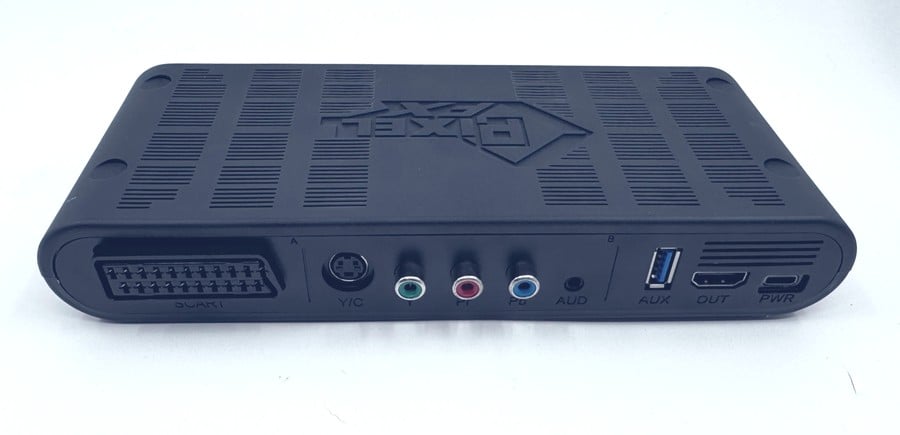
The Morph 2K’s comprehensive input support further solidifies its position as a versatile solution for multi-console setups. It supports:
- Composite Video: The most basic analog signal, common on early consoles like the NES, SNES, Sega Genesis, and PlayStation 1.
- S-Video: A step up from composite, offering better color separation and sharpness, found on systems like the N64, Sega Saturn, and PlayStation 1.
- SCART: A popular European standard for RGB video, delivering the highest quality analog signal for many retro systems, including the SNES, Mega Drive, and Neo Geo.
- Component Video (YPbPr): The highest quality analog standard in North America, prevalent on consoles like the PlayStation 2, Xbox, Wii, and GameCube.
- VGA: Primarily used for PC monitors, but also supported by some consoles like the Dreamcast. For VGA input, an additional $20 VGA2SCART connector is required, which expands the device’s compatibility further.
The inclusion of "dual input paths" simplifies integration into existing setups, allowing users to connect multiple sources without constant cable swapping. Furthermore, Pixel FX states the Morph 2K is ready for "next-generation analog video switches" with its universal SCART input and a USB-A serial control port, hinting at future interoperability with advanced switching devices like the upcoming Infinity Switch, enabling seamless control over complex retro gaming configurations.
Advanced Features for an Enhanced Experience
Beyond its core upscaling capabilities, the Morph 2K incorporates a suite of advanced features designed to elevate the retro gaming experience:
- Ultra Low Latency: A critical factor for competitive and responsive gameplay, the Morph 2K offers both framelock and buffered modes. Framelock mode aims for minimal latency by synchronizing directly with the display’s refresh rate, while buffered modes can offer greater compatibility with tricky signals at a slight latency cost. Pixel FX’s promise of "ultra low latency" is a direct response to a primary concern of serious retro gamers.
- Motion Adaptive Deinterlacing: Many fifth and sixth-generation consoles (e.g., PlayStation 2, Sega Dreamcast, Nintendo GameCube, Xbox) output 480i signals for some games. Deinterlacing is the process of converting interlaced video (where odd and even lines are displayed in alternating fields) into a progressive scan (where all lines are drawn in a single frame). Motion adaptive deinterlacing intelligently analyzes movement between fields to reconstruct full frames more accurately, reducing common artifacts like "combing" and delivering a smoother, cleaner image, especially for games with fast motion.
- Advanced Scanline/CRT Simulation: A highly sought-after feature, this allows users to replicate the distinctive visual characteristics of CRT displays, such as scanlines and aperture grille effects. This isn’t just about nostalgia; many retro games were designed with CRT scanlines in mind, which could mask pixelation or enhance dithering effects. The Morph 2K’s "Slotmask creator" offers deep customization for these simulations, allowing users to fine-tune the appearance to their exact preference, mimicking various CRT types.
- Variable Refresh Rate (VRR) Support and Dynamic Clocking: VRR, a feature increasingly common in modern gaming monitors and TVs, allows the display to dynamically adjust its refresh rate to match the frame rate of the input source. For retro consoles, which often have inconsistent frame rates or non-standard timings, VRR support can lead to a significantly smoother and tear-free experience. Dynamic clocking further aids in stabilizing the signal, adapting to minor variations in the console’s output.
- Built-in WiFi for Easy Firmware Updates and Web UI Control: This modern convenience feature simplifies maintenance and customization. Users can update the device’s firmware wirelessly, ensuring access to the latest improvements and features without needing a direct computer connection. The Web UI control offers an intuitive graphical interface for configuring settings, managing profiles, and accessing live tools, moving beyond the traditional on-screen display (OSD) menus often found in other upscalers.
- Profile Import/Export and SD Card Support: These features enhance user experience by allowing gamers to save and load their preferred settings profiles for different consoles or game genres. SD card support likely facilitates firmware updates, profile management, and potentially other data storage functions, offering flexibility and ease of use.
- USB-A Serial Control Port: As previously mentioned, this port ensures future integration with other retro gaming peripherals, particularly advanced switching solutions, fostering a more interconnected and seamless retro gaming ecosystem.
Market Position and Competitive Edge
The Morph 2K’s pricing at $199.99 places it strategically in the market. It aims to offer a premium experience that significantly surpasses basic $50-$100 converters, while remaining substantially more affordable than high-end solutions like the RetroTINK 4K, which can retail for over $750. The RetroTINK 4K offers true 4K output, advanced HDR features, and extremely granular control, targeting the absolute pinnacle of retro video fidelity. The Morph 2K, by focusing on a meticulously crafted 1080p output, provides what many consider to be the "sweet spot" for retro gaming: excellent image quality that looks fantastic on virtually any modern display, without the diminishing returns or increased cost associated with 4K for pixel art.

This pricing and feature set could make the Morph 2K a highly disruptive force. It offers many of the advanced features previously exclusive to higher-priced units (VRR, motion adaptive deinterlacing, comprehensive scanline options, WiFi control) at a price point that could attract a much larger segment of the retro gaming community. It could serve as an ideal entry point for those looking to upgrade from basic solutions, or as a cost-effective alternative for enthusiasts who don’t necessarily require 4K output but demand high fidelity and advanced features.
Availability and Future Outlook
Pixel FX has outlined a clear timeline for the Morph 2K’s release. Pre-orders for the inaugural production run are slated to commence on June 1st. Following this, units are anticipated to ship within an 8 to 10-week window from the pre-order date. A notable aspect of the release strategy is Pixel FX’s commitment to managing demand: once the initial production batch is sold out, orders will temporarily close until the subsequent batch is ready for shipment. This approach suggests a focus on quality control and ensuring a smooth delivery process, acknowledging the often high demand for specialized retro gaming hardware.
The introduction of the Morph 2K marks another significant step in the continuous evolution of retro gaming hardware. As original CRT displays become increasingly rare and difficult to maintain, high-quality upscalers are not just convenience devices; they are crucial tools for the preservation and enjoyment of video game history. By making an advanced, feature-rich upscaler available at a competitive price, Pixel FX is contributing to the democratization of high-fidelity retro gaming, enabling more enthusiasts to experience their classic titles with the clarity and precision they deserve on modern televisions. The Morph 2K is poised to become a staple for many, embodying the ongoing commitment of specialized manufacturers to enhance and sustain the vibrant culture of retro gaming.