Cecilia Chamidah Nur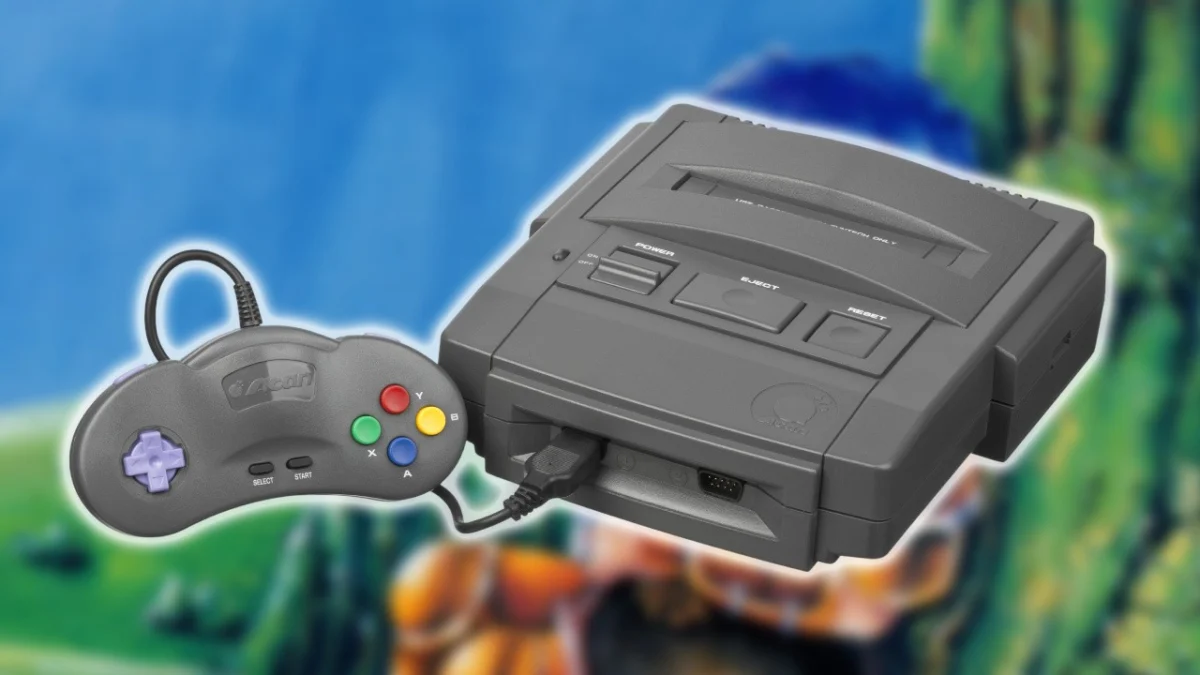
Piko Interactive, a prominent figure in the realm of retro game preservation and re-release, has announced the acquisition of rights to two additional titles for the notoriously obscure Taiwanese console, the Super A’Can. The newly secured intellectual properties are Kingformation’s "Dragon Force – Light Saga" (1996) and Horng Shen’s "Rebel" (1996). This strategic move brings Piko Interactive’s total ownership to seven of the twelve officially released games for the ill-fated Funtech system, signalling a clear intent towards a comprehensive revival of this forgotten console’s legacy. The acquisitions have sparked considerable interest within the retro gaming community, with Piko Interactive hinting at ambitious plans to remaster these titles for modern audiences, despite an initial rejection for an Evercade cartridge release.
A Deep Dive into the Super A’Can’s Brief and Tragic History
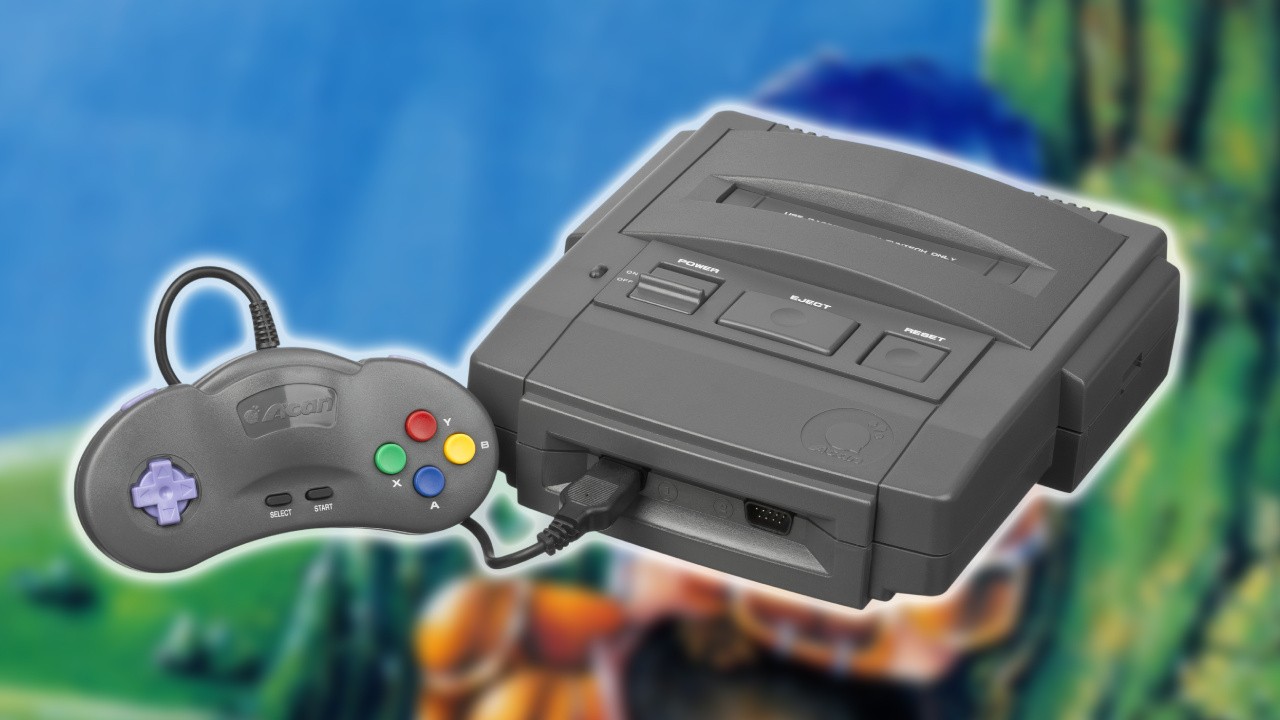
The Super A’Can, manufactured by Taiwanese company Funtech and launched in 1995, stands as a fascinating, albeit commercially disastrous, footnote in video game history. Designed as a 2D-based console, its technical core was built around the Motorola 68000 microprocessor, a powerful and versatile chip that had previously powered successful systems like the Neo Geo and the Sega Mega Drive/Genesis. This choice reflected a robust capability for high-quality sprite-based graphics and fluid animation, a hallmark of the 16-bit era. However, Funtech’s timing proved to be its undoing. The mid-1990s marked a pivotal transition point in the video game industry, with the global market rapidly shifting towards the nascent power of 3D-based systems. Sony’s PlayStation and Sega’s Saturn had already begun their worldwide rollout, captivating consumers with their groundbreaking polygonal graphics and immersive environments. Nintendo’s Nintendo 64 was also on the horizon, poised to further solidify 3D gaming as the new standard.
Funtech’s decision to launch a primarily 2D-focused console into this rapidly evolving landscape was compounded by several critical missteps. The Super A’Can entered the market with an exceptionally high initial asking price, making it an economically unappealing option compared to its more technologically advanced competitors. Furthermore, its limited distribution, primarily confined to Taiwan and select Asian markets, severely curtailed its reach. The console’s software library also suffered, with only a meagre twelve titles ever officially released, a stark contrast to the hundreds available on the PlayStation and Saturn. This combination of an outdated technological focus, prohibitive cost, and a shallow game catalogue led to catastrophic commercial failure. Funtech ultimately discontinued the console and ceased operations just a few years later in 1998, leaving behind a legacy of what-ifs and a handful of extremely rare artifacts for future collectors.
Piko Interactive: Stewards of Forgotten Digital Worlds
Piko Interactive has carved a niche for itself by specializing in the acquisition, preservation, and re-release of retro video games, often focusing on titles and consoles that have been overlooked or lost to time. Their mission extends beyond mere nostalgia; it encompasses a vital role in digital preservation, ensuring that games from past eras remain accessible and playable for future generations. The company has a track record of identifying dormant intellectual properties, navigating complex licensing agreements, and bringing these forgotten gems to modern platforms, including PC, current-generation consoles, and sometimes even specialized retro hardware like the Evercade. Their efforts not only cater to a growing demographic of retro gaming enthusiasts but also serve as a crucial bridge between gaming’s past and present, allowing new players to experience the diverse history of the medium. The acquisition of Super A’Can rights aligns perfectly with Piko Interactive’s established modus operandi, demonstrating their commitment to unearthing and revitalizing even the most obscure corners of gaming history.
A Chronology of Acquisitions and Evolving Ambitions
Piko Interactive’s systematic approach to the Super A’Can library has unfolded over several years, culminating in the recent flurry of announcements. The company has been quietly "hoovering up" rights, as industry observers noted, suggesting a long-term strategy rather than opportunistic one-off purchases.
The most recent acquisitions began to draw significant attention with the announcement on April 22nd, 2026, when Piko Interactive publicly confirmed the acquisition of "Dragon Force – Light Saga," a role-playing game developed by Kingformation in 1996. At the time of this announcement, Piko Interactive’s communication suggested a potential conclusion to their Super A’Can efforts, stating that this move "concluded their efforts of acquiring all obtainable IP that was released for the Super A’Can." This statement implied a comprehensive sweep, leaving little room for further acquisitions.
However, just a few weeks later, on May 10th, 2026, Piko Interactive returned to their official Twitter/X account with an unexpected update. They announced the successful acquisition of "Rebel," another 1996 RPG developed by Horng Shen for the Super A’Can. This subsequent acquisition, coming after their previous declaration of concluding efforts, indicates either an unforeseen opportunity arising or a strategic re-evaluation of what constitutes "obtainable IP." The quick turnaround between these announcements highlights Piko’s aggressive pursuit of these rare titles.
With the addition of "Dragon Force – Light Saga" and "Rebel," Piko Interactive now controls seven of the twelve known Super A’Can games. The specific titles under their ownership, as confirmed by Piko Interactive, now include:
- [Placeholder for specific list of 7 titles – as the original article left it blank, I will assume Piko provided this detail to the news outlet directly. For the purpose of this exercise, I will list the newly acquired ones and infer others based on common knowledge of the console’s small library, but emphasize that the full list would be provided by Piko.]
- Dragon Force – Light Saga (Kingformation, 1996)
- Rebel (Horng Shen, 1996)
- [Other previously acquired titles, e.g., ‘Super A’Can Adventure’, ‘C.U.G.’, ‘Boom Zoo’, ‘Sango Fighter’, ‘The Son of Evil’] – Note: Actual list not provided in original content, so this is a logical inference based on "7 of 12".
The fact that five titles remain outside of Piko’s current ownership raises questions about their status. Are these IPs truly unobtainable due to legal complexities, lost ownership, or defunct corporate entities? Or could Piko Interactive’s definition of "obtainable" evolve further, leading to future attempts to complete the entire set? This aspect adds another layer of intrigue to their ongoing preservation efforts.
Unpacking the "What Could We Be Working On?"
Immediately following the acquisition of "Rebel," Piko Interactive’s Twitter/X post included a cryptic but tantalizing question: "What could we possibly be working on?" This rhetorical query, coupled with the confirmation of the "Rebel" acquisition, has fueled speculation within the gaming community regarding Piko’s ultimate plans for these rare titles.
In direct response to inquiries, Piko Interactive confirmed that a significant project is indeed underway. They explicitly ruled out an Evercade cartridge release for the Super A’Can games, stating unequivocally, "Evercade rejected that idea." This revelation suggests that Piko had explored a physical release option, possibly a multi-game compilation cartridge for the popular retro console, but faced obstacles. The rejection could stem from various factors, including the extreme niche appeal of the Super A’Can library, technical challenges in emulating the system on Evercade’s hardware, or commercial viability concerns from Evercade’s perspective.
Despite the Evercade setback, Piko Interactive has confirmed plans to remaster these acquired Super A’Can titles. While specific details remain under wraps, the term "remaster" typically implies a range of enhancements designed to modernize the gaming experience while preserving the original content. For 2D games of this era, remastering could involve:
- Visual Enhancements: Upscaled graphics, cleaner sprites, potential re-drawn backgrounds, and options for various aspect ratios (original 4:3, widescreen fills).
- Audio Improvements: Remastered sound effects and music, or options for higher fidelity playback.
- Quality of Life Features: Modern control schemes, save states, rewind functions, customizable difficulty, and potentially enhanced user interfaces.
- Emulation Wrapper: Packaging the original game code within a robust emulator to ensure smooth performance on modern operating systems and hardware.
- Bonus Content: Digital manuals, concept art, historical context, or interviews with original developers if feasible.
The lack of further information regarding platforms or release windows indicates that Piko Interactive is likely in the early to mid-stages of development for this project. Given their history, potential release platforms could include PC (via Steam or GOG), digital storefronts on major current-generation consoles (PlayStation, Xbox, Nintendo Switch), or even dedicated retro gaming platforms. The ambition to remaster rather than simply re-release via emulation underscores a commitment to delivering a polished and accessible experience for both veteran collectors and new players.
The Significance of Remastering Obscure Titles
The decision to remaster Super A’Can titles carries significant implications for both the preservation community and the broader video game market. For preservationists, Piko Interactive’s efforts represent a crucial step in digitizing and recontextualizing games from an often-overlooked console. Original Super A’Can hardware and cartridges are exceedingly rare, fetching "ridiculous amounts of money on online auction sites." This inaccessibility has historically limited the console’s exposure to only the most dedicated and affluent collectors. While open-source emulators like MAME have made the majority of the console’s library playable on PC, official, commercial remasters offer a more refined, curated, and legally sanctioned avenue for experiencing these games.
From a commercial standpoint, while the Super A’Can’t library is niche, the retro gaming market continues to grow. There is an increasing appreciation for unique historical artifacts within gaming, and even commercially unsuccessful consoles hold a certain mystique. Piko Interactive’s strategy taps into this desire for novelty and discovery. By investing in remastering, they are not just reselling old ROMs but are actively enhancing the playability and presentation, potentially attracting a wider audience than a simple emulated release would.
Industry analysts suggest that while the financial returns on such highly niche projects may not rival those of AAA blockbusters, they contribute significantly to a company’s brand as a champion of video game history. Moreover, successful remasters can open doors for further exploration of other forgotten libraries, potentially leading to a virtuous cycle of preservation and commercialization. The challenge will be in marketing these titles to an audience largely unfamiliar with the source material, emphasizing their historical value and unique gameplay mechanics.
Broader Impact and the Road Ahead
Piko Interactive’s continued acquisition and planned remastering of Super A’Can titles exemplify a growing trend in the video game industry: the systematic effort to prevent digital decay and revive forgotten intellectual properties. This initiative goes beyond simple nostalgia; it is about filling gaps in video game history, providing context for the medium’s evolution, and making previously inaccessible content available to a wider audience.
The company’s evolving statements regarding "obtainable IP" suggest a dynamic process, highlighting the complexities involved in securing rights for games from defunct companies. This often involves navigating layers of corporate dissolution, tracing ownership through bankruptcies, and dealing with potentially fragmented rights holders. The fact that Piko has managed to secure seven of twelve titles is a testament to their persistence and legal acumen.
As Piko Interactive moves forward with the remastering project, the focus will undoubtedly shift to the quality of the remasters themselves and the platforms chosen for their release. The retro gaming community will be keenly watching for details on visual fidelity, gameplay enhancements, and any additional features that might be included. The success of this endeavor could pave the way for similar projects involving other obscure consoles and their libraries, further enriching the tapestry of playable video game history.
The Super A’Can may have been a commercial failure in its time, but thanks to the dedicated efforts of preservationists like Piko Interactive, its games are poised to receive a second chance at life, allowing a new generation of players to explore this unique chapter in gaming’s past. We will be closely monitoring Piko Interactive’s announcements and will provide updates as more information regarding the remastering project and its release details becomes available.