Farhan hamdan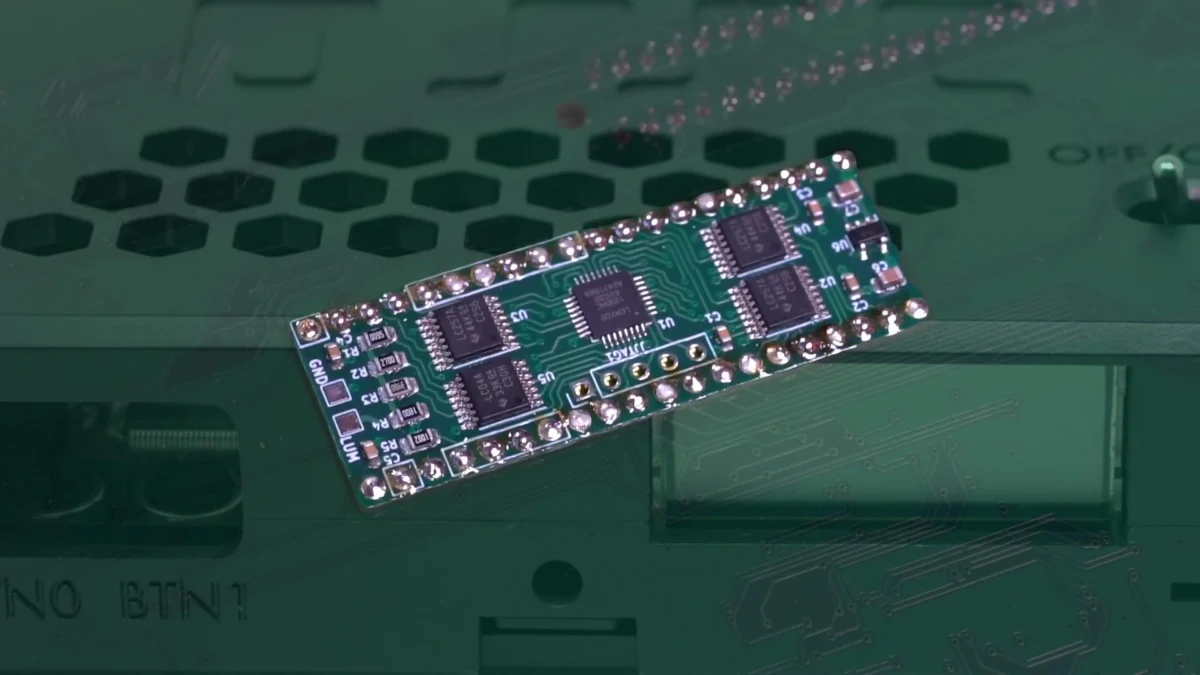
A significant advancement for retro gaming enthusiasts has emerged with the release of a pre-configured profile and comprehensive setup guide designed to simplify the integration of the Open Source Scan Converter (OSSC) with Lumacode-modded Nintendo Entertainment System (NES) and Famicom consoles. This development promises to make achieving optimal video output for these classic 8-bit systems on modern displays remarkably straightforward for users whose hardware meets specific, yet accessible, prerequisites. The initiative, spearheaded by prominent figures within the retro gaming hardware community, targets a common pain point: the often complex and time-consuming process of manually configuring scan converters to achieve pristine, lag-free visuals from vintage consoles. By distilling intricate technical settings into a ready-to-use profile, the project aims to democratize access to a superior retro gaming experience, inviting more players to enjoy the NES and Famicom as they were meant to be seen, but with the clarity and precision of contemporary display technology.
The Nexus of Retro Innovation: OSSC and Lumacode
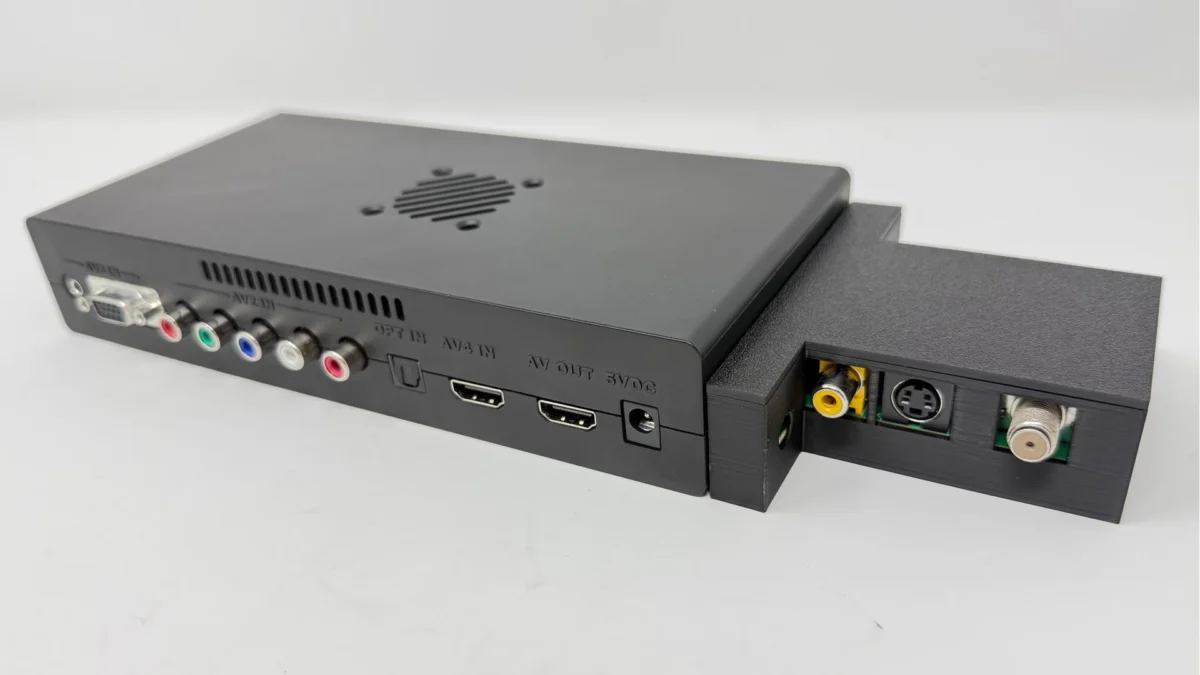
To fully appreciate the impact of this new profile, it is essential to understand the roles of both the Open Source Scan Converter and the Lumacode modification. The OSSC, first introduced to the market around 2016, rapidly became a cornerstone device for retro gamers. Developed by community engineers, it is an open-source video processor designed to take analog video signals from classic game consoles (such as RGB, YPbPr, and RGsB) and convert them into a digital HDMI signal. Unlike conventional upscalers or AV receivers, the OSSC focuses on line doubling and multiplication, preserving the original pixel structure and aspect ratio without introducing noticeable input lag, a critical factor for competitive or rhythm-based games. Its strength lies in its ability to generate pixel-perfect, progressive scan images (e.g., 480p, 720p, 960p, 1080p, or even 1200p) from interlaced or low-resolution progressive sources, effectively bridging the gap between vintage hardware and high-definition televisions. The OSSC’s open-source nature has fostered continuous community development, leading to frequent firmware updates and hardware revisions that expand its compatibility and enhance its performance.
The Lumacode modification, on the other hand, is a specific hardware alteration applied directly to the NES or Famicom console itself. Developed by c0pperdragon, a respected engineer in the retro hardware scene, Lumacode addresses the inherent limitations of the NES’s original video output. The stock NES typically offers composite video, which is notorious for its blurry image, color bleeding, and "jailbar" interference patterns, particularly on modern displays. While various RGB mods have existed for the NES, the Lumacode mod stands out for its unique approach to generating a clean, high-quality RGB signal directly from the console’s Picture Processing Unit (PPU). This mod bypasses the console’s internal analog video circuitry, which is often a source of noise and signal degradation, to provide an exceptionally crisp and vibrant image. The "Luma" in Lumacode refers to the brightness component of the video signal, which is carefully processed to ensure maximum clarity and fidelity, leading to a video output that far surpasses the console’s original capabilities. The marriage of a Lumacode-modded NES with an OSSC represents the zenith of NES video quality for many enthusiasts, offering unparalleled sharpness, color accuracy, and lag-free performance on contemporary screens.
A Simplified Path to Pristine Retro Gaming
The core benefit of this newly released pre-configured profile is its ability to eliminate the trial-and-error often associated with OSSC setup. Historically, achieving optimal settings for specific console-mod combinations could involve navigating a labyrinth of timing parameters, sampling rates, line multiplication options, and input configurations within the OSSC’s menu system. For newcomers, or even seasoned users venturing into new hardware configurations, this process could be daunting and time-consuming. The pre-configured profile, available for download and easy implementation, automates these complex adjustments. Users can now simply load the profile onto their OSSC, effectively instantly applying the precise settings necessary to perfectly interpret and upscale the Lumacode-modded NES’s unique video output. This simplification is not merely a convenience; it is a crucial step in making high-fidelity retro gaming more accessible, reducing the technical barrier that often prevents wider adoption of advanced setups. The associated setup guide provides clear, step-by-step instructions, ensuring that even those with limited technical expertise can follow along and achieve excellent results.
Crucial Prerequisites for Seamless Integration
While the new profile significantly simplifies the configuration process, several crucial prerequisites must be met to ensure its successful implementation. These requirements underscore the ongoing evolution of retro hardware enhancement and the importance of updated components for optimal performance.
Firstly, and most obviously, the user must possess an NES or Famicom console that has undergone the Lumacode modification. Without this specific internal modification, the console will not output the specialized video signal that the profile is designed to process. The Lumacode mod itself is a detailed hardware intervention, typically involving soldering and careful component placement, and is often performed by experienced modders or enthusiasts comfortable with intricate electronics work. Resources such as interviews with c0pperdragon, the creator of Lumacode, provide extensive details on the mod’s technical aspects and its benefits.

Secondly, the Open Source Scan Converter unit must be running firmware version v1.21 or higher. Firmware updates are a routine part of the OSSC ecosystem, frequently introducing new features, improving compatibility with various consoles, and enhancing stability. Version 1.21 is particularly significant in this context as it likely contains specific code or timing definitions necessary to correctly interpret the Lumacode’s output, or to unlock new processing capabilities that synergize with it. Keeping OSSC firmware up to date is generally recommended for all users, as it ensures access to the latest optimizations and bug fixes. The process of updating OSSC firmware typically involves connecting the device to a computer and flashing the new software, a relatively straightforward procedure for most users.
Finally, the hardware revision of the OSSC unit itself plays a role in supporting the v1.21 firmware. Specifically, the latest v1.8 OSSC hardware revision natively supports this firmware without any additional modifications. However, users with older OSSC hardware revisions (prior to v1.8) are not left out. These units can also run the v1.21 firmware, but they require a minor hardware modification. This modification involves the removal of one surface-mount device (SMD) resistor and the addition of one wire. While this might sound technically challenging, particularly given the small size of SMD components, it is generally considered manageable for individuals with basic soldering skills and appropriate tools. This backward compatibility demonstrates the OSSC community’s commitment to supporting its user base, ensuring that even older hardware can benefit from the latest software advancements, albeit with a minor upgrade path. Details on this specific hardware mod, including visual guides and instructions, are readily available through community resources and official documentation.
A Timeline of Retro Gaming Refinement
The journey to this streamlined OSSC-Lumacode integration is a testament to years of community-driven innovation in retro gaming:
- Early 2010s: The burgeoning retro gaming scene grapples with connecting vintage consoles to modern displays, facing issues of input lag, blurry visuals, and aspect ratio distortions. Early solutions include custom CRTs, expensive professional scalers, or direct RGB mods for specific consoles.
- 2016: The Open Source Scan Converter (OSSC) is released. Its open-source nature, community support, and focus on lag-free line doubling quickly establish it as a popular and accessible solution for upscaling analog console signals to HDMI.
- 2017-Present: Continuous OSSC firmware updates and hardware revisions are released, expanding compatibility, improving signal processing, and adding new features based on community feedback and evolving technical needs. This includes enhancements to timing modes and input handling.
- Late 2010s / Early 2020s: The Lumacode mod for the NES/Famicom, developed by c0pperdragon, gains prominence. It addresses specific PPU output limitations, providing an exceptionally clean RGB signal, distinguishing itself from earlier, often noisier, NES RGB mods.
- Throughout: The retro modding community, including content creators like Tito from Macho Nacho Productions and Bob from RetroRGB, consistently produce detailed guides, videos, and interviews, demystifying complex technical processes and showcasing new innovations. These platforms serve as vital hubs for knowledge sharing and community engagement.
- Recent Past: Development culminates in OSSC firmware v1.21, which includes specific optimizations or compatibility layers crucial for the Lumacode’s unique signal. Concurrently, OSSC hardware revision v1.8 is released, offering native support for these latest firmware features, while providing a clear upgrade path for older hardware.
- Present: The release of the pre-configured profile and setup guide, marking a significant milestone in making the synergistic power of OSSC and Lumacode accessible to a wider audience, streamlining a previously complex setup into an easy, plug-and-play experience.
Industry Reactions and Broader Implications
While no formal statements from large corporations are expected, the retro gaming hardware community’s reaction is overwhelmingly positive. Figures like Bob from RetroRGB, a prolific advocate for high-quality retro gaming, have actively promoted such solutions, often stating the importance of ease of use for wider adoption. The creation of such profiles underscores the community’s commitment to perfecting the retro experience, ensuring that historical gaming artifacts can be enjoyed with contemporary fidelity without requiring an engineering degree. It reflects a collaborative spirit where developers, modders, and content creators work in tandem to solve common challenges.
From a user’s perspective, this development is a clear win. It democratizes access to what was once a niche, expert-level setup. Retro gaming enthusiasts, often keen on preserving the authenticity of their gaming experiences, will appreciate the ability to achieve pixel-perfect images without the headache of manual calibration. This ease of use could encourage more NES owners to consider the Lumacode mod, knowing that the final step of display integration is now simplified.
The broader implications extend to the growing ecosystem of retro gaming. Specialized retailers who sell OSSC units and offer modding services for consoles like the NES will find it easier to support their customers, as troubleshooting complex OSSC settings for Lumacode mods will be significantly reduced. This could potentially drive increased demand for both the OSSC and Lumacode modification services. Furthermore, content creators who demonstrate retro gaming setups will have a clearer, more reproducible "best practice" to showcase, further standardizing high-quality retro video output.
This initiative also highlights the continued innovation within the retro hardware scene. Far from being a static hobby, retro gaming is a dynamic field where passionate individuals constantly push the boundaries of what’s possible, ensuring that classic games not only survive but thrive in the modern era. The ongoing development of open-source projects like the OSSC, coupled with ingenious console modifications like Lumacode, demonstrates a vibrant commitment to preserving and enhancing gaming history. The release of this pre-configured profile serves as a model for future collaborations, potentially leading to similar simplified setups for other consoles and mods, further solidifying the bridge between past and present gaming technologies. As technology continues to advance, such community-driven efforts will remain vital in ensuring that the rich legacy of video games remains accessible and enjoyable for generations to come.