Johny Imanuel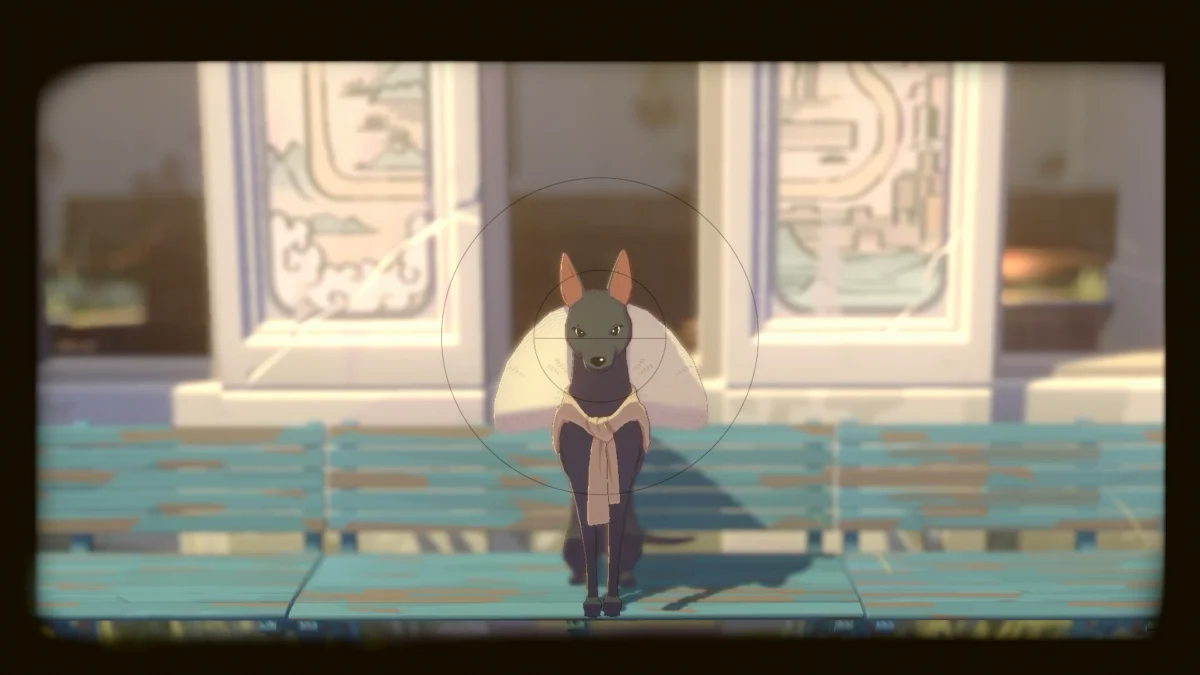
Developed by the Taiwanese independent studio Sigono, this latest entry in the acclaimed Opus series continues the developer’s tradition of crafting narrative-driven experiences that delve into the complexities of human existence, memory, and emotional resonance. As the fourth major installment in a franchise known for its melancholic yet hopeful storytelling, the title positions itself as a technical and narrative evolution over its predecessors, OPUS: The Day We Found Earth, OPUS: Rocket of Whispers, and OPUS: Echo of Starsong. The game is currently available across multiple platforms, including the PC via Steam, the Nintendo Switch, and the recently launched Nintendo Switch 2, marking one of the first indie titles to provide specific performance data for Nintendo’s updated hardware.
Narrative Framework and Character Archetypes
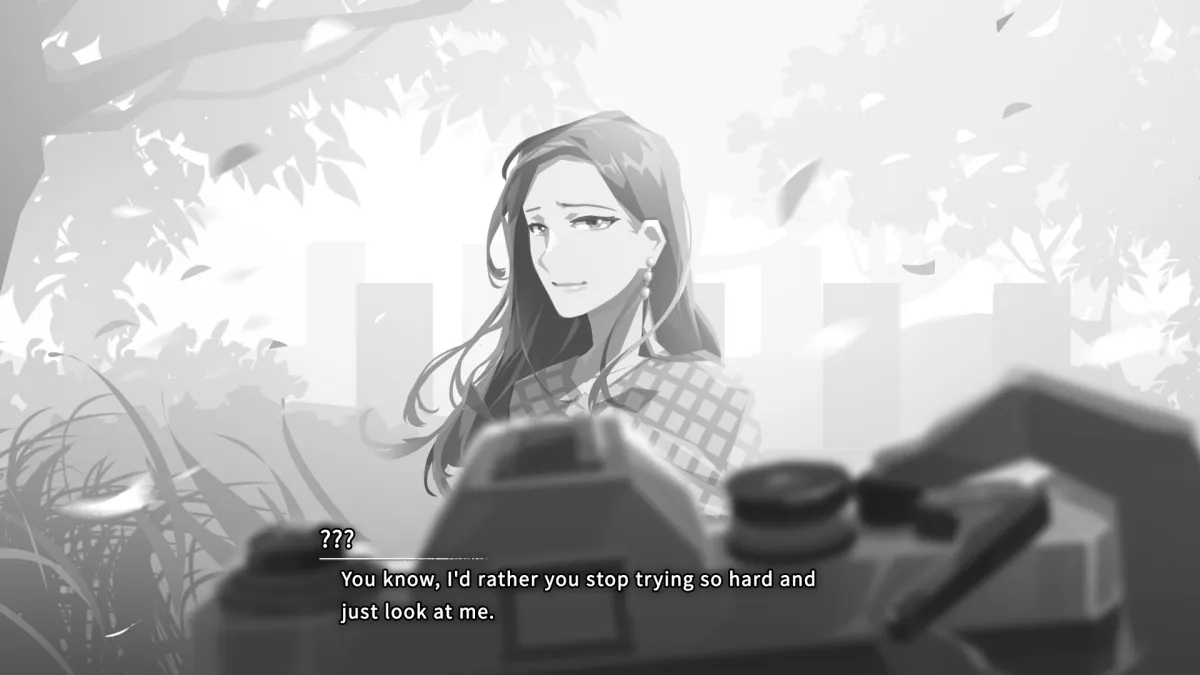
The story of OPUS: Prism Peak centers on Eugene, a protagonist whose life is defined by a series of professional and personal failures. The narrative begins with a retrospective of Eugene’s formative years, establishing a chronological foundation that begins when he is five years old. Raised primarily by his grandfather—a professional photographer—Eugene’s early life was spent navigating the dense forests of a mountain region. This period served as his apprenticeship, during which he was taught the technical nuances of photography and the philosophical importance of "capturing the moment."
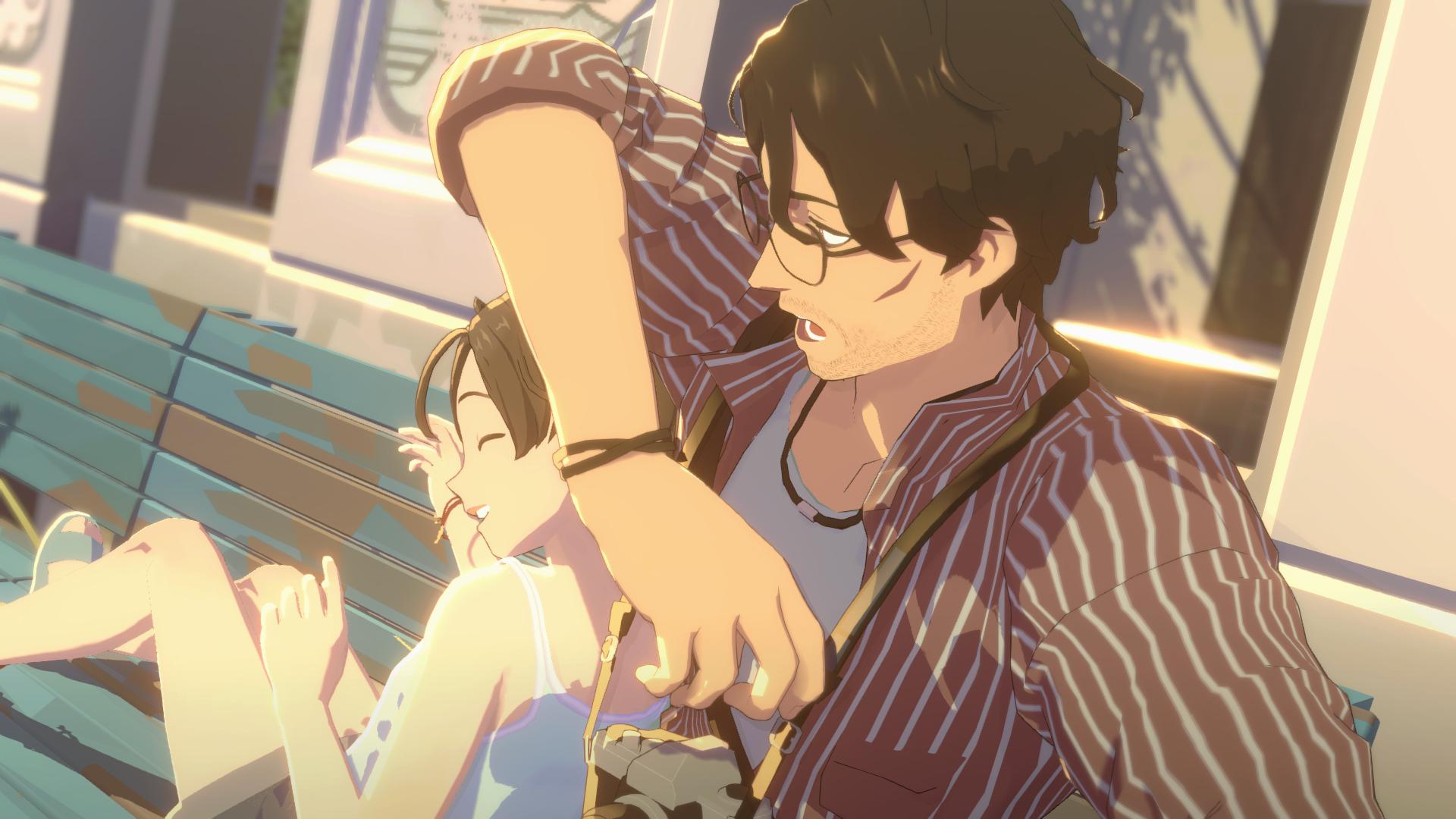
However, the transition into adulthood proved difficult for Eugene. The narrative outlines a string of setbacks: the dissolution of a metropolitan company he worked for, the bankruptcy of a private cafe venture launched with a close friend, and the eventual breakdown of his marriage. Following the mysterious disappearance of his grandfather, Eugene is depicted at his lowest point, having sold his inherited camera—his last remaining link to his past—while returning to his childhood home to attend a funeral for his still-missing patriarch.
The inciting incident occurs when Eugene is involved in an accident within a mountain tunnel, a sequence that transitions the game from a grounded drama into a supernatural exploration. Upon emerging, Eugene finds himself in a realm that mirrors his childhood home but is devoid of human life, populated instead by spirits and "Shades." He soon encounters Ren, a child suffering from amnesia, and the two form a symbiotic relationship as they navigate this liminal space.
Chronological Development of the Protagonist
To understand the emotional stakes of OPUS: Prism Peak, it is necessary to examine the timeline of Eugene’s life as presented through the game’s "Memory" mechanics:
- Ages 5–12 (The Apprenticeship): Eugene learns the art of photography under his grandfather’s tutelage. This period establishes the core gameplay mechanics, as players learn the importance of lighting and composition.
- Early Adulthood (The City Years): Eugene moves to an urban center to pursue a career in commercial photography. This era ends in corporate failure as his employer ceases operations.
- Mid-Adulthood (The Entrepreneurial Failure): Eugene attempts to pivot into the hospitality industry by opening a cafe. The venture fails due to financial instability, leading to the departure of his spouse.
- The Present (The Return): Eugene returns to the mountains for his grandfather’s memorial. The sale of his camera signifies a total abandonment of his identity before the supernatural accident occurs.
Gameplay Architecture and Photography Simulation
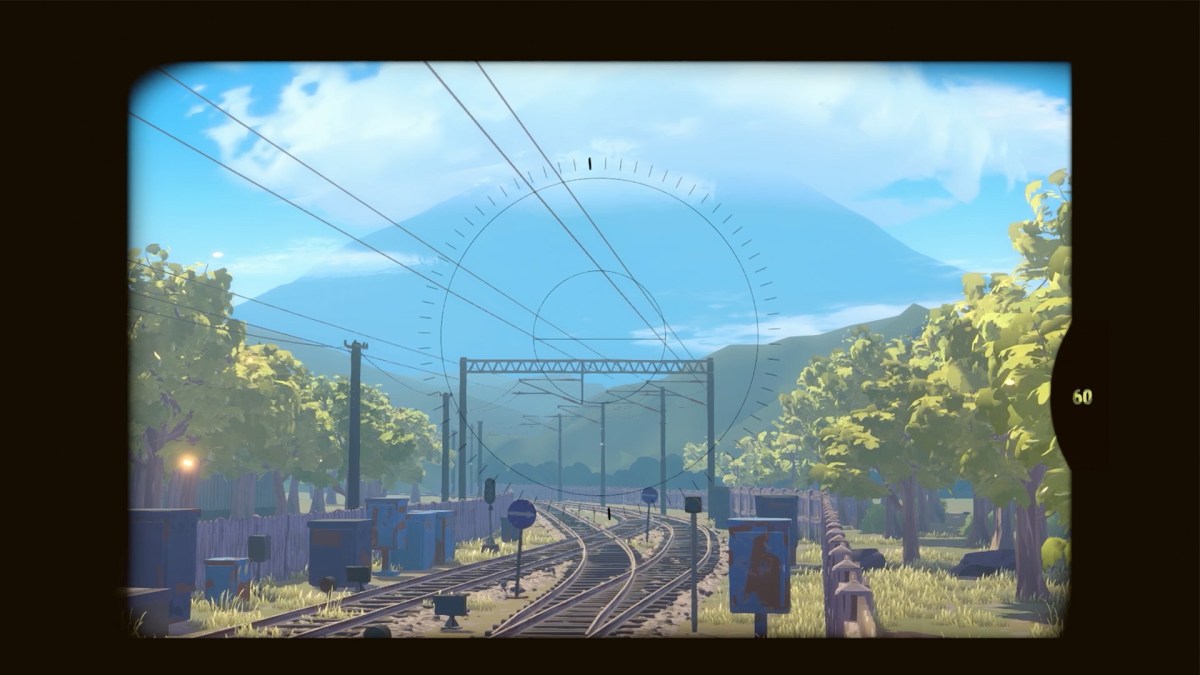
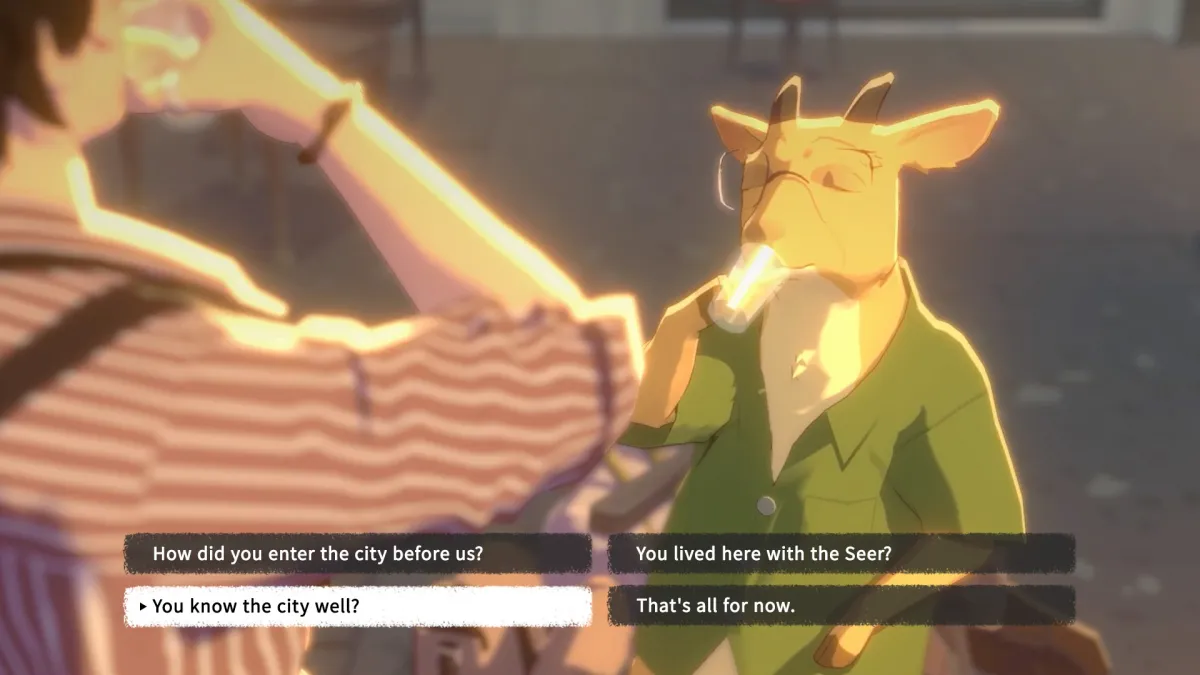
The gameplay of OPUS: Prism Peak is bifurcated into two primary modes: point-and-click exploration and a high-fidelity photography simulator. While earlier titles in the series utilized side-scrolling or top-down perspectives, this installment employs a hybrid approach. Players navigate environments in the third person to interact with Ren and various animal spirits, but the perspective shifts to first-person when Eugene utilizes his camera to document the world.
The photography mechanics are significantly more robust than those found in contemporary "photo mode" features in other games. Sigono has implemented a system that requires players to manage several technical variables to progress:
- Exposure and Contrast: Players must manually adjust for lighting conditions to ensure that supernatural entities are visible in the frame.
- Lens Selection and Focus: Different lenses are required for capturing distant landscapes versus intimate portraits of spirits.
- Shutter Stability: In certain high-tension sequences, such as when being pursued by a "Shade," the player’s ability to keep the camera steady is tested.
- Environmental Interaction: The "Firebowl" challenges require players to use their photographic skills to trigger environmental changes, necessitating a deep understanding of the intersection between color contrast and spirit energy.
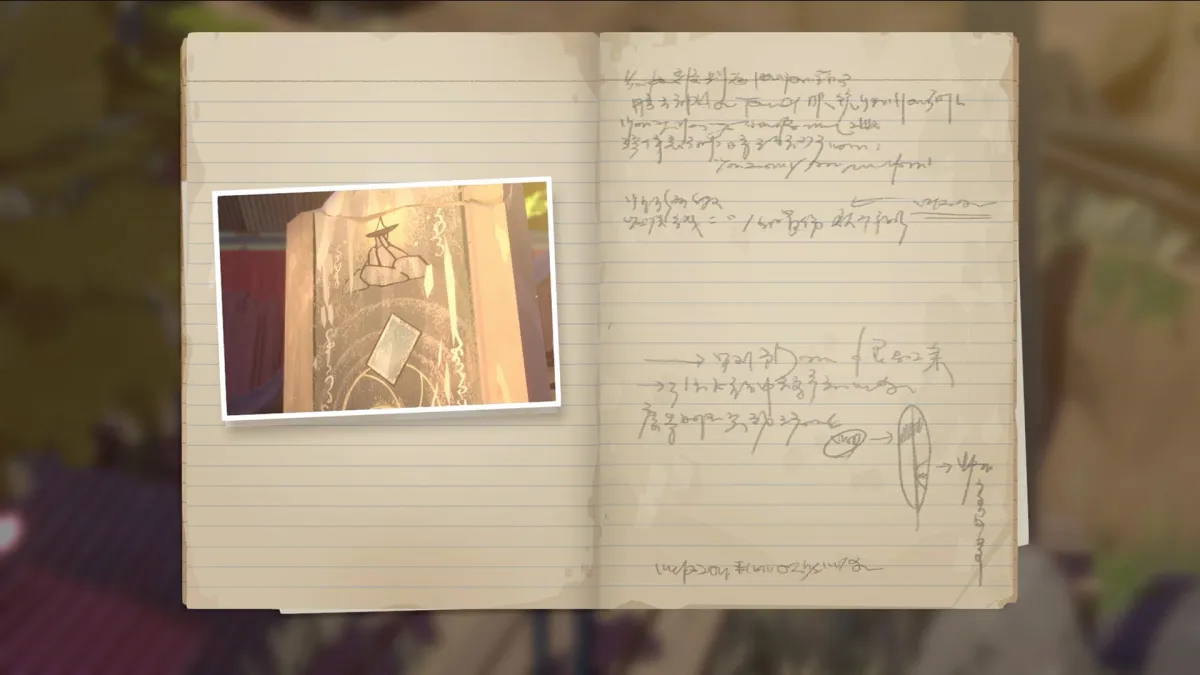
The game also incorporates a field guide system. As Eugene captures images of the various spirits and landmarks, he unearths lost memories that provide context to his current predicament. This feedback loop ensures that the act of photography is not merely cosmetic but is the primary engine of narrative progression.
Technical Performance and Platform Analysis
The release of OPUS: Prism Peak on the Nintendo Switch 2 has provided an early look at how indie developers are utilizing the new hardware’s capabilities. Initial reports and gameplay analysis indicate a divergence in performance between the original Switch and its successor.
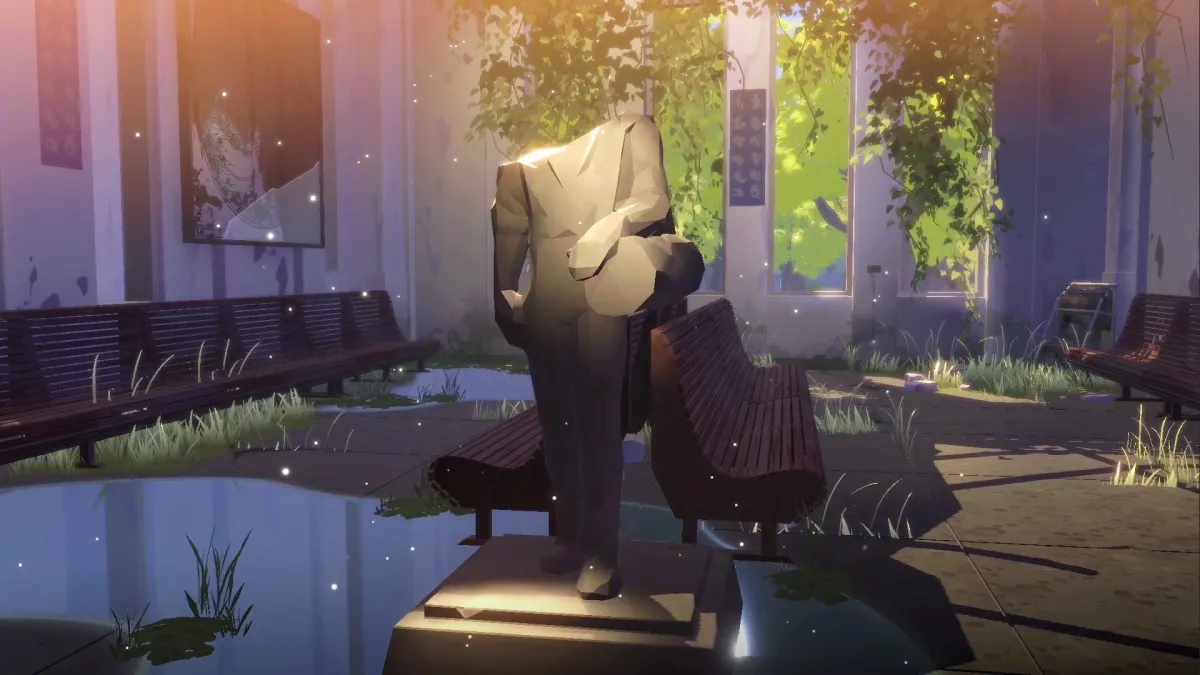
On the standard Nintendo Switch, some players have noted framerate fluctuations during transition sequences between the third-person exploration and the first-person photography modes. In contrast, the Switch 2 version offers a more stable experience, particularly when docked. The higher resolution of the Switch 2 allows for finer detail in the photography segments, making it easier for players to identify small "icons of interest" within the environment.
However, the game is not without its technical hurdles. Early adopters have reported issues with the visibility of paths during "Shade" pursuit sequences when playing in handheld mode. The darkness levels in these segments can occasionally obscure the intended route, leading to repeated failures. Additionally, the current build of the game utilizes an autosave-only system tied to a chapter-based structure. This design choice has been met with some criticism, as it prevents players from manually saving before key narrative choices, potentially forcing a full replay of chapters to see alternative endings.
Developer Response and Future Roadmap
In response to player feedback regarding technical performance and quality-of-life features, Sigono has issued an official statement via their Steam community hub. The developer acknowledged the difficulties some players faced with the save system and the visual clarity of certain pursuit sequences.
"We are closely monitoring player feedback regarding the visual performance on the Switch 2 and the demand for more flexible save options," the statement read. "Our team is currently working on an update aimed at optimizing 100% completion runs and refining the visual cues in darker environments to ensure a smoother experience for all players."
The promised updates are expected to include:
- Optimization of framerates for the base Nintendo Switch model.
- Adjustments to the lighting and contrast in "Shade" pursuit levels to improve pathfinding.
- Refinements to the chapter select menu to facilitate easier access to missed collectibles.
Broader Impact and Industry Implications
The release of OPUS: Prism Peak highlights several growing trends within the independent gaming sector. First, it underscores the continued success of the "emotional narrative" sub-genre, which prioritizes thematic depth and character growth over traditional combat-oriented gameplay. Sigono’s ability to maintain a consistent brand identity across four games has solidified their position as a leading voice in East Asian game development.
Second, the game’s focus on photography as a core mechanic aligns with a broader industry interest in "non-violent interaction" games. By turning the camera into a tool for reconciliation and memory retrieval, OPUS: Prism Peak follows in the footsteps of titles like Umurangi Generation and TOEM, though it leans more heavily into the "walking simulator" and "visual novel" traditions.
Finally, the game serves as a case study for the transition between hardware generations. As developers begin to bridge the gap between the original Switch and the Switch 2, OPUS: Prism Peak demonstrates that while the new hardware provides a clearer canvas for artistic expression, optimization across different tiers of hardware remains a critical challenge for small studios.
Ultimately, OPUS: Prism Peak is designed as a meditative experience. It demands that the player adopt Eugene’s perspective—slowing down to observe the environment, considering the weight of past decisions, and choosing between optimism and pessimism when interacting with the world. The title reinforces the idea that interactive media can serve as a profound tool for exploring the human condition, provided the audience is willing to invest the time required for such a deliberate pace.