Johny Imanuel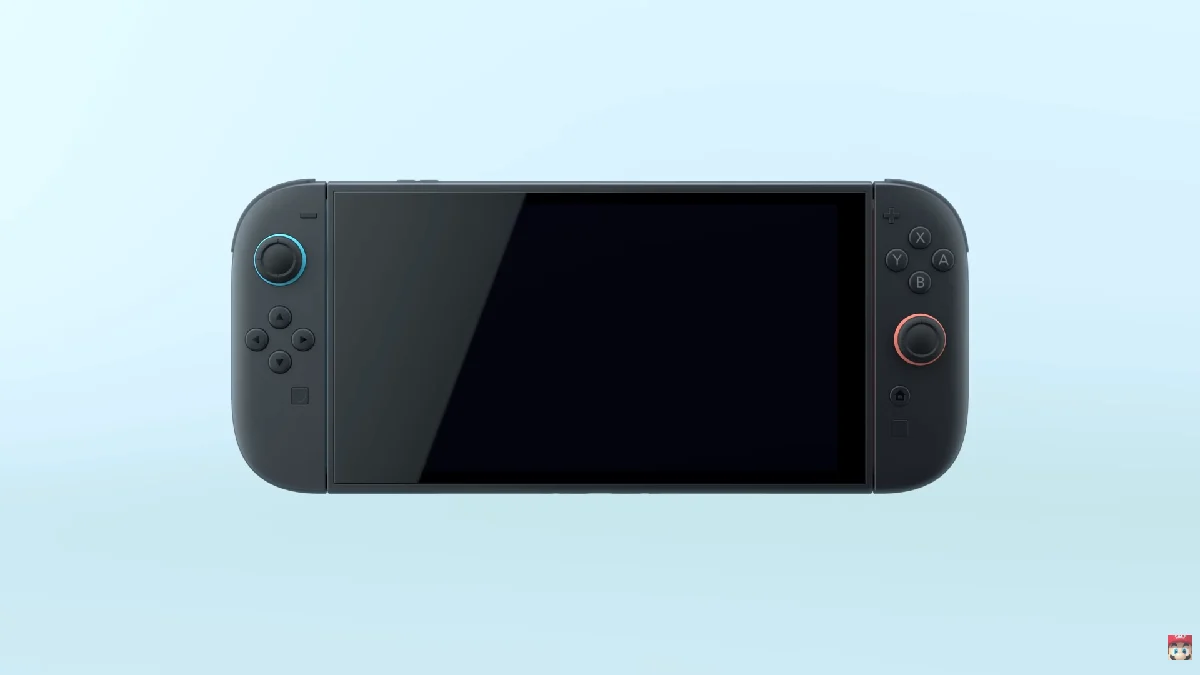
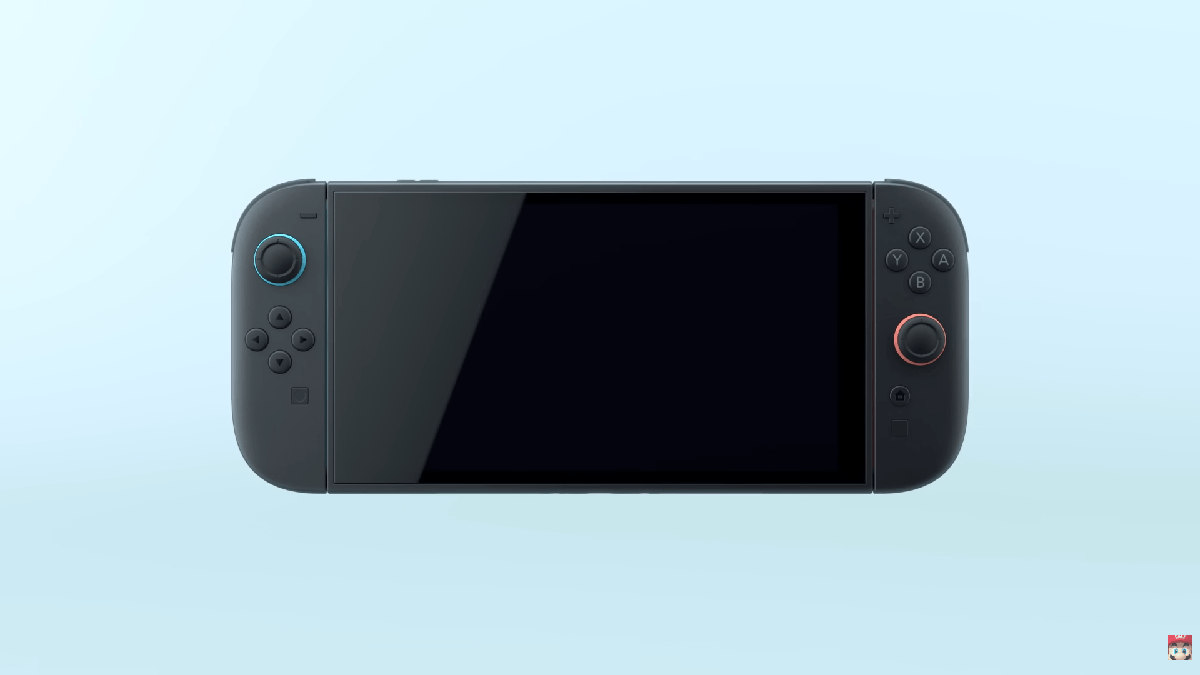
In a significant shift for the consumer electronics industry, Nintendo has officially confirmed the development of a revised Nintendo Switch 2 model specifically designed to allow users to safely and independently replace lithium-ion batteries in both the main console unit and the detachable Joy-Con controllers. This announcement comes as a direct response to evolving international regulatory standards, specifically those enacted within the European Union, which aim to enhance product longevity, reduce electronic waste, and bolster consumer "Right to Repair" protections. While the initial rollout of this hardware revision is slated for the European market, the implications of this design change are expected to resonate globally, potentially altering Nintendo’s manufacturing and maintenance protocols in North America and Japan.
The Regulatory Framework: EU Battery Regulation 2023/1542
The catalyst for Nintendo’s design pivot is a comprehensive regulation adopted by the Council of the European Union in July 2023. This legislation, known as the EU Battery Regulation, seeks to manage the entire lifecycle of batteries—from the sourcing of raw materials to disposal and recycling. A key provision within this mandate dictates that by 2027, all portable batteries in appliances, including handheld gaming consoles, must be designed so that they can be "removably and replaceably" handled by the end-user or independent professionals using commonly available tools.
The European Union’s push for this change is rooted in its broader Circular Economy Action Plan. By ensuring that batteries can be replaced without specialized equipment or proprietary adhesive-dissolving agents, the EU aims to prevent functional devices from being discarded simply because their power source has reached the end of its chemical lifespan. Under the new rules, manufacturers are required to provide clear instructions for battery removal and replacement, ensuring that the process does not compromise the safety or structural integrity of the device.
Technical Necessity: Lithium-Ion Degradation and Safety
The decision to move toward replaceable batteries addresses a fundamental limitation of current portable technology. Lithium-ion batteries, which power the vast majority of modern handheld devices, are subject to chemical aging. Over time, the internal resistance of these batteries increases, leading to a decrease in total charge capacity. For a portable gaming device like the Nintendo Switch, which is frequently cycled through charge and discharge phases, this degradation often results in significantly reduced playtime within two to three years of regular use.
Beyond performance degradation, there are critical safety concerns associated with aging lithium-ion cells. In rare instances, failing batteries can undergo "swelling" or "bloating," a phenomenon caused by the buildup of gas within the battery casing. In a sealed-chassis design like the current Nintendo Switch or Switch OLED, a swelling battery can exert immense pressure on the internal components, screen, and outer shell, posing a risk of fire or chemical leakage. By allowing consumers to replace these batteries before they reach a hazardous state, Nintendo aligns itself with modern safety and sustainability goals.
The Evolution of Nintendo’s Maintenance Philosophy
Historically, Nintendo has maintained a strict "closed-box" policy regarding its hardware. Since the transition from external AA batteries (as seen in the Game Boy and Game Boy Advance lines) to internal rechargeable batteries (starting with the Game Boy Advance SP and Nintendo DS), the company has discouraged users from opening their devices. Nintendo’s current official support documentation for the original Switch and the upcoming Switch 2 emphasizes that consumers should not attempt to replace batteries themselves. Instead, users are directed to send their consoles to official Nintendo service centers for professional repair.
This centralized repair model has long been a point of contention for "Right to Repair" advocates. As noted in reports by Nikkei, when a manufacturer monopolizes the repair process, it can lead to inflated costs for the consumer and extended periods of downtime while the device is in transit. In many cases, the cost of an official out-of-warranty battery replacement, including shipping and labor, can approach a significant percentage of the device’s original retail price. By introducing a model with user-replaceable batteries, Nintendo is effectively decentralizing this maintenance, allowing consumers to purchase official or certified third-party batteries and perform the swap at home.
Chronology of the Transition
The timeline for this transition is dictated by the 2027 EU deadline, though Nintendo appears to be proactive in its implementation.
- July 2023: The Council of the European Union adopts the new regulation on batteries and waste batteries.
- Early 2024: Internal reports suggest Nintendo begins re-evaluating the Switch 2’s internal architecture to accommodate easier access to the battery compartment without compromising the device’s slim profile.
- March 2026: Nintendo officially confirms the existence of the updated model for the European market, citing the need to comply with local laws.
- 2026–2027: Expected launch window for the European Switch 2 model featuring the user-serviceable battery design.
- Post-2027: Potential evaluation of the model’s performance and consumer reception in North America and Japan to determine a worldwide rollout.
Economic and Market Implications: The "Brussels Effect"
While Nintendo has currently only confirmed the replaceable battery model for Europe, industry analysts point to a phenomenon known as the "Brussels Effect." This occurs when the European Union’s stringent regulatory standards effectively become the global standard because it is often more cost-effective for multinational corporations to maintain a single, compliant production line rather than manufacturing different versions of a product for different regions.
A recent example of this was Apple’s transition from the proprietary Lightning connector to the universal USB-C port on the iPhone 15, following EU mandates on common charging standards. If Nintendo finds that the user-replaceable battery design does not significantly increase manufacturing costs or compromise the console’s aesthetic, it is highly probable that this design will eventually become the default for the Switch 2 globally. Nintendo has already hinted at this possibility, stating that if consumers in Japan and North America express a strong desire to exercise their maintenance rights, the updated model could be introduced in those regions as well.
Design Challenges and Consumer Safety
Implementing a user-replaceable battery in a modern handheld console presents several engineering hurdles. Modern devices rely on tightly packed internals where batteries are often glued down to provide structural rigidity and save space. To comply with the EU mandate, Nintendo must redesign the internal chassis to use mechanical fasteners (such as screws) or light, non-permanent adhesives.
Furthermore, Nintendo must ensure that the battery remains protected from accidental damage during the replacement process. Unlike the AA batteries of the 1990s, lithium-ion cells are sensitive to punctures. The updated Switch 2 model will likely feature a dedicated "battery door" or a modular internal carriage that allows the battery to be slid out safely. There is also the question of "parts pairing," a controversial practice where software locks out hardware components that aren’t "authorized" by the manufacturer. To truly satisfy the spirit of the EU’s "Right to Repair" laws, Nintendo will likely need to ensure that the Switch 2 firmware recognizes and accepts legitimate replacement batteries without artificial software barriers.
Official Responses and Industry Context
While Nintendo has not yet released specific pricing for the replaceable battery model, the company has emphasized its commitment to consumer rights within the legal frameworks of the territories where it operates. In a statement reflecting the Nikkei report, Nintendo acknowledged that maintenance rights are increasingly viewed as a core component of general consumer rights.
Other players in the handheld gaming space have taken varying approaches to this issue. Valve’s Steam Deck, for instance, has been praised for its relatively high repairability score, with the company partnering with iFixit to provide official replacement parts and guides. In contrast, other competitors have maintained more restrictive designs. Nintendo’s move marks the first time a "Big Three" console manufacturer (Sony, Microsoft, Nintendo) has redesigned a primary hardware line specifically to facilitate user-led battery replacement in response to legislation.
Looking Ahead: A More Sustainable Future for Gaming
The introduction of a Switch 2 model with replaceable batteries represents a milestone in the gaming industry’s approach to sustainability. Electronic waste is one of the fastest-growing waste streams in the world, and handheld consoles—with their non-removable power sources—have historically contributed to this problem. By extending the functional life of the Switch 2, Nintendo not only complies with the law but also positions itself as a more environmentally conscious brand.
As 2027 approaches, the gaming community will be watching closely to see how this hardware revision performs. If successful, it could set a precedent for all future handheld devices, from "pro" controllers to portable VR headsets, ensuring that the hardware we buy today doesn’t become the landfill of tomorrow. For now, European consumers can look forward to a version of the Switch 2 that offers greater autonomy, while the rest of the world waits to see if Nintendo will bring this "Right to Repair" victory to global shores.