Hartono Sudibyo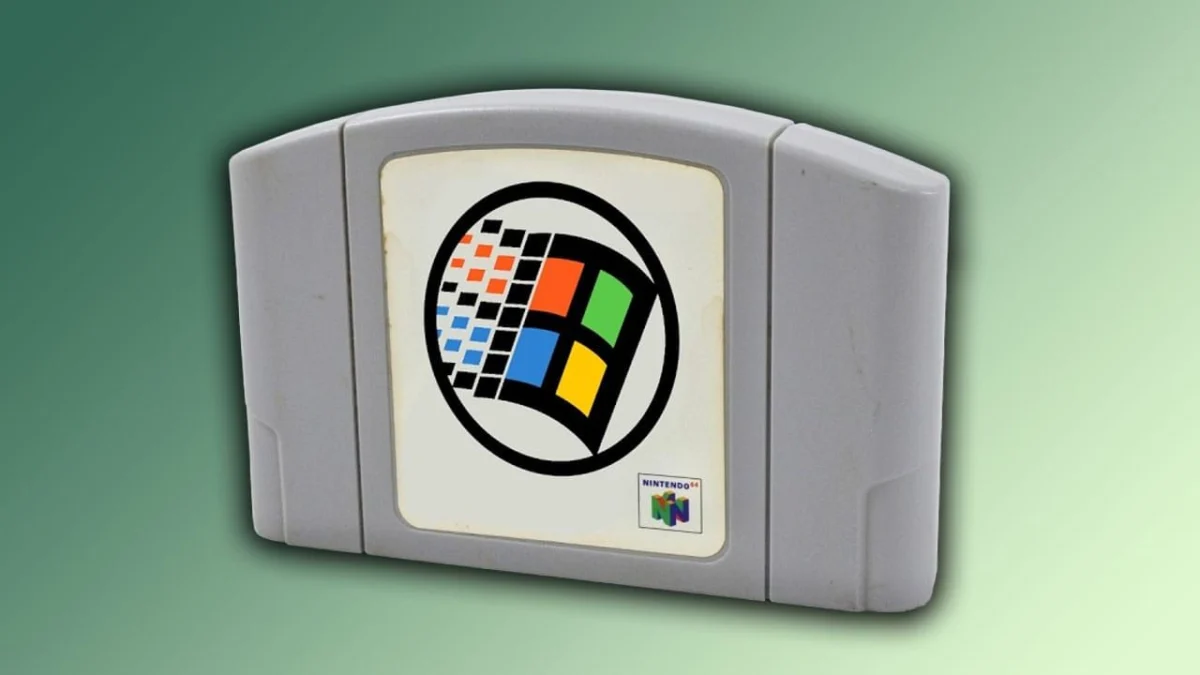
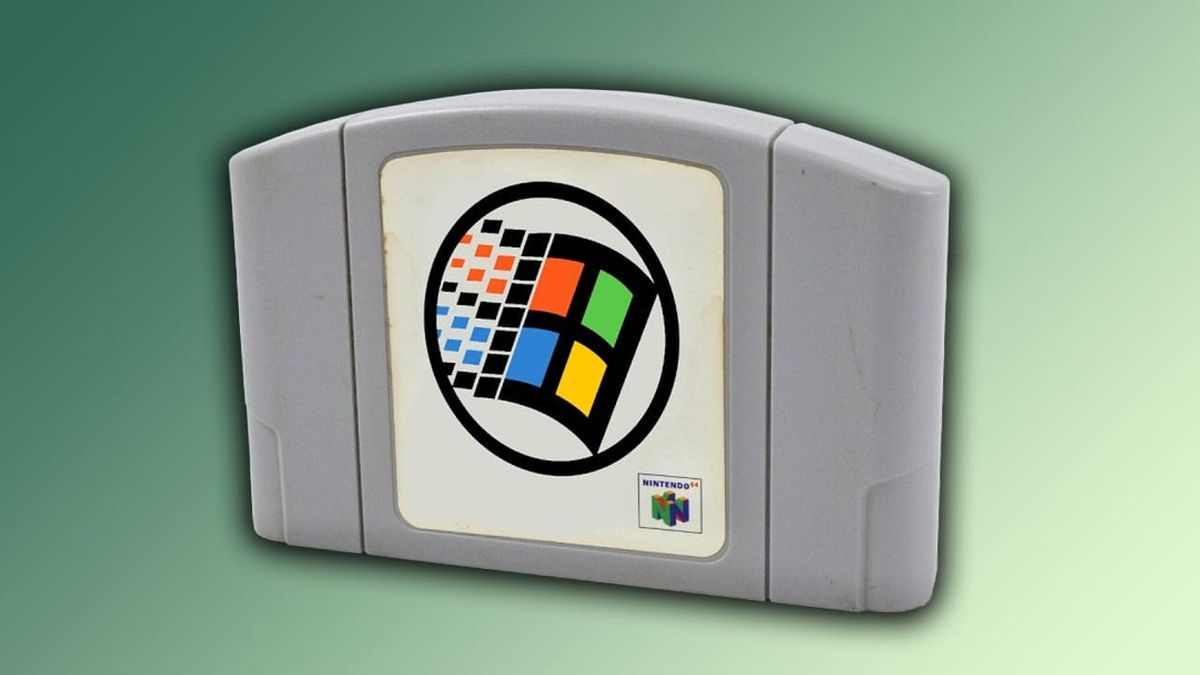
The Nintendo 64, a console celebrated for its groundbreaking 3D graphics and iconic titles like Super Mario 64 and The Legend of Zelda: Ocarina of Time, has demonstrated an unexpected new capability: running Microsoft’s Windows CE operating system. This remarkable achievement, spearheaded by the independent developer known as Throaty Mumbo, bridges the gap between vintage console hardware and a more modern, albeit resource-light, computing platform. The project, documented and shared across platforms like YouTube and GitHub, showcases a profound understanding of embedded systems and a deep appreciation for the underlying architecture of classic gaming hardware.
The Genesis of a Unique Project
The impetus for this ambitious undertaking appears to have stemmed from a serendipitous discovery. Throaty Mumbo, while experimenting with an IVM Workpad Z50, identified a crucial similarity: the presence of a MIPS 4000 family CPU. This realization sparked a line of inquiry into whether this processor architecture, common in early embedded systems, could be leveraged to run a familiar operating system on Nintendo’s flagship console of the late 1990s. The Nintendo 64 itself houses a MIPS R4300i CPU, a processor that shares architectural lineage with the one found in the Workpad. This fundamental hardware compatibility laid the groundwork for the subsequent engineering challenges.
Windows CE, often referred to as "Windows Embedded Compact" in its later iterations, was designed as a modular operating system intended for a wide range of devices, from early smartphones and personal digital assistants (PDAs) to industrial controllers and set-top boxes. A key characteristic of Windows CE, particularly in its earlier versions, was its relatively modest system requirements. Reports suggest that even basic implementations could function with as little as 1MB of RAM. The Nintendo 64, while not a powerhouse by today’s standards, came equipped with 4MB of RAM as standard, expandable to 8MB with the Expansion Pak, providing sufficient memory resources for a rudimentary Windows CE environment.
The choice of Windows CE is particularly significant. Unlike its desktop counterpart, Windows 95 or Windows 98, Windows CE was built with embedded systems in mind, prioritizing stability and efficiency over feature-rich desktop experiences. This design philosophy made it a more feasible target for the N64’s hardware constraints. The project’s success hinges on tailoring the operating system to the specific hardware of the N64, including its unique graphics and input capabilities, and managing the data transfer and boot process.
A Deep Dive into the Technical Implementation
Throaty Mumbo’s detailed documentation, available on his GitHub repository (WinCE64), offers a technical roadmap for enthusiasts. The process involves porting the Windows CE kernel and essential drivers to the N64’s architecture. This is not a simple plug-and-play operation. It requires a deep understanding of the N64’s custom hardware, including its graphics processing unit (GPU), audio hardware, and memory management unit (MMU).
A critical component of the project involves the use of a Game Enhancement Device (GED) or a flash cartridge, such as the Everdrive 64. These devices allow for custom code and operating systems to be loaded onto the N64. By preparing an SD card with the necessary Windows CE files and a bootloader, Throaty Mumbo was able to initiate the operating system load sequence on the console. The video evidence showcases a graphical user interface (GUI) of Windows CE, complete with icons and a taskbar, albeit a simplified version adapted for the N64’s display output.
The ability to run applications within this environment is another testament to the project’s complexity. By placing executable files on the SD card within the Everdrive, users can launch programs directly from the Windows CE interface. While these applications are likely to be basic utilities or specially compiled programs designed for the MIPS architecture and the limited N64 environment, their successful execution demonstrates a functional operating system capable of running user-installed software. The project essentially transforms the N64 from a dedicated gaming machine into a rudimentary computing device, albeit one with a highly specialized purpose and a nostalgic interface.
The Broader Context of Retro-Tech Innovation
This project by Throaty Mumbo is part of a growing trend of enthusiasts and developers breathing new life into vintage hardware through unconventional means. In recent years, we have seen numerous examples of classic consoles and computing devices being repurposed or modified to perform tasks far beyond their original design specifications. This phenomenon is driven by several factors:
- Nostalgia and Appreciation: A deep-seated affection for older technology fuels a desire to explore its capabilities and push its limits. The Nintendo 64, with its distinctive controller and library of beloved games, holds a special place in the hearts of many gamers.
- Technical Challenge: For engineers and programmers, these projects represent significant technical hurdles. The intellectual satisfaction derived from overcoming complex hardware and software integration challenges is a powerful motivator.
- Educational Value: Such projects serve as invaluable learning tools, offering hands-on experience with low-level programming, operating system design, and embedded systems. They demystify the inner workings of technology that many take for granted.
- Community and Collaboration: Platforms like YouTube and GitHub foster vibrant communities where knowledge is shared, and collaborative efforts can lead to groundbreaking discoveries. Throaty Mumbo’s willingness to share his findings openly contributes to this ecosystem of innovation.
This N64-Windows CE project can be seen as a spiritual successor to similar endeavors, such as running Windows on the Game Boy Advance or porting advanced operating systems to older personal computers. Each project, in its own way, highlights the surprising flexibility and potential inherent in seemingly obsolete technology. The fact that Windows CE, a Microsoft product, can be made to run on Nintendo hardware underscores the universality of certain computing principles and the ingenuity of developers in bridging platform divides.

Potential Implications and Future Directions
While running Windows CE on a Nintendo 64 is unlikely to revolutionize computing or gaming as we know it, it carries significant implications within the retro-computing and hacking communities.
- Validation of MIPS Architecture: The project serves as a practical demonstration of the versatility of the MIPS architecture, which was once a dominant force in embedded systems. It showcases how a common processor family could support diverse operating systems across different hardware implementations.
- Exploration of Embedded OS on Consoles: This success could inspire further exploration into running other lightweight operating systems or custom firmware on the Nintendo 64 and other retro consoles. This might lead to new homebrew applications, diagnostic tools, or even experimental media players.
- Enhanced Homebrew Scene: For the N64 homebrew development community, this achievement opens up new avenues. Developers might find ways to create applications that leverage the Windows CE environment, offering unique functionalities that go beyond traditional game development.
- A Poetic Reversal: The author of the original article aptly points out the poetic nature of this development. For years, fans have seen N64 games emulated on Windows PCs. Now, the roles are reversed, with a version of Windows running on the N64 itself. This cyclical nature of technological evolution and adaptation is a recurring theme in the history of computing.
However, it is important to maintain a realistic perspective. The Windows CE experience on the N64 will be inherently limited. Performance will be constrained by the console’s processing power and memory. The graphical interface will be rudimentary, and the range of compatible software will be narrow. This is not an attempt to replace modern operating systems but rather a testament to engineering prowess and a celebration of the enduring legacy of retro hardware.
A Look Ahead
The future of projects like Throaty Mumbo’s Windows CE on N64 will likely depend on continued community interest and the ongoing development of tools and techniques for retro hardware hacking. As more information is shared and more developers contribute, we may see further refinements and expansions of this capability. The possibility of running more complex applications, improving graphical fidelity, or even integrating network capabilities, while challenging, cannot be entirely ruled out.
For enthusiasts and retro-computing aficionados, this development is a significant milestone. It underscores the fact that even a console designed primarily for gaming can be coaxed into performing entirely different computational tasks, showcasing the ingenuity and passion that drive innovation in the world of vintage technology. The Nintendo 64, once a titan of the 3D gaming era, has now proven itself to be a surprisingly capable, albeit unconventional, computing platform.