Cecilia Chamidah Nur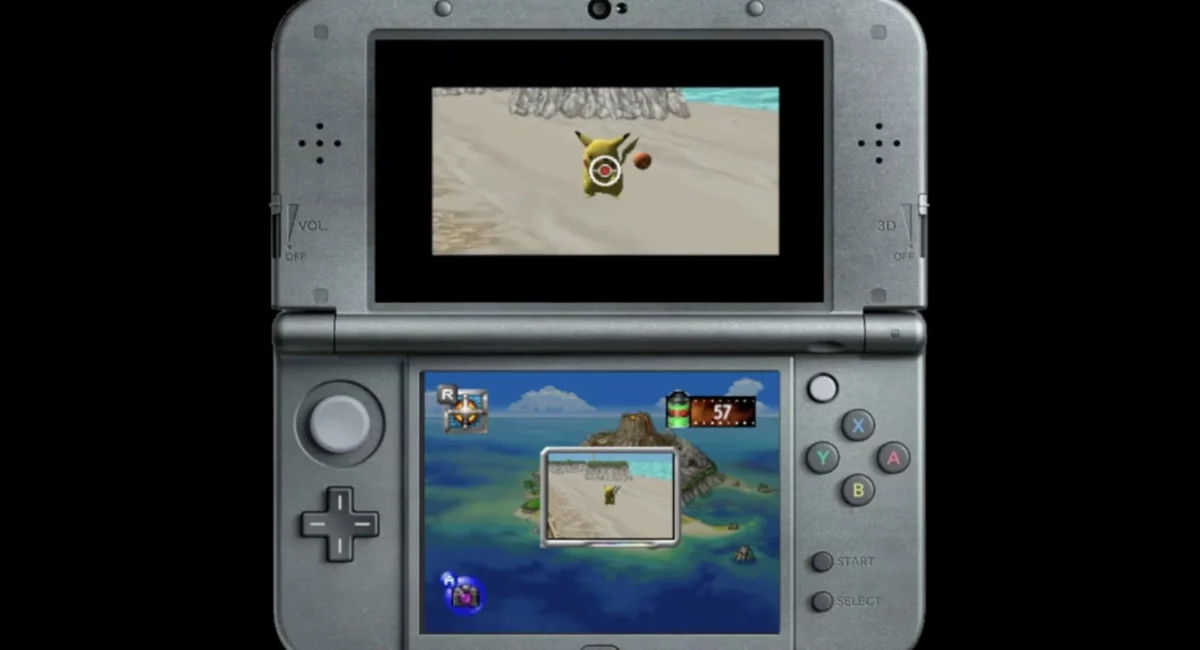
A dedicated team of independent developers, spearheaded by modder Manurocker95, has successfully completed and released an unofficial port of the beloved Nintendo 64 title, Pokémon Snap, for the Nintendo 3DS console. This ambitious project, built from the ground up using the Unity engine, not only faithfully recreates the original game’s iconic gameplay experience but also integrates several enhancements, including new photographic routes, additional Pokémon species not found in the 1999 original, and full utilization of the 3DS’s unique hardware capabilities, such as its stereoscopic 3D display and gyroscope controls.
The port represents a significant achievement within the homebrew community, offering fans a fresh perspective on a classic. Players can immerse themselves in the Pokémon photography adventure with modern control options, including touch input and amiibo compatibility, further bridging the gap between retro charm and contemporary gaming conveniences. Beyond its technical prowess, the project also boasts extensive multilingual support, catering to a global audience with options for Castilian Spanish, English, French, German, Italian, Portuguese, and Japanese. This comprehensive localization effort underscores the team’s commitment to accessibility and fan engagement.
Technical Feats and Enhanced Gameplay
The core of this unofficial Pokémon Snap 3DS port lies in its complete reconstruction within the Unity engine. This choice of development platform is crucial, as Unity’s cross-platform capabilities have allowed Manurocker95 and their team to not only target the Nintendo 3DS but also extend compatibility to a wide array of other systems. As Manurocker95 stated, "Although designed for Nintendo 3DS hardware (especially New Nintendo 3DS), the game is also playable on other platforms, including Windows, macOS, Linux, Android, iOS, Nintendo Wii U, PlayStation Vita, and Nintendo Switch." This broad compatibility ensures that a maximal number of players can experience the project, even if they no longer possess a functional 3DS console.
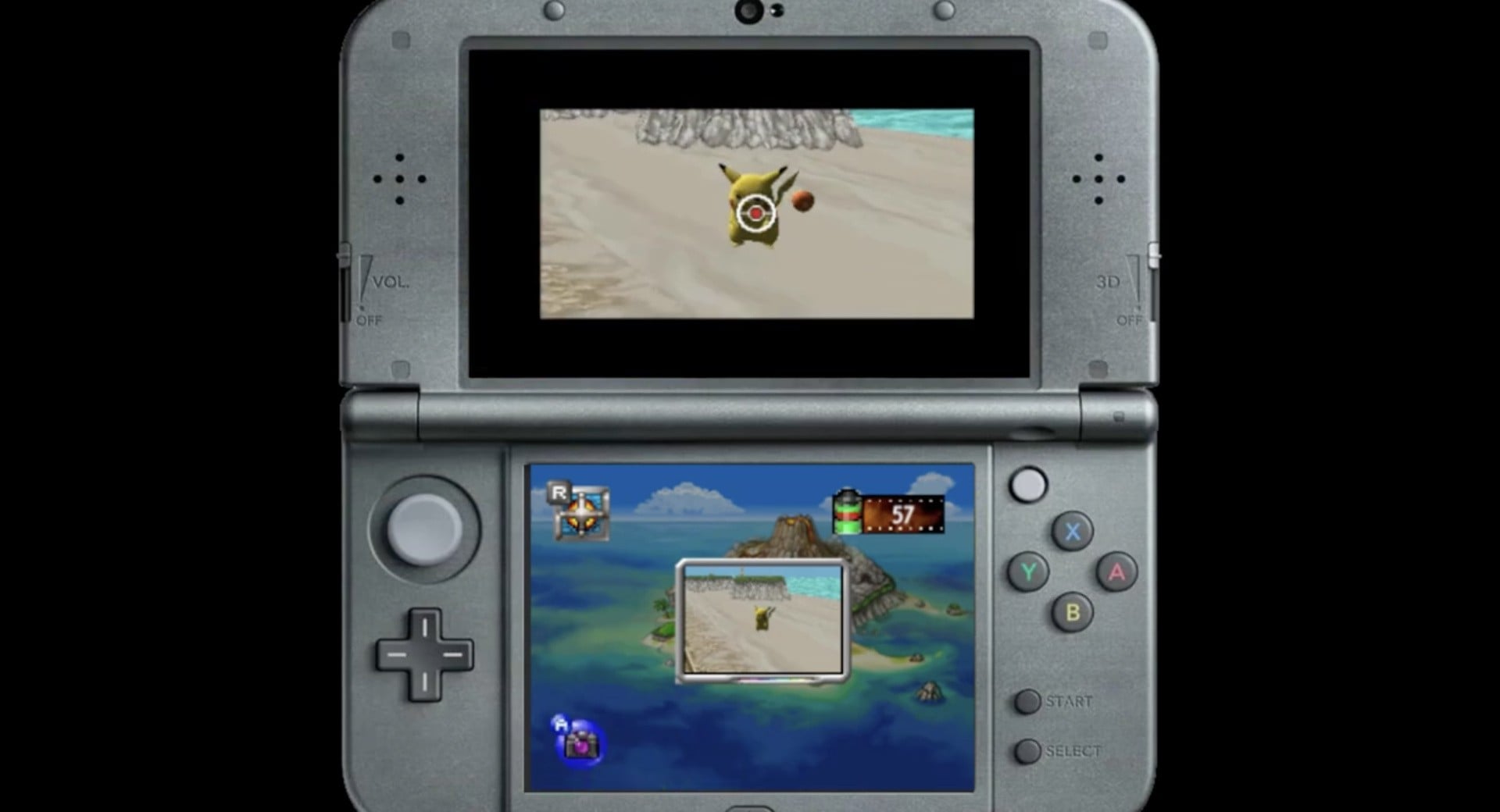
For 3DS users, the implementation of stereoscopic 3D is a particular highlight, adding an immersive depth to the photographic expeditions that was never possible in the original N64 version. The ability to use the console’s gyroscope for aiming the camera provides an intuitive and engaging control scheme, mirroring the physical act of taking a photograph, while touch controls offer an alternative for precision or player preference. The inclusion of amiibo support suggests potential for in-game bonuses or unlockables, though specific details on its implementation would require further investigation by players. These additions collectively transform the original game into an experience uniquely tailored for the 3DS hardware.
Moreover, the team has gone beyond a mere faithful recreation by introducing "new routes and monsters not present in the original." This expansion of content adds substantial replayability and novelty for long-time fans who have mastered the N64 version. While the exact number and nature of these new elements are not fully detailed in initial reports, their presence signifies a project driven by passion and a desire to evolve the classic formula rather than simply replicate it. This blend of nostalgic reverence and innovative expansion is often a hallmark of successful fan-driven projects.
The Legacy of Pokémon Snap: From Cult Classic to Modern Revival
To fully appreciate the significance of this unofficial 3DS port, it is essential to contextualize the original Pokémon Snap. Released in 1999 for the Nintendo 64, Pokémon Snap carved out a unique niche within the burgeoning Pokémon franchise. Unlike the mainline role-playing games that focused on training and battling, Pokémon Snap presented players with an on-rails photography simulator. As Todd Snap, players traversed various environments in the Zero-One buggy, tasked by Professor Oak with photographing Pokémon in their natural habitats. The game challenged players to capture the best possible shots, using items like Pester Balls and Pokémon Food to elicit interesting reactions from the creatures.
The game’s premise was unconventional for its time, especially for a franchise built on combat, yet it resonated deeply with a segment of the gaming public. Its charming graphics, engaging premise, and the sheer joy of discovering Pokémon behaving in unexpected ways contributed to its status as a "cult classic." While not a massive commercial blockbuster like its RPG counterparts, Pokémon Snap fostered a dedicated fanbase who yearned for a sequel for over two decades. This enduring appeal was evident when Nintendo finally released New Pokémon Snap for the Nintendo Switch in 2021, demonstrating that the appetite for this unique gameplay loop remained strong. The N64 original has also seen re-releases on virtual consoles, including the Wii and Wii U, and is available to Nintendo Switch Online + Expansion Pack subscribers, underscoring its continued relevance in Nintendo’s historical catalog.

The Nintendo 3DS and the Homebrew Scene
The choice of the Nintendo 3DS as the primary target platform for this port is particularly fitting. Launched in 2011, the Nintendo 3DS was a groundbreaking handheld console, celebrated for its glasses-free stereoscopic 3D display, a feature that set it apart from its competitors. It also boasted dual screens, a touch screen, gyroscope, and eventually, amiibo functionality, which expanded its interactive possibilities. Despite Nintendo officially discontinuing the system’s production in 2020 and ceasing eShop operations in 2023, the 3DS maintains a vibrant and active homebrew community.
The homebrew scene, comprising enthusiasts who develop unofficial software and modifications for consoles, thrives on extending the lifespan and capabilities of older hardware. For the 3DS, this has meant the creation of emulators, custom firmware, and, as seen with Pokémon Snap, ports of games that would otherwise never officially grace the system. The motivations behind such projects are multifaceted: to preserve gaming history, to experiment with hardware, to add features missing from official releases, or simply to enjoy beloved games on preferred platforms. The technical knowledge and collaborative spirit required to reverse-engineer and re-implement complex games like Pokémon Snap are considerable, making projects like Manurocker95’s a testament to the ingenuity of the homebrew community. This community often leverages tools like the Unity engine, which, while officially supported by Nintendo for licensed development, can also be utilized by unofficial developers for their projects, especially when targeting operating systems or platforms that can run Unity-exported executables.
Broader Impact and Implications
The release of this unofficial Pokémon Snap port carries several implications for both the gaming community and the broader discourse surrounding fan-made content and game preservation.
Firstly, it significantly revitalizes the Nintendo 3DS homebrew scene. With official support for the console dwindling, new, high-quality fan projects inject fresh life into the platform, encouraging existing users to dust off their consoles and potentially attracting new enthusiasts to explore the possibilities of custom firmware and unofficial software. This extended utility for the 3DS aligns with broader movements towards sustainable gaming and getting maximum value from hardware.
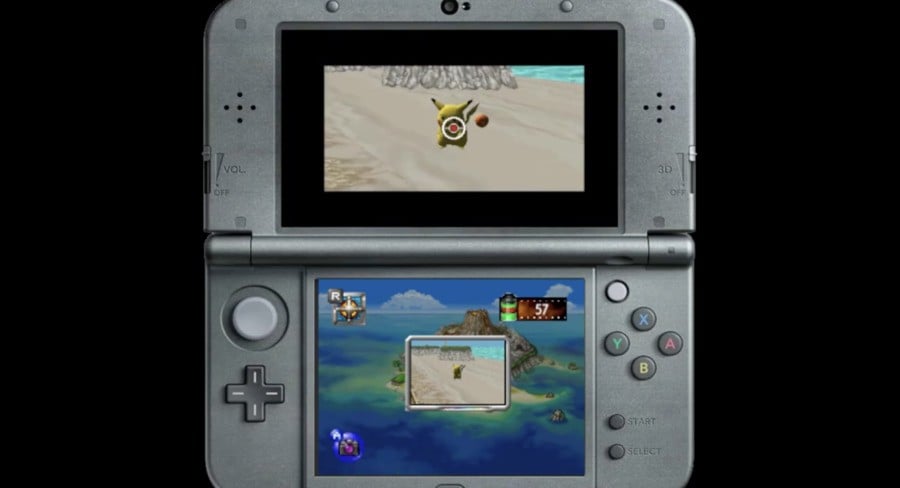
Secondly, the project contributes to the ongoing conversation about video game preservation. While Nintendo has made efforts to preserve its back catalog through virtual console releases and subscription services, many titles remain inaccessible or are tied to specific hardware. Fan projects, even if unofficial, play a crucial role in ensuring that classic games remain playable and adaptable to new technologies. By meticulously recreating Pokémon Snap and adapting it to the 3DS, Manurocker95’s team is effectively safeguarding a piece of gaming history, making it available to a new generation of players on a different, yet still relevant, platform.
Thirdly, the inclusion of new routes and Pokémon demonstrates the creative potential of fan communities. These additions are not merely bug fixes or graphical enhancements but genuine content expansions that build upon the original game’s foundation. This illustrates how passionate fans can contribute to the evolution of a game’s universe, offering experiences that even official developers might not have considered or had the resources to implement.
From a commercial standpoint, Nintendo and The Pokémon Company typically maintain a watchful eye over unofficial projects involving their intellectual property. While they often tolerate homebrew that is not commercialized and does not directly compete with their active products, they reserve the right to issue cease and desist orders, especially if a project gains widespread notoriety or is perceived as infringing on their commercial interests. To date, there has been no official statement from Nintendo regarding this specific Pokémon Snap port, which is common for such unofficial releases. The non-commercial nature of most homebrew projects often allows them to exist in a legal gray area, sustained by goodwill rather than profit.
Finally, the multi-platform compatibility of this Unity-based port underscores the power of modern game engines in enabling diverse gaming experiences. The fact that a game designed for a specific handheld can also run on PCs, other consoles, and mobile devices highlights the incredible flexibility afforded by engines like Unity, democratizing game development and distribution even for unofficial projects.
Accessibility and Future Outlook
For those interested in experiencing this unofficial Pokémon Snap port, the development team has made it available through community forums such as PokeCommunity. Accessing the game typically requires a Nintendo 3DS with custom firmware installed, or an emulator capable of running 3DS titles, such as Citra or Azahar. As Manurocker95 advises, players using emulators should "enable New 3DS mode in the emulator settings" to ensure optimal performance, as the project is specifically optimized for the enhanced capabilities of the New Nintendo 3DS hardware.
The project is currently in a beta stage (v0.3.1), indicating that development is ongoing and future updates, bug fixes, and potentially even more content expansions could be anticipated. The active engagement of the community through feedback and testing will undoubtedly play a crucial role in the port’s continued evolution.
In conclusion, the unofficial Pokémon Snap port for the Nintendo 3DS by Manurocker95 and their team is more than just a nostalgic throwback. It is a vibrant demonstration of fan dedication, technical ingenuity, and the enduring appeal of a unique gaming classic. By embracing modern development tools and the capabilities of the 3DS, this project offers a fresh, enriched, and accessible way for a new generation of players to experience the joy of Pokémon photography, while simultaneously celebrating the legacy of the original and the vibrant spirit of the homebrew community.
[source pokecommunity.com]