Johny Imanuel
Following the March 19, 2026, release of the first episode of the Steel Ball Run: JoJo’s Bizarre Adventure anime adaptation, Netflix has provided a comprehensive update regarding the distribution schedule and production strategy for the remainder of the season. Responding to inquiries across various social media platforms, the streaming giant clarified the reasoning behind the current limited availability of episodes and confirmed a release window for the next phase of the series. Netflix stated that the production was always intended to be delivered as a split-cour series, a common practice in the modern anime industry designed to maintain high animation quality over a long-running narrative. Furthermore, the company confirmed that the upcoming "2nd Stage" will transition to a more traditional broadcast model, featuring one new episode released weekly starting in the Fall 2026 season.
The premiere episode, which debuted to significant fanfare, serves as a feature-length introduction to the world of Steel Ball Run. Clocking in at 48 minutes, the episode effectively covers the "1st Stage" of the titular cross-country race organized by the eccentric promoter Steven Steel. This extended runtime allowed the production team to adapt approximately the first 12 chapters of Hirohiko Araki’s original manga, spanning roughly the first two volumes of the source material. The narrative follows Johnny Joestar, a former prodigy jockey who has lost the use of his legs, as he becomes fascinated by Gyro Zeppeli, a mysterious racer utilizing a unique rotational technique known as "the Spin." Driven by the hope that the Spin might hold the key to his recovery, Johnny enters the grueling 6,000-kilometer race across the American frontier.
The Evolution of the JoJo Franchise and Steel Ball Run
The adaptation of Steel Ball Run represents a pivotal moment for the JoJo’s Bizarre Adventure franchise. Unlike the previous six parts, which followed a linear timeline from Victorian England to early 21st-century Florida, Steel Ball Run serves as a functional reboot of the series. Set in 1890, it introduces an alternate universe with reimagined versions of familiar characters and a distinct shift in narrative tone. The transition from the "Stone Ocean" arc to "Steel Ball Run" also mirrors a historical shift in the manga’s publication; originally serialized in Weekly Shonen Jump, the manga eventually moved to the monthly seinen magazine Ultra Jump. This move allowed Araki to explore more complex themes, detailed artwork, and a sophisticated approach to supernatural combat.
The anime adaptation has been one of the most anticipated projects in the industry, largely due to the technical challenges posed by the source material. Steel Ball Run is renowned for its constant motion, featuring hundreds of horses and riders traversing diverse terrain. Animating equine movement is notoriously difficult and resource-intensive, leading many industry analysts to speculate that a split-cour format was a necessity to ensure the visual fidelity meets the high standards set by previous JoJo adaptations. By opting for a hiatus between the 1st Stage and the 2nd Stage, the studio is afforded the time required to handle the complex CGI and 2D integration necessary for the racing sequences.
Chronology of Release and Adaptation Scope
The timeline for the Steel Ball Run anime suggests a calculated rollout by Netflix and the production committee. With the 1st Stage having premiered in March 2026, the gap leading into Fall 2026 allows for a strategic mid-year break. Netflix’s official statement noted that the Fall 2026 release will focus exclusively on the events of the 2nd Stage. In the original manga, this segment of the story is primarily contained within volumes three through five.
The 2nd Stage is a critical juncture in the plot, as it introduces the broader political and supernatural conspiracies underlying the race. While the 1st Stage focused on the logistics of the race and the introduction of the primary cast, the 2nd Stage shifts the stakes toward the discovery of the "Saint’s Corpse" parts—mysterious artifacts that grant immense power to those who possess them. This shift introduces a variety of formidable antagonists, most notably Diego "Dio" Brando, a rival jockey whose presence serves as a thematic echo of the series’ long-standing villainy.
Strategic Shift in Distribution Models
The decision to move to a weekly release format for the 2nd Stage marks a notable shift in Netflix’s anime distribution strategy. Historically, Netflix has favored "batch releases," where an entire season or a large block of episodes is dropped simultaneously. This was the case for the previous JoJo entry, Stone Ocean, which was released in three distinct batches. However, the batch model received mixed feedback from the JoJo’s Bizarre Adventure fanbase, with many arguing that it stifled the "water cooler effect" and communal discussion that usually accompanies a weekly broadcast.
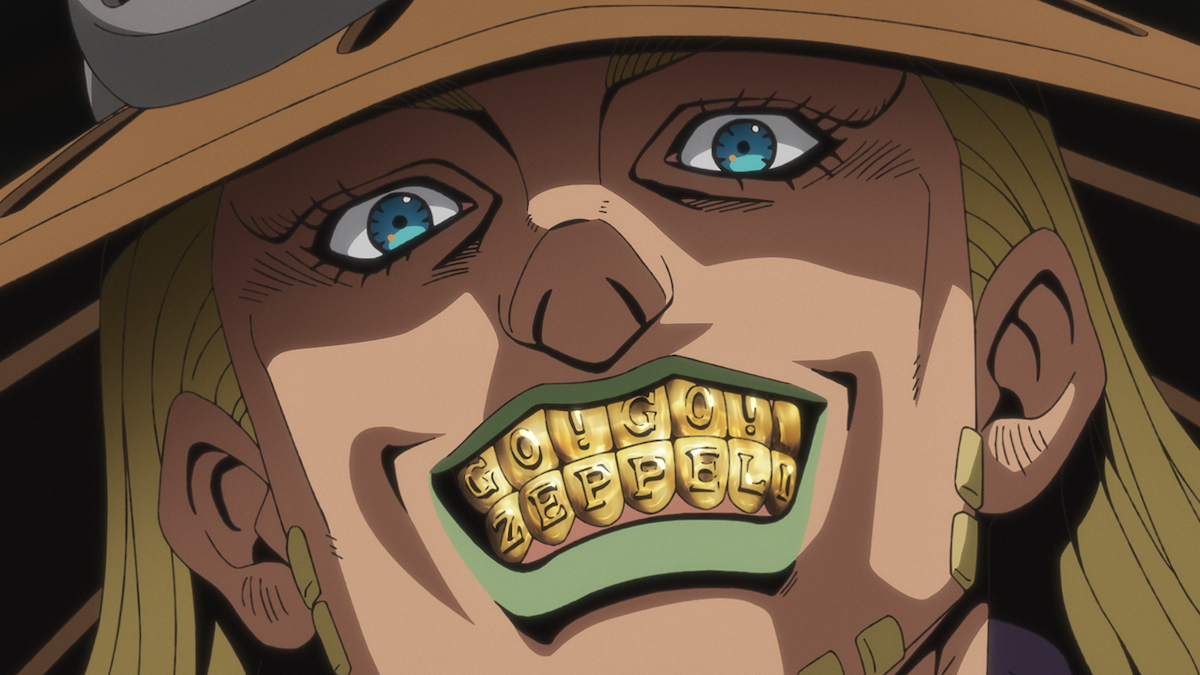
By adopting a weekly schedule for the Fall 2026 return, Netflix appears to be aligning more closely with traditional Japanese television broadcast standards while attempting to maximize sustained engagement. This hybrid approach—starting with a prestige feature-length premiere followed by a weekly rollout for subsequent arcs—may represent a new standard for high-profile anime acquisitions on the platform. It allows the series to maintain visibility over several months rather than peaking during a single weekend of binge-watching.
Supporting Data and Production Context
While Netflix has not yet disclosed the exact episode count for each cour, industry insiders suggest that Steel Ball Run will likely require a high total episode count to adapt the manga’s 95 chapters faithfully. Given that the chapters in the later half of the manga are significantly longer than those in earlier parts, some estimates suggest the full adaptation could span 48 to 60 episodes.
The involvement of David Production, the studio responsible for all previous JoJo anime since 2012, remains a cornerstone of the project’s stability. The studio’s ability to translate Araki’s unique art style—characterized by bold lines, vibrant color palettes, and dramatic "poses"—has been a major factor in the franchise’s global success. The inclusion of "the Spin" as a primary power system, alongside the traditional "Stands," requires a specific visual language that the studio has been refining throughout the production of the 1st Stage.
Broader Implications for the Anime Market
The release of Steel Ball Run is a significant event for Viz Media, which handles the manga’s distribution in North America and other English-speaking territories. The surge in interest following the anime’s premiere has historically led to increased sales for the source material. For Netflix, JoJo’s Bizarre Adventure remains a flagship title in its effort to compete with dedicated anime streaming services like Crunchyroll.
The move to a split-cour model also reflects broader trends in the anime production committee system. By spreading the release over a longer period, production committees can manage budgets more effectively and react to market trends. For a series as prestigious as JoJo, maintaining a high level of quality is paramount to protecting the brand’s long-term value, especially as the series moves toward its later, even more complex installments like "JoJolion."
Official Responses and Fan Reaction
Official social media channels for Netflix Anime have seen a surge in activity since the March announcement. While some fans expressed disappointment at the wait for the 2nd Stage, the general sentiment remains positive, particularly regarding the 48-minute premiere’s production values. Netflix’s transparency regarding the "split-cour" nature of the project has helped mitigate some of the "Netflix Jail" criticisms that have plagued the service in the past, where licensed shows were delayed for months behind their Japanese broadcast.
The confirmation of the Fall 2026 window provides a clear roadmap for the community. As the 1st Stage established the rivalry between Johnny Joestar and the diverse field of international racers, the 2nd Stage is expected to delve deeper into the mechanics of "Stand" abilities in the 19th-century setting. The introduction of characters like Mountain Tim and the expansion of Diego Brando’s role are among the most anticipated elements for the upcoming episodes.
As the industry looks toward the Fall 2026 season, the return of Steel Ball Run: JoJo’s Bizarre Adventure is positioned to be a dominant force in the anime landscape. The combination of a beloved source material, a seasoned production studio, and a refined distribution strategy suggests that the adaptation of Johnny Joestar’s journey will continue to be a cornerstone of Netflix’s seasonal offerings. Further details regarding the specific air date and the number of episodes in the 2nd Stage are expected to be released in the months leading up to the fall premiere.