Indra Gunadi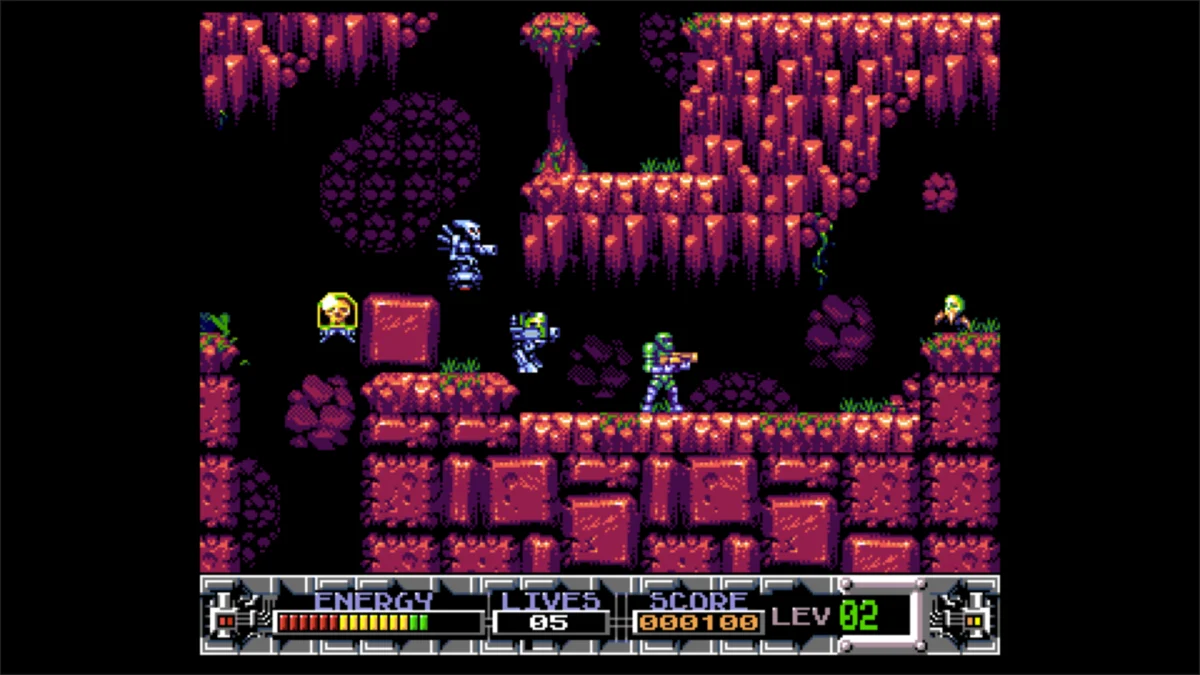
A new entry into the venerable Amiga AGA gaming library, "Mission Alien," has been announced, with a playable one-level demo released on June 19, 2026. This work-in-progress run-and-gun title, developed by Matze1887, immediately draws comparisons to iconic titles such as Turrican and its spiritual successor, Hurrican, signaling a clear inspiration rooted in the golden age of side-scrolling action. The release of a demo version through itch.io underscores the ongoing vitality of the Amiga homebrew scene and the persistent dedication of developers to create new experiences for classic hardware.
The Enduring Legacy of the Amiga AGA Platform
The Amiga AGA (Advanced Graphics Architecture) platform, primarily represented by the Amiga 1200 and Amiga 4000 models released in the early 1990s, marked a significant evolution for Commodore’s groundbreaking computer line. Following the original Amiga OCS (Original Chip Set) and the enhanced ECS (Enhanced Chip Set), AGA pushed the boundaries of what was possible on 16/32-bit home computers, offering 24-bit color depth (up to 256,000 colors simultaneously from a palette of 16.8 million) and higher screen resolutions. While commercially facing stiff competition from the burgeoning PC market and next-generation consoles, the Amiga AGA models carved out a niche, particularly in Europe, for their multimedia capabilities and superior gaming experiences compared to their predecessors.
Despite Commodore’s eventual bankruptcy in 1994, the Amiga platform fostered an incredibly loyal community that continues to thrive decades later. This community is characterized by active hardware modding, software development, and the preservation of historical Amiga culture. The ongoing creation of new games like "Mission Alien" is a testament to the platform’s enduring appeal and the passion of its fanbase, proving that vintage hardware is far from obsolete in the hands of dedicated enthusiasts. The decision to target AGA specifically suggests a developer aiming for a higher visual fidelity and more complex gameplay than what might be feasible on earlier Amiga iterations, tapping into the enhanced capabilities of machines like the Amiga 1200, which remains a popular choice among retro gamers.
Genesis of a Genre: The Run-and-Gun Phenomenon
The run-and-gun genre, a staple of arcade and home console gaming from the late 1980s through the mid-1990s, is characterized by its fast-paced action, constant shooting, and typically side-scrolling environments. Players navigate intricate levels, dispatching hordes of enemies with various weapons, often culminating in challenging boss battles. The genre demands quick reflexes, pattern recognition, and strategic use of power-ups.
Among the pantheon of run-and-gun titles, the Turrican series stands out as particularly influential, especially within the Amiga ecosystem. Developed by Manfred Trenz and published by Rainbow Arts, the original Turrican debuted in 1990, captivating players with its expansive, non-linear levels, powerful weaponry, and iconic transforming protagonist. Unlike many contemporary run-and-gun games that featured strictly linear progression, Turrican introduced elements of exploration, allowing players to discover hidden areas and secrets, thus blending action with a sense of adventure. Its sophisticated graphics, epic soundtrack by Chris Huelsbeck, and tight controls made it a benchmark for Amiga gaming. Subsequent titles like Turrican II: The Final Fight (1991) and Turrican 3 (1993) further cemented its legendary status.
The enduring popularity of Turrican even led to a highly regarded fan-made PC remake, "Hurrican," released in 2007. Developed by Poke53280, Hurrican meticulously recreated the gameplay, level design philosophy, and aesthetic of the original Turrican, introducing it to a new generation of players while satisfying the nostalgic desires of long-time fans. The direct mention of both Turrican and Hurrican as visual and inspirational benchmarks for "Mission Alien" firmly places Matze1887’s project within a lineage of high-quality, exploration-focused run-and-gun experiences. This acknowledgment sets a high bar for the new title, indicating an ambition to capture the essence of what made those classics so beloved.
Development and Distribution in the Modern Retro Scene
The development of "Mission Alien" for the Amiga AGA in 2026 highlights several trends prevalent in the contemporary retro gaming landscape. Modern homebrew development for classic platforms often leverages cross-development environments, allowing creators to utilize powerful modern PCs for coding, graphics design, and debugging, before compiling and testing on emulators or actual Amiga hardware. This approach streamlines the development process significantly compared to the original era, where developers were often limited by the hardware they were targeting.
The choice to release a demo on itch.io is also noteworthy. Itch.io has become a popular digital storefront and community platform for independent game developers, including those working on retro and homebrew projects. It provides an accessible means for creators to share their work, gather feedback, and potentially monetize their efforts, bypassing traditional publishing channels. For "Mission Alien," this platform facilitates direct engagement with the Amiga community, allowing Matze1887 to solicit critical feedback on gameplay mechanics, level design, and overall feel, which is invaluable for a work-in-progress title. The open invitation for feedback, specifically mentioned in the announcement, underscores a community-driven development philosophy, where the collective insights of experienced Amiga enthusiasts can help shape the final product.
The timeline of development for such projects can vary widely. While "Mission Alien" is presented as "currently work-in-progress," the release of a playable demo suggests a significant level of foundational work has been completed. Homebrew games for vintage platforms are often passion projects, developed in developers’ spare time, which can lead to extended development cycles. However, the enthusiasm from the community for new content often provides strong motivation to see these projects through to completion.
Inferred Developer Intent and Community Reaction
While direct statements from Matze1887 are not provided in the initial announcement, several intentions can be logically inferred from the project’s nature and the developer’s request for feedback. The primary motivation is likely a deep affection for the Amiga platform and the run-and-gun genre. By openly referencing Turrican and Hurrican, Matze1887 is signaling a commitment to quality and a desire to deliver an experience that resonates with fans of those legendary titles. The developer is likely aiming to:
- Contribute to the Amiga legacy: Adding a new, high-quality title to a platform that, while historically significant, no longer sees commercial releases from major studios.
- Test core mechanics: The one-level demo serves as a proving ground for the game’s fundamental controls, enemy design, weapon systems, and overall pacing.
- Gauge community interest: Feedback helps determine if the project is heading in the right direction and if there’s sufficient demand to warrant continued development.
- Build anticipation: An early demo can generate buzz and foster a dedicated player base even before the full game is released.
The reaction from the Amiga and broader retro gaming community is anticipated to be overwhelmingly positive, tempered with constructive criticism. New game releases for the Amiga AGA are celebrated events, particularly when they demonstrate ambition and a clear understanding of the platform’s strengths and the genre’s appeal. Enthusiasts will likely download the demo, scrutinize its performance on various hardware configurations (emulated and physical), analyze its adherence to classic genre tropes, and offer detailed suggestions for improvement. The "No Comments" section on the original announcement page will undoubtedly be filled with discussions across various Amiga forums, social media groups, and YouTube channels as the demo gains traction.
Broader Implications for Retro Gaming and Preservation
"Mission Alien" is not just another game; it represents a significant facet of the ongoing retro gaming movement. Its development and release underscore several broader implications:
- Platform Longevity: The continuous creation of new software for platforms like the Amiga AGA ensures their cultural and functional longevity. It moves beyond mere preservation of old titles to active evolution and expansion, giving new reasons for enthusiasts to maintain and even acquire classic hardware.
- Bridging Generations: Projects like "Mission Alien" act as a bridge, introducing classic gameplay mechanics and aesthetics to younger generations who might be encountering the Amiga for the first time, while simultaneously providing a nostalgic experience for veterans.
- The Power of Indie Development: The retro homebrew scene exemplifies the democratizing power of independent development. Individuals or small teams can, with passion and skill, create experiences that rival or even surpass some commercial releases of yesteryear, often driven purely by love for the craft and the platform.
- Digital Distribution and Accessibility: Platforms like itch.io are crucial in making these niche projects accessible worldwide. They remove geographical barriers and offer a straightforward path for distribution, fostering a global community around retro development.
- The Future of Retro: As hardware ages, the focus shifts from mass-market appeal to community-driven preservation and innovation. Titles like "Mission Alien" are vital for demonstrating that retro platforms are not just museum pieces but vibrant, active ecosystems capable of generating new and exciting content. This ongoing development contributes significantly to the cultural heritage of computing and gaming.
In conclusion, "Mission Alien" for the Amiga AGA is more than just an upcoming game; it is a cultural artifact in the making, a testament to enduring passion, and a vibrant example of how classic platforms continue to inspire new creativity. By embracing the legacy of Turrican and Hurrican and actively seeking community involvement, Matze1887’s project promises to be a noteworthy addition to the Amiga’s rich gaming tapestry, ensuring that the spirit of the 16/32-bit era continues to thrive in the 21st century. The demo’s release marks an exciting milestone, inviting players to delve into a fresh take on a beloved genre while contributing to the evolution of a new Amiga classic.