
 Farhan hamdan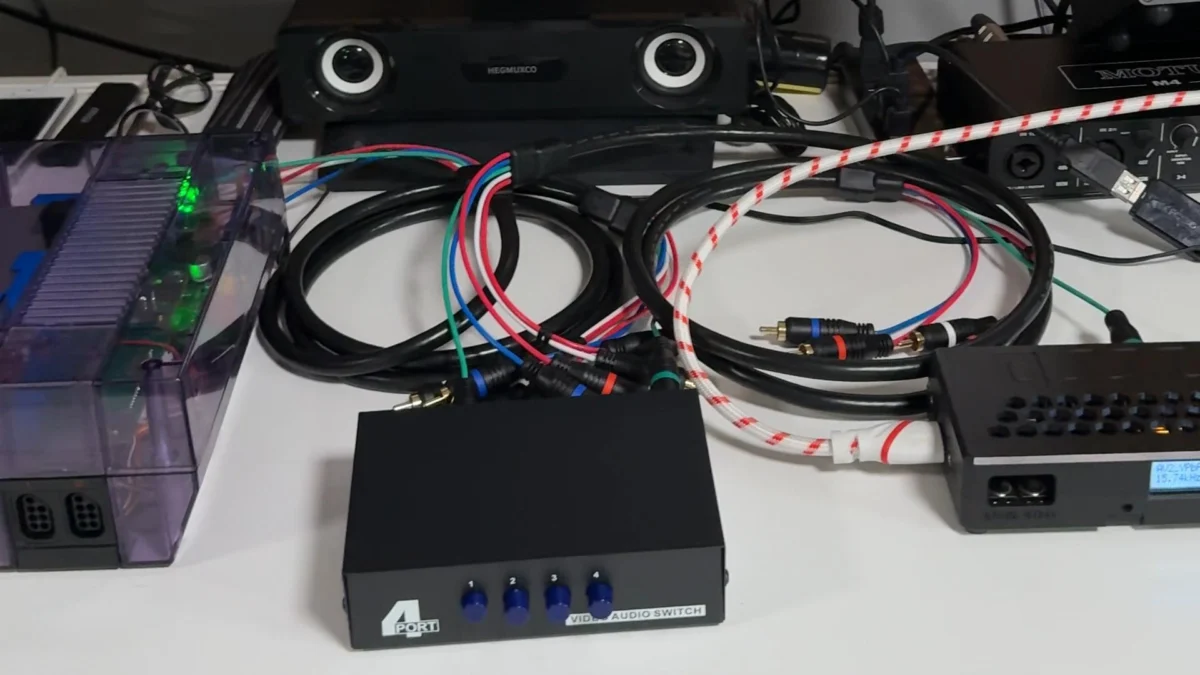
A recent technical verification has confirmed that Lumacode-modded retro consoles can be successfully integrated into existing gaming setups through the use of video switches, a development poised to streamline complex multi-console configurations for enthusiasts. This finding addresses a common query within the retro gaming community regarding the compatibility and signal integrity of advanced video modifications when routed through standard switching hardware. The test specifically demonstrated that Lumacode’s enhanced video output maintains its quality and signal stability when passed through both passive and potentially powered switches, offering a practical solution for users aiming to connect multiple modified consoles to a single upscaler or digitizer.
The Lumacode modification, pioneered by c0pperdragon, represents a significant advancement in the quest for pristine video output from classic gaming systems, particularly those that originally offered less-than-optimal video signals, such as the Nintendo Entertainment System (NES). Historically, retro consoles like the NES provided only composite video output, a format known for its inherent blurriness, color bleeding, and overall lack of sharpness on modern high-definition displays. This limitation has long driven a segment of the retro gaming community to seek out modifications that can extract cleaner, more robust video signals, such as RGB or component video (YPbPr). Lumacode specifically aims to generate a high-quality component video signal directly from the console’s internal circuitry, bypassing the limitations of its original video encoder and providing a significantly sharper and more vibrant image. The output is typically designed to feed into modern upscalers like the Open Source Scan Converter (OSSC) or OSSC Pro, which then convert the analog signal into a digital format (e.g., HDMI) compatible with contemporary televisions and monitors.
The proliferation of advanced console modifications like Lumacode, coupled with the growing number of retro gaming enthusiasts who own multiple classic systems, has created a practical challenge: managing numerous video inputs. Connecting each modded console directly to a dedicated input on an upscaler or display can quickly become cumbersome, leading to cable clutter and the inconvenience of manually swapping connections. Video switches offer an elegant solution, allowing multiple sources to share a single input on a display device. However, concerns have persisted regarding whether these switches, especially passive ones, might introduce signal degradation, interference, or compatibility issues with the sensitive, high-quality component video signals produced by modifications like Lumacode. The recent verification specifically targeted this concern, aiming to confirm that the integrity of the Lumacode signal remains intact when routed through common switching devices.
The verification process involved a properly Lumacode-modded NES console, chosen for its representative status as a system benefiting greatly from such a modification. The setup utilized shielded cables, a critical component in maintaining signal quality over distance and through various connection points, mitigating potential electromagnetic interference (EMI) that can degrade analog video signals. The core of the test involved connecting the Lumacode’s component video output (specifically, the green RCA jack for the luma signal, as per Lumacode’s design principles for integration with component setups) into a video switch. From the switch, another shielded cable routed the signal to an OSSC, which then upscaled the image for display. This configuration mirrored a typical multi-console retro gaming setup where a switch serves as the central hub before the signal reaches the final processing unit.
The primary finding confirmed the successful pass-through of the Lumacode signal via a switch. The video output displayed on the target monitor remained clear, stable, and free from discernible degradation or artifacts introduced by the switching mechanism. This result is particularly encouraging for users with multiple Lumacode-modded consoles, as it validates the feasibility of consolidating their setups without compromising the enhanced visual fidelity achieved through the modification. For those already utilizing component video setups, the integration is seamless; the Lumacode RCA cable connects directly to the green RCA jack on the component switch, with only the OSSC or OSSC Pro’s profile needing adjustment to accommodate the incoming signal. This simplifies the user experience, allowing for quick switching between different Lumacode-enabled consoles without extensive reconfigurations.

Further technical considerations emerged during the testing. The use of properly shielded cables for the entire signal chain was repeatedly emphasized as paramount. Shielding protects the analog video signal from external noise and crosstalk, which can become more pronounced when signals traverse longer distances or pass through multiple connection points like those found in a switch. The initial test involved a 6-foot shielded cable from the console to the switch, and another 6-foot shielded cable from the switch to the OSSC. This basic configuration performed flawlessly. An extended test involving an additional 6-foot extension cable, totaling 18 feet, also yielded positive results in the specific demo. However, a cautionary note was issued regarding expecting universal success with such extended lengths, particularly with passive switches. Passive switches, by their nature, do not actively amplify or regenerate the signal, making them more susceptible to signal attenuation over longer cable runs. In contrast, a powered switch, which incorporates active electronics to maintain signal strength, would likely offer greater reliability and distance capabilities. These nuances highlight the importance of high-quality cabling and the potential benefits of active switching solutions for more demanding or extensive setups.
The integration of Lumacode with modern upscalers like the OSSC and OSSC Pro is a cornerstone of achieving high-fidelity retro gaming. The OSSC, an open-source scan converter, is renowned for its ability to convert analog retro console signals into crisp, lag-free digital output, making classic games look excellent on modern displays. Lumacode’s output, being a clean component video signal, is ideally suited for the OSSC’s input capabilities. The successful verification of Lumacode through a switch means that the entire signal chain, from console modification to switching to upscaling, can now be reliably implemented. Dedicated guides for updating and setting up the OSSC for Lumacode compatibility are available, ensuring that users can optimize their upscaler profiles to perfectly match the enhanced output of their modified consoles. This holistic approach ensures that retro gamers can enjoy the best possible visual experience with minimal technical hurdles.
The broader implications for the retro gaming community are substantial. This verification provides a definitive answer to a common technical question, reducing uncertainty and encouraging wider adoption of Lumacode and similar high-quality video modifications. Retro gaming is a rapidly evolving hobby, characterized by a passionate community constantly seeking to preserve and enhance the experience of playing classic titles. Innovations like Lumacode, coupled with robust integration solutions like verified switch compatibility, empower enthusiasts to build sophisticated, yet manageable, gaming setups. The ability to seamlessly switch between multiple Lumacode-modded consoles through a single input on an OSSC or digitizer offers unparalleled convenience, saving time and simplifying cable management. This development supports the trend towards more organized and high-performance retro gaming stations, catering to both casual players and dedicated collectors who prioritize optimal visual fidelity.
Experts within the retro gaming hardware community, such as those associated with RetroRGB and Macho Nacho Productions, have been instrumental in disseminating information and providing practical guides related to Lumacode. RetroRGB, a prominent resource, has published interviews with Lumacode creator c0pperdragon, delving into the technical intricacies and design philosophy behind the modification. Additionally, detailed installation guides, like the one provided by Tito from Macho Nacho Productions for the specific NES used in the test, underscore the importance of proper installation techniques, including the use of shielded cables, to achieve the advertised performance benefits. These resources collectively form a knowledge base that empowers users to undertake modifications and setup configurations with confidence, ensuring that the community continues to push the boundaries of retro gaming fidelity.
In conclusion, the successful verification of Lumacode-modded consoles operating seamlessly through video switches marks a significant step forward for the retro gaming community. It confirms that enthusiasts can integrate multiple high-fidelity modified systems into a unified setup without compromising video quality, provided best practices regarding cabling and switch selection are observed. This validation streamlines the user experience, enhances the practicality of advanced console modifications, and reinforces the ongoing commitment within the community to achieve the highest possible standards for playing classic video games on modern display technologies. The clarity provided by this test will undoubtedly influence future setup designs and encourage broader adoption of advanced video solutions in the pursuit of the ultimate retro gaming experience.








