Ganda Hendra Perkasa
The recent conclusion of GDC 2026, the premier annual gathering for video game creators, has ushered in a remarkable historical discovery. Archivists have meticulously digitized a substantial collection of audio recordings from the 1989 Computer Game Developers’ Conference (CGDC), offering an unparalleled window into the formative years of the computer game industry. This significant undertaking, spearheaded by the Internet Archive and supported by the Stanford University Libraries, brings to light nearly every lecture from the third-ever GDC, an event that convened in May 1989 at the Sunnyvale Hilton Hotel. The survival of these analog tapes, coupled with the unique context of the computer game industry at that specific juncture, imbues these recordings with profound historical and analytical value.
A Tight-Knit Community Forging a New Frontier
The landscape of computer game development in 1989 was a stark contrast to the global, multi-billion dollar industry it is today. The community was notably small and intimate, a fact underscored by estimates suggesting that CGDC 1989 drew an audience of approximately 300 attendees. Many of these individuals were already acquainted, fostering an environment where speakers could address audience members by name, a testament to the close-knit nature of this nascent professional circle. This collegial atmosphere is palpable in the recordings, providing listeners with an intimate feel for the discussions and interactions that shaped the early trajectory of digital entertainment.
The significance of these recordings extends beyond their historical novelty. They capture early insights and perspectives from individuals who would go on to become foundational figures and luminaries in the video game industry. Among the speakers featured are pioneers such as Danielle Bunten Berry, Bing Gordon, Chris Crawford, Richard Garriott, and Steve Cartwright, whose contributions have irrevocably shaped the interactive entertainment landscape. These tapes represent some of the earliest surviving audio documentation of their thoughts, strategies, and predictions during a pivotal era of innovation and growth.
Key Lectures: Echoes from a Bygone Era
The newly released collection features a curated selection of talks that offer profound insights into the challenges, aspirations, and evolving understanding of computer game development in 1989.
The Golden Days of Computer Games: Nostalgia in the Making
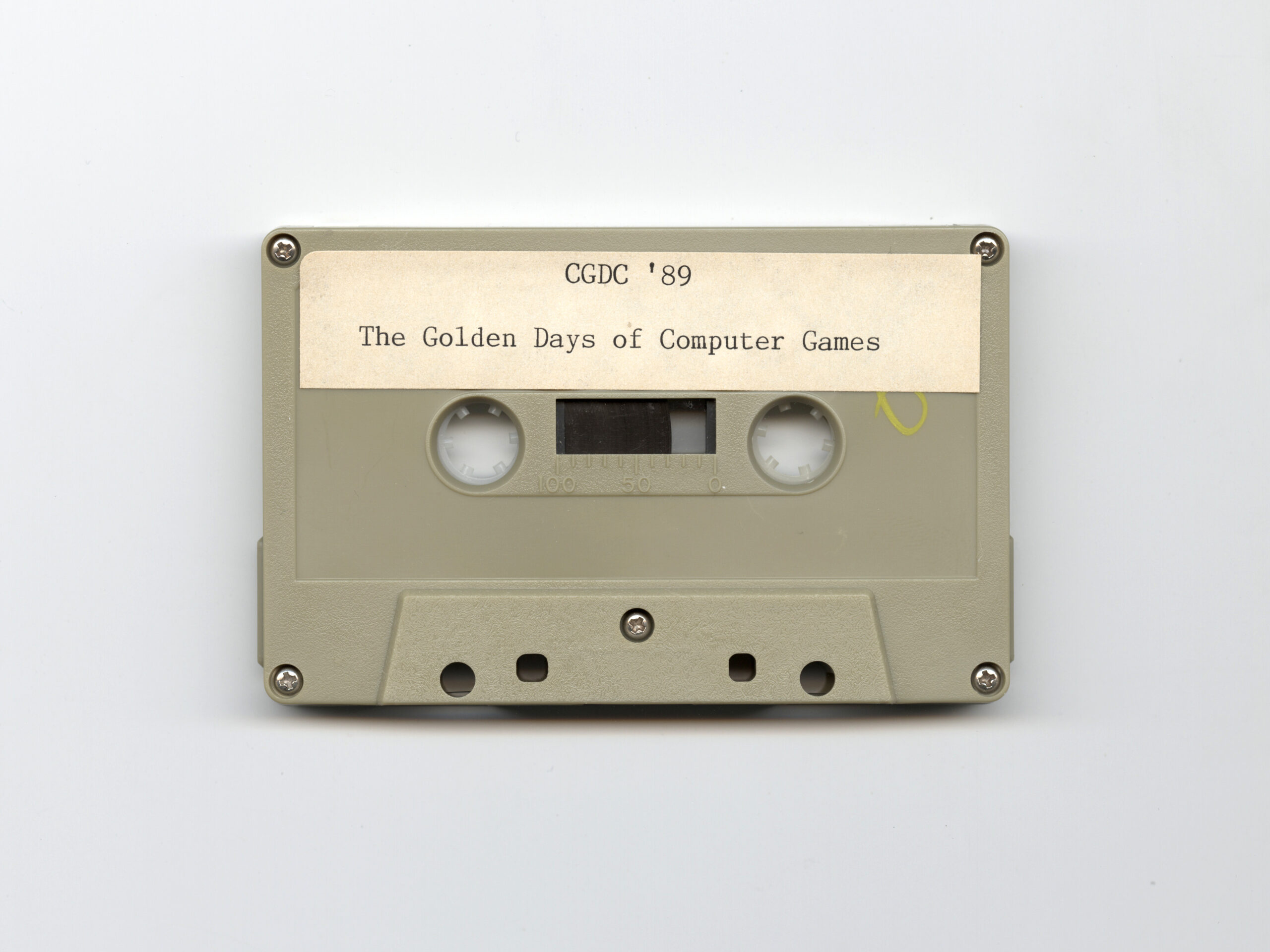
One of the most compelling sessions, titled "The Golden Days of Computer Games," showcases a remarkable assembly of game developers reflecting on the "good old days." The irony is that in 1989, this referred to the early 1980s, a period when developers often packaged their own games in simple Ziploc bags, long before the industry’s massive potential was widely recognized. The panel included Dani Bunten, Steve Cartwright, Chris Crawford, Jon Freeman, and Richard Garriott, offering a collective retrospective on the rudimentary beginnings of their craft. This talk provides a valuable perspective on how quickly the industry was evolving, with early pioneers already looking back with a sense of nostalgia at a time that was, by modern standards, incredibly primitive.
Movies and Games: Navigating the Licensed Property Landscape
"Movies and Games: Living with a License" delves into the complexities of working with intellectual property from other media. Four game producers engage in a candid discussion about the hurdles and opportunities presented by licensed properties. The conversation offers a unique peek into the development of the Three Stooges computer game and provides glimpses of industry gossip surrounding notoriously challenging licensed projects, such as the Barbie game for the Commodore 64, which were evidently well-known within the developer community at the time. This discussion highlights the early struggles and triumphs of integrating established narratives and characters into the interactive medium.
The Press and Games: Building Crucial Relationships
"The Press and Games" explores the vital, and often delicate, relationship between game publishers and the media. This session features an editor from Computer Gaming World and the public relations manager of Accolade, two entities at the forefront of shaping public perception and disseminating information about games. Their joint presentation underscores the realization by developers in 1989 that strategic engagement with the press was crucial for success, a sentiment that remains highly relevant in today’s marketing-driven industry. This exchange provides context for how early game publications influenced consumer choices and industry trends.
Interactive Storytelling: The Evolution of Narrative in Games
Dave Albert from Electronic Arts presents "Interactive Storytelling," a session that begins with a lecture on narrative principles and evolves into a dynamic, Socratic dialogue with the audience. The recording offers a fascinating glimpse into the evolving understanding of how to weave compelling stories within the interactive medium. Albert’s engagement with audience members, including a notable exchange with "Brenda," who could potentially be the influential Brenda Laurel or the esteemed Brenda (Garno) Romero, highlights the intellectual ferment surrounding narrative design. This discussion foreshadows the increasing importance of storytelling in creating immersive and engaging gaming experiences.
The Publishers’ Panel: Navigating Market Dynamics and Future Challenges
Concluding CGDC 1989 was "The Publishers’ Panel," where leading American computer game executives convened to discuss the industry from their vantage point. A central theme of this session was the perceived "slump" in the US computer game market, indicating early cyclical challenges within the industry. The recordings capture a particularly fiery exchange with Trip Hawkins, then a prominent figure, who articulates his strong disapproval of Nintendo’s closed ecosystem practices for its console, predicting that the NES’s dominance would not last indefinitely. This panel offers a critical perspective on the business strategies and competitive landscape that were defining the industry’s commercial trajectory.
A Glimpse into Lost Sessions and Roundtable Discussions
While the newly digitized collection is remarkably comprehensive, it is understood to be missing two talks from CGDC 1989. The status of their recording remains uncertain. Furthermore, there were 22 roundtable discussions held at the conference, including one featuring counterculture icon Timothy Leary. It is believed that these discussions were not recorded, meaning the current collection represents the closest one can get to experiencing the atmosphere of the Sunnyvale Hilton with 300 game designers on the cusp of a new technological and creative era.
The cataloging of this invaluable collection was significantly aided by the Department of Special Collections at Stanford University Libraries. They provided access to a copy of the CGDC 1989 program from the Steve Meretzky papers, a crucial reference document for identifying and organizing the recorded sessions.
A Debt of Gratitude to Preservationists
The Game Developers Conference has graciously granted permission for these historic recordings to be shared. A special acknowledgment is due to GDC co-founder Tim Brengle, who personally undertook the painstaking task of manually dubbing these tapes at the event. His foresight and dedication, realized 37 years after the fact, have preserved a vital piece of technological and cultural history.
Accessible Archives for Future Generations
These recordings are now freely available as part of the Internet Archive’s expanding digital library, a repository dedicated to the preservation of video game history research materials. Such ambitious archival projects are sustained by public support, enabling investments in essential equipment like the new audio digitization technology that facilitated this initiative and will be utilized for future endeavors. The availability of these primary source materials is instrumental for scholars, historians, and enthusiasts seeking to understand the genesis of the modern video game industry.
The digitization of the 1989 Computer Game Developers’ Conference recordings represents a monumental achievement in cultural heritage preservation. It not only allows for a deeper understanding of the industry’s foundational principles and pioneering figures but also serves as a potent reminder of the creative spirit and collaborative ethos that propelled video games from a niche hobby to a dominant global entertainment medium. These echoes from the past offer invaluable context for the present and future of interactive entertainment, underscoring the enduring legacy of those who dared to dream in code and pixels.