Cecilia Chamidah Nur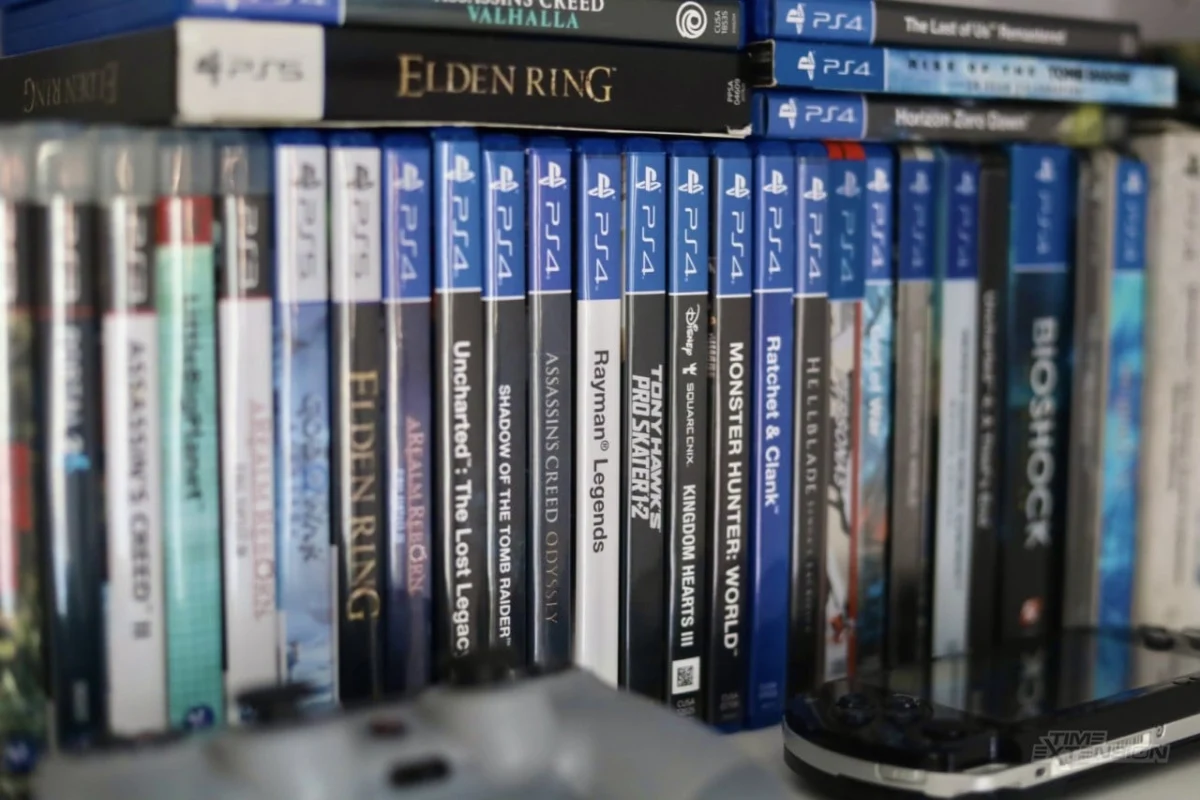
The landscape of console gaming is undergoing a profound transformation, with major industry players increasingly signaling a definitive shift towards a digital-only future. Amidst this evolving environment, Josh Fairhurst, co-founder of the prominent boutique publisher Limited Run Games, has disclosed a long-held, unfulfilled aspiration: to create a "physically-focused platform" designed to safeguard the enduring presence of physical media in gaming. This revelation comes as the industry grapples with Sony’s recent announcement to cease disc production for PlayStation consoles by 2028 and to omit an optical drive from its forthcoming PlayStation 6, a move widely anticipated to be mirrored by Xbox.
The Digital Tide: A Paradigm Shift in Console Gaming
Sony Interactive Entertainment’s declaration in July 2026, confirming the discontinuation of disc-based physical releases for PlayStation consoles by 2028 and the design of the PlayStation 6 without an optical drive, marks a pivotal moment in the history of video games. This strategic pivot underscores a broader industry trend that has seen digital distribution progressively dominate the market over the past decade. Industry reports from 2024 indicated that digital game sales already constituted over 85% of the total market revenue, a figure that has been steadily climbing. The decision by a console giant like Sony, historically a staunch proponent of physical media, to fully embrace digital distribution for its next-generation hardware is a powerful indicator of the industry’s direction.
Microsoft’s Xbox division is widely expected to follow suit. While no explicit announcement has been made regarding the Xbox’s post-current-generation hardware, the company’s prior initiatives, such as the disc-less Xbox One S All-Digital Edition and the heavy emphasis on Xbox Game Pass, clearly illustrate a long-term vision leaning heavily into digital ecosystems. This leaves Nintendo as a unique outlier among the "big three" console manufacturers, with industry analysts in July 2026 suggesting that Sony’s announcement is "unlikely to influence Nintendo’s plans." Nintendo’s continued commitment to physical game cards for its Switch console, and presumably future hardware, reflects its distinct market strategy and a consumer base that often values the tangibility of its game collection.
The Genesis of a Physical Platform Vision

In this rapidly digitizing world, the commitment of individuals like Josh Fairhurst to physical media stands out. Fairhurst, who recently departed Limited Run Games in January 2026 after a decade at its helm, revealed his strategic response to the impending digital future. "Any time I would be asked ‘what do you plan to do when physical media is no longer supported on major platforms?’ my answer was always, ‘we’ll make our own physically-focused platform’," Fairhurst stated. This ambition was born from a deep-seated belief in the intrinsic value of physical ownership and the necessity of preserving gaming’s rich history.
Fairhurst’s vision was not merely about continuing to print discs, but about creating an entire ecosystem – a dedicated console or platform – where physical games would not just be an option, but the primary focus. This concept would inherently challenge the prevailing industry currents, offering a counter-narrative to the convenience and cost-efficiency often touted by digital proponents. For a company like Limited Run Games, which built its reputation on producing limited-edition physical copies of digital-only or niche titles, such a platform would have represented the ultimate embodiment of its core mission. It would have provided a sanctuary for physical media, ensuring that the act of collecting, owning, and interacting with tangible game cartridges or discs remained a viable and celebrated part of the gaming experience.
However, despite the clarity of this vision, Fairhurst admitted that significant progress on the idea never materialized during his tenure at Limited Run Games. "I never made much progress on this idea while I was at LRG," he conceded, hinting at the myriad operational challenges and strategic considerations inherent in such an ambitious undertaking, particularly for a company primarily focused on publishing rather than hardware development.
Limited Run Games’ Legacy and Fairhurst’s Departure
Limited Run Games, co-founded by Josh Fairhurst and Douglas Bogart in 2015, emerged as a response to the growing concern among collectors and preservationists regarding the ephemeral nature of digital-only releases. The company specialized in producing limited, physical editions of digital games that might otherwise never see a physical release, often for independent developers. This model resonated strongly with a segment of the gaming community, transforming Limited Run Games into a significant player in the boutique publishing space. Over its ten-year history, the company has released hundreds of titles across various platforms, cultivating a passionate fanbase dedicated to physical ownership.
Fairhurst’s departure from Limited Run Games in January 2026 marked the end of an era for the company he helped build. Under his leadership, LRG not only carved out a niche but also became a vocal advocate for physical game preservation. His exit, however, has raised questions about the future direction of the company, especially concerning its ability to innovate in an increasingly digital landscape.
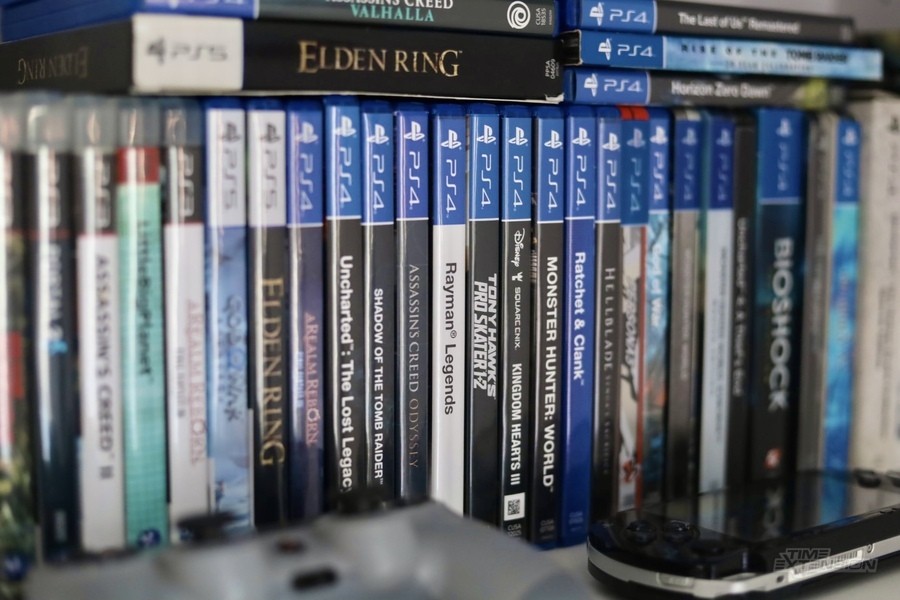
The strategic landscape further complicated Fairhurst’s personal aspiration for a physical platform. Limited Run Games’ acquisition by Embracer Group in 2022, and its subsequent integration into the Plaion (formerly Koch Media) publishing arm, introduced new corporate dynamics. Plaion, itself a major player in physical distribution for various platforms, already possesses an established infrastructure and strategic priorities. Fairhurst candidly acknowledged this reality: "With LRG’s parent company owning Plaion, who has their own physical console business line, I don’t really see this being something that is ever realistically pursued." The inherent conflict of interest and the substantial capital investment required to develop and launch a new console platform made his dream a corporate impossibility within the existing structure.
The Broader Fight for Physical Media and Game Preservation
Fairhurst’s commitment to physical media extends beyond his past role at Limited Run Games. Even after his departure, he remains a staunch advocate, emphasizing its critical role in game preservation. "I remain committed to continuing to fight for physical media," he stated on social media. "It’s a vital component of preserving our medium’s history, and I don’t take it lightly that it’s fading away."
The argument for physical media as a cornerstone of game preservation is multifaceted. Digital-only games are inherently tied to storefronts and servers, which can be shut down, leading to games becoming inaccessible. Licensing agreements can expire, publishers can go defunct, and older hardware may eventually lose support for digital downloads. Physical media, in contrast, offers a degree of permanence. A game disc or cartridge, once purchased, can be played indefinitely, provided compatible hardware exists. This allows future generations to experience gaming history directly, without reliance on a publisher’s ongoing support or server infrastructure.
The gaming community, particularly collectors and archivists, has long championed this cause. Organizations like the Video Game History Foundation and individual enthusiasts tirelessly work to document, acquire, and preserve physical copies of games. They highlight instances where digital storefronts have removed games, rendering them unplayable for new purchasers and challenging their long-term availability even for existing owners if re-downloads become impossible. The fading away of physical media on major platforms, therefore, represents a significant threat to the comprehensive and accessible preservation of video game culture.
The Enduring Role of Boutique Publishers
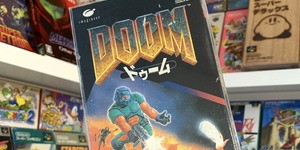
Despite the retreat of major console manufacturers from physical media, boutique publishers like Limited Run Games and Retro-Bit are poised to continue their operations. Their business model thrives on catering to niche markets and collector communities who still demand physical editions. Fairhurst’s observation that "the Sega Genesis, SNES and Game Boy are no longer in active production, yet we’re still getting new physical releases on these systems" perfectly illustrates this enduring market. Companies like Retro-Bit regularly release new cartridges for classic consoles, demonstrating a sustained demand for physical retro gaming experiences.
This phenomenon is not merely nostalgic; it speaks to a fundamental desire for ownership and tangibility. For many, a game collection is a cherished library, not just a list of digital licenses. Boutique publishers tap into this sentiment, offering carefully curated, often enhanced, physical editions that elevate the experience beyond a simple download. They represent a decentralized, grassroots effort to keep physical media alive, independent of the strategic decisions of console giants. Their continued success, even as mainstream retail channels for physical games diminish, underscores the resilience of the collector market and the deep value placed on physical artifacts by a dedicated segment of gamers.
Market Dynamics and Consumer Trends
The shift to digital distribution is driven by several factors, including lower production and distribution costs for publishers, instant accessibility for consumers, and the rise of subscription services like Xbox Game Pass and PlayStation Plus. For publishers, digital storefronts eliminate manufacturing, packaging, shipping, and retail markup expenses, leading to higher profit margins. For consumers, digital downloads offer immediate gratification, pre-loading capabilities, and the convenience of not needing to swap discs.
However, this convenience comes with trade-offs. Digital ownership is often a license to play rather than true ownership of the software, meaning terms can change, or access can be revoked. The secondary market for digital games is non-existent, unlike physical games which can be resold, traded, or lent. This impacts consumer choice and the long-term value of game purchases. The collector market, on the other hand, actively seeks out physical editions for their intrinsic value, aesthetic appeal, and perceived permanence. Limited Run Games’ model, for instance, capitalized on the scarcity and collectible nature of its releases, creating a vibrant secondary market for its products.
Data from market research firms consistently show the declining share of physical game sales. For example, in the UK, GfK Entertainment reported that physical game sales in 2023 accounted for less than 15% of the total market, a significant drop from previous years. In the US, NPD Group (now Circana) data similarly highlighted the dominance of digital. While these figures indicate a broad consumer preference for digital, they do not negate the existence or significance of the niche physical market that Fairhurst and companies like Limited Run Games serve.

The Future of Physical Ownership: Implications and Continued Advocacy
The implications of a predominantly digital console landscape are far-reaching. For consumers, it means a potential loss of true ownership, reduced options for reselling or trading games, and increased reliance on platform holders’ digital infrastructures. For developers, it could mean greater control over distribution and direct access to consumers, but also heightened competition in crowded digital storefronts. For game preservation, the challenges become more acute, necessitating proactive digital archiving efforts alongside the continued fight for physical releases.
Josh Fairhurst, now operating independently, remains a significant voice in this ongoing debate. He assures the community that his commitment to physical media is unwavering. "I am working on several projects that will fully embrace physicality," he revealed. While details are scarce and "it will be a while before anything is announced," his statement offers a glimmer of hope for those who fear the complete eradication of physical ownership. His dedication, shared by many others in the industry, suggests that the fight is far from over. "Take whatever little solace you can in knowing there’s plenty of people in this industry that will not let physical ownership die," Fairhurst urged, echoing the defiant slogan of his former company: "forever physical."
The narrative of physical vs. digital in gaming is not simply a matter of preference; it touches upon fundamental questions of consumer rights, historical preservation, and the very nature of cultural artifacts in a digital age. While major console manufacturers may be charting a course towards a disc-less future, the passion and ingenuity of individuals like Josh Fairhurst, alongside dedicated boutique publishers and a vocal community of collectors, ensure that the battle for physical ownership and the preservation of gaming’s tangible legacy will continue to be fought on new fronts. The dream of a physically-focused platform, though unfulfilled within Limited Run Games, may yet find expression in future endeavors, driven by an unyielding belief in the enduring power of physical media.