Cecilia Chamidah Nur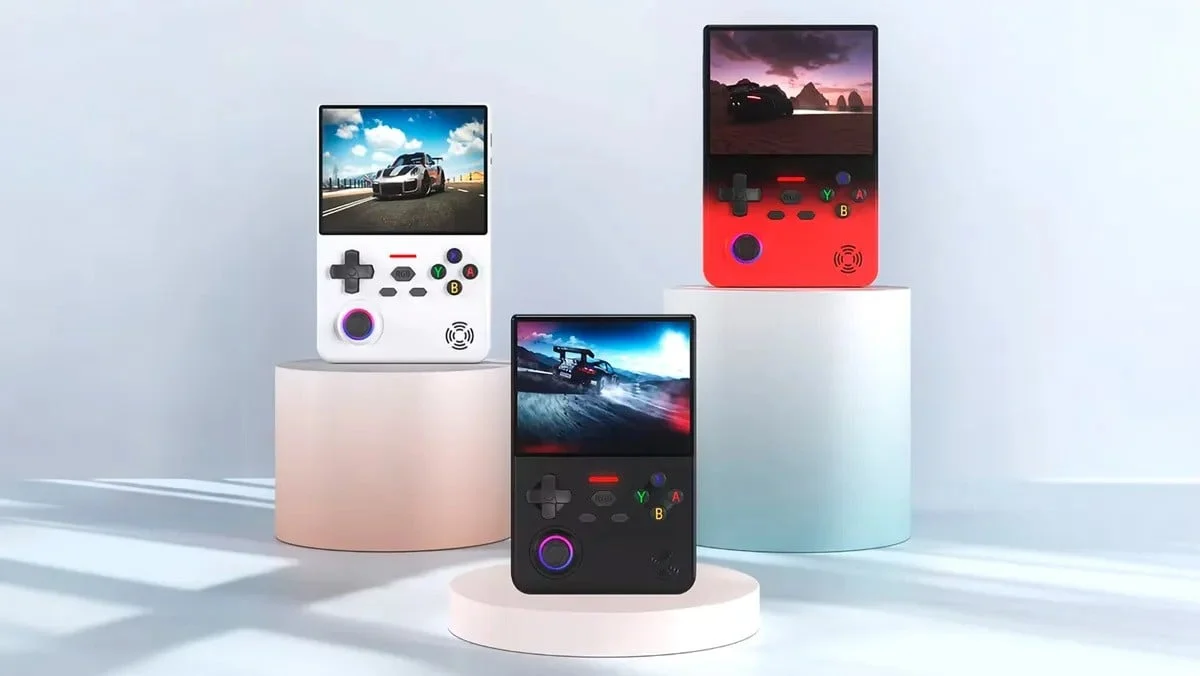
Lenovo, a global technology giant primarily known for its personal computers and enterprise solutions, has initiated a formal investigation into the distribution of its G02 emulation handheld, following widespread reports that the device is being sold with preloaded copyrighted ROMs. The company asserts that any illicit content found on these devices was added by third parties without Lenovo’s knowledge or explicit approval, raising significant questions about brand oversight, regional licensing agreements, and the complexities of the global grey market for consumer electronics.
The Genesis of a Controversy: A $63 Handheld Bearing a Global Brand
The controversy first surfaced around Thursday, May 21, 2026, when technology and retro gaming enthusiasts began noticing an unusually cheap emulation handheld, priced at approximately $63, appearing on AliExpress. What immediately caught attention was the prominent Lenovo branding emblazoned on the device. This was particularly surprising given Lenovo’s established reputation as a leading multinational technology company, a stark contrast to the often-anonymous or lesser-known brands typically associated with budget-friendly, Chinese-manufactured emulation devices.
The discovery prompted immediate scrutiny from various tech publications and retro gaming communities. Among the first to delve into the matter was Retro Dodo, a prominent voice in the retro handheld space, which acquired a unit for review. Their findings confirmed widespread suspicions: the G02 handheld came pre-loaded with hundreds of copyrighted ROMs. This practice, while common among many Chinese-made emulation devices sold through unofficial channels, became a significant issue due to the presence of a globally recognized brand like Lenovo. The inclusion of copyrighted material, often without proper licensing, directly implicates the brand in potential intellectual property infringement.
Lenovo’s Initial Acknowledgment: A Regional Licensing Agreement
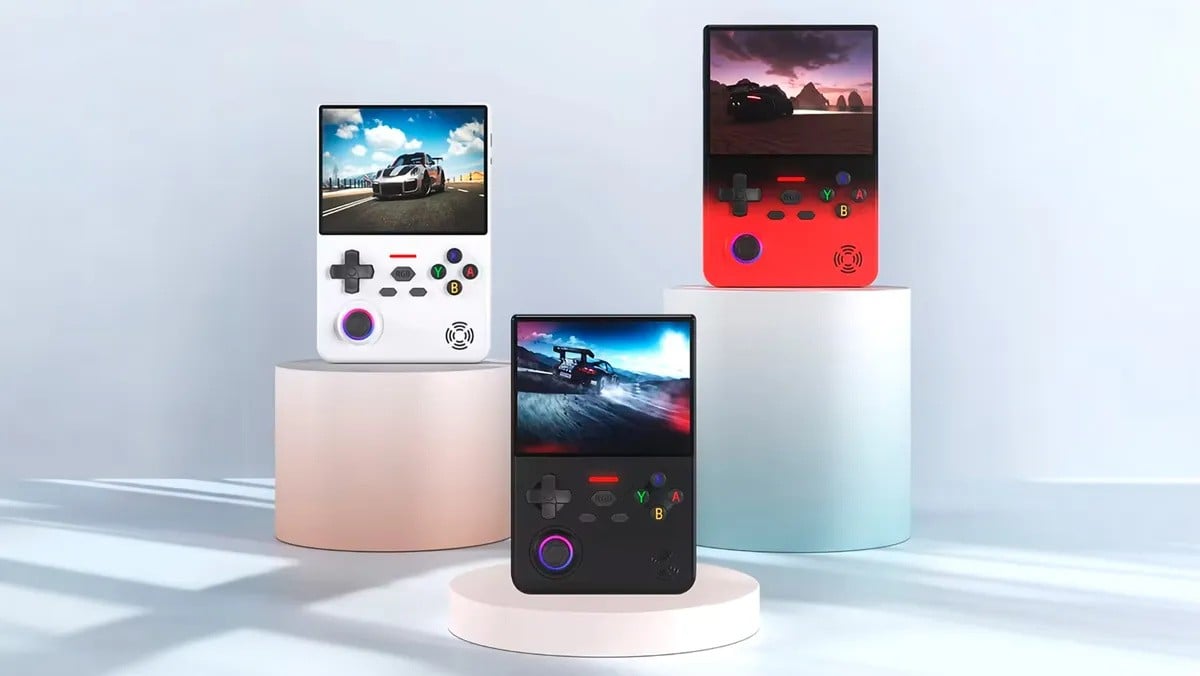
Initially, when contacted by Retro Dodo and other outlets, Lenovo confirmed the legitimacy of the G02, albeit with a crucial caveat. The company issued a statement clarifying that: "The G02 device is produced through a regional brand licensing agreement meant for the China market only and is not part of Lenovo’s official global product portfolio. As such, products developed through these agreements may differ from Lenovo products sold through authorised channels. Thank you for your concern about Lenovo and for flagging this."
This statement unveiled a common, yet often complex, aspect of global manufacturing and distribution: brand licensing. In essence, Lenovo had licensed its brand name to another entity specifically for the Chinese market. This licensee then contracted a manufacturer to produce the G02, which was subsequently sold under the Lenovo brand within that specific region. This model allows large corporations to penetrate niche markets or offer different product tiers without directly investing in their development and distribution, leveraging local expertise and supply chains. However, it also introduces layers of separation and potential challenges in maintaining consistent brand standards and legal compliance across diverse jurisdictions.
The "White-Label" Reality and the Surge of Emulation Devices
Further investigation, notably by Tom’s Hardware, revealed that the G02 is essentially a "white-label" device. This term refers to a product manufactured by one company (the OEM, or Original Equipment Manufacturer) that is then rebranded and sold by another company (the marketer). In the context of the G02, it means Lenovo itself did not directly design or manufacture the device but instead sourced it from a different supplier who then applied the Lenovo branding under the aforementioned licensing agreement. This practice is prevalent in the consumer electronics industry, especially for mass-produced goods, enabling brands to quickly expand their product lines without extensive R&D or manufacturing investment.
The emergence of the G02 also highlights the booming market for retro gaming emulation handhelds. These devices, ranging from budget-friendly options to more premium offerings like Valve’s Steam Deck or Lenovo’s own Legion Go, cater to a growing demand for portable gaming, particularly nostalgic titles. The market for dedicated emulation handhelds has seen significant growth, with projections indicating a continued upward trend, driven by advancements in mobile chipsets and a thriving community of retro gaming enthusiasts. Many devices, particularly those originating from Chinese manufacturers and sold through online marketplaces, frequently come preloaded with vast libraries of classic games. While the act of emulation itself is often considered legal (provided no copyrighted code is used from the original console BIOS), the distribution of ROMs (Read-Only Memory files of game cartridges or discs) without the copyright holder’s permission is a clear violation of intellectual property laws in most jurisdictions.
Lenovo’s Swift Response: An Investigation and a Stance Against Piracy
The mounting pressure and direct inquiries from publications like Tom’s Hardware prompted Lenovo to take a more definitive stance. On Wednesday, May 27, 2026, Lenovo announced a formal investigation into the allegations surrounding the preloaded ROMs on the G02 handheld. The company clarified its position, stating unequivocally that devices officially distributed by Lenovo or its authorized licensees in the China market do not include memory cards or preinstalled games.
In a statement to Tom’s Hardware, Lenovo articulated its official position: "Devices officially distributed by Lenovo or its authorized licensees in the China market do not include memory cards or preloaded games. Any software or content found on devices sold outside of authorized channels may have been added by third parties without Lenovo’s knowledge or approval. Any content installed by the user—and any issues that may arise—are the sole responsibility of the user of the device, as explicitly stated in its instruction manual."
This statement effectively shifts responsibility away from Lenovo itself, suggesting that the illicit bundling of ROMs is the work of unauthorized third-party resellers operating within the grey market. These resellers often add perceived value to products by including pirated software or content, making them more attractive to price-sensitive consumers. This practice is particularly rampant in the sale of Chinese-made emulation devices, where the inclusion of hundreds or thousands of games, often featuring beloved characters from major intellectual property holders like Nintendo, Sega, or Sony, is a common sales tactic. The statement also emphasizes user responsibility, a standard disclaimer in product manuals, but one that gains particular significance when illicit content is involved.
The Disappearance from AliExpress and Broader Implications
In a related development, Retro Dodo confirmed that the G02 handheld was no longer available for sale on AliExpress shortly after Lenovo’s public statement and the initiation of its investigation. This removal, whether initiated by AliExpress in response to complaints or by the sellers themselves, signifies the immediate impact of the controversy and the potential legal and commercial risks associated with selling products preloaded with pirated content, especially when a major brand is involved. Online marketplaces like AliExpress operate under varying degrees of intellectual property enforcement, but sustained negative publicity and direct pressure from large corporations can often lead to swift action.
The incident carries significant implications for Lenovo and the broader consumer electronics market:

- Reputational Risk for Lenovo: Despite operating through a regional licensing agreement, the Lenovo brand name is intrinsically linked to the G02. Allegations of facilitating piracy, even indirectly, can tarnish a global brand’s image, especially one that is actively expanding into the legitimate gaming market with products like the Legion Go handheld. Maintaining brand integrity across diverse product portfolios and regional partnerships is a perpetual challenge for multinational corporations.
- Challenges of Brand Licensing: The G02 case highlights the inherent risks of brand licensing, particularly in regions with different legal interpretations or enforcement of intellectual property rights, such as China. While licensing can offer market penetration, it necessitates robust oversight mechanisms to ensure partners adhere to global brand standards and legal compliance. Lenovo’s investigation will likely scrutinize the terms of its regional licensing agreement and the due diligence processes involved.
- The Grey Market Ecosystem: The incident sheds light on the pervasive nature of the grey market, where products are sold outside official distribution channels, often with modifications or additions not approved by the original brand. These markets thrive on exploiting loopholes and consumer demand for cheaper, albeit potentially illicit, goods. For consumers, purchasing from such channels carries risks, including lack of warranty, support, and potential legal exposure if found possessing pirated content.
- Intellectual Property Enforcement: The involvement of preloaded ROMs, particularly those from major video game publishers, raises the specter of legal action from copyright holders. Companies like Nintendo are notoriously vigilant in protecting their intellectual property, and any association with piracy, even indirect, can attract their attention. While Lenovo has distanced itself, the incident underscores the ongoing battle against digital piracy in the gaming industry.
- Consumer Awareness: This event serves as a reminder for consumers to exercise caution when purchasing electronic devices, especially from unofficial channels or at prices that seem too good to be true. The allure of preloaded games often masks underlying issues of piracy and lack of legitimate support.
Moving Forward: Oversight and Accountability
As Lenovo’s investigation unfolds, several key areas will be under scrutiny. The company will likely need to determine the exact point in the supply chain where the ROMs were introduced. Was it the white-label manufacturer, the regional licensee, or the unauthorized third-party resellers? Identifying the culprit is crucial for accountability and for preventing future occurrences. Furthermore, Lenovo may need to re-evaluate its brand licensing agreements, potentially implementing stricter clauses regarding software bundling and distribution, and enhancing its oversight mechanisms for regional partners.
The G02 handheld saga underscores the intricate challenges faced by global technology brands navigating diverse markets, varying legal frameworks, and the ever-present threat of intellectual property infringement within the booming, yet often unregulated, grey market for consumer electronics. The outcome of Lenovo’s investigation will not only impact the company’s brand strategy but could also set precedents for how major tech players manage their brand presence in the complex world of regional licensing and third-party distribution. For now, the G02 remains a symbol of the double-edged sword that is brand licensing – offering market reach, but demanding unwavering vigilance.