Hartono Sudibyo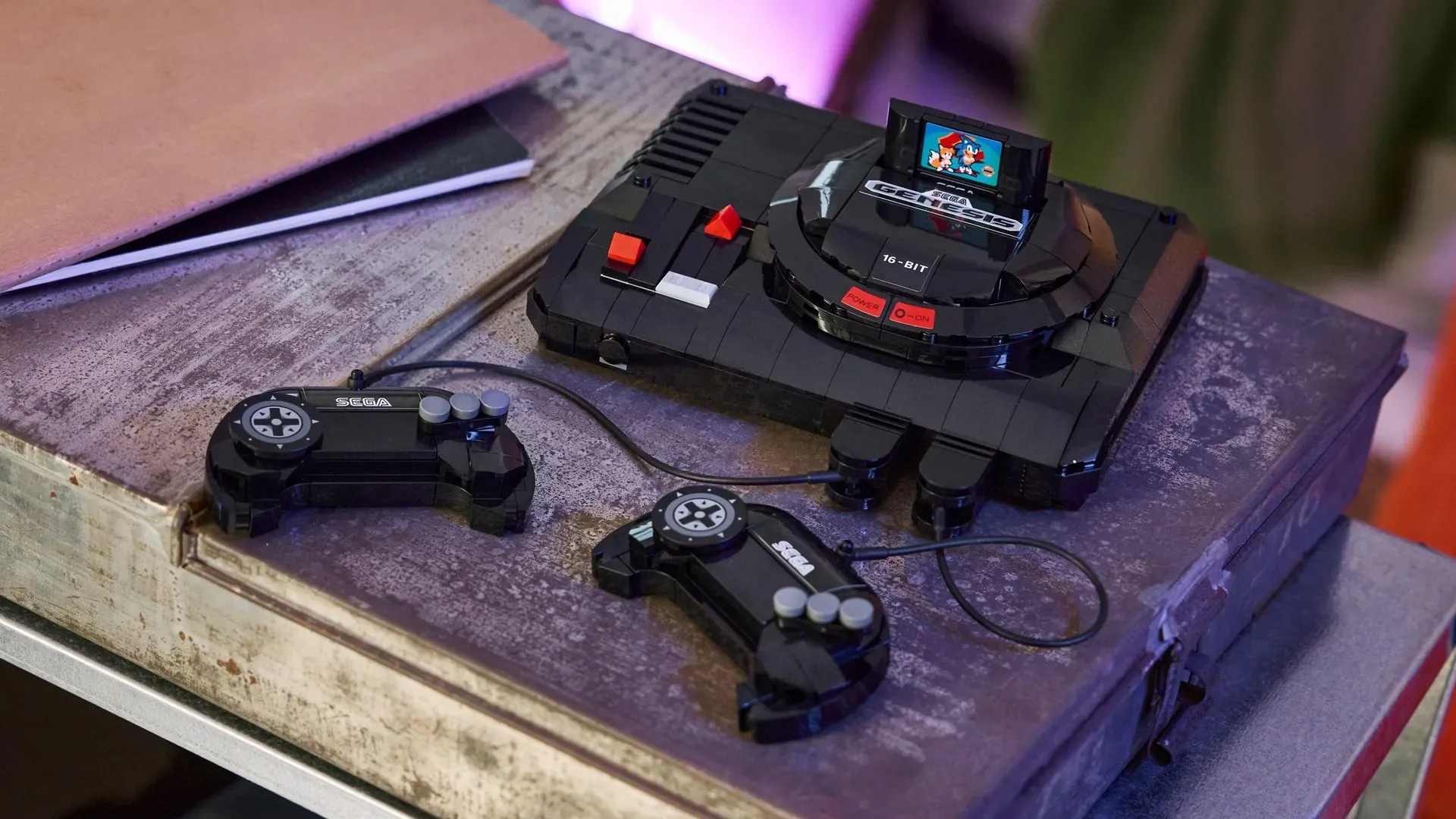
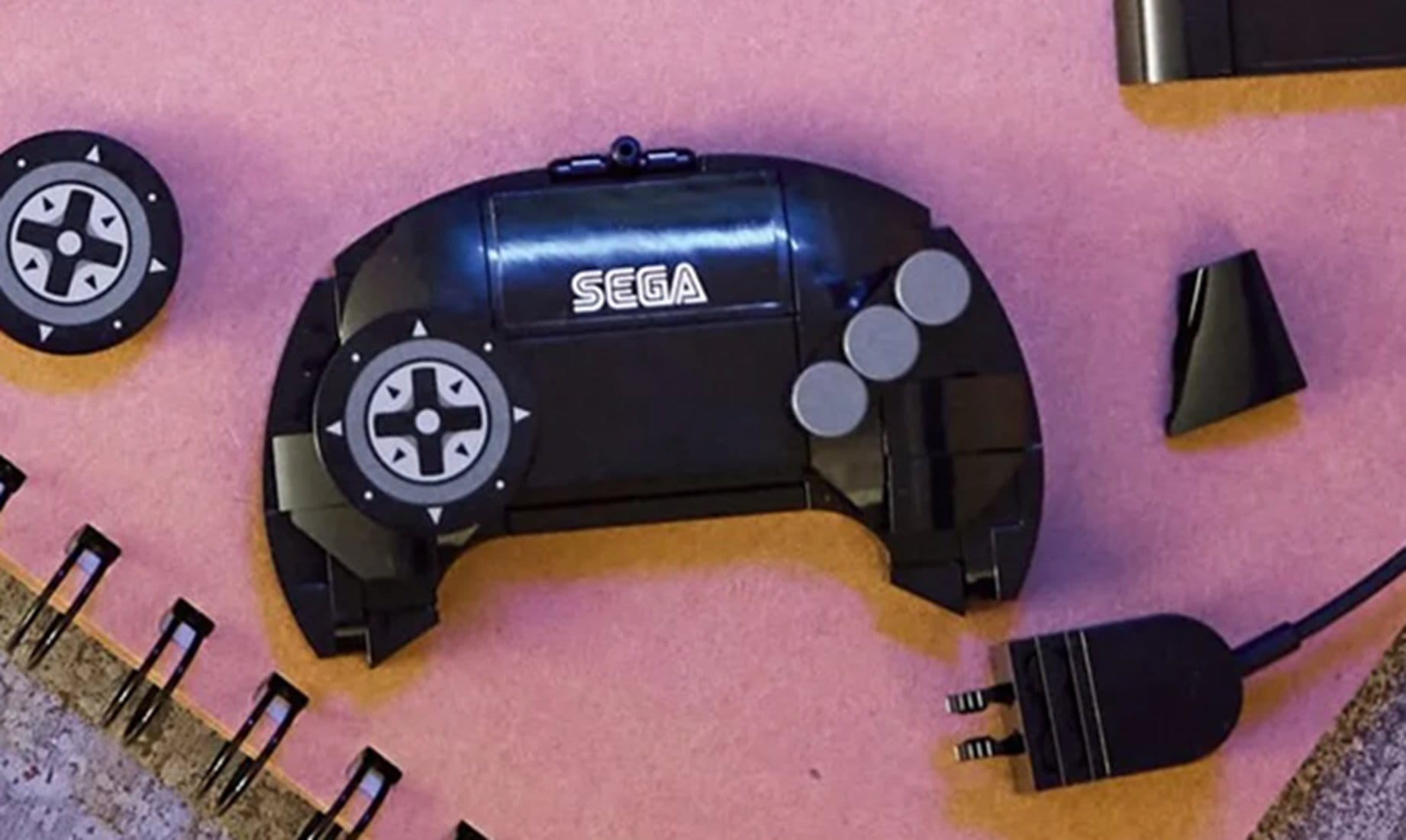
The LEGO Group, renowned for its innovative approach to beloved franchises, has recently unveiled a new building set inspired by the iconic SEGA Genesis (Mega Drive) console. While the company continues its successful foray into the retro gaming market, with previous releases like the Nintendo Game Boy and a SEGA Genesis controller garnering positive reception, this latest offering has ignited a wave of disappointment and criticism among dedicated fans. The core of the discontent lies in the perceived lack of detail, scale, and overall fidelity compared to earlier, more ambitious retro gaming projects from LEGO, leaving many to question the design choices and the potential for a truly comprehensive tribute to a legendary console.
A Legacy in Plastic: LEGO’s Continued Embrace of Retro Gaming
LEGO’s foray into the world of video game nostalgia has been a significant success, tapping into a rich vein of consumer interest. The company’s strategy of collaborating with major gaming brands to produce detailed, interactive models has resonated deeply with both LEGO enthusiasts and long-time gamers. The SEGA Genesis controller set, released previously, was lauded for its accuracy and the enjoyable building experience it offered, serving as a testament to LEGO’s capability in capturing the essence of classic gaming hardware. This success naturally led to anticipation for a more substantial SEGA-themed release, specifically a full console set, a sentiment echoed by many builders and collectors.
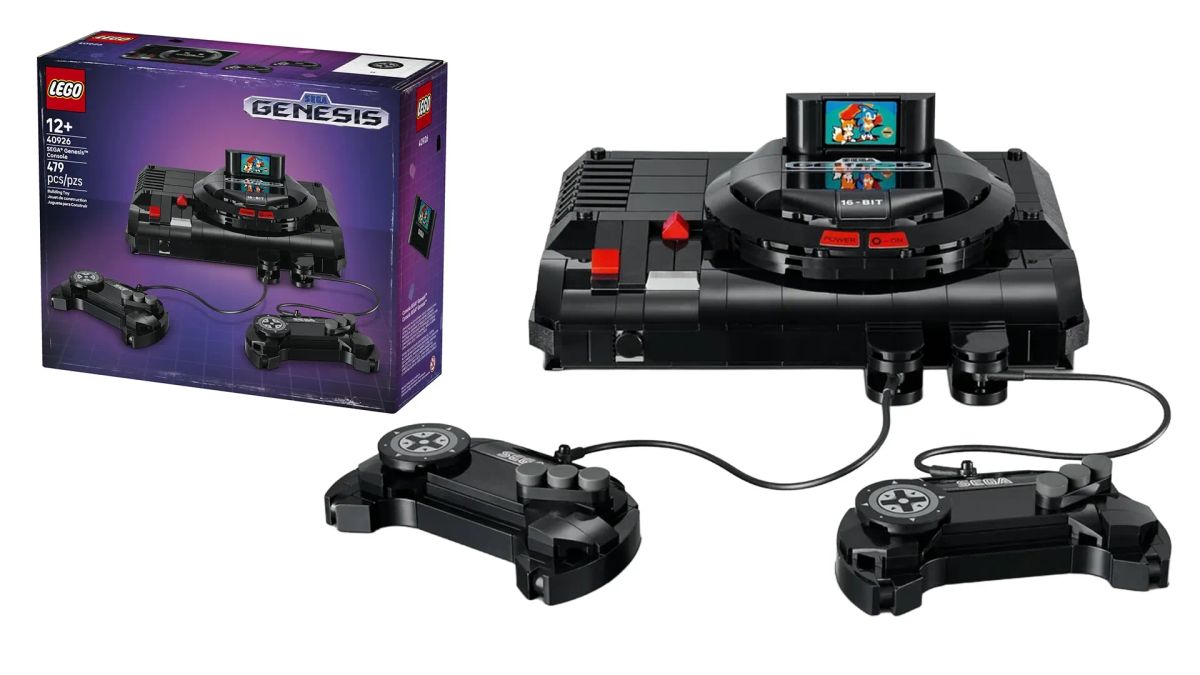
The announcement of a dedicated SEGA Genesis/Mega Drive set, featuring representations of both its North American and European variants, was initially met with excitement. However, the revealed details have since tempered that enthusiasm, leading to a vocal backlash on social media and fan forums. The set, comprising 479 pieces and priced at $39.99 USD (£34.99 / €39.99), is scheduled for release on June 1st. While the price point is undeniably attractive, many fans feel it comes at the cost of quality and authenticity, particularly when juxtaposed with LEGO’s previous, larger-scale retro gaming endeavors.
The Benchmark: Comparing the Genesis Set to Previous LEGO Retro Consoles
The critical disappointment stems from a stark contrast with the LEGO Nintendo Entertainment System (NES) set, released in 2020. That particular set was a monumental undertaking, featuring over 2,600 pieces, a detailed NES console, a controller, and, most notably, a functioning CRT television with a crank that allowed users to play a brick-built Mario within the on-screen game. This ambitious set set a high bar for what fans could expect from LEGO’s retro gaming line. It was a comprehensive package that not only celebrated the NES but also offered an interactive and engaging experience, demonstrating a significant investment in detail and fan service.
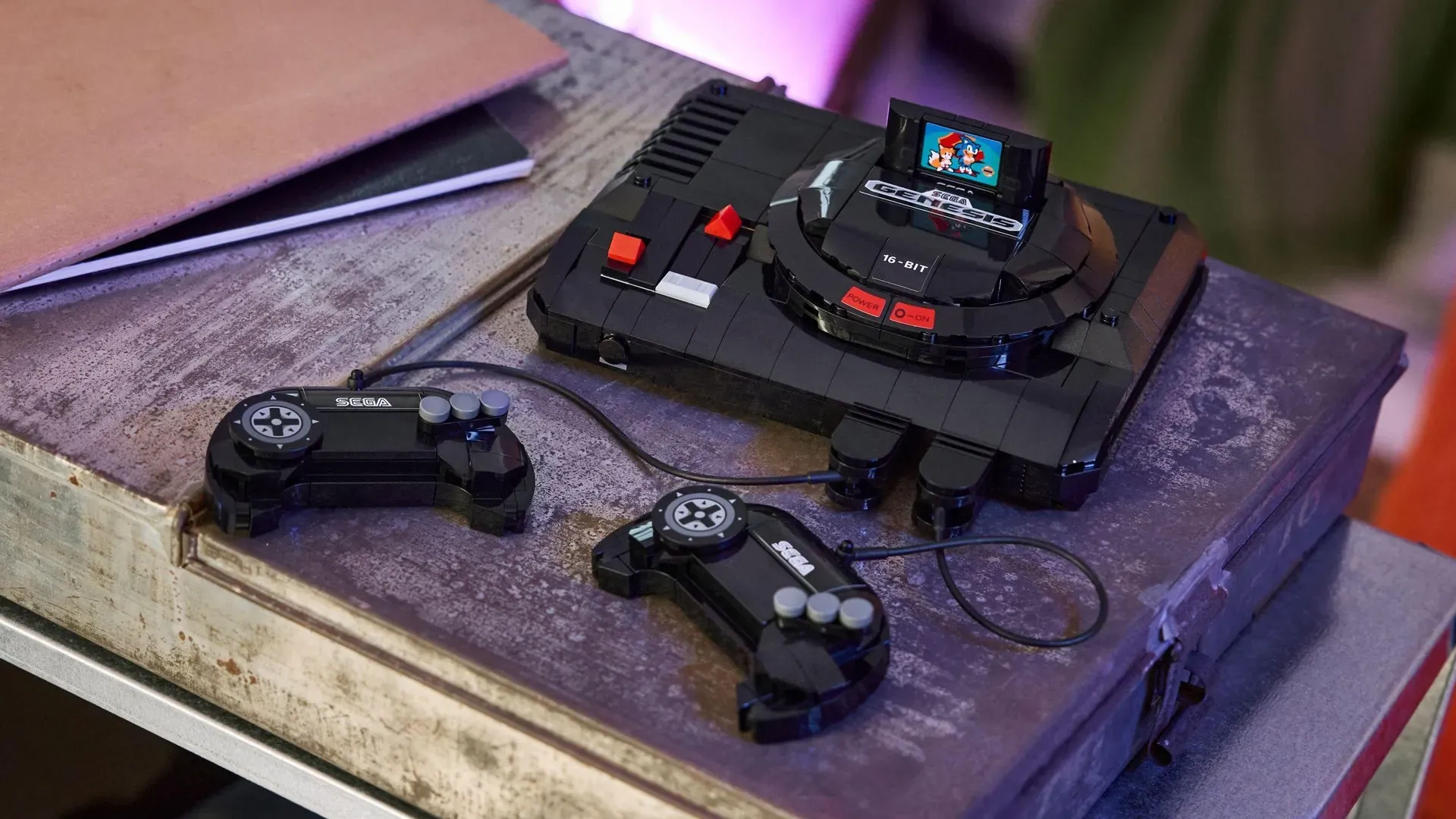
In contrast, the new SEGA Genesis/Mega Drive set is considerably smaller, both in piece count and physical dimensions. Critics argue that this reduction in scale has led to compromises in accuracy and aesthetic appeal. Images of the set reveal a console that, while recognizable, appears simplified and lacking the nuanced details that characterized the original hardware. The accompanying controller, though the subject of a previous standalone set, is integrated into this smaller model in a way that some feel diminishes its impact. This perceived "corner-cutting" has led to accusations that the set feels rushed and lacks the passion and meticulous attention to detail that fans have come to expect from LEGO, especially given the company’s proven ability to deliver on larger, more complex projects.
Fan Reactions and the Social Media Uproar
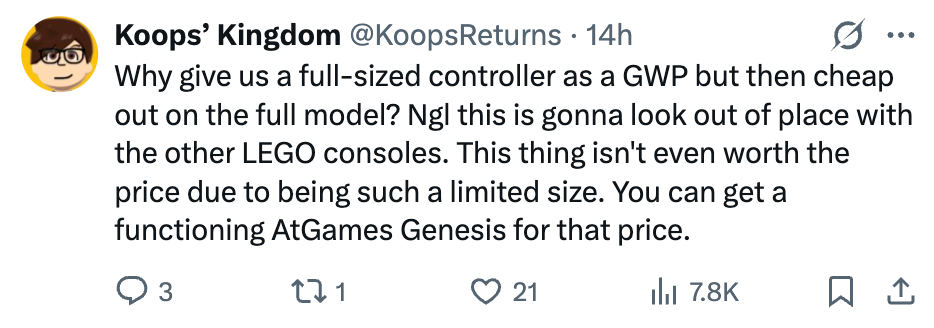
The online reaction to the SEGA Genesis/Mega Drive LEGO set has been overwhelmingly negative, with fans expressing their frustration across various platforms. Hashtags and discussions on social media sites like X (formerly Twitter), Reddit, and dedicated LEGO fan forums are rife with comments criticizing the set’s size, accuracy, and overall presentation. Many users have shared side-by-side comparisons with images of the original console and the LEGO rendition, highlighting perceived shortcomings.
Comments frequently describe the set as "terrible," "half-assed," and a "missed opportunity." One recurring sentiment is that the set feels like a "quick cash grab" rather than a genuine tribute to a beloved gaming icon. The inclusion of a hidden Sonic the Hedgehog easter egg, while a nice touch, has been insufficient to assuage the broader concerns about the set’s fidelity. The comparison to the much larger and more interactive NES set is a constant refrain, with many fans lamenting the apparent downgrade in ambition and execution for this SEGA-themed release.
Analyzing the Design Choices and Potential Implications
The pricing and piece count suggest a strategic decision by LEGO to target a more accessible price point, potentially aiming to attract a broader audience or to offer a more budget-friendly option within their retro gaming collection. However, this decision appears to have alienated a core segment of their most dedicated fans: the collectors and enthusiasts who value authenticity and detail.
The implications of this fan backlash could be significant for LEGO’s future retro gaming releases. If the company perceives that a lower-cost, less detailed approach garners widespread criticism, they may reconsider their strategy for future collaborations. Conversely, if the set proves to be a commercial success despite the negative feedback, it could signal a shift towards prioritizing affordability over intricate design in this particular product line.

The SEGA Genesis/Mega Drive holds a special place in the hearts of many gamers. For some, it was their very first introduction to the world of home consoles. The disappointment expressed by these individuals is not merely about a toy; it’s about the representation of a formative piece of their personal history and a significant era in gaming. The feeling that this tribute is subpar can be deeply disheartening.
Background and Context: The SEGA Genesis/Mega Drive Era
The SEGA Genesis, known as the Mega Drive outside of North America, was a pivotal console in the 16-bit era of video gaming. Launched by SEGA in Japan in 1988 and in North America in 1989, it emerged as a direct competitor to Nintendo’s Super Nintendo Entertainment System (SNES). The Genesis quickly carved out a distinct identity with its edgier marketing, superior processing speed, and a library of games that often appealed to an older demographic.

Key titles like Sonic the Hedgehog, Streets of Rage, Mortal Kombat, and Phantasy Star defined the console’s appeal and contributed to SEGA’s significant market share during the early to mid-1990s. The console’s distinctive design, with its sleek, dark grey casing and prominent cartridge slot, is instantly recognizable to millions of gamers worldwide. Its success cemented SEGA’s position as a major player in the console wars and left an indelible mark on gaming history.
The SEGA Genesis/Mega Drive LEGO Set: Specific Criticisms
Detailed examination of the set reveals several points of contention:

- Console Accuracy: While the overall shape is recognizable, many fans point to the lack of precise detailing on the console’s vents, ports, and button placement. The proportions are also perceived as being slightly off, contributing to a less authentic appearance.
- Controller Design: Although a SEGA Genesis controller was previously released as a standalone set, its integration into this smaller console model has drawn criticism. Some feel it is disproportionately sized or lacks the finer details of the original controller.
- Cartridge Functionality: Unlike the NES set which included a playable cartridge, the Genesis set’s cartridge appears to be a static, non-functional piece. This is a notable omission for a console where the cartridge was a central element of the gaming experience.
- Scale and Size: The most significant criticism revolves around the set’s diminutive size. Compared to the substantial LEGO NES, the Genesis set appears to be a significantly scaled-down representation, leading to the perception of reduced value and effort.
- Lack of Interactivity: The absence of any interactive elements, such as a playable game or a more detailed mechanism, further distinguishes it from the highly interactive NES set, contributing to the feeling of a less engaging build.
LEGO’s Strategy and Potential Future Directions
The LEGO Group has consistently demonstrated an ability to adapt its product lines to meet evolving consumer demands and market trends. Their success with licensed themes, including those from the gaming world, underscores this adaptability. The company’s approach to the SEGA Genesis/Mega Drive set may reflect a strategic effort to diversify their retro gaming offerings, potentially catering to different consumer segments with varying price sensitivities.
However, the strong negative reaction from a vocal and passionate fan base cannot be ignored. It suggests that for iconic retro consoles, there is a significant appetite for detailed, high-quality representations that honor the legacy of these machines. If LEGO aims to maintain its reputation for delivering exceptional fan-centric products, they may need to strike a more delicate balance between affordability and authenticity in future releases.

The company could consider several avenues to address these concerns:
- Tiered Releases: Offer both a more affordable, smaller set and a premium, larger-scale option for highly sought-after consoles.
- Fan Feedback Integration: Actively solicit and incorporate fan feedback during the design and development phases of future retro gaming sets.
- Enhanced Detail: For future console sets, prioritize accuracy in detailing, proportion, and the inclusion of interactive or displayable elements that capture the essence of the original hardware.
The success of the LEGO Game Boy and the previous SEGA controller set proves that LEGO can deliver high-quality, accurate retro gaming builds. The current SEGA Genesis/Mega Drive set, however, appears to have fallen short of the expectations set by these earlier successes and the enduring legacy of the console it represents. The coming months will reveal whether this vocal fan outcry influences LEGO’s future approach to its highly popular retro gaming line.