Cecilia Chamidah Nur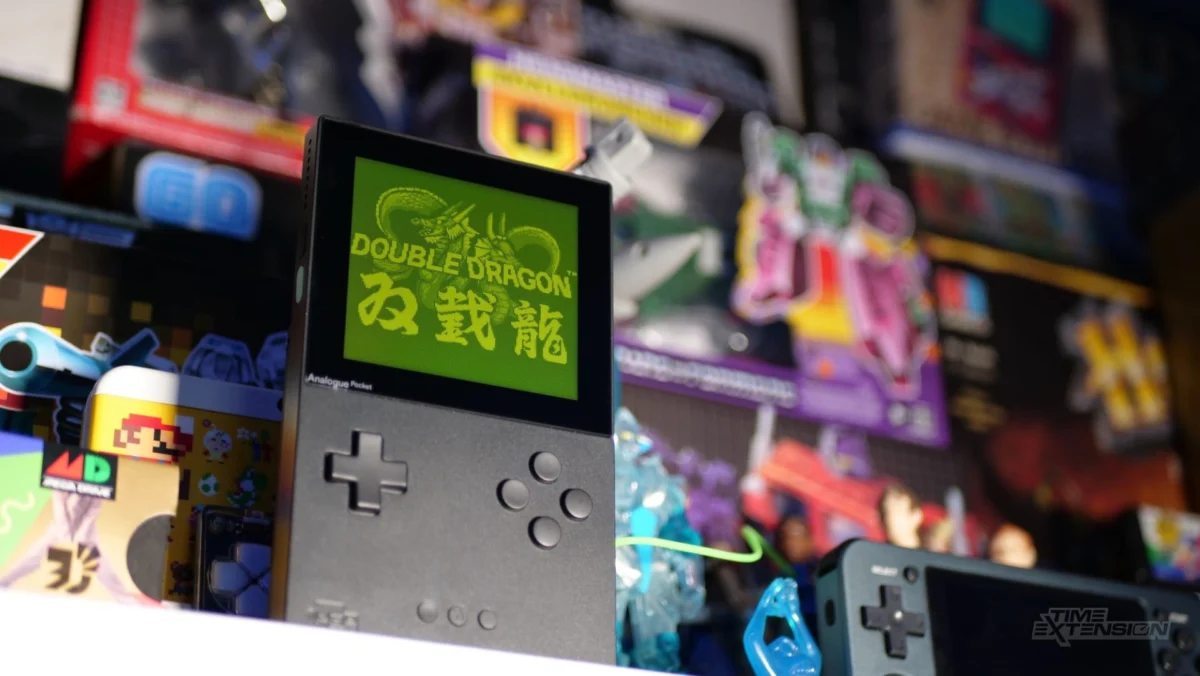
The core of the problem, as highlighted by Krikzz, the renowned maker of Everdrive flash carts, centers on a specific hardware-related flaw observed in the newer batches of the Analogue Pocket. According to detailed observations, when the Analogue Pocket attempts to write data to a file on an Everdrive flash cart – a common operation for saving game progress or system settings – the process leads to file system sector corruption. This anomaly, which is notably absent in older Analogue Pocket units running the identical firmware, strongly suggests a hardware alteration or defect within the latest production runs.
Understanding the Analogue Pocket and Everdrive Ecosystem
To fully appreciate the gravity of this situation, it is essential to understand the roles of both the Analogue Pocket and Everdrive flash carts within the retro gaming landscape.
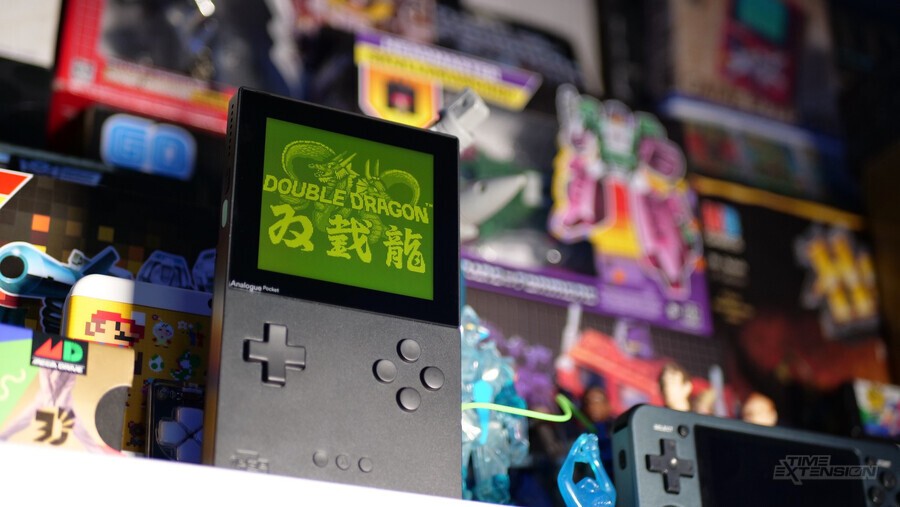
The Analogue Pocket, launched by Analogue Inc., is a sophisticated, FPGA (Field-Programmable Gate Array)-based portable gaming system designed for the accurate preservation and playback of classic handheld video games. Unlike software emulation, which simulates hardware through software, FPGA technology allows for a near-perfect hardware recreation, offering unparalleled accuracy to the original systems. The Pocket boasts a high-resolution 3.5-inch LCD display (1600×1440 resolution, 615 ppi), a premium build quality, and compatibility with an impressive array of classic handheld cartridges, including Game Boy, Game Boy Color, Game Boy Advance, Neo Geo Pocket Color, Atari Lynx, and Sega Game Gear, through its native cartridge slot and various adapters. Its appeal lies in delivering an authentic, high-fidelity retro gaming experience on modern hardware, making it a cornerstone device for serious collectors and enthusiasts. Analogue’s philosophy revolves around meticulous engineering and uncompromising quality, positioning their products as premium, definitive ways to experience classic games.
Everdrives, developed by the Ukrainian company Krikzz, are advanced flash cartridges that allow users to load entire libraries of game ROMs onto a single physical cartridge. These devices typically feature an SD card slot, enabling users to store hundreds, if not thousands, of games, homebrew titles, and even system utilities. Everdrives are indispensable for retro gamers for several reasons: they offer convenience by eliminating the need to carry numerous physical cartridges, they provide a means to play legally owned ROMs, and they are crucial for game preservation, allowing access to rare or unreleased titles. Krikzz has earned a stellar reputation within the retro community for producing reliable, high-performance flash carts that are compatible with a vast array of original and FPGA-based hardware, including the Analogue Pocket.
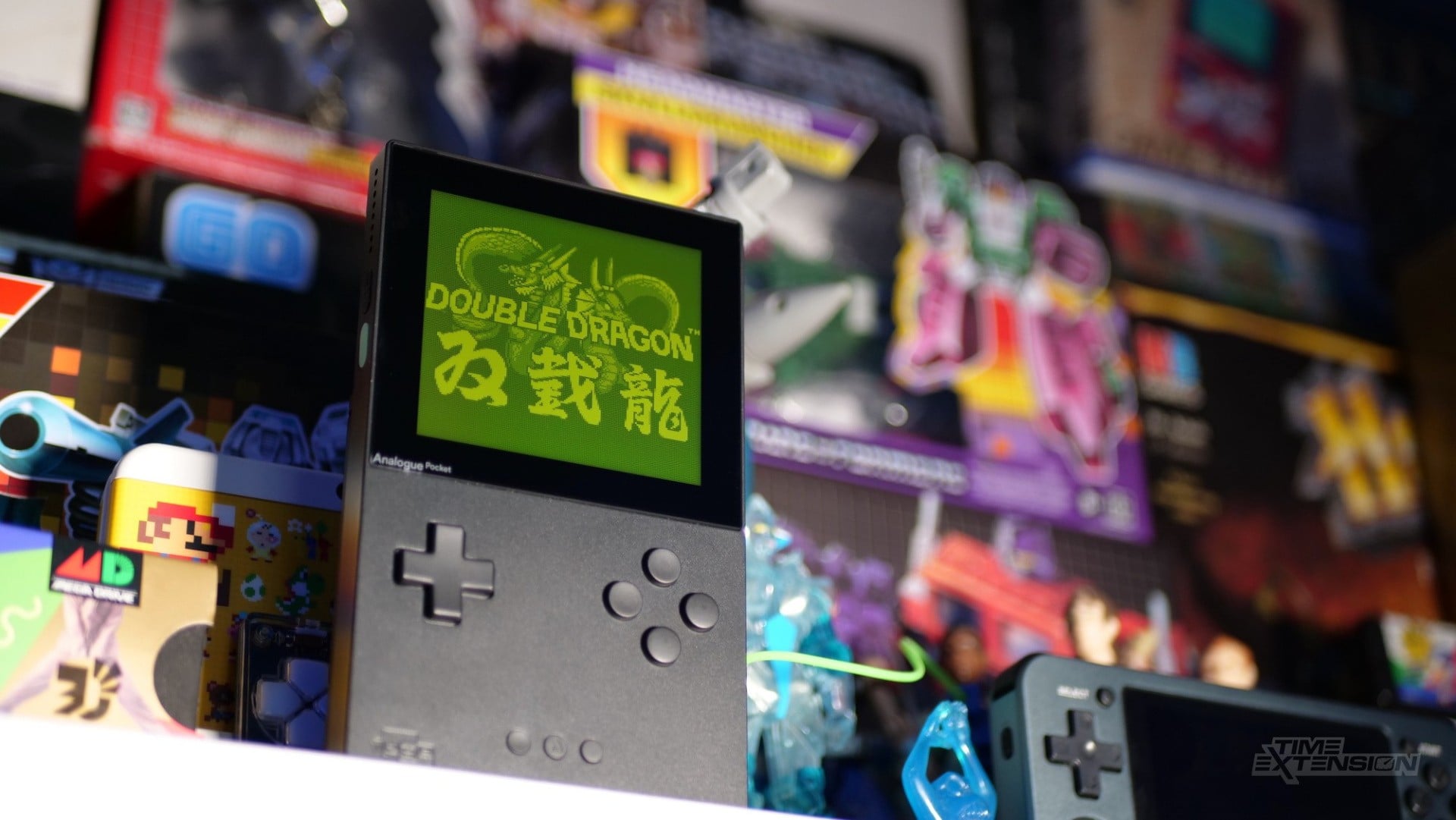
The symbiotic relationship between the Analogue Pocket and Everdrives is foundational for many users. The Pocket provides the ultimate platform for playing these games with hardware accuracy, while Everdrives provide the flexibility and extensive game library access. The expectation of seamless compatibility between these two highly regarded components of the retro gaming ecosystem is therefore not merely a convenience but a fundamental aspect of the user experience.
The Emergence and Technical Specifics of the Issue
The problem first gained traction through a forum post by an Analogue Pocket owner identified as "elfricko." This user detailed difficulties encountered when attempting to use Everdrive flash carts with a recently acquired Analogue Pocket unit. These initial reports quickly caught the attention of Krikzz, whose technical team began investigating the reported anomalies.
Krikzz’s subsequent analysis, shared with the community, provided a more technical breakdown of the observed flaw. The core issue occurs during file write operations to the Everdrive’s storage. Typically, when a system needs to modify data on a storage device, it performs a sequence of actions: first, it reads the relevant sector containing the directory information or data; second, it applies the necessary modifications (e.g., updating a save file, altering a game setting); and finally, it writes the modified sector back to the storage medium. However, in the affected new Analogue Pocket units, Krikzz observed that during this crucial write-back phase, "some bits become corrupted for an unknown reason, resulting in damaged file system sectors."
This bit corruption leads to critical errors. Damaged file system sectors can manifest in various ways, all detrimental to the user experience. These include:
- Inability to save game progress: Players might find their game saves corrupted or simply not recorded, leading to frustrating loss of progress.
- Corrupted system settings: Any changes to the Everdrive’s or Pocket’s settings, if stored on the Everdrive, could be lost or lead to instability.
- Data loss: Broader data corruption on the Everdrive, potentially rendering games or even the entire card unusable until reformatted.
- System instability and crashes: The Pocket might crash or freeze when attempting to interact with the corrupted data.
The most compelling piece of evidence pointing towards a hardware-related cause comes directly from Krikzz: "With [the] same firmware version [on the] old [Analogue Pocket] it works well, but [Analogue Pocket] from the new batch does not work." This statement strongly implies that the issue is not a software bug that could be patched via a firmware update alone, but rather a fundamental difference in the physical components or manufacturing process between older and newer batches of the Analogue Pocket. Such differences could include variations in memory controllers, power delivery, signal integrity, or even the specific FPGA configuration itself that subtly affects timing or electrical characteristics during write operations.
Analogue’s Response and Community Reactions
Upon being informed of the issue, Analogue Inc. reportedly responded by stating that it "does not provide customer support for third-party devices." This stance, while legally defensible from a corporate perspective – as Analogue cannot realistically offer comprehensive support for every single accessory designed to work with the myriad of game formats the Pocket covers (Game Boy, GBA, NGPC, PC Engine, Lynx, Game Gear, etc.) – has nonetheless been met with mixed reactions from the retro gaming community.
From Analogue’s standpoint, drawing a clear line on third-party support helps manage resources and liability. Supporting every accessory, from niche flash carts to custom display cables, would be an unmanageable task for a company that prides itself on delivering a refined, curated experience for its own hardware.
However, many in the community argue that Everdrives are not just "any" third-party device. They represent a cornerstone of the modern retro gaming experience, deeply integrated into the workflow of a significant portion of Analogue Pocket owners. Flash carts from Krikzz are widely considered standard equipment for serious enthusiasts. Therefore, a hardware incompatibility that cripples such a widely used and essential accessory is seen by many as a significant flaw that warrants attention, regardless of formal support policies.
The broader expectation within the retro hardware space is often one of accommodating collaboration. Many companies operating in this niche market have historically been more flexible and proactive in addressing compatibility issues, even with third-party accessories, through firmware updates or technical advisories. This spirit of cooperation is often driven by the passion of the community itself and the understanding that robust ecosystems benefit everyone. The perceived lack of willingness to even investigate the root cause, beyond a boilerplate disclaimer, has left some users feeling unheard and unsupported.
Community discussions have also explored the possibility that the issue might be "more complex" than a straightforward hardware defect. This could imply a subtle interaction between Analogue’s proprietary firmware, specific FPGA core implementations, and the Everdrive’s own operating system, which is only exposed by a particular hardware revision in the Pocket. Such complexities often require detailed diagnostics and collaboration between hardware and software engineers from both Analogue and Krikzz to fully unravel.

Broader Implications and Analysis
The unfolding situation carries several significant implications for Analogue, the retro gaming community, and the broader ecosystem of hardware preservation.
Reputational Risk for Analogue: Analogue has meticulously cultivated a reputation for delivering premium, high-quality, and highly accurate retro gaming hardware. A widespread hardware defect, particularly one that directly impacts a fundamental use case like compatibility with popular flash carts, could significantly tarnish this image. Consumer trust, once eroded, can be difficult to rebuild. This incident raises questions about Analogue’s quality control processes for new production batches and their responsiveness to critical community-reported issues. The perception of Analogue’s customer service, particularly in its handling of this third-party device issue, will also be under scrutiny.
Impact on the Retro Gaming Ecosystem: The retro gaming community thrives on interoperability and innovation. Everdrives are not merely accessories; they are vital tools for game preservation and accessibility. Friction between a leading hardware manufacturer like Analogue and an essential accessory maker like Krikzz is detrimental to this ecosystem. It could lead to fragmentation, where users are forced to choose between different hardware batches or compromise on functionality, which runs counter to the spirit of universal compatibility that FPGA devices aim to embody. If new hardware revisions introduce unforeseen incompatibilities, it could complicate future development for accessory makers and potentially limit the utility of premium devices.
Technical Challenges of FPGA Development and Supply Chains: This incident also underscores the inherent challenges in hardware manufacturing and FPGA development. Even minor component changes due to supply chain pressures, or subtle revisions in board layouts between production batches, can introduce unforeseen electrical or timing discrepancies. While FPGA cores strive for perfect replication of original hardware, the surrounding support circuitry, power delivery, and communication protocols with external devices (like flash carts) are still subject to real-world hardware variations. Diagnosing and resolving such "bit corruption" issues can be exceptionally complex, often requiring specialized equipment and deep engineering expertise.
Potential Resolutions and Forward Outlook

Currently, the path to resolution remains uncertain. Given Krikzz’s diagnosis of a hardware-related issue, a simple firmware update from Analogue might not be sufficient if the root cause is indeed a physical flaw in the newer Pocket units. However, it is conceivable that a sophisticated firmware patch from Analogue could potentially mitigate the hardware flaw by adjusting timing, power profiles, or write protocols, assuming the hardware defect isn’t insurmountable through software means. Alternatively, Krikzz might explore potential workarounds through Everdrive firmware updates, though this would place the burden of adaptation on the accessory maker rather than the hardware vendor.
For the immediate future, the advice to prospective Analogue Pocket buyers who intend to utilize Everdrive flash carts remains cautious: "you might want to wait and see what happens." This waiting period allows for further investigation, potential official statements from Analogue, or community-driven solutions to emerge. Transparency and collaborative engagement from Analogue, even if not providing direct "customer support" for Everdrives, would be highly beneficial in reassuring the community and fostering trust. Acknowledging the reports and indicating an internal investigation into potential hardware revisions affecting compatibility could go a long way.
Ultimately, the resolution of this issue is crucial not only for Analogue’s reputation but also for the continued health and growth of the retro gaming community. As premium hardware devices like the Analogue Pocket push the boundaries of accuracy and preservation, ensuring robust compatibility with essential tools like Everdrive flash carts is paramount for delivering the complete, uncompromised experience that enthusiasts expect and deserve.