Johny Imanuel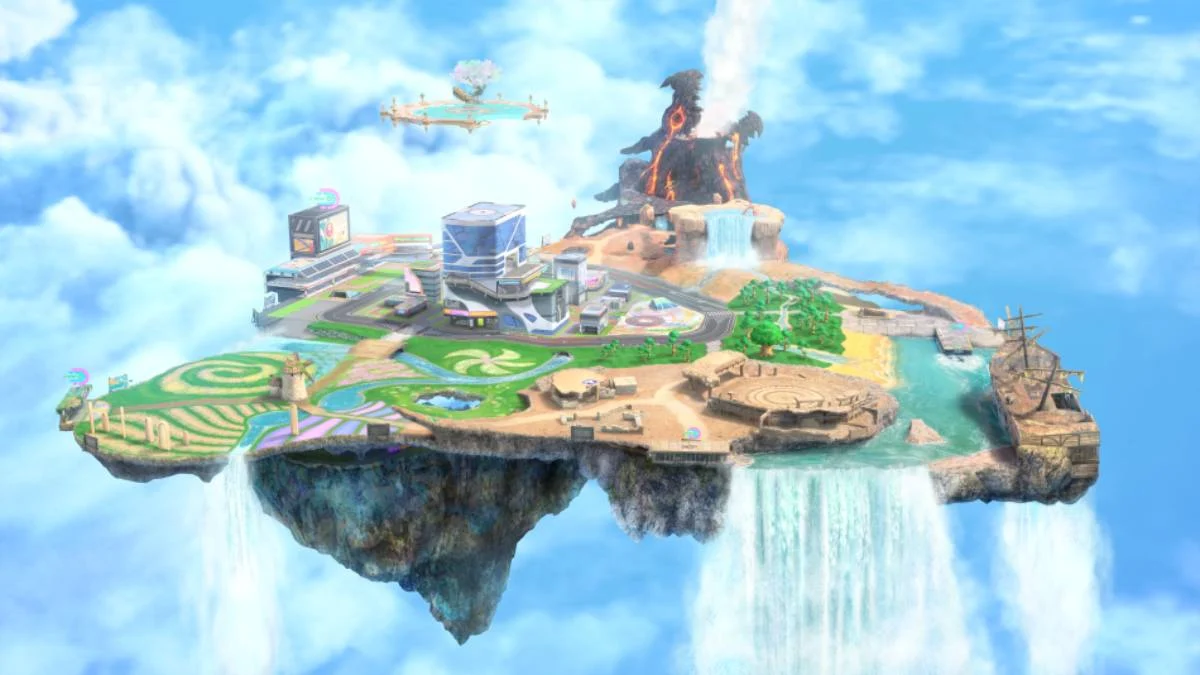
The Technical Reality of Modern Map Reconstruction
According to Sakurai, the decision to focus exclusively on the new "Skyah" map rather than porting the legacy City Trial environment was driven by the evolution of game engines and player expectations. During the design planning phase, the team looked at the original map as a potential "legacy" option to bolster the game’s content. However, Sakurai explained that the perception of "porting" a map from a two-decade-old console is often far simpler than the reality of modern development.
"Things don’t work like they did in the past," Sakurai noted in the interview. He emphasized that the transition from the GameCube’s hardware to the high-fidelity capabilities of the Switch 2 involves more than just upscaling textures or increasing polygon counts. The entire physics engine, lighting system, and interaction model have been rebuilt from the ground up. To bring the old City Trial map into Kirby Air Riders, the team would have essentially had to rebuild every asset, building, and underground passage to match the new engine’s requirements. Sakurai stated that the cost and effort required for such a task would have been "tremendous," potentially compromising the quality of the new content being developed for Skyah.
The Architecture of Skyah and the Complexity of Balance
The new Skyah map represents a significant leap forward in scale and complexity compared to its predecessor. Sakurai detailed the specific factors that made the development of Skyah a "taxing task." The team had to account for a multitude of variables that were not as prominent in the 2003 original. These include:
- Multiplayer Integration: With expanded online capabilities and higher player counts, the map must remain stable and readable during high-speed, chaotic interactions.
- Verticality and Ratio: Sakurai highlighted the delicate balance required in the "ratio of surface level, underground, and building areas." Designing a map that feels cohesive while offering distinct gameplay opportunities in three dimensions is a massive undertaking.
- Machine Parameters: The speed, weight, and handling of the various Air Ride machines have been overhauled. A map designed for the movement speed of 2003 would not necessarily accommodate the "high jumps" and "attacks" integrated into the new game’s mechanics.
The director explained that the density of the Skyah map—which includes intricate building interiors and sprawling subterranean networks—consumed the vast majority of the team’s resources. Because of this focus on high-density environmental design, the team also had to forgo "field variations," such as weather changes or alternate layouts, to ensure the base map functioned perfectly across all gameplay modes.
A Shift in Development Philosophy: From Solo to Collaborative
One of the most revealing aspects of the interview was Sakurai’s reflection on how his own role has changed over the years. In the development of the original Kirby Air Ride on the GameCube, Sakurai was famously hands-on with the technical minutiae. "Previously, I was the only one setting the machine parameters, so I only needed to satisfy myself," he admitted. This allowed for a very specific, singular vision, but it also placed a massive burden on the director.
For Kirby Air Riders on the Switch 2, the process has become significantly more collaborative. A large team is now dedicated solely to balance adjustments, ensuring that every machine—from the standard Warp Star to more specialized vehicles—is competitive in both the City Trial and racing modes. This shift was necessary due to the increased complexity of modern gaming, where competitive balance is scrutinized by a global audience and refined through post-launch updates. The involvement of more stakeholders in the balancing process meant that every change to a map or a machine had to be vetted by multiple departments, further complicating the idea of "simply" porting an old map.
Historical Context: The Legacy of City Trial
To understand why the inclusion of the original map was even considered, one must look at the enduring legacy of the 2003 Kirby Air Ride. While the game received mixed reviews upon its initial release, the "City Trial" mode eventually gained a massive cult following. Unlike the standard racing modes, City Trial was an open-ended experience where players had a set amount of time to explore a city, collect power-ups (patches) to improve their machine’s stats, and deal with random world events—such as meteor showers or the appearance of legendary machines like the Dragoon and Hydra.
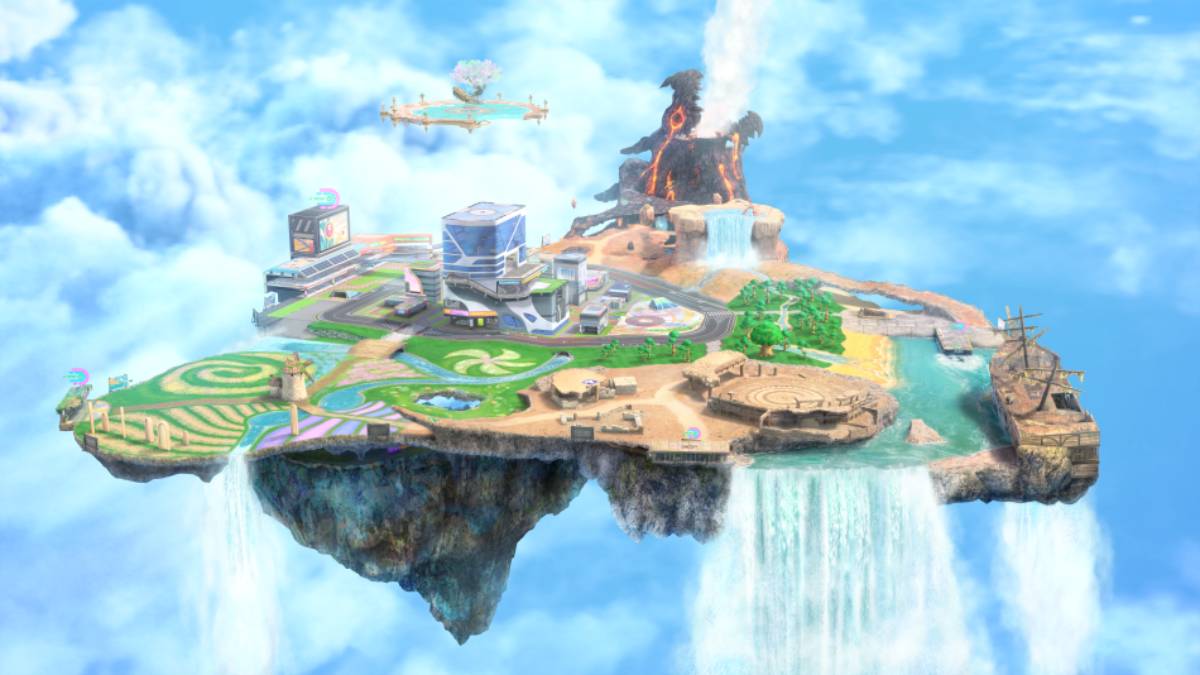
The mode concluded with a "Stadium" event, which could range from a traditional race to a combat-oriented "Destruction Derby" or a "High Jump" competition. This gameplay loop of "explore, collect, and compete" became a blueprint for various "battle royale" and "scavenger" mechanics seen in later games. For many fans, the original City Trial map is as iconic as maps from the Mario Kart or Super Smash Bros. franchises. Sakurai’s acknowledgment that the team considered its return suggests that Nintendo is well aware of the nostalgic value held by the GameCube title.
Chronology of the Kirby Air Ride Franchise
The journey from the original release to the current Switch 2 title has been a long one, marked by years of fan requests and industry rumors:
- 2003: Kirby Air Ride launches on the Nintendo GameCube. It is the only Kirby game on the system and the final Kirby game directed by Masahiro Sakurai before his departure from HAL Laboratory to form Sora Ltd.
- 2003–2020: The game develops a "cult classic" status. While it never receives a direct sequel on the Wii, Wii U, or the original Switch, elements of its gameplay (like the "Smash Run" mode in Super Smash Bros. for 3DS) pay homage to City Trial.
- 2024–2025: Rumors begin to circulate regarding a "Switch 2" and a potential revival of the Air Ride sub-series.
- 2026: Kirby Air Riders is officially released as a flagship title for Nintendo’s next-generation hardware. Masahiro Sakurai returns to provide development insights, confirming his continued involvement in the franchise’s evolution.
Analysis of Implications for Future Content
The decision to omit the original City Trial map at launch has several implications for the future of Kirby Air Riders and Nintendo’s broader development strategy. First, it highlights the "technical debt" associated with legacy content. As consoles become more powerful, the gap between "retro" assets and modern standards widens, making simple ports less viable and full remakes more expensive.
However, Sakurai’s comments do not necessarily rule out the return of the map as future Downloadable Content (DLC). By establishing the "Skyah" map as the base, the team has created the necessary engine tools. If the game performs well on the Switch 2, Nintendo could potentially allocate the "tremendous cost and effort" required to rebuild the GameCube map as a premium expansion.
Furthermore, the emphasis on team-based balancing suggests that Kirby Air Riders is being positioned as a long-term service title or a competitive mainstay, similar to Mario Kart 8 Deluxe. By moving away from Sakurai’s solo parameter-setting, the game is better equipped to handle the demands of a modern online community, where "meta-game" balance is essential for player retention.
Broader Impact on the Nintendo Switch 2 Library
As one of the early showcase titles for the Switch 2, Kirby Air Riders sets a high bar for environmental detail and physics-based gameplay. The revelation that the "Skyah" map alone took "everything the team could" to create suggests that the Switch 2 offers a significant jump in processing power, allowing for more dense and interactive open-world environments.
For fans, while the absence of the original City Trial map may be a point of contention, the transparency provided by Masahiro Sakurai offers a rare glimpse into the realities of AAA game development. It shifts the conversation from "why didn’t they include it?" to "look at the immense effort required to build what we have." As Kirby Air Riders continues to gain traction on the Switch 2, the "Skyah" map will likely become the new standard for the series, even as the shadow of the 2003 original continues to influence the franchise’s direction.