 Chalid Lutfie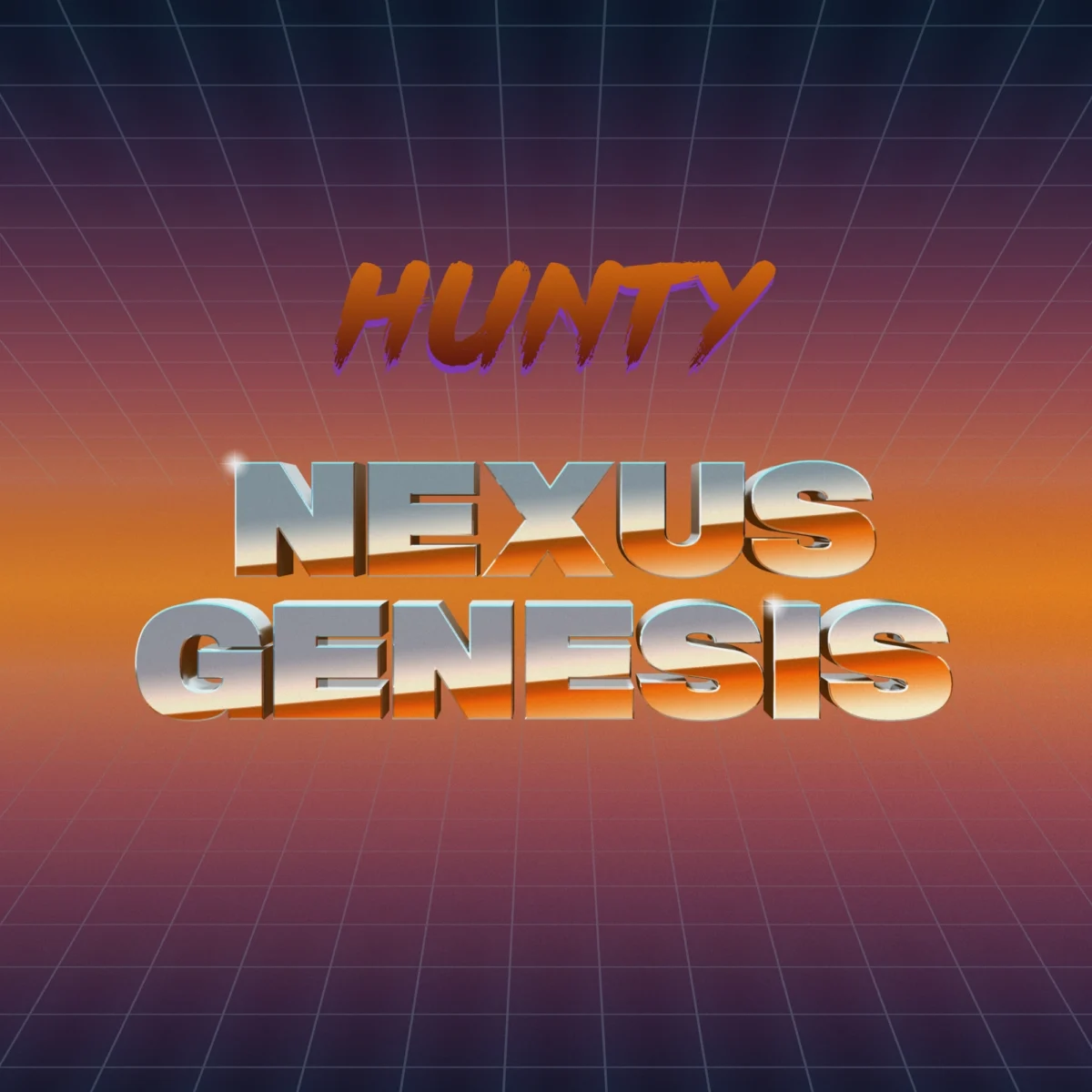
The Sonic Nexus Legacy and the Evolution of Fan Development
The release of Nexus Genesis on August 16, 2015, represents the culmination of a nine-year journey for composer Hunter Bridges. The album serves as both a standalone musical achievement and a historical document of the "golden age" of Sonic the Hedgehog fan development. Sonic Nexus, the project for which this music was originally composed, stood at the intersection of hobbyist enthusiasm and professional-grade game design during the mid-2000s.

Between 2006 and 2010, the Sonic Nexus team, led by Brad Flick (also known as Slingerland), developed a fan-made title that gained significant traction within the Sonic Retro community and broader gaming blogs. At a time when fan games were often characterized by recycled assets, Sonic Nexus distinguished itself through its ambition to mirror the physics and aesthetic quality of the original 16-bit SEGA Genesis era. This technical rigor eventually acted as a springboard for the project’s lead developers to transition into the professional gaming industry.
Chronology of a Development Cycle
The history of Sonic Nexus is inextricably linked to the rise of the Retro Engine, a proprietary toolset developed by Christian Whitehead. The following timeline outlines the evolution of these projects and their eventual transition into professional software development:

- 2002–2005: Hunter Bridges begins his formal foray into digital music production, contributing MIDI transcriptions to the community archive VGMusic.com.
- Summer 2006: Brad Flick initiates development on Sonic Nexus, recruiting Bridges to compose a full-resolution, high-fidelity soundtrack.
- 2006–2009: The Sonic Nexus team releases three distinct playable demos, receiving critical acclaim at the Sonic Amateur Games Expo (SAGE).
- 2008: The project attempts a technical pivot, seeking to migrate from the Multimedia Fusion-based "Sonic Worlds" engine to Christian Whitehead’s custom-built Retro Engine.
- 2010: A consolidation phase occurs, with Sonic Nexus, Retro Sonic, and Sonic XG merging resources. Simultaneously, Whitehead develops a proof-of-concept for a mobile port of Sonic CD.
- 2011: SEGA officially hires Whitehead, leading to the high-profile releases of the Sonic CD, Sonic the Hedgehog, and Sonic the Hedgehog 2 mobile remakes.
- 2011–2015: Recognizing the legal complexities of maintaining a fan project while their primary collaborator held a professional contract with SEGA, the Sonic Nexus team officially ceases production.
- August 16, 2015: Ubiktune releases Nexus Genesis, providing a finalized, mastered version of the soundtrack that was previously restricted to project demos.
Musical Influences and Technical Methodology
Hunter Bridges’ approach to the Nexus Genesis soundtrack is rooted in a deep technical appreciation for the SEGA Genesis sound chip—specifically the Yamaha YM2612 FM synthesis chip. Growing up in Alabama, Bridges’ early exposure to professional musical environments via his father’s bands provided an early foundation in instrumentation. However, it was his immersion in the 16-bit era—specifically titles like Super Mario Bros. 3, Street Fighter II, and Gauntlet IV—that shaped his compositional philosophy.
The most significant influence, however, remains the soundtrack for Sonic the Hedgehog 3. Bridges has described the album as a "love letter" to the original composers of that classic title. To achieve this, Bridges underwent a rigorous self-education process, studying music theory and arrangement throughout his academic years.

The challenge of recreating the authentic "Genesis sound" without the limitations of 1990s hardware led Bridges to explore modern FM synthesis. By 2013, he had developed the "Sonic 3 & Knuckles FM8 Patch Collection," a set of digital instrument presets that allowed him to capture the timbre and texture of the original hardware within a contemporary Digital Audio Workstation (DAW) environment. This technical bridge allowed him to finalize the Sonic Nexus tracks to his original vision, moving beyond the limitations he faced when first using early versions of Fruity Loops.
Industry Implications of Fan-Professional Convergence
The trajectory of the Sonic Nexus project serves as a compelling case study in the evolving relationship between intellectual property (IP) holders and the fan development community. In the mid-2000s, the "fan game" scene existed in a relative legal gray area, often ignored by corporations unless a project threatened to commercialize the IP or cause brand confusion.

The hiring of Christian Whitehead by SEGA signaled a paradigm shift. By identifying and onboarding talent from the fan community, SEGA was able to modernize its legacy catalog with a level of care that pleased both the corporate entity and the fan base. For the creators of Sonic Nexus, this transition meant the cessation of their personal project, but it also validated the quality of their work. The release of Nexus Genesis acts as a final chapter for the creators—a way to preserve the intellectual labor invested in the game without infringing upon the now-professionalized relationship between the developers and the IP owner.
Critical Reception and Archival Significance
By releasing the soundtrack on Ubiktune, a label specializing in chiptune and video game-inspired music, Bridges ensures that the creative output of the Sonic Nexus era is preserved in a high-fidelity, permanent format. The album art, created by Daniel Warner Smith, mirrors the thematic consistency of the game’s original visual design, reinforcing the idea that the project was a cohesive creative effort rather than a collection of disparate tracks.

The release also highlights the importance of documentation in digital history. Without the intervention of the composer and the support of a dedicated label, the music of Sonic Nexus would have likely remained relegated to low-bitrate MIDI files or lossy audio files embedded within decade-old game demos. Nexus Genesis effectively elevates these compositions from "fan-game assets" to a recognized work of video game music composition.
Conclusion
Nexus Genesis is more than a retrospective album; it is a testament to the growth of a generation of developers who used fan projects as an informal university. Hunter Bridges’ transition from a teenager submitting MIDI files to a community website to an established composer on a professional label mirrors the broader story of the Sonic Nexus project. While the game itself will remain unfinished—a "what-if" scenario in the history of the franchise—the music provides a permanent record of the ambition and technical skill that fueled the project. For followers of Sonic the Hedgehog, independent game development, and FM synthesis, the album stands as a definitive tribute to a bygone era of collaborative, grassroots software engineering.