Cecilia Chamidah Nur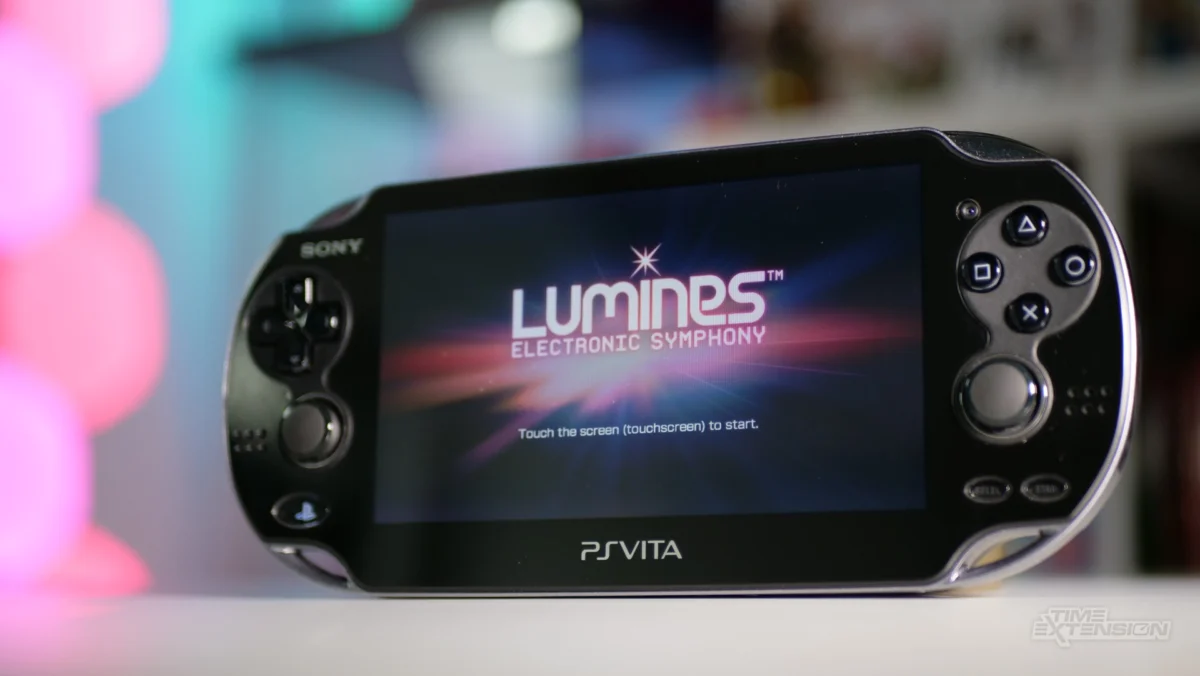
This provocative statement, attributed to former Sony Interactive Entertainment (SIE) CEO Shawn Layden, has ignited fresh debate regarding the commercial struggles of the PlayStation Vita. Layden, a veteran of Sony’s gaming division, recently offered a candid post-mortem on the handheld console, asserting that Sony’s strategic missteps in hardware design and market positioning ultimately doomed the Vita. His core argument, articulated in an interview with PSI, suggests a fundamental misdirection: instead of innovating with expensive, sometimes superfluous features, Sony should have pursued a more direct evolution of its highly successful predecessor, the PlayStation Portable (PSP).
The Legacy of the PlayStation Portable: A Precedent of Success
To fully appreciate Layden’s critique, it is essential to understand the formidable legacy of the PSP. Launched in Japan in December 2004 and globally in March 2005, the PSP was Sony’s ambitious entry into the handheld gaming market, challenging Nintendo’s dominance with a device that promised console-quality gaming on the go. Its sleek design, widescreen display, and multimedia capabilities—including a proprietary Universal Media Disc (UMD) format for games and movies—positioned it as a "21st-century Walkman."
The PSP quickly carved out a significant niche. While competing directly with Nintendo’s equally innovative Nintendo DS, which focused on dual screens and touch input, the PSP appealed to a different demographic, often older gamers seeking more graphically intensive experiences. It boasted a robust library of titles, including critically acclaimed entries in popular franchises like God of War, Monster Hunter, Gran Turismo, and Grand Theft Auto. Its multimedia functions, allowing users to watch movies, listen to music, and browse the internet, were also ahead of their time for a handheld device. Over its lifespan, the PSP sold an impressive 76.4 million units worldwide, establishing Sony as a serious contender in the portable gaming space and demonstrating a clear appetite for high-fidelity handheld gaming experiences. This commercial success laid a high bar for any successor, creating an expectation of continued growth and innovation within Sony’s handheld division.
The PlayStation Vita’s Ambitious Unveiling and Market Context
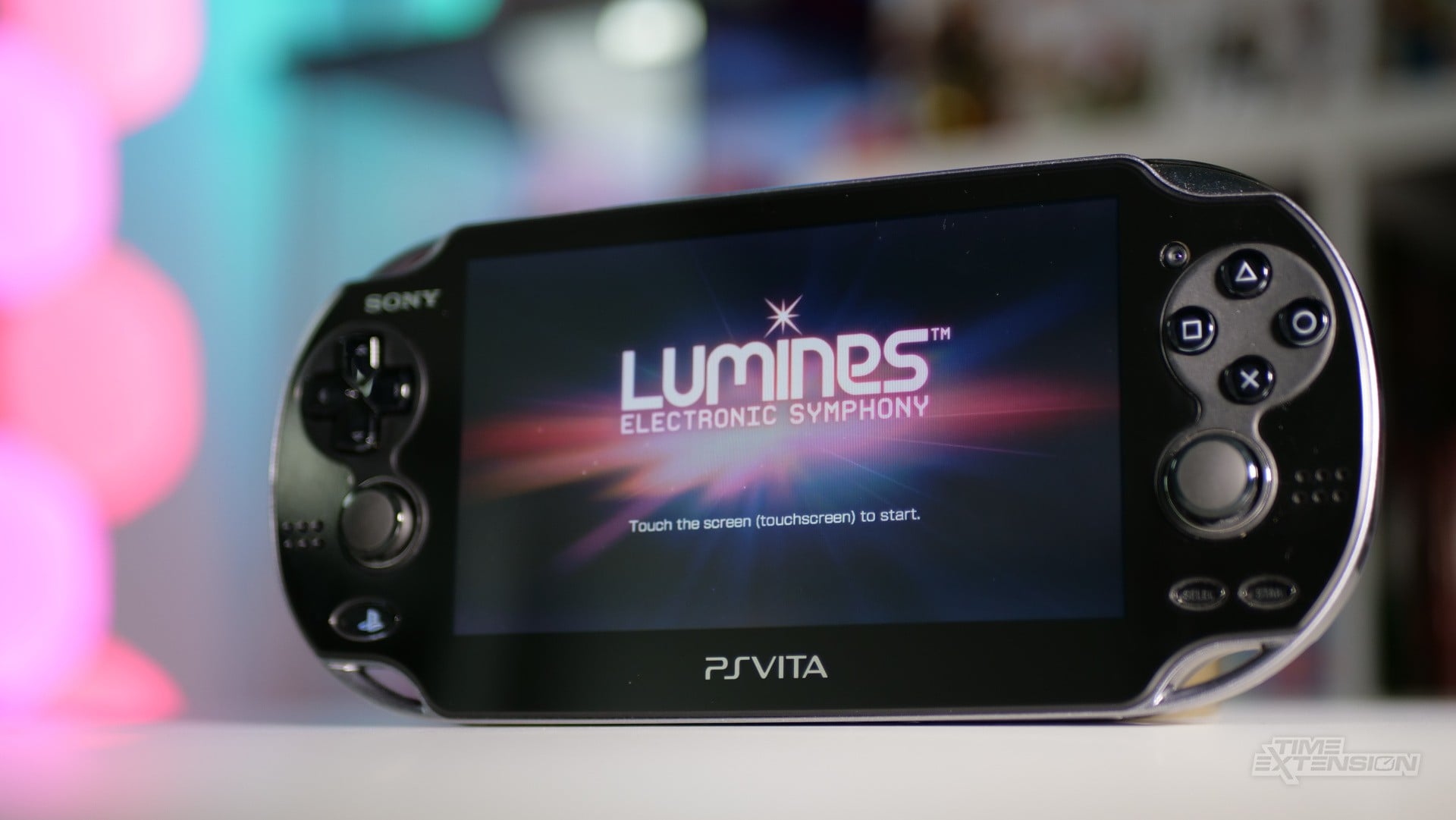
Fast forward to January 2011, when Sony officially unveiled its next-generation portable gaming device, then codenamed "NGP," later revealed as the PlayStation Vita. The console launched in Japan in December 2011 and in Western markets in February 2012. Sony positioned the Vita as a powerful, feature-rich device designed to blur the lines between console and portable gaming. It sported a stunning 5-inch OLED touchscreen, a quad-core ARM Cortex-A9 MPCore processor, and SGX543MP4+ graphics. Crucially, it featured dual analog sticks—a direct response to a common criticism of the PSP’s single analog nub—along with a rear touch panel, front and rear cameras, six-axis motion sensing, and both Wi-Fi and 3G connectivity options.
The market landscape into which the Vita launched was vastly different from that of the PSP. The most significant shift was the explosive growth of smartphones, spearheaded by Apple’s iPhone (introduced in 2007) and the proliferation of Android devices. These devices, initially dismissed by some as casual gaming platforms, were rapidly evolving into formidable competitors, offering a vast array of games—many free or very low cost—alongside ubiquitous connectivity and multimedia capabilities. Furthermore, Nintendo had already released its 3DS handheld in February 2011, which, despite initial struggles and a significant price cut, was beginning to find its footing with strong first-party software and backward compatibility with the hugely successful Nintendo DS library. Sony’s ambition for the Vita was clear: to offer a premium, dedicated gaming experience that could withstand the onslaught of mobile gaming while surpassing its direct console competitor.
Shawn Layden’s Dissection of the Vita’s "Product Planning Mistakes"
Layden’s recent comments illuminate specific strategic missteps that he believes undermined the Vita’s potential. His critique centers on two primary areas: the inclusion of costly, unproven features and the adoption of a proprietary memory format.
The Overburden of Costly and Unnecessary Features
Layden argues that the Vita’s design philosophy prioritized novelty over practicality, leading to an inflated price point that alienated potential consumers. "Instead of the Vita, we should have made PSP 2," he stated, adding, "And for PSP 2, we just wanted one more stick. One more analog stick. That’s all we needed." This simple addition would have addressed a significant ergonomic and control limitation of the original PSP, making a wider range of console-style games more playable on a portable device without dramatically increasing manufacturing costs.
The Vita, however, went far beyond a second analog stick. Layden specifically points to several features as driving up costs without delivering commensurate value:
-
OLED Display: The Vita’s 5-inch OLED screen was undoubtedly a visual marvel, offering vibrant colors and deep blacks. However, at the time of the Vita’s development and launch, OLED technology was still relatively expensive to produce. While it enhanced the visual fidelity, Layden questions whether the premium cost associated with it provided a "big enough of a difference" to justify the higher retail price. The Wi-Fi model launched at $249, and the 3G model at $299. In comparison, the Nintendo 3DS, which initially launched at $249, quickly saw its price slashed to $169 to boost sales, highlighting the market’s sensitivity to handheld console pricing. The OLED display’s contribution to the Vita’s overall cost structure made such aggressive price adjustments difficult for Sony.
-
Rear Touch Panel: This innovative, yet often perplexing, feature was intended to offer new gameplay mechanics by allowing users to interact with games from the back of the device. Layden describes it as "a weird thing, which a lot of people couldn’t get their head around." Developers struggled to integrate it meaningfully into gameplay, and many titles either ignored it entirely or implemented it in a superficial manner. For games ported from other platforms, especially those not designed with such a feature in mind, the rear touch panel was "meaningless," adding to the hardware’s complexity and cost without enhancing the core gaming experience.
-
Camera Functionality: The Vita included both front and rear cameras. While these features were becoming standard on smartphones, their utility on a dedicated gaming device was debatable. Unlike smartphones, which leverage cameras for social sharing and augmented reality apps as core functionalities, the Vita’s cameras were rarely central to its gaming identity. They contributed to the Bill of Materials (BOM) without offering a compelling, exclusive gaming proposition.
The "Biggest Strategic Mistake": Proprietary Memory Cards
Beyond the hardware features, Layden identifies the proprietary memory card format as the "biggest strategic mistake." This sentiment echoes earlier criticisms from other key Sony figures, including Shuhei Yoshida, former President of Sony’s Worldwide Studios. Unlike the Nintendo 3DS, which wisely adopted readily available and inexpensive SD cards, the PS Vita required its own unique memory cards, available in capacities ranging from 4GB to 64GB.
Layden draws a parallel to the PlayStation 2 era, where Sony’s proprietary 8MB memory cards were a "huge revenue and profit earner for the company." At that time, consumers had limited alternatives, and proprietary memory was common. However, by the time the Vita launched, the technological landscape had drastically shifted. "By the time Vita came out, we all had a drawer full of SD cards," Layden explains. "Because you buy a digital camera, you buy a digital phone, you buy anything, you got an SD card with it. So people had these cards at home, but we were forcing them to buy another proprietary card."
This decision had significant negative implications for consumers and the Vita’s commercial viability:
- Increased Total Cost of Ownership: Vita memory cards were notoriously expensive. A 32GB card, for instance, could cost upwards of $80-$100 at launch, a substantial additional investment on top of the console itself. This inflated the total cost of ownership, acting as a barrier to entry, especially for budget-conscious consumers.
- Consumer Alienation: Forcing users to purchase an expensive, exclusive storage solution when cheaper, universal alternatives were readily available felt anti-consumer and out of touch with market trends. It undermined the perception of value for a device already struggling with its price point.
- Digital Distribution Hindrance: As digital game downloads became increasingly prevalent, large storage capacity was essential. The high cost of Vita memory cards discouraged users from downloading many digital titles, directly impacting Sony’s digital sales strategy for the platform.
These "product planning mistakes," Layden concludes, were pivotal in preventing the PS Vita from replicating the PSP’s success.
Broader Market Dynamics and the Vita’s Downfall
While Layden focuses on internal hardware decisions, the Vita’s struggles were also exacerbated by broader market forces and Sony’s evolving corporate strategy.
The Unstoppable Rise of Smartphone Gaming
Perhaps the most formidable external challenge was the exponential growth of smartphone gaming. By 2012, smartphones offered a compelling alternative for casual and even some mid-core gaming experiences. Their always-on connectivity, touch interfaces, and vast libraries of often free-to-play or low-cost games provided an irresistible value proposition. Consumers increasingly carried only one device, and for many, that device was a smartphone that could also play games. Dedicated handhelds, regardless of their power, faced an uphill battle convincing consumers of their necessity.
Nintendo 3DS’s Resurgence and Strategic Differences
Despite its initial stumbles, the Nintendo 3DS eventually found its stride. After a significant price cut and the release of highly anticipated first-party titles like Super Mario 3D Land and Mario Kart 7, the 3DS ecosystem flourished. Nintendo’s strategy focused on strong first-party exclusives, leveraging its iconic characters, and maintaining backward compatibility with the immense DS library. The 3DS also benefited from its use of standard SD cards, making storage expansion affordable and simple for consumers. By the end of its lifecycle, the 3DS family sold over 76 million units, demonstrating that a market for dedicated handhelds still existed, provided the strategy was sound. The Vita, by contrast, struggled to build a robust library of exclusive AAA titles, and its higher price and memory costs made it less accessible.
Shifting Internal Priorities and Developer Support
As the PlayStation 4 launched in late 2013 and quickly achieved unprecedented success, Sony’s corporate focus naturally shifted towards its thriving home console division. Resources, marketing efforts, and developer attention gravitated towards the PS4. While the Vita offered "Remote Play" functionality for the PS4, allowing users to stream PS4 games to their handheld, this feature was never a primary driver for Vita sales. Third-party developer support for the Vita waned as the install base remained small and development costs for complex games became harder to recoup. The Vita eventually became a niche platform, popular among indie developers and fans of Japanese role-playing games (JRPGs), but it never achieved the mainstream appeal of its predecessor. Production of the Vita ended in 2019, marking Sony’s exit from the dedicated handheld console market.
The "PSP 2" Hypothesis and Future Implications
Layden’s "PSP 2" hypothesis suggests a path of incremental, consumer-focused improvement. A PSP 2 with dual analog sticks, potentially maintaining UMD backward compatibility alongside digital distribution, and crucially, using standard, affordable memory, could have built upon the PSP’s success without alienating its user base or overshooting market expectations. Such a device might have offered a more compelling value proposition, especially if priced competitively.
His personal anecdote—carrying a PSP Go (a smaller, digital-only variant of the PSP) and playing Everybody’s Golf—underscores his belief in practical, focused hardware. It suggests that sometimes, less is more, especially when addressing core user needs without unnecessary complexity.
The PS Vita’s story serves as a cautionary tale in the rapidly evolving technology market. It highlights the critical importance of understanding market trends, consumer expectations, and the delicate balance between innovation and cost-effectiveness. Sony’s experience with the Vita likely informed its future strategies, leading to a focus on its successful home console ecosystem and, eventually, exploring new forms of portable gaming through cloud streaming and accessories like the PlayStation Portal, rather than another dedicated handheld. Layden’s retrospective offers a valuable perspective on the difficult decisions and strategic miscalculations that can shape the destiny of even the most ambitious hardware projects.