Cecilia Chamidah Nur
In an ongoing testament to the enduring appeal and modding potential of vintage gaming hardware, a classic Nintendo DMG-01 Game Boy, first released in 1989, has undergone a series of significant modernizations, effectively transforming it into what enthusiasts are calling its "ultimate form." This extensive refurbishment, which includes a state-of-the-art LCD display, a comprehensive flash cartridge, and a USB-C rechargeable battery pack, highlights a growing trend within the retro gaming community: the desire to blend nostalgic aesthetics with contemporary performance and convenience. The project underscores a broader movement where gamers are not merely preserving antique consoles but actively enhancing them to surpass their original capabilities, ensuring their relevance for decades to come.
The Enduring Legacy of the Game Boy DMG-01
Launched over 35 years ago, the original Game Boy, designed by Nintendo’s visionary engineer Gunpei Yokoi, revolutionized portable gaming. Yokoi’s philosophy of "Lateral Thinking with Withered Technology" focused on leveraging mature, cost-effective technology in innovative ways, resulting in a robust, affordable, and incredibly popular handheld. With global sales exceeding 118 million units (including its successor, the Game Boy Color), the DMG-01 became a cultural icon, synonymous with titles like Tetris and Super Mario Land. Its monochrome, "pea-soup" dot matrix display, while primitive by today’s standards, was revolutionary for its time, offering impressive battery life and portability.
For many, the DMG-01 represents an unbreakable connection to childhood, a device that accompanied them everywhere. Its distinctive form factor, sturdy build, and even its characteristic blurry screen evoke powerful nostalgic emotions. Despite the subsequent release of more powerful handhelds like the Game Boy Colour, Game Boy Advance, and Nintendo DS, the original Game Boy maintains a unique status among collectors and players. Its mechanical simplicity and distinctive visual signature continue to be cherished, often preferred over technologically superior successors for its sheer historical and sentimental value.
However, the passage of time inevitably takes its toll on electronic components. The original Game Boy’s dot matrix display is particularly susceptible to degradation, commonly manifesting as "black lines" that obscure the image. This issue is typically attributed to the adhesive bonding the ribbon cable to the LCD panel deteriorating over decades, a common affliction for devices operating well beyond their intended lifespan.
The Evolution of Retro Gaming Modding
The challenges inherent in maintaining vintage hardware have fueled a vibrant and innovative retro gaming modding community. What began as rudimentary repairs and simple cosmetic changes has evolved into a sophisticated ecosystem of specialized parts, expert technicians, and dedicated businesses. Enthusiasts are driven by a variety of motivations:
- Preservation: Ensuring classic consoles remain functional for future generations.
- Nostalgia: Re-experiencing beloved games on original hardware, albeit with modern enhancements.
- Performance Improvement: Addressing the limitations of vintage technology, such as poor screen visibility or battery life.
- Personalization: Customizing consoles to reflect individual tastes.
Early Game Boy mods primarily focused on adding backlights, addressing the original console’s most glaring omission. The "bivert" mod, for instance, gained popularity by inverting the LCD image data and then re-inverting it with a polarization film, significantly improving contrast when paired with a backlight. While effective, these early solutions often retained some of the original screen’s characteristics, including its inherent blurriness, and were not immune to the eventual failure of the original display components.
The retro gaming market itself has seen substantial growth. According to various market analyses, the global retro gaming market size was valued at over USD 1.5 billion in 2022 and is projected to grow significantly, driven by nostalgia, collectibility, and the increasing availability of modding components and services. This growth supports a network of specialized retailers, modders, and parts manufacturers, transforming what was once a niche hobby into a burgeoning industry.
A Chronology of Modernization
The specific journey of this particular DMG-01 Game Boy illustrates the typical progression of such a modding project. The console, acquired approximately 15 years ago (not the owner’s original childhood unit), had previously undergone a bivert mod, which provided satisfactory results for several years by enhancing contrast and illumination while retaining the original screen’s unique characteristics. This initial modification served as a testament to the owner’s commitment to the original hardware experience.
The catalyst for the most recent round of upgrades was the inevitable onset of the "black lines" on the dot matrix display. This common failure point signaled the need for a more comprehensive intervention. Despite the availability of modern alternatives for playing Game Boy titles, such as the critically acclaimed Analogue Pocket – an FPGA-based device renowned for its pixel-perfect emulation and superior display – the owner’s preference remained firmly with the original DMG-01’s tactile experience.
Recognizing the technical complexity involved, the owner sought the expertise of Matthew Whitehead, a prominent figure in the Game Boy modding community. Whitehead, previously known for his work under Jelly Belly Customs and now operating as Lab Fifteen, specializes in selling parts and display stands for Game Boy modifications. His reputation, built over years of contributions to the retro gaming scene and features on platforms like Nintendo Life, made him an ideal choice for such a delicate operation. Lab Fifteen, based in the English Midlands, represents the professionalization of the modding craft, offering bespoke services and high-quality components to enthusiasts worldwide.
The commission involved a comprehensive overhaul:
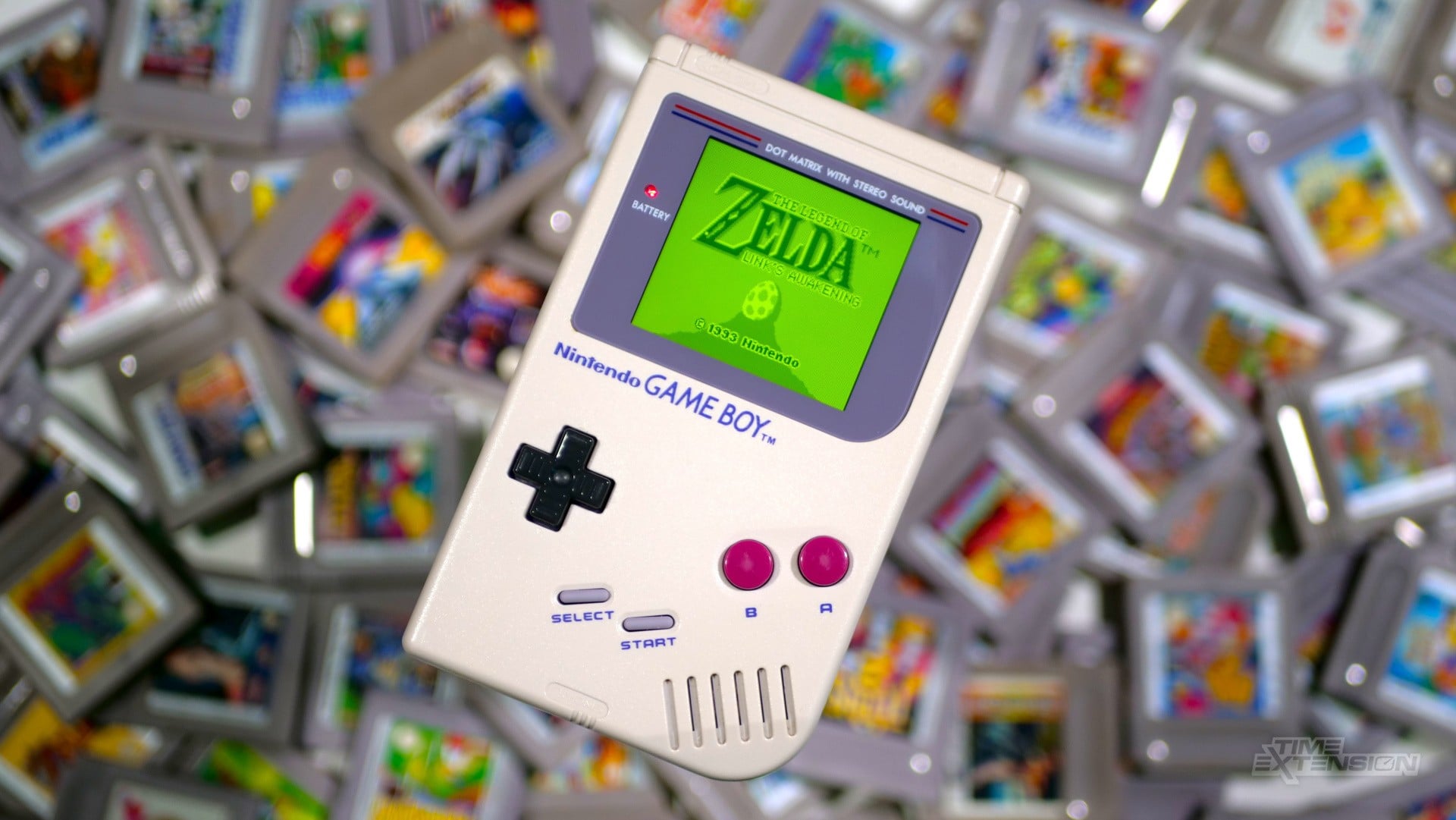
- Display Replacement: The removal of the biverted original display and the installation of a new, modern LCD panel.
- Button Membrane Replacement: Refreshing the D-pad and button membranes to restore optimal responsiveness and tactile feedback.
- Contrast Dial Modification: Replacing the original contrast dial with a ‘push-in’ mechanism that cycles through various screen color presets.
This series of upgrades collectively addressed the console’s most pressing functional issues while simultaneously introducing a suite of modern conveniences.
Detailed Examination of the Upgrades
The "final form" of this Game Boy is a harmonious blend of classic design and cutting-edge technology, achieved through three primary enhancements:
1. The Modern IPS LCD Display
The most impactful upgrade is the installation of a modern IPS (In-Plane Switching) LCD display. These panels represent a significant leap over the original DMG-01 screen in several key areas:
- Clarity and Resolution: Modern IPS panels offer significantly higher resolution, sharper image quality, and wider viewing angles compared to the original dot matrix screen.
- Backlighting: Integrated backlighting eliminates the need for external light sources, making the console playable in any environment.
- Customization: The new display system incorporates advanced features such as pixel grid emulation, which meticulously recreates the distinctive grid pattern of the original LCD, and frameblending, a technique that mimics the ghosting effects characteristic of the DMG-01’s slow pixel response time. These features are crucial for maintaining the authentic visual feel while leveraging modern screen technology.
- Color Palettes: The modified contrast dial, now a push-in button, allows users to cycle through various color presets. This includes an option to reproduce the iconic "pea-soup" green monochrome look, alongside other palettes for diverse aesthetic preferences. The ability to fine-tune color levels within sub-menus further empowers users to achieve their desired visual experience.
The quality of these modern LCDs, often supplied by manufacturers like FunnyPlaying or Retro Modding, has reached a point where they closely rival the reproduction capabilities of high-end FPGA devices like the Analogue Pocket. The fidelity of the pixel effect and the option for frameblending ensure that the enhanced Game Boy delivers an experience that is both visually superior and authentically nostalgic.
2. The EverDrive GB X7 Flash Cartridge
The EverDrive GB X7, developed by Krikzz, is a cornerstone of modern retro gaming convenience. This advanced flash cartridge allows users to load an entire library of Game Boy ROMs onto a single SD card, eliminating the need to constantly swap physical cartridges. Its features extend beyond simple ROM loading:
- Extensive Game Library: A single cartridge can hold hundreds, if not thousands, of Game Boy titles.
- Save States: A crucial modern feature, save states allow players to save their progress at any point in a game, a capability not natively available on the original Game Boy. This significantly enhances playability, particularly for older, challenging titles.
- Real-Time Clock (RTC): Essential for games that utilize time-based events, such as Pokémon Crystal.
- Fast Loading: Games load almost instantly, providing a seamless experience.
The EverDrive GB X7 dramatically improves the accessibility and convenience of playing Game Boy games, merging the vastness of digital libraries with the tangibility of original hardware.
3. The CleanJuice USB-C Battery Pack
Addressing one of the original Game Boy’s most significant practical limitations – its reliance on disposable AA batteries – the CleanJuice battery pack offers a sustainable and convenient power solution.
- Rechargeable Power: This drop-in replacement utilizes modern lithium-ion or LiPo battery technology, offering extended playtimes.
- USB-C Charging: Integration of a USB-C port for charging aligns the classic console with contemporary charging standards, eliminating the need for bulky chargers or constant battery swaps.
- Custom Fit: The pack comes with a specially designed replacement battery panel, ensuring a seamless aesthetic integration.
Beyond convenience, the CleanJuice mod also carries environmental implications. By eliminating the need for disposable AA batteries, it promotes a more sustainable approach to retro gaming, reducing waste and long-term costs for the user.
Broader Impact and Implications
The phenomenon of extensively modding classic consoles like the Game Boy DMG-01 carries several significant implications for the retro gaming community and the broader technology landscape:
- The "Final Form" Concept: This project exemplifies a growing trend where enthusiasts seek to achieve a definitive version of their beloved consoles. It’s a pursuit of perfection that balances the preservation of original aesthetics with the integration of modern functionality, allowing a 35-year-old device to compete with contemporary retro gaming solutions.
- Economic Microcosm: The reliance on specialized modders like Matthew Whitehead and the procurement of custom parts highlights the vibrant economic ecosystem that has developed around retro gaming. Small businesses, individual artisans, and international parts suppliers all contribute to this niche market, demonstrating the financial viability of catering to passionate hobbyists.
- Environmental Sustainability: By extending the functional life of vintage electronics, modding contributes to a form of circular economy. Instead of discarding old devices or relying solely on emulation, hardware is repaired, upgraded, and given a new lease on life, reducing electronic waste.
- The Role of Nostalgia: The project powerfully illustrates the enduring power of nostalgia as a driving force in consumer behavior. The emotional connection to childhood devices often overrides purely practical considerations, leading individuals to invest significant time and resources into perfecting their vintage hardware rather than simply opting for modern, arguably more convenient, alternatives.
- Consumer Choice and Market Segmentation: The existence of highly modded original hardware alongside FPGA-based devices (like the Analogue Pocket) and software emulators creates a rich spectrum of choices for retro gamers. Each option caters to different priorities: authenticity, convenience, portability, or cost. The modded DMG-01 carves out a unique space, offering the tangible feel of original hardware combined with a modern visual and functional experience, making it a preferred choice for those who value the original form factor above all else.
- Technological Preservation and Innovation: The continuous development of modding techniques and components ensures that the knowledge and skills required to maintain and enhance these historical devices are passed down and refined. This ongoing innovation prevents technological obsolescence and keeps the spirit of hardware experimentation alive.
In conclusion, the transformation of a venerable DMG-01 Game Boy into its "final form" through advanced modding represents more than just a personal project for one enthusiast. It stands as a powerful symbol of the retro gaming community’s dedication to preservation, innovation, and the profound emotional connection to technological heritage. By meticulously integrating cutting-edge display technology, expansive game libraries, and sustainable power solutions into a classic console, this endeavor not only ensures the Game Boy’s continued relevance but also redefines what it means to experience gaming history in the 21st century. The preference for the original DMG-01’s tactile feel, even when other GBC-compatible options exist, speaks volumes about the enduring allure of Gunpei Yokoi’s monochrome marvel, now reborn and ready for another generation of play.