Johny Imanuel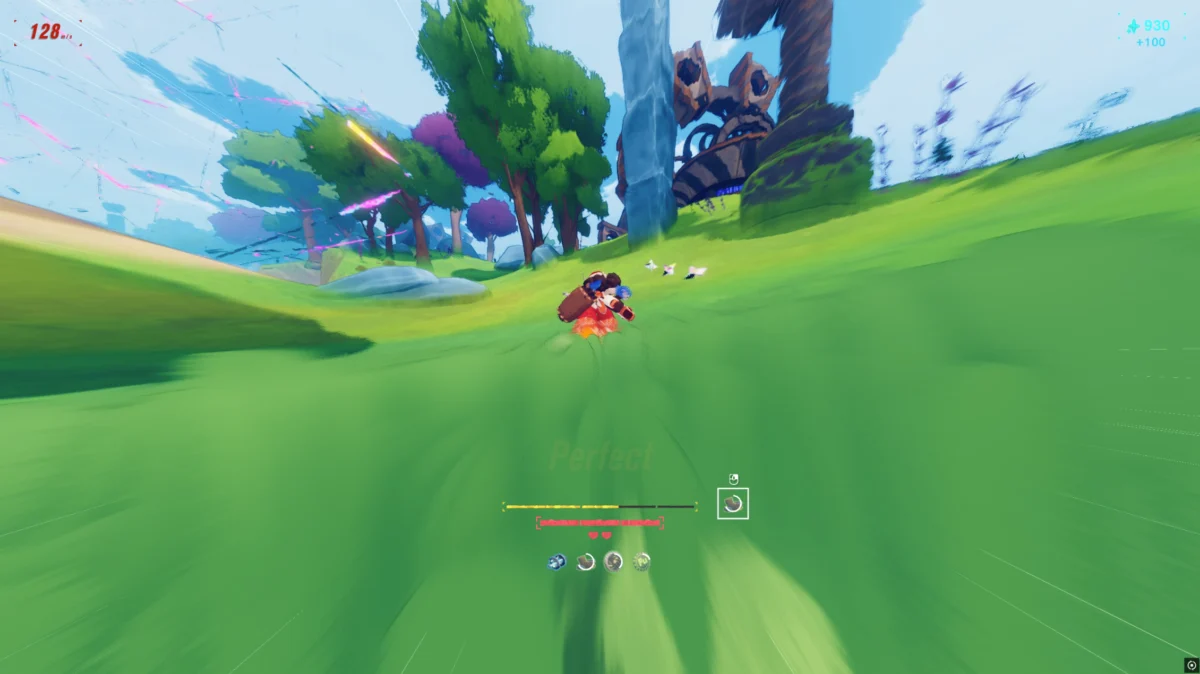
The Evolution of the High-Speed Roguelike
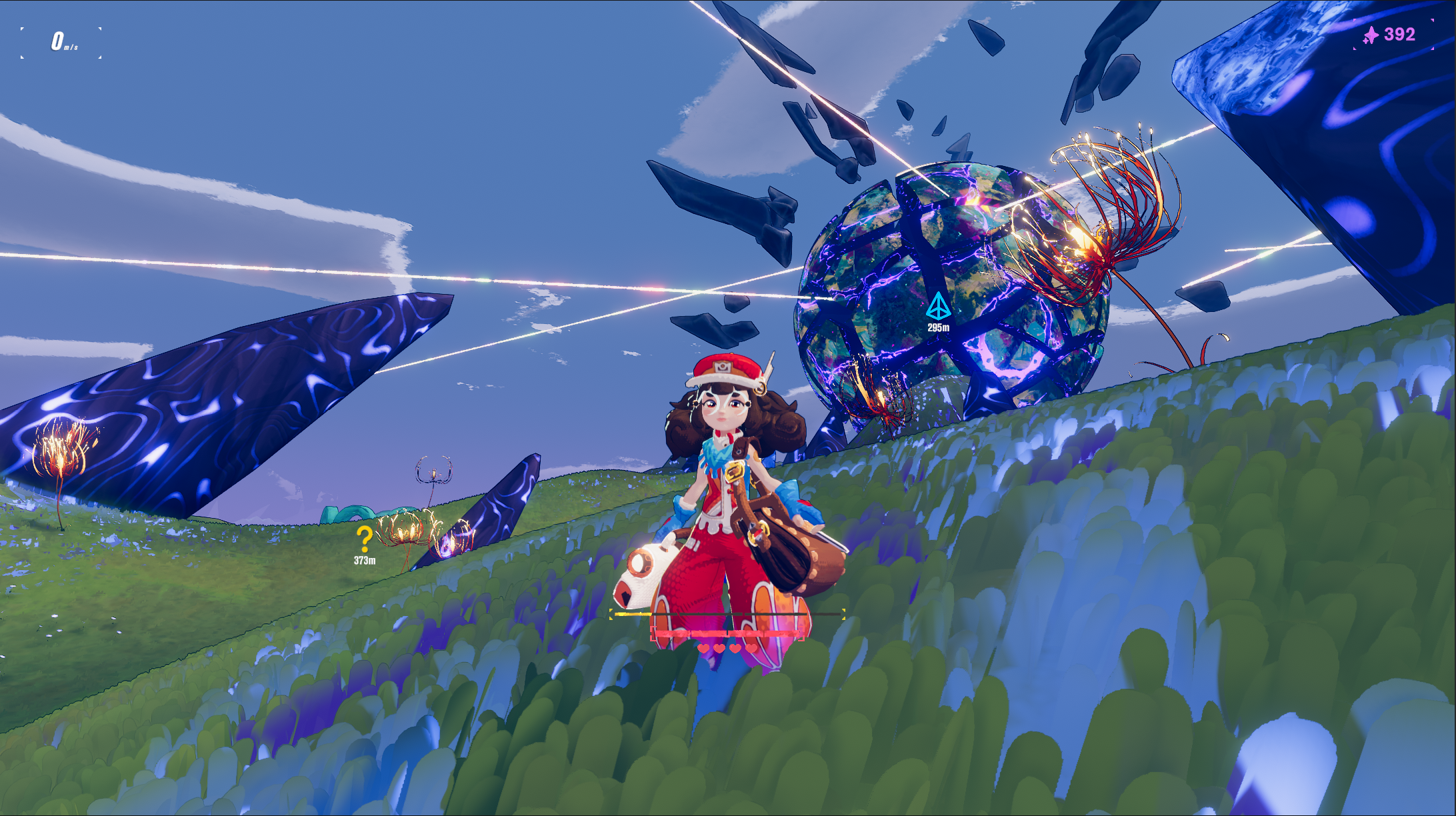
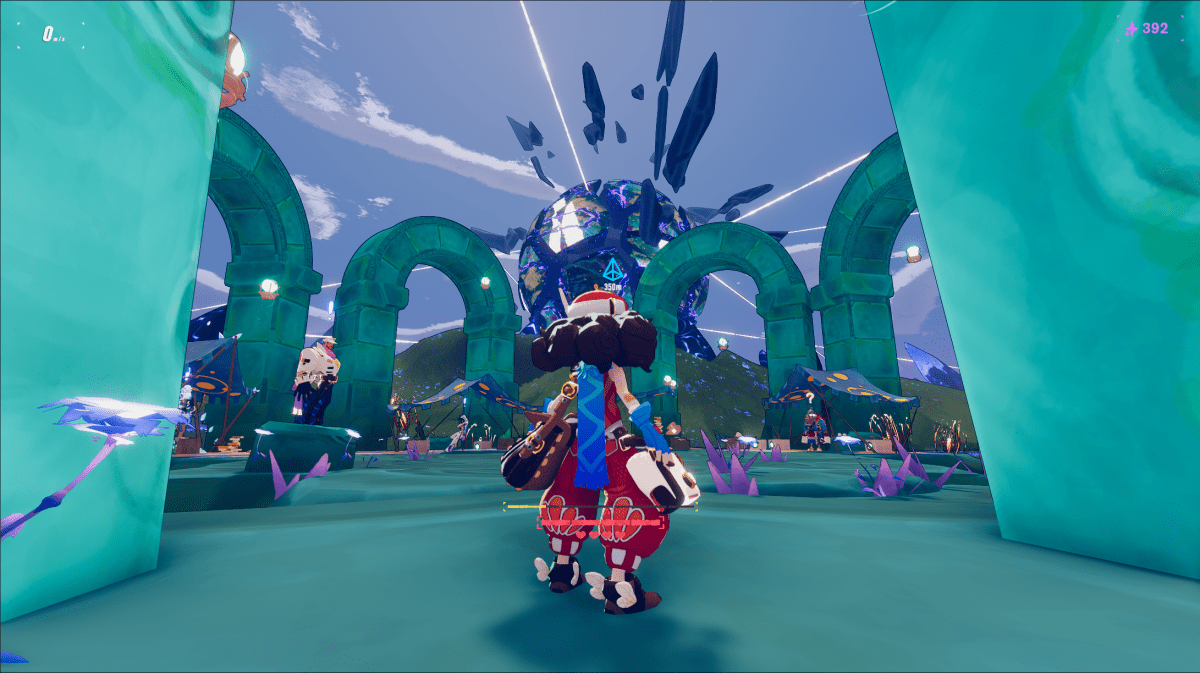
Haste represents a stylistic departure for Landfall, a developer known for its physics-heavy and often experimental titles. The game casts players in the role of Zoe, a delivery person operating in a world where reality is literally fracturing. The narrative premise is built around the sudden appearance of mysterious Shards, which coincide with the collapse of various environments. As Zoe navigates these crumbling landscapes using her ability to traverse portals, she uncovers a corporate conspiracy aimed at exploiting the Shards’ power.
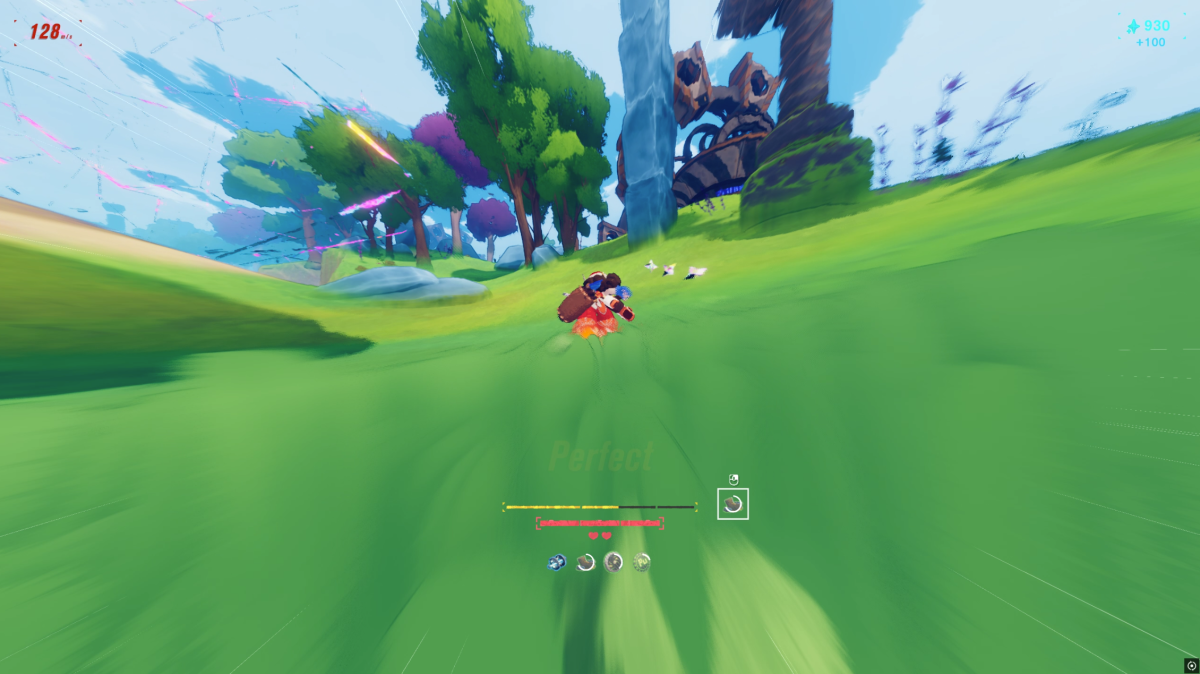
The gameplay mechanics are centered on an auto-runner perspective, utilizing a third-person camera that follows Zoe as she sprints through procedurally generated levels. Unlike traditional platformers, Haste places a premium on momentum management. Players must master the "fast-fall" mechanic—pressing a button at the apex of a jump to descend rapidly. Landing correctly on downward slopes increases Zoe’s speed, while mistimed jumps or poor landings result in a loss of health and momentum, eventually allowing the encroaching "destruction" to overtake the player.
Performance Analysis on Nintendo Switch 2 Hardware
The Nintendo Switch 2, designed to bridge the gap between portable convenience and home console power, is theoretically capable of handling high-speed titles at consistent frame rates. However, technical evaluations of Haste on the platform indicate a lack of optimization. On competing consoles and high-end PCs, Haste is celebrated for its fluid 60 frames per second (fps) gameplay, which is considered essential for a game predicated on split-second reactions.
On the Switch 2, particularly in handheld mode, the game frequently struggles to maintain this 60fps target. While the title remains playable, the inconsistency in frame delivery affects the precision required for the game’s "perfect landings." In docked mode, the performance issues persist when graphical settings are adjusted beyond the "Low" or "Medium" presets. Technical testers have identified specific graphical features that trigger significant performance drops, including:
- Motion Blur: Intended to enhance the sense of speed, this feature appears to place a disproportionate strain on the Switch 2’s GPU.
- Hourglass Ability VFX: The visual effects associated with Zoe’s board abilities cause noticeable stuttering during high-action sequences.
- Item Icon VFX: Even minor UI-related visual effects have been linked to frame rate fluctuations.
These performance bottlenecks suggest that the game’s engine, while robust on stationary consoles, requires further refinement to accommodate the specific architecture of the Switch 2’s mobile chipset.
Critical Technical Failures and the Tutorial Loop
Beyond general performance concerns, Haste on the Switch 2 has exhibited specific software bugs that can impede player progress. One of the most prominent issues identified occurs within the game’s tutorial phase. The tutorial is designed to teach players the nuances of the "fast-fall" and board ability mechanics. If a player fails a specific action, the game is programmed to automatically "rewind" Zoe to a safe position to allow for a retry.
However, on the Switch 2 version, reports have emerged of a "rewind loop" glitch. In certain instances, the game fails to calculate a sufficiently safe coordinates for the rewind, trapping the player in a cycle where Zoe is placed directly above a void or a hazard. This results in an infinite loop of falling and rewinding, forcing the player to restart the game entirely. While this issue is most prevalent in the tutorial, similar logic errors have been reported during standard runs, particularly in the later, more complex environments approximately two hours into the campaign.
Difficulty Tiers and Accessibility Features
Despite the technical shortcomings of the Switch 2 port, Haste maintains its suite of accessibility and difficulty options, which have been a highlight of the game’s design. Landfall has implemented three primary difficulty settings available from the start:
- Chill: Designed for players who wish to focus on the narrative and the aesthetics of the crumbling worlds without the pressure of extreme speed requirements.
- Steady: The standard experience, balancing the threat of the encroaching destruction with manageable platforming challenges.
- Sprint: A high-intensity mode intended for veteran players, requiring near-perfect execution of the momentum mechanics.
The inclusion of these tiers is intended to make the roguelike genre more approachable, yet the technical instability on the Switch 2 can undermine these efforts. In "Sprint" mode, where timing is most critical, even a minor frame drop can lead to a failed run, potentially alienating the game’s core competitive audience.
Chronology of Development and Release
The journey of Haste from a PC-centric indie darling to a multi-platform release has been closely watched by the industry.
- Initial Reveal: Haste was first showcased as a project that prioritized "flow state" gameplay, emphasizing the feeling of speed over traditional combat.
- Early Access and PC Launch: The game saw significant success on PC, where its high-refresh-rate support made it a favorite among speedrunners.
- Consoles Expansion: Following its success on Steam, Landfall announced versions for the PS5 and Xbox Series X, which were praised for their technical stability.
- Switch 2 Announcement: The Switch 2 version was marketed as a flagship third-party title for the new hardware, promising "console-quality speed on the go."
- Post-Launch Feedback: Shortly after the Switch 2 release, players began reporting the aforementioned lag and tutorial bugs, leading to a mixed reception for this specific version.
Comparative Market Position
When placed alongside other high-speed titles on the Switch 2, Haste faces stiff competition. Titles optimized specifically for Nintendo’s hardware often utilize dynamic resolution scaling to maintain frame rates. The current version of Haste appears to lack these aggressive optimization techniques, leading to the performance disparity noted by the community.
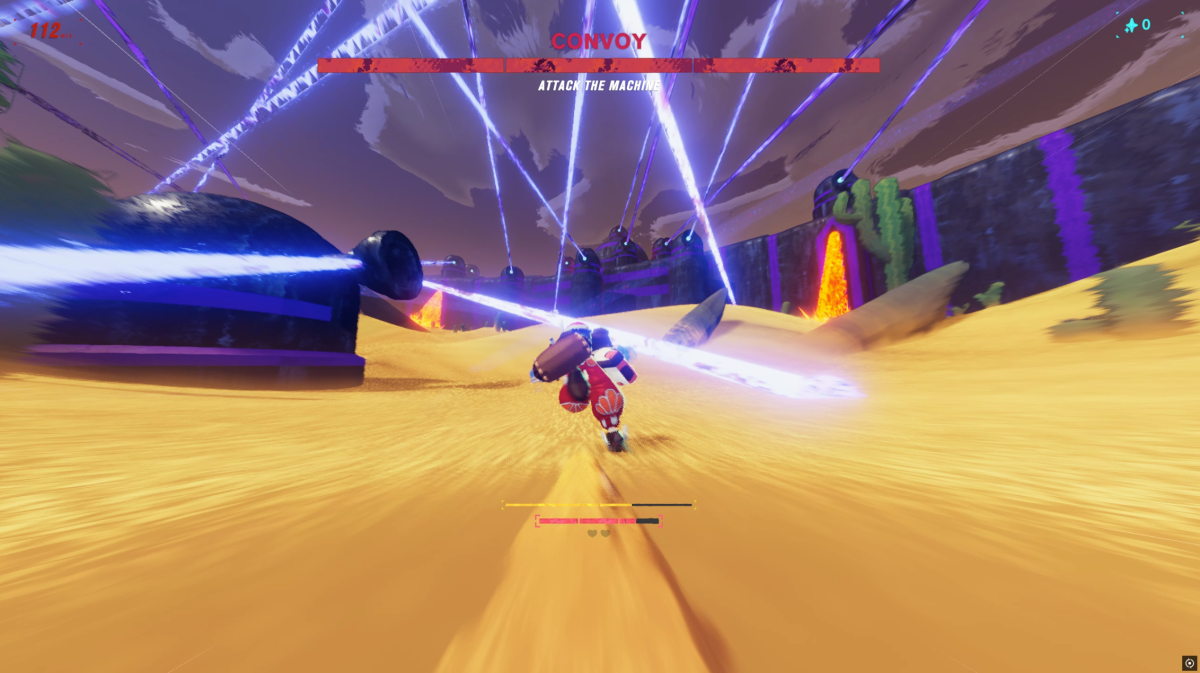
Industry analysts suggest that the issues with Haste may be indicative of the broader challenges developers face during the early lifecycle of a new console. As third-party studios move away from the original Switch hardware to the Switch 2, the "growing pains" of optimization are often visible in early ports. However, given Landfall’s history of post-launch support, many in the industry expect a series of patches to address the frame rate stability and the tutorial logic errors.
Official Responses and Future Outlook
While Landfall has not yet released a formal "day-one" patch notes list specifically for the Switch 2’s technical glitches, the studio has a reputation for transparency and community engagement. In past instances, Landfall has been quick to address physics-based bugs in titles like Totally Accurate Battle Simulator.
For players who own multiple platforms, the current consensus suggests that the PC or "Series" console versions offer a superior experience in terms of visual fidelity and mechanical reliability. However, for the segment of the market that relies solely on the Nintendo ecosystem, Haste remains a "functional but flawed" entry in the library.
The broader implications for the Switch 2 are also being discussed. If high-profile indie titles like Haste struggle with basic optimization on the new hardware, it may signal a need for more robust development tools or better middleware support for the platform. As the industry moves further into 2026, the performance of third-party ports will be a key metric in determining the long-term success of Nintendo’s latest venture.
Conclusion
Haste remains a fascinating and innovative take on the roguelike genre, offering a unique blend of speedrunning and procedural generation. Its narrative of Zoe and the mysterious Shards provides a compelling backdrop to its high-octane gameplay. On the Nintendo Switch 2, however, the "race" feels hampered by technical constraints. Until a comprehensive update is deployed to stabilize the frame rate and resolve the critical tutorial bugs, the Switch 2 version of Haste serves as a reminder of the complexities involved in porting high-performance software to portable hardware. For now, the game is available on Switch 2, PS5, Xbox Series X, and PC, with the latter three remaining the recommended platforms for those seeking the smoothest possible experience.