Hartono Sudibyo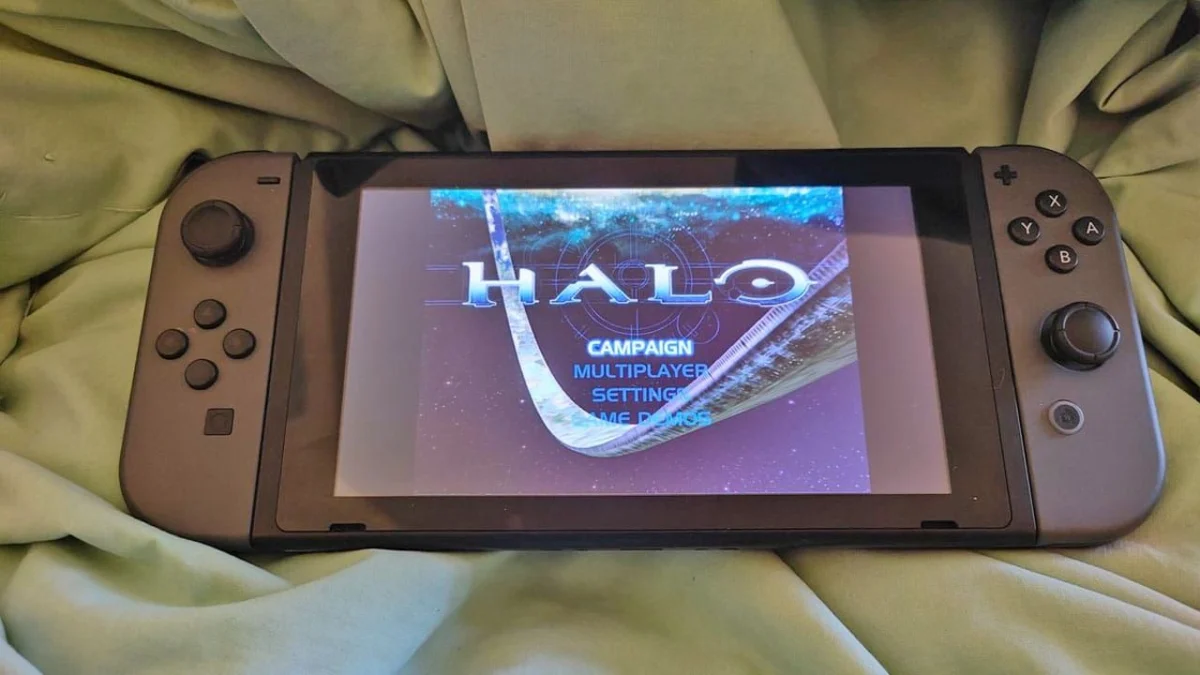
The seemingly impossible has been achieved within the dedicated retro gaming and homebrew communities, as the iconic first-person shooter, Halo: Combat Evolved, has been successfully emulated and made playable on the original Nintendo Switch. This groundbreaking feat, accomplished by the modder known as @Generalkidd, bypasses the need for cloud streaming and brings a Microsoft-exclusive title, deeply intertwined with the Xbox legacy, to Nintendo’s hybrid console. The development has sent ripples through the gaming world, prompting surprise and intrigue from both developers and enthusiasts alike.
The Genesis of an Unlikely Port
When the Nintendo Switch launched, the idea of experiencing a game as seminal and platform-defining as Halo: Combat Evolved on its hardware would have been met with considerable skepticism, if not outright disbelief. Halo’s identity is intrinsically linked to the Microsoft ecosystem, having served as a flagship title for the original Xbox and a cornerstone of its early success. Its technical demands and its historical association with a competing console made such a port appear, at best, a distant fantasy, and at worst, a conceptual mismatch. This perception was further solidified by the fact that Nintendo and Microsoft, while having collaborated on certain projects like Ori and the Blind Forest’s appearance on Switch, had rarely crossed paths in such a direct manner for their most recognizable intellectual properties.
However, the landscape of gaming accessibility and player ingenuity has dramatically shifted in recent years. The burgeoning retro gaming scene, fueled by a passion for preserving and experiencing classic titles on modern hardware, has witnessed a series of remarkable achievements. Projects like the port of The Legend of Zelda: Ocarina of Time to the Sega Dreamcast and the creation of a PlayStation 1 demake of Fortnite have demonstrated that with sufficient dedication and technical expertise, seemingly insurmountable barriers can be overcome. These precedents set a new bar for what is considered possible, fostering an environment where ambitious undertakings are not just entertained but actively pursued.
The Technical Implausibility Becomes Reality
The success of @Generalkidd’s endeavor lies in the utilization of an advanced Arm64 build of the Xbox emulator, Xemu. This sophisticated emulation software allows for the recreation of the original Xbox hardware environment within the Nintendo Switch’s architecture. Crucially, this means that Halo: Combat Evolved is not being streamed from a remote server but is running natively on the Switch’s internal hardware, albeit through emulation. This distinction is vital, as it signifies a direct computational effort by the Switch itself to process the game’s code and graphics.
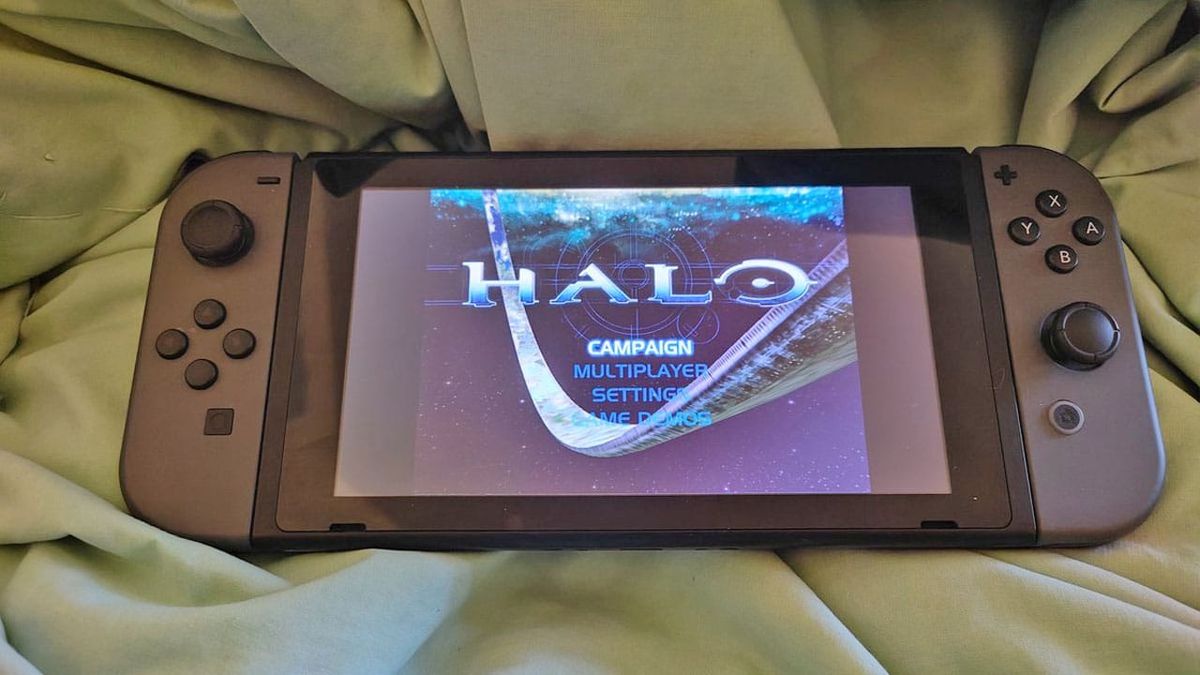
The process, however, is not without its prerequisites. To run such emulated software, the Nintendo Switch console must be "modded," a term that refers to the modification of the console’s firmware or hardware to enable the execution of unauthorized software. This typically involves exploiting system vulnerabilities or utilizing custom firmware, a practice that carries inherent risks and voids manufacturer warranties. Consequently, this accomplishment, while technically astounding, is not a readily accessible solution for the average Switch owner and is primarily the domain of dedicated hobbyists and tinkerers within the homebrew community.
The Unforeseen Impact and Official Reaction
The sheer audacity and technical prowess behind running a game so deeply embedded in Microsoft’s history on a Nintendo console has generated significant buzz. The implications extend beyond mere novelty; they highlight the growing sophistication of emulation technology and the remarkable capabilities of the Nintendo Switch, a console that continues to surprise with its versatility.
The reaction from the broader gaming industry, particularly from those closely associated with the Halo franchise, has been a mixture of astonishment and amusement. Brian Jarrard, the Community Director for Halo Studios, publicly acknowledged the feat with a Will Ferrell GIF accompanied by the caption "I like you, but you’re crazy." This lighthearted yet telling response encapsulates the general sentiment: the achievement is so unexpected and technically challenging that it borders on the unbelievable, yet it has undeniably happened. It underscores the fact that even those within the very studios that created the game are taken aback by its presence on an entirely different platform through unofficial means.
Deconstructing the Achievement: Data and Context
To fully appreciate the magnitude of this accomplishment, it’s beneficial to consider the technical specifications and historical context of both the original Halo: Combat Evolved and the Nintendo Switch.
Halo: Combat Evolved (Original Release – 2001):

- Platform: Xbox, Microsoft Windows, macOS
- Processor: 733 MHz Intel Pentium III or AMD Athlon
- Memory: 128 MB RAM
- Graphics: NVIDIA GeForce 3 or ATI Radeon 8500 (with 32MB VRAM)
- Storage: 2.5 GB
Nintendo Switch (Original Model – 2017):
- Processor: NVIDIA Tegra X1 (customized ARM-based CPU and GPU)
- Memory: 4 GB LPDDR4 RAM
- Internal Storage: 32 GB (expandable via microSDXC)
The disparity in processing power and architecture between the original Xbox and the Nintendo Switch is significant. The Xbox was a dedicated home console designed with a powerful custom processor for its era, capable of rendering complex 3D environments and demanding gameplay. The Nintendo Switch, while a powerful mobile-hybrid device, operates under different constraints, balancing performance with battery life and portability.
The success of Xemu on the Switch signifies that the emulator is capable of translating the Xbox’s unique instruction set and hardware behaviors into a format that the Switch’s ARM-based processor can interpret and execute. This involves sophisticated software engineering to bridge the architectural gap. The fact that the game is described as "playable" suggests that the frame rates are stable enough for an enjoyable experience, likely with some compromises in graphical fidelity or performance compared to the original Xbox version, but critically, without the latency issues that plague cloud-based solutions.
The Wider Implications for Emulation and Gaming Preservation
The successful emulation of Halo: Combat Evolved on the Nintendo Switch has several far-reaching implications:
- Advancement in Emulation Technology: This achievement is a testament to the ongoing progress in emulator development. Xemu, and by extension its port to the Switch, demonstrates the increasing ability of software to accurately replicate complex hardware, pushing the boundaries of what was once considered feasible.
- Gaming Preservation: Such projects contribute significantly to the preservation of gaming history. By making older titles playable on modern hardware, especially those that may become inaccessible due to hardware degradation or platform discontinuation, these efforts ensure that future generations can experience these seminal works.
- Unlocking Potential of Existing Hardware: The Nintendo Switch, particularly when running custom firmware, is proving to be a surprisingly capable platform for a wide range of emulation tasks. This event further highlights its potential beyond its intended purpose, showcasing the power of its underlying hardware when harnessed by dedicated developers.
- Ethical Considerations and Legal Gray Areas: While celebrated within the homebrew community, the practice of running emulated games often exists in a legal gray area. The distribution of game ROMs is generally prohibited without owning the original game, and modifying consoles can void warranties and lead to other complications. This situation often sparks debate about fair use, intellectual property, and the role of preservation in the digital age.
A Glimpse into the Future of Gaming
The journey of Halo: Combat Evolved to the Nintendo Switch, however unofficial, is a compelling narrative of passion, technical ingenuity, and the evolving nature of gaming. It blurs the lines between platforms and demonstrates the power of community-driven innovation. While not a solution for every gamer, it serves as a powerful reminder that the spirit of exploration and the desire to experience beloved games, regardless of platform barriers, continues to drive significant advancements in the world of video games. As emulation technology matures and console hardware becomes more accessible for modification, we may see even more unexpected and ambitious cross-platform experiences emerge from the dedicated corners of the gaming world. The era of "anything is possible" in retro gaming and emulation has truly arrived, proving that even the most entrenched platform exclusives can find a new, albeit unofficial, home.