Cecilia Chamidah Nur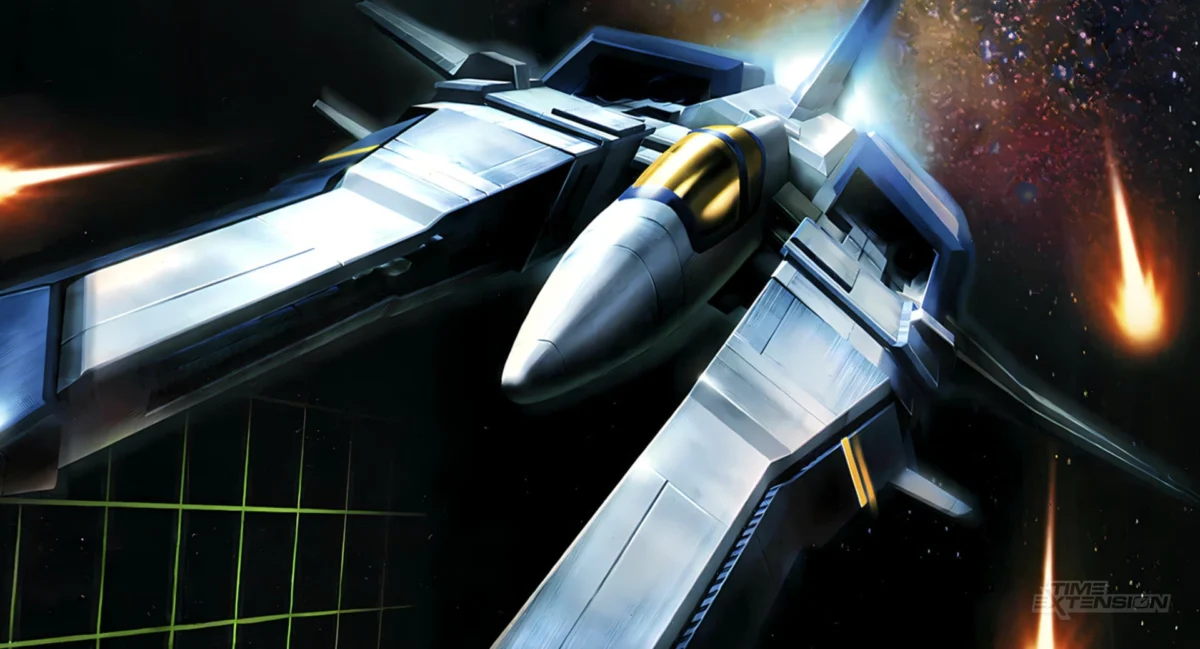
The landscape of retro gaming has once again been reshaped by the dedication of its community, as a significant fan-made upgrade patch, titled "Gradius Generation BLACK LABEL," has been released for the 2001 Game Boy Advance title, Gradius Advance. This ambitious project, spearheaded by the modder known as allanrps, aims to transform a previously overlooked entry in Konami’s revered shoot ’em up (shmup) series into a definitive experience, capable of standing "shoulder to shoulder with other entries in the series." The enhancement package addresses critical shortcomings of the original release, introducing a wealth of new features, mechanical refinements, and cosmetic improvements designed to elevate Gradius Advance (also known as Gradius Galaxies in North America and Gradius Generation in Japan) from a decent handheld port to a compelling and challenging shmup classic worthy of serious player investment.
The Original GBA Entry: A Missed Opportunity?
Released in 2001, Gradius Advance arrived during a pivotal era for handheld gaming. The Game Boy Advance, launched earlier that year, represented a substantial leap forward in portable technology, offering a 32-bit processor and a vibrant color screen, enabling experiences previously confined to home consoles. Konami, a long-standing titan in the arcade and console space, entrusted the development of this portable Gradius installment to Mobile21, a joint venture established in 1999 between Nintendo and Konami themselves. Mobile21’s existence was brief, dissolving in 2002, but during its short lifespan, it produced a handful of titles for Nintendo platforms, including Gradius Advance.
Upon its release, Gradius Advance garnered a respectable, if not enthusiastic, reception. Critics and players acknowledged its commendable effort to translate the intricate bullet patterns and power-up mechanics of the Gradius series onto the GBA’s smaller screen. The game featured the iconic Vic Viper spacecraft, a familiar arsenal of weapons, and level designs that echoed the series’ established aesthetic. However, despite its solid foundation, Gradius Advance never quite ascended to the pantheon of Gradius classics. Common criticisms often pointed to a perceived lack of the dynamic difficulty adjustments and nuanced scoring systems that defined the arcade originals, leading to a sense that while competent, it fell short of the high bar set by its predecessors. It was a "decent enough" game, a commendable technical achievement for the platform, but it lacked the deeper strategic layers that fostered long-term engagement and replayability characteristic of the genre’s best. Its absence from automatic "must-play" recommendations for newcomers to the franchise underscored its status as a good, but not great, entry.
The Illustrious Legacy of Gradius
To fully appreciate the significance of the "BLACK LABEL" upgrade, one must first understand the storied history and profound influence of the Gradius series itself. Konami’s Gradius, which debuted in arcades in 1985, is widely credited as a foundational title in the horizontal scrolling shoot ’em up genre. It introduced many conventions that would become standard, most notably its iconic "power-up bar" system, allowing players to strategically select upgrades like speed-ups, missiles, double shots, lasers, and the powerful "Option" (multiples that follow the main ship and fire). This system injected a layer of tactical depth previously unseen in most arcade shooters, where power-ups were often randomized drops.
Over the decades, the Gradius series has produced numerous highly acclaimed entries, each pushing the boundaries of graphical fidelity, level design, and gameplay mechanics. Titles like Gradius II: Gofer no Yabou (1988), Gradius III (1989), and especially Gradius V (2004, developed by Treasure) are celebrated for their punishing difficulty, intricate enemy patterns, memorable boss encounters, and deep scoring mechanics. These games fostered a dedicated community of players who meticulously practiced levels, memorized bullet patterns, and chased high scores, often engaging with complex "rank" systems that subtly or overtly adjusted difficulty based on player performance, encouraging mastery. The absence of such a dynamic rank and robust scoring system in Gradius Advance was thus perceived as a significant omission, hindering its potential to offer the same depth of challenge and reward that fans had come to expect from the franchise.
"Gradius Generation BLACK LABEL": A Total Rehaul
It is against this backdrop of high expectations and a legacy of innovation that allanrps embarked on the ambitious "Gradius Generation BLACK LABEL" project. Described as "a total rehaul of the original title," the patch is far more than a simple bug fix; it represents a comprehensive reimagining of the game’s core experience, touching virtually every aspect of its code. The modder’s primary goal was to transform Gradius Advance into "one great shmup" for the GBA, a title "worth sinking your teeth into, practising, going for runs, big scores," and crucially, one that could be fully experienced on original hardware without reliance on save states – a common crutch for difficult retro games.
The list of enhancements introduced in "BLACK LABEL" is extensive and addresses many of the original game’s perceived weaknesses. Among the most significant additions is a dynamic rank display. In many classic shmups, "rank" is an invisible difficulty multiplier that increases based on player actions (e.g., collecting power-ups, staying alive, destroying enemies quickly) and decreases with mistakes. A high rank means more aggressive enemies, faster bullets, and denser patterns. By making this rank visible, players gain a crucial tactical awareness, allowing them to understand how their actions influence the game’s challenge and encouraging them to push for higher ranks to achieve better scores. This addition alone fundamentally alters the strategic depth of the game.
Complementing the dynamic rank system is an engaging scoring system designed to reward high-rank play and mastery. The original Gradius Advance lacked score-based extensions (extra lives granted upon reaching certain score thresholds), a common feature in arcade shmups that incentivizes players to actively pursue points. "BLACK LABEL" rectifies this, providing a compelling reason for players to optimize their runs, clear stages efficiently, and maintain high ranks, thus fostering the competitive "score-chasing" culture synonymous with the genre.
Beyond these foundational mechanical changes, the patch introduces a host of other improvements:
- High-Visibility Bullets: A crucial quality-of-life improvement, especially for a handheld game. Making enemy projectiles more distinct against busy backgrounds reduces frustration and allows for clearer pattern recognition, enhancing fair play.
- New Weapons: Expanding the arsenal of the Vic Viper offers players more strategic options and encourages experimentation with different loadouts to tackle specific challenges. While specific details of these new weapons are not explicitly detailed, their inclusion suggests a broader range of tactical choices for players.
- Enhanced Bosses: Boss encounters in Gradius are often climactic tests of skill and pattern recognition. "BLACK LABEL" reworks these encounters, likely introducing new attack patterns, phases, or increased aggression, providing a fresh challenge even for those familiar with the original game.
- Practice Mode: An invaluable tool for any challenging shmup, practice mode allows players to hone their skills on specific stages or boss fights without having to restart the entire game. This significantly lowers the barrier to entry for mastering difficult sections and encourages incremental improvement.
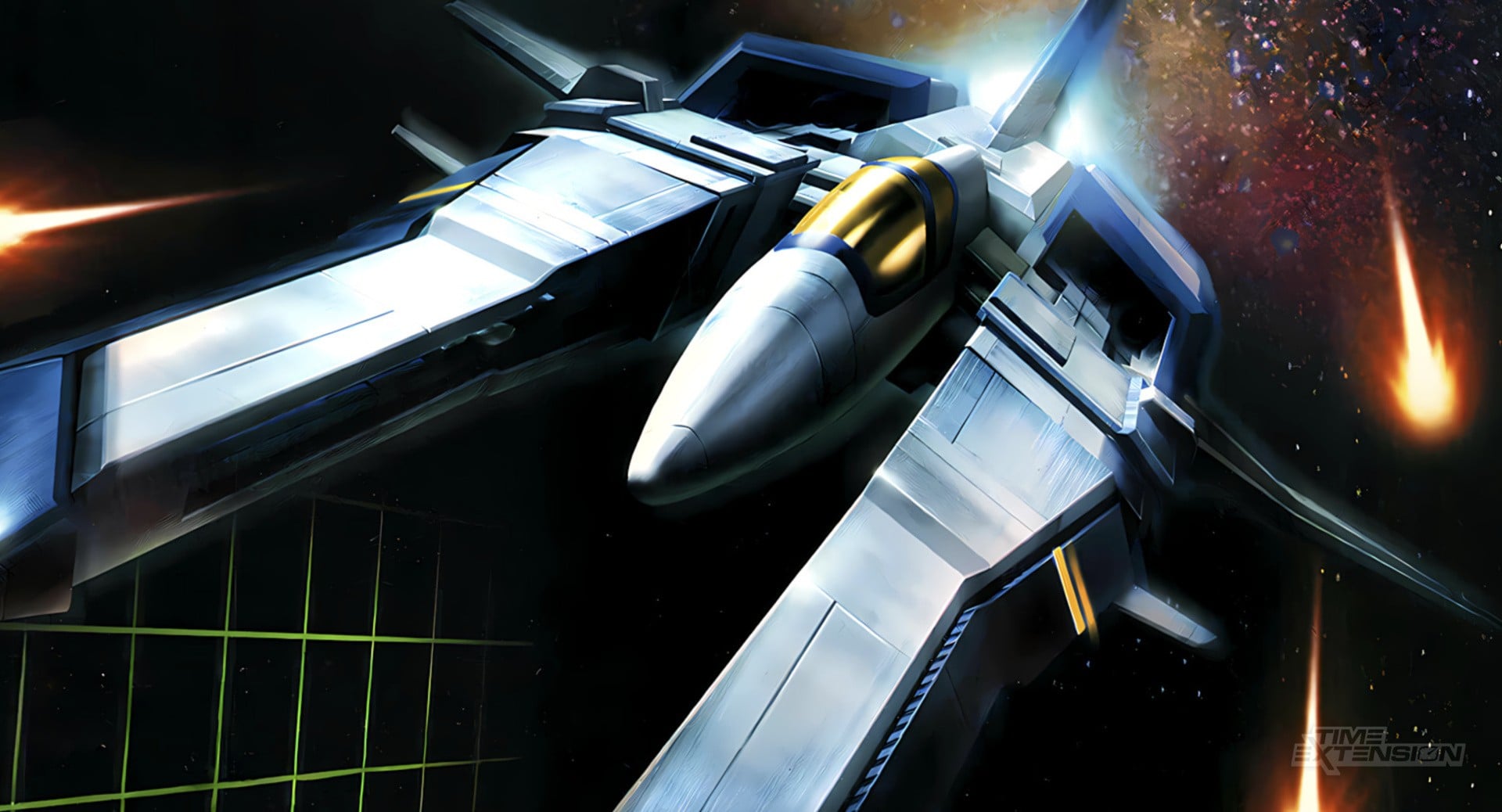
- Custom-Illustrated Ship Sprites: A cosmetic but impactful change, offering a fresh visual take on the iconic Vic Viper and potentially other in-game assets. This shows the attention to detail and artistic dedication of the modder.
- A Brand New Enemy: The Option Hunter! This is a particularly noteworthy addition, as the "Option Hunter" is a notorious and beloved enemy type from other Gradius titles, specifically designed to destroy the player’s Options. Its inclusion adds a layer of strategic tension and threat, forcing players to protect their precious multiples and fundamentally altering how they approach certain segments of the game. Allanrps explicitly states it as "an absolutely necessary addition," highlighting its importance to the authentic Gradius experience.
- Bugfixes and Significantly Improved Performance: Addressing technical issues and optimizing performance ensures a smoother, more stable gameplay experience, which is vital for a fast-paced genre like shmups.
Allanrps emphasizes the depth of these changes, stating, "You can hardly find a corner of the game code that was untouched." This level of commitment underscores the project’s ambition to not just tweak, but fundamentally re-engineer the game.
The Modding Community: Preservation and Innovation
The creation of "Gradius Generation BLACK LABEL" is a testament to the vibrant and active ROM hacking and modding community. This global network of enthusiasts dedicates countless hours to reverse-engineering, enhancing, and preserving classic video games. Fan patches, like the one for Gradius Advance, serve multiple crucial functions:
- Game Preservation: By updating and improving older titles, modders ensure their continued relevance and playability on modern hardware and emulation platforms. They often fix bugs, translate games, or, as in this case, enhance gameplay to meet contemporary standards or fan expectations.
- Community Engagement: These projects foster a sense of collective ownership and creativity around beloved franchises. They allow fans to engage with games on a deeper level, contributing to their longevity and cultural impact.
- Artistic Expression: Modding provides an avenue for passionate fans to express their vision for a game, sometimes realizing potential that was limited by original development constraints (e.g., budget, time, hardware).
- Extending Lifespan: For games that might otherwise fade into obscurity, comprehensive fan upgrades can breathe new life into them, attracting new players and reigniting interest among veterans.
While the legal status of ROM hacking can be complex, often navigating intellectual property rights, the community generally operates on the principle of requiring users to own the original game ROM to apply patches. This practice aims to respect the original creators while allowing for fan-driven innovation. In the case of "BLACK LABEL," players will need a copy of the Japanese Gradius Generation ROM to apply the patch, a common prerequisite in the modding scene.
The Game Boy Advance: A Legacy Reaffirmed
The release of "Gradius Generation BLACK LABEL" also shines a spotlight on the enduring appeal of the Game Boy Advance. During its lifespan from 2001 to 2008, the GBA sold over 81 million units worldwide, cementing its place as one of the most successful handheld consoles in history. Its library boasts a remarkable array of titles across all genres, including numerous acclaimed ports, original creations, and surprisingly competent shmups. While titles like Iridion 3D and Astro Boy: Omega Factor demonstrated the GBA’s capacity for fast-paced action, the shmup genre on the platform was often constrained by screen size, button limitations, and technical demands.
Allanrps’s declaration, "The GBA is so back!", encapsulates the sentiment shared by many retro gaming enthusiasts. It highlights a resurgence of interest in playing games on original hardware or highly accurate emulators, eschewing modern conveniences like save states for a more authentic, challenging experience. The "BLACK LABEL" patch directly supports this ethos by creating a game that "will reward investment with great gaming experiences" and can be mastered through dedication, not just through repeated save scumming. For a console that redefined portable gaming, having a definitive, top-tier shmup like the upgraded Gradius Generation further solidifies its legacy and provides another compelling reason for collectors and players to revisit its extensive library.
Broader Impact and Future Implications
The release of "Gradius Generation BLACK LABEL" carries several significant implications for the retro gaming community, the Gradius franchise, and the broader landscape of game preservation.
For Gradius Enthusiasts
This patch is nothing short of a revelation. It takes a previously "good but not great" entry and elevates it to a status comparable to the series’ most beloved installments. For fans who have explored every corner of Gradius II, III, and V, "BLACK LABEL" offers a fresh, yet authentically Gradius, challenge. The promise of mastering higher loops, experimenting with different loadouts, and chasing high scores provides countless hours of renewed engagement. The modder’s personal goal of achieving a "2-All clear on original hardware" serves as an inspiring challenge for the community, demonstrating the game’s depth and replayability.
For GBA Gaming and Emulation
The patch reinforces the GBA’s reputation as a robust platform for diverse gaming experiences. It provides a new benchmark for what a shmup can achieve on the handheld, potentially inspiring other modders to revisit and enhance other GBA titles. For those who play on emulation handhelds, "BLACK LABEL" offers a high-quality, portable shmup experience that is perfectly suited for on-the-go play, fulfilling the original intent of the GBA.
For Konami and Intellectual Property Holders
While Konami has not officially commented on this fan project, such endeavors often present a complex scenario for publishers. On one hand, they demonstrate immense passion and loyalty for a franchise, effectively acting as free marketing and community engagement. On the other hand, they involve the modification and distribution of copyrighted material. Historically, some companies have embraced fan projects (e.g., SEGA with Sonic Mania), while others have issued cease-and-desist orders. The fact that the patch requires an original ROM