
 Hartono Sudibyo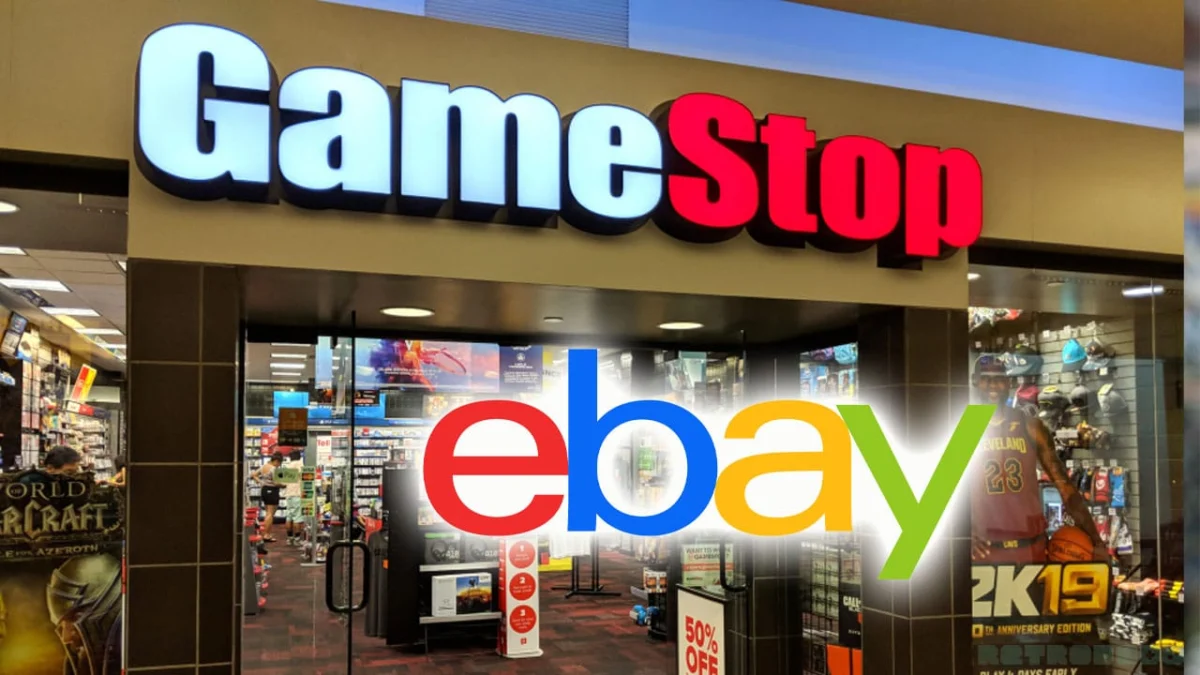
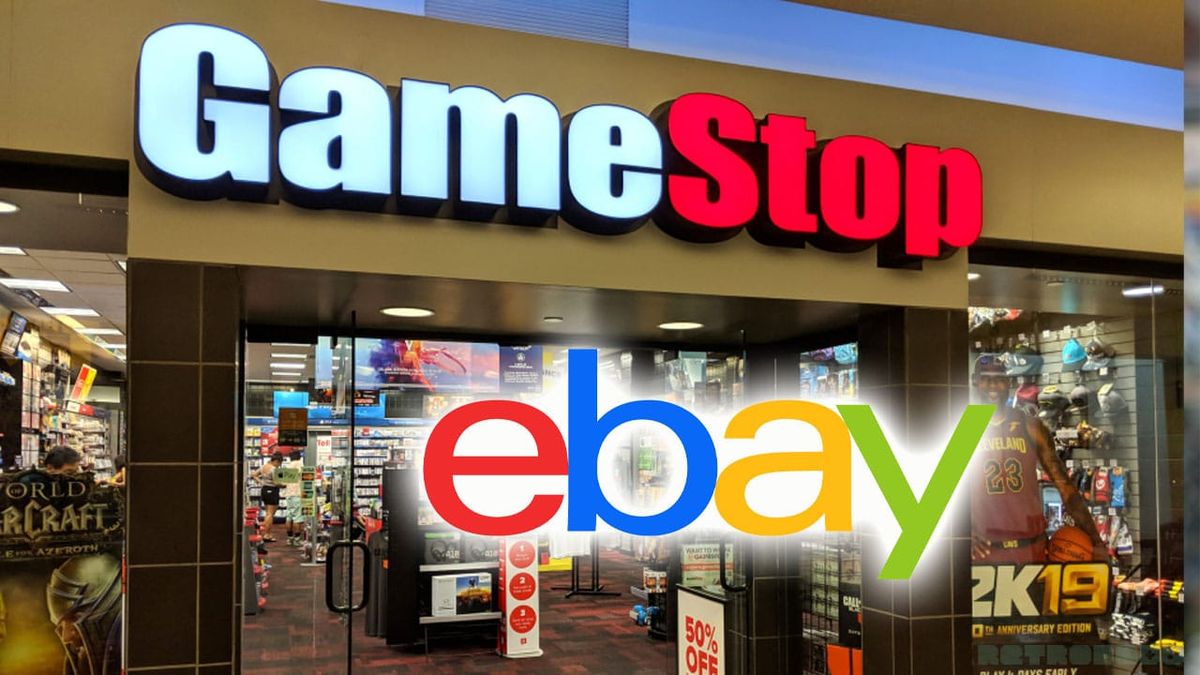
In a move that has sent shockwaves through both the retail and e-commerce sectors, GameStop, the video game and entertainment retailer, has officially submitted a binding bid of $55.5 billion to acquire online marketplace giant eBay. This ambitious proposal, revealed on May 4, 2026, aims to consolidate GameStop’s position at the forefront of the second-hand market, with a particular emphasis on its significant stake in retro gaming and collectibles. The all-cash and stock offer values eBay at $125 per share, representing a substantial premium of approximately $20 per share over its current trading valuation.
Background and Strategic Rationale
The proposed acquisition signifies a bold strategic pivot for GameStop, a company that has undergone significant transformation in recent years. Once primarily known for its brick-and-mortar stores selling new and used video games, GameStop has been actively seeking to diversify its revenue streams and capitalize on the burgeoning market for pre-owned goods and collectibles. The acquisition of eBay, the world’s largest online marketplace for buying and selling, would immediately catapult GameStop to an unparalleled position of dominance in the global second-hand economy.
This strategic rationale appears to be rooted in the growing consumer demand for pre-owned items, driven by economic considerations, environmental consciousness, and the enduring appeal of vintage and collectible goods. The retro gaming market, in particular, has experienced a renaissance, with rare titles and consoles fetching record prices. By integrating eBay’s vast seller network and buyer base, GameStop could exert significant influence over pricing, authenticity verification, and the overall user experience within this lucrative segment.
Timeline of the Bid
While the public announcement was made on May 4, 2026, the preliminary discussions and due diligence preceding this offer likely spanned several months. The submission of a binding bid indicates that GameStop’s leadership, spearheaded by its executive team and board of directors, has conducted thorough financial analyses and believes the acquisition to be strategically sound and financially viable.
The next steps in this potential merger will involve a rigorous review process. eBay’s board of directors will undoubtedly convene to evaluate the offer, considering its fiduciary duty to shareholders. This evaluation will likely involve engaging financial advisors to assess the fairness of the valuation and the strategic implications of a potential sale. Following board approval, the proposal would then be subject to shareholder votes from both companies, as well as regulatory approvals from relevant antitrust authorities in multiple jurisdictions. Given the substantial size of the transaction and its potential impact on market competition, regulatory scrutiny is expected to be intense.
Financial Details and Market Impact
The $55.5 billion valuation, equivalent to approximately £41 billion, underscores the magnitude of this proposed transaction. GameStop’s offer of $125 per share for eBay represents a significant premium, signaling a strong desire to secure the acquisition. This premium is designed to incentivize eBay’s shareholders to approve the deal, making it an attractive proposition for those looking to realize gains on their investment.
The implications for the second-hand market are profound. GameStop’s potential control over eBay could lead to a significant restructuring of how pre-owned goods are bought and sold online. Key areas of impact include:
- Pricing Dynamics: The speculative concern that GameStop might implement price caps or controls on collectibles, such as Pokémon cards, could be a reality. Historically, GameStop has aimed to offer competitive pricing on its own pre-owned inventory. If this ethos extends to the eBay platform, it could lead to a stabilization or reduction in exorbitant pricing for certain sought-after items, potentially benefiting consumers. Conversely, there’s also the possibility that GameStop could leverage its control to increase prices on high-demand retro games, particularly those with a scarcity value, thereby maximizing profits.
- Auction vs. Fixed-Price Models: The future of eBay’s iconic auction format is also a subject of speculation. GameStop might opt to shift towards a more fixed-price model, akin to platforms like Vinted, simplifying transactions and potentially accelerating sales. The "Make An Offer" feature, which allows for negotiation, could be phased out if it is perceived as undermining standardized pricing strategies.
- Seller Landscape: The acquisition could significantly alter the experience for individual sellers and small businesses that rely on eBay for their livelihood. A centralized approach to pricing and listing could streamline operations but might also reduce the flexibility and autonomy currently enjoyed by sellers.
- Competitive Landscape: The consolidation of two major players in the e-commerce and second-hand market could lead to increased competition for other online marketplaces. Smaller platforms and niche sellers may face heightened pressure to adapt or risk being marginalized.
Analysis of Broader Implications
Beyond the immediate financial and market implications, this potential merger raises several broader questions about the future of retail and online commerce.
The Retro Gaming Ecosystem
For enthusiasts of retro gaming, the acquisition presents a double-edged sword. On one hand, a more regulated and potentially more accessible market could make it easier to acquire beloved titles. The existence of games like Banjo-Tooie becoming more affordable due to digital re-releases, contrasted with the high prices of games like Chibi-Robo! (which can still command over £300), highlights the current volatility. GameStop’s intervention could bring more stability, but the question remains whether this stability will favor collectors or the company’s profit margins.
The consolidation of such a dominant platform under the umbrella of a major retailer like GameStop could also impact independent retro game stores. These smaller businesses often rely on the visibility and customer base provided by platforms like eBay. A strategic shift by GameStop could inadvertently disadvantage these local enterprises, potentially leading to a reduction in the diversity of the retro gaming retail landscape. The ability for consumers to easily find and purchase retro games online might diminish the need for physical store visits, affecting footfall and revenue for these specialized shops.
Diversification and Brand Perception
The prospect of GameStop earning revenue from the sale of diverse items, ranging from vintage video games to power tools and pet supplies, paints a picture of a significantly diversified retail conglomerate. This would be a stark departure from its historical identity and could be compared to a hyper-market approach, akin to the broad product offerings found at large discount retailers. Such diversification could provide a buffer against the cyclical nature of the video game industry and enhance overall financial resilience.

However, this broad expansion also raises questions about brand identity. GameStop’s recent history has been closely tied to its passionate community of gamers and collectors. Whether this core identity can be maintained while simultaneously managing a vast, generalist e-commerce platform like eBay remains to be seen. The company’s ability to effectively integrate and manage such a diverse portfolio of products and services will be critical to its long-term success.
Expert and Industry Reactions (Inferred)
While direct official statements from eBay’s leadership have not yet been released pending board review, it is logical to infer that the company’s board of directors will engage in extensive discussions regarding the offer. Analysts are likely to be divided, with some lauding GameStop’s audacious strategy to secure a dominant position in the second-hand market, while others may express concerns about potential antitrust issues and the impact on market competition.
Competitors in the e-commerce space, such as Amazon and smaller online marketplaces, will be closely monitoring the situation. A successful acquisition could necessitate strategic adjustments to their own business models and competitive offerings.
Conclusion
The $55.5 billion bid by GameStop for eBay is a landmark event in the evolution of retail and online marketplaces. It represents a bold gamble by GameStop to redefine its business and capture a significant share of the rapidly growing second-hand market. The implications for consumers, sellers, and the broader competitive landscape are far-reaching and will undoubtedly be the subject of intense scrutiny and debate in the coming months. As the offer moves through its review process, the retail world will be watching closely to see if this ambitious merger will reshape the future of commerce as we know it. The outcome will hinge on shareholder approvals, regulatory decisions, and GameStop’s ability to effectively integrate and manage one of the world’s most prominent online marketplaces.








