Ganda Hendra Perkasa
The Game History Organization has announced the digitization and public release of an additional 100 press CDs from the archives of GamePro magazine, marking a significant expansion of its digital collection. These newly accessible discs, cataloged as CDs 201 through 300, provide an invaluable resource for historians, researchers, and gaming enthusiasts, offering a detailed look at the marketing materials and assets used for video games released between late 1998 and late 1999. This period represents a pivotal moment in gaming history, characterized by the twilight of the PlayStation and Nintendo 64 eras and the burgeoning anticipation of next-generation consoles.
The Game History Organization’s ongoing project aims to preserve and make accessible a vast collection of digital assets originally housed in the art department of GamePro, a prominent gaming publication during its active years. These CDs contain the raw artwork, promotional images, screenshots, and other graphical assets that game publishers provided to the magazine for use in reviews, previews, and feature articles. The organization asserts that this collection may represent one of the most substantial surviving caches of such material, offering an unprecedented window into the visual language and marketing strategies employed during the golden age of 32-bit and 64-bit gaming.
This latest batch of digitized CDs specifically covers the crucial period spanning late 1998 through late 1999. This timeframe was characterized by the intense competition and innovation seen on the Sony PlayStation and the Nintendo 64, consoles that defined a generation of gaming experiences. As these consoles approached the end of their lifecycles, developers were pushing the boundaries of what was possible, leading to a rich library of titles that continue to be celebrated today. The newly released assets offer a direct connection to the original marketing efforts for many of these landmark games.
A Glimpse into Iconic Titles and Unreleased Gems
The scope of the latest addition to the archive is extensive, featuring materials for a wide array of critically acclaimed and culturally significant titles. Among the games represented are highly influential titles such as Ape Escape, a pioneering PlayStation game that introduced analog control for character movement; Bust-A-Groove, a rhythm-based fighting game that garnered a cult following; the survival horror seminal Silent Hill; the visually stunning platformer Rayman 2: The Great Escape; the Japanese role-playing game Legend of Legaia; the groundbreaking skateboarding simulation Tony Hawk’s Pro Skater; and Nintendo’s inaugural entry into the competitive fighting genre, Super Smash Bros., among many others.
Beyond the well-known titles, the collection also highlights some particularly rare and historically significant materials. Three specific CDs – numbered 270, 283, and 285 – contain a wealth of seldom-seen assets related to the highly anticipated release of Sonic Adventure. These materials include detailed vector art for many of the game’s main characters, offering insights into their design evolution. Furthermore, these discs provide high-resolution renders of the game’s opening cutscene, a visually impressive sequence that helped set the tone for the Dreamcast’s launch. The inclusion of such early design and promotional materials allows for a deeper understanding of the development process and marketing strategies for one of Sega’s most iconic franchises.
A particularly noteworthy discovery within this latest release comes from CD 211, sourced from Nintendo of America. This disc contains what are believed to be some of the only surviving screenshots of the unreleased Rareware game, Twelve Tales: Conker 64. Originally intended as a family-friendly adventure, the game underwent significant development shifts and was eventually reimagined as the mature-rated Conker’s Bad Fur Day. The presence of these early Conker 64 assets offers a unique historical artifact, providing visual evidence of a game’s developmental journey and its eventual radical transformation. This discovery is of immense value to game historians and fans interested in the evolution of game design and content.
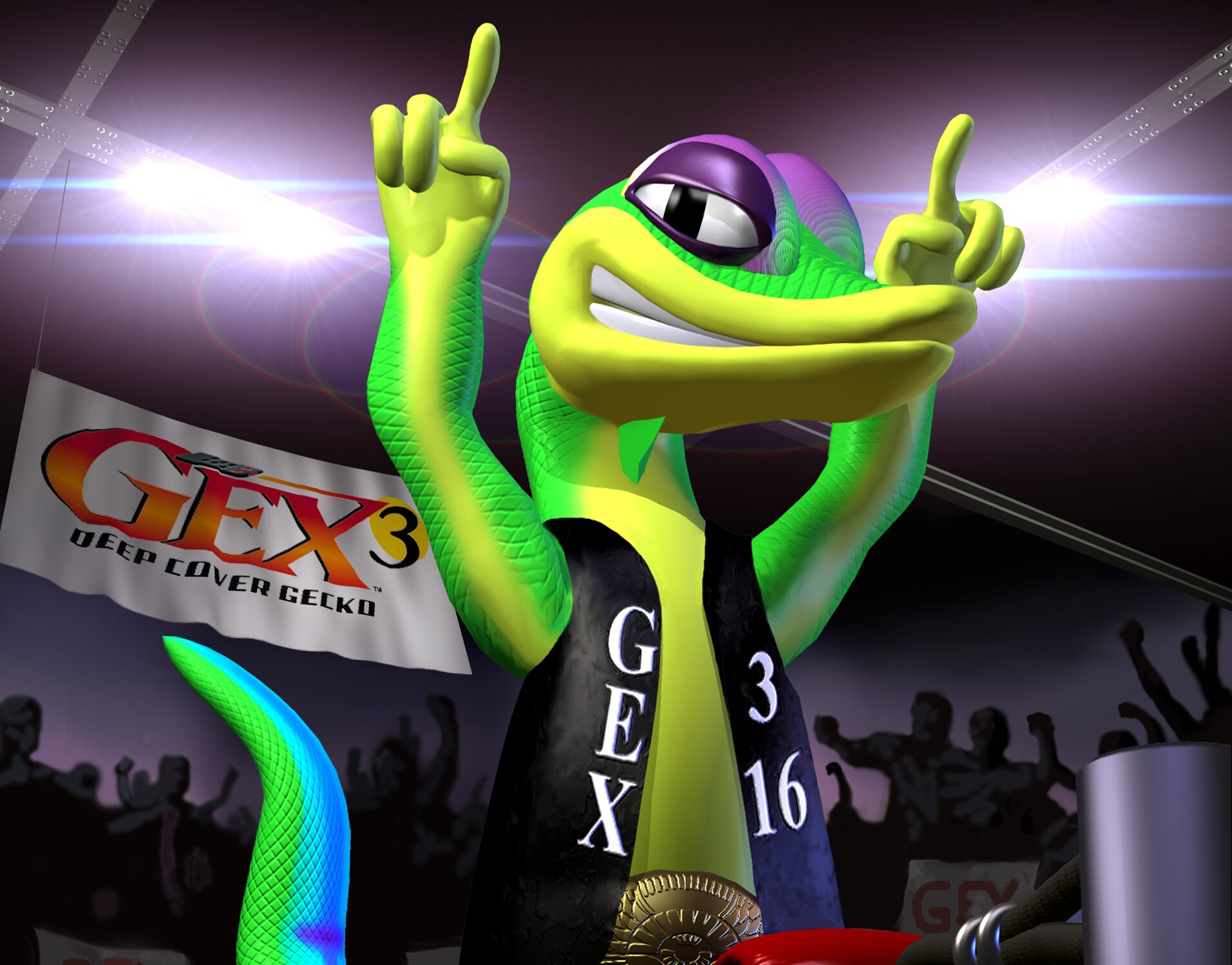
The organization also issued a clarification regarding an earlier report. An initial assessment had identified a Silent Hill logo graphic as an asset created by Konami. However, further investigation revealed that this particular logo was, in fact, an original creation by the GamePro staff, a common practice when official assets were not readily available or to meet specific editorial needs. The Game History Organization has apologized for this inaccuracy, underscoring their commitment to meticulous documentation and factual reporting.
Preservation and Accessibility: A Commitment to Gaming Heritage
The digitization of the GamePro press CD collection is a monumental undertaking, made possible by the dedication of the Game History Organization and the generous support of its patrons. The organization emphasizes that all materials within its digital archive are freely available to the public. This commitment to open access ensures that a wide audience, from academic researchers to casual enthusiasts, can engage with this rich historical record without the need for specialized legacy media hardware or software. The ability to view these files directly in a web browser represents a significant advancement in making historical game assets accessible and user-friendly.
This latest release brings the Game History Organization closer to the halfway point in processing the entirety of the GamePro press CD collection. The organization reports that its efficiency in processing these discs has steadily improved, allowing for more frequent additions to the archive. This suggests that further significant releases of historical gaming material can be anticipated in the future, continuing to fill critical gaps in the preservation of digital culture.
Chronology of the GamePro CD Digitization Project
- Past Year (approximate): The Game History Organization begins the ambitious project of digitizing a large collection of press CDs from the art department of GamePro magazine. The initial announcement highlights the significance of these discs as a source of original marketing assets for classic video games.
- Recent Months: The organization systematically processes the physical CDs, performing digital imaging and cataloging. This involves data recovery, organization of files, and conversion into accessible formats.
- Current Announcement: The organization releases the next 100 CDs (CDs 201-300) to its digital archive. This batch specifically covers materials from late 1998 to late 1999, a period of significant console transitions and notable game releases.
- Ongoing: The Game History Organization continues its work on the remaining GamePro press CDs, with the goal of making the entire collection publicly accessible. Future announcements are expected as more batches are digitized and uploaded.
Supporting Data and Analysis
The period covered by CDs 201-300 (late 1998 – late 1999) was a critical juncture for the video game industry.
- Console Market Share: By late 1998, the Sony PlayStation had established a dominant market position, having sold over 60 million units worldwide. The Nintendo 64, while less commercially successful with around 33 million units sold, had cultivated a strong library of exclusive titles. This era was characterized by intense competition for market share and player attention.
- Emergence of 3D Graphics: The late 1990s saw the maturation of 3D graphics technology in console gaming. Games like Ape Escape, Rayman 2, and Sonic Adventure showcased increasingly sophisticated visual design and gameplay mechanics made possible by these advancements. The marketing assets from this period would reflect this shift towards more realistic and immersive visual presentations.
- Genre Evolution: This period witnessed the solidification of several key game genres and the emergence of new ones. The success of Tony Hawk’s Pro Skater demonstrated the viability of sports simulations with broad appeal, while Silent Hill helped define the psychological horror subgenre. Super Smash Bros. laid the groundwork for Nintendo’s enduring franchise and a new style of crossover fighting game.
- Marketing Strategies: Publishers relied heavily on visual media for marketing. Press CDs provided game magazines with a direct pipeline to high-quality screenshots, concept art, character models, and promotional videos. These assets were crucial for generating hype, informing consumers, and shaping perceptions of upcoming titles. The GamePro collection offers a direct look at the raw materials used in these campaigns.
The preservation of these assets has significant implications for understanding the history of game development and marketing.
- Developmental Insights: Early concept art, character renders, and unused assets can reveal alternative design directions, developmental challenges, and the iterative process of game creation. The Twelve Tales: Conker 64 assets, for instance, provide tangible evidence of a game’s radical transformation.
- Marketing History: The collection serves as a valuable archive for studying the evolution of video game advertising and public relations. Analyzing the types of images, their composition, and the messaging conveyed can offer insights into the industry’s understanding of its audience and its target demographics.
- Cultural Artifacts: These digital assets are not just technical documents; they are cultural artifacts that reflect the artistic sensibilities, technological capabilities, and popular trends of their time. Their preservation ensures that future generations can study and appreciate this significant aspect of digital media history.
The Game History Organization’s continuous efforts in digitizing and disseminating these historical materials are crucial for ensuring that the legacy of classic video games is not lost to the obsolescence of physical media. The project not only safeguards these invaluable assets but also democratizes access, making them available to a global audience for study, inspiration, and nostalgic appreciation.