Ganda Hendra Perkasa
The Game History Organization has significantly bolstered its digital archive this week, announcing the addition of another 100 press CDs from the esteemed GamePro magazine collection. This latest influx, encompassing CDs 201 through 300, provides an invaluable window into the late 1990s gaming landscape, a pivotal era marked by the twilight of the PlayStation and Nintendo 64 consoles and the burgeoning of new digital marketing strategies. The collection, sourced from the art department of the influential gaming publication, comprises raw artwork, promotional materials, and screenshots directly supplied by game publishers, offering an unparalleled resource for understanding the visual identity and marketing efforts behind some of the most iconic video games of the period.
Unearthing a Digital Treasure Trove
The Game History Organization’s ongoing project to digitize the extensive GamePro press CD collection represents a monumental effort to preserve a critical segment of video game history. These CDs, originally used by GamePro’s art department to create content for the magazine, serve as a direct conduit to the assets that shaped public perception of video games during their formative years. Last year, the organization detailed the initial phase of this ambitious undertaking, emphasizing the sheer volume and historical significance of the material. The latest batch of 100 CDs extends this crucial work, covering the period from late 1998 through late 1999. This timeframe is particularly noteworthy as it coincided with the final major releases for the dominant 32-bit and 64-bit consoles, while also serving as a prelude to the next generation of gaming hardware.
The newly archived discs feature a wealth of materials from critically acclaimed and commercially successful titles that defined this era. Among the highlights are assets for games such as the innovative PlayStation title Ape Escape, the rhythm-action favorite Bust-A-Groove, the groundbreaking survival horror Silent Hill, the visually stunning platformer Rayman 2: The Great Escape, the Japanese RPG Legend of Legaia, the revolutionary skateboarding simulator Tony Hawk’s Pro Skater, and the foundational fighting game Super Smash Bros. This expansion not only broadens the scope of the archive but also enriches the available historical data for these influential games, providing researchers, historians, and enthusiasts with direct access to primary source materials.
Spotlight on Key Acquisitions
Within this latest release, several specific items stand out for their historical rarity and insight into game development and marketing practices. CDs 270, 283, and 285 contain a diverse array of assets from Sega’s ambitious Dreamcast title, Sonic Adventure. These include meticulously crafted vector art for many of the game’s beloved characters, offering a glimpse into the early stages of their visual design and refinement. Furthermore, high-resolution renders of the game’s iconic opening cutscene are also preserved, showcasing the technical prowess and artistic direction that defined the beginning of Sonic Adventure‘s narrative. The availability of such detailed visual assets provides invaluable context for understanding the game’s artistic evolution and the publisher’s promotional strategies.
A particularly significant discovery within this batch is located on CD 211, a disc originating from Nintendo of America. This particular CD contains what are believed to be some of the only surviving screenshots of the unreleased Rareware game, Twelve Tales: Conker 64. Originally intended as a family-friendly adventure, the game underwent a substantial transformation before its eventual release as the mature-rated Conker’s Bad Fur Day. The presence of these pre-transformation assets offers a unique and potentially revealing look at the game’s original concept and design direction, shedding light on the developmental challenges and creative pivots that can occur in game production. The inclusion of these screenshots is a testament to the archival value of the GamePro collection, preserving glimpses of lost or significantly altered game projects.
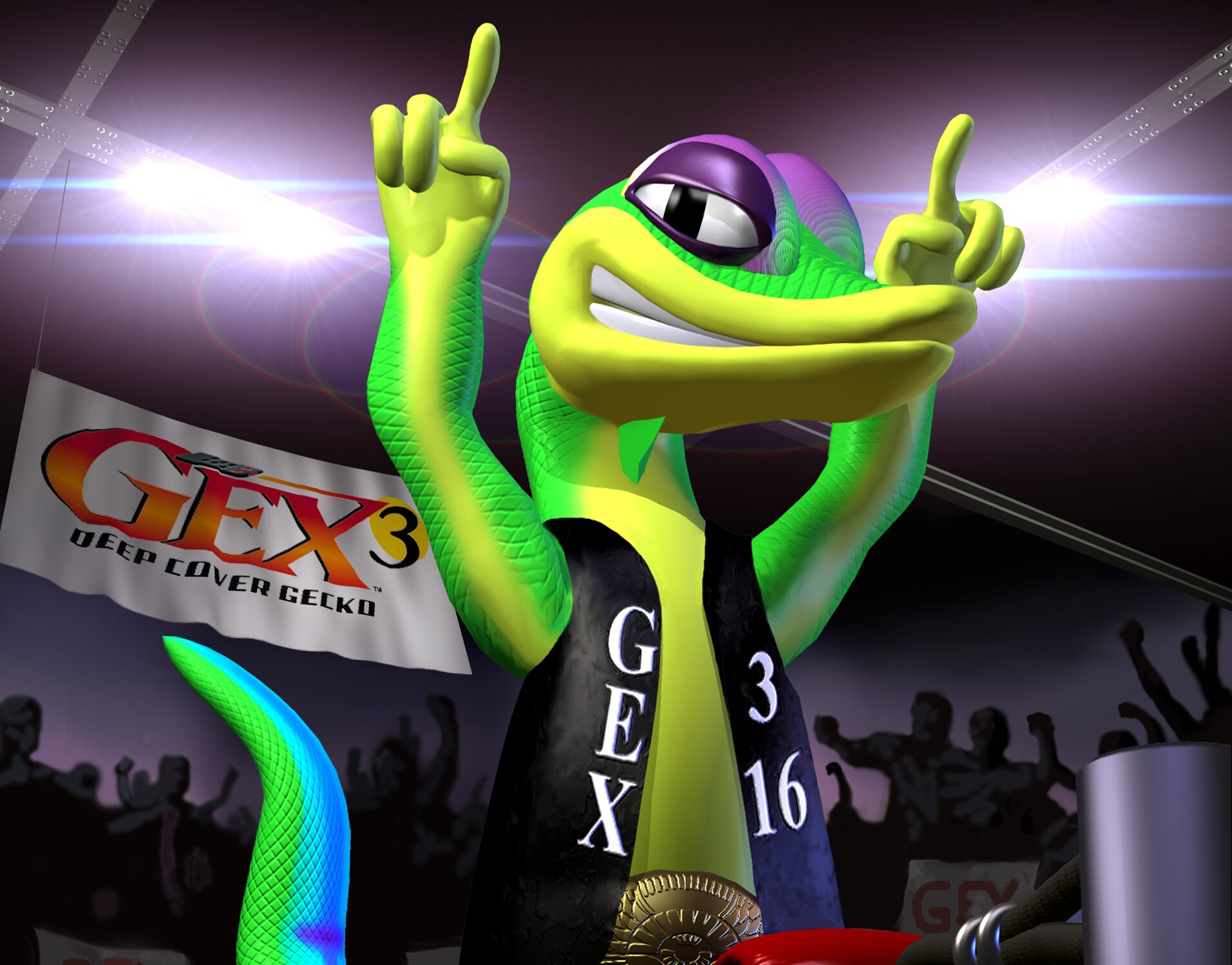
The organization also issued a clarification regarding a previously reported logo graphic for Silent Hill. An earlier version of their announcement had attributed the logo to Konami, the game’s publisher. However, subsequent review revealed that the specific graphic was an original asset created by GamePro staff, likely for internal use or editorial purposes, rather than an official asset from the game developer. The Game History Organization has apologized for this inaccuracy, underscoring their commitment to meticulous historical reporting and the importance of verifiable provenance for archival materials.
Chronology of the GamePro Press CD Digitization Project
The digitization of the GamePro press CD collection is a multi-year endeavor, initiated with the understanding that these physical media formats were becoming increasingly obsolete and vulnerable to degradation. The project’s timeline can be broadly outlined as follows:
- Initial Discovery and Planning (Pre-2022): The Game History Organization secured access to the massive collection of CDs from the GamePro magazine art department. Extensive planning commenced to catalog, assess, and devise a strategy for digital preservation.
- Phase 1: Initial Digitization and Archival (2022-2023): The first wave of CDs was processed, digitized, and made accessible through the organization’s digital archive. This phase focused on establishing the workflow and infrastructure for handling the large volume of data. The initial announcement regarding this project was made in early 2023.
- Phase 2: Expansion and Refinement (2023-Present): Building upon the established processes, the organization has continued to digitize subsequent batches of CDs. This ongoing phase has seen improvements in efficiency and the addition of more sophisticated metadata and search capabilities. The addition of CDs 201-300 marks a significant milestone within this phase.
- Ongoing Digitization: The Game History Organization anticipates reaching the halfway point of the entire GamePro press CD collection in the near future, with continuous updates and additions planned as processing capabilities advance.
Supporting Data and Analysis of Implications
The Game History Organization’s initiative is more than just a digital repository; it is a vital resource for a range of academic and enthusiast communities. The raw assets contained within these CDs provide empirical data for researchers studying:
- Game Marketing Evolution: The shift from print-centric marketing to digital assets offers insights into how game publishers adapted their strategies in the late 1990s. The inclusion of concept art, early character models, and promotional renders demonstrates the increasing importance of visual fidelity and digital distribution of marketing materials.
- Artistic and Technical Development: By examining the progression of artwork and screenshots, researchers can trace the evolution of 3D modeling, texturing, and rendering techniques employed by game developers during a critical transitional period in graphical capabilities. The Sonic Adventure vector art, for instance, highlights the use of scalable vector graphics in character design, a technique that offered flexibility and crispness.
- Preservation of Unreleased or Altered Projects: The discovery of assets related to Twelve Tales: Conker 64 underscores the archive’s potential to document "lost" or significantly modified game projects. This is crucial for understanding the complex and often iterative nature of game development, where initial concepts may differ dramatically from final products.
- Cultural and Historical Context: The collection serves as a primary source for understanding the visual language and aesthetic trends that characterized video games at the turn of the millennium. This information is invaluable for historians seeking to contextualize video games within broader cultural and technological movements.
The implications of this ongoing archival effort are far-reaching. By making these materials freely accessible in a browser-friendly format, the Game History Organization democratizes access to historical game development assets, removing the technical barriers associated with legacy media and specialized software. This fosters a more inclusive environment for research and engagement, empowering individuals from diverse backgrounds to explore and contribute to the understanding of video game history. The organization’s commitment to this project, supported by generous donations, ensures that this rich historical record remains available for future generations.
Broader Impact and Future Outlook
The Game History Organization’s work with the GamePro press CD collection exemplifies the critical role of dedicated institutions in preserving digital heritage. As the gaming industry continues its rapid evolution, the importance of archiving the artifacts of its past becomes increasingly paramount. The organization’s proactive approach in digitizing these CDs ensures that valuable historical information is not lost to the ravages of time or technological obsolescence.
The continued progress of the project, with the organization reporting increasing efficiency in processing the CDs, signals a promising future for the archive. As they approach the halfway mark of the GamePro collection, the anticipation for further additions remains high. These ongoing contributions will undoubtedly continue to enrich our understanding of video game history, offering new perspectives and revealing details that were previously inaccessible to the public. The Game History Organization’s commitment to this significant undertaking solidifies its position as a vital custodian of gaming’s legacy.