Cecilia Chamidah Nur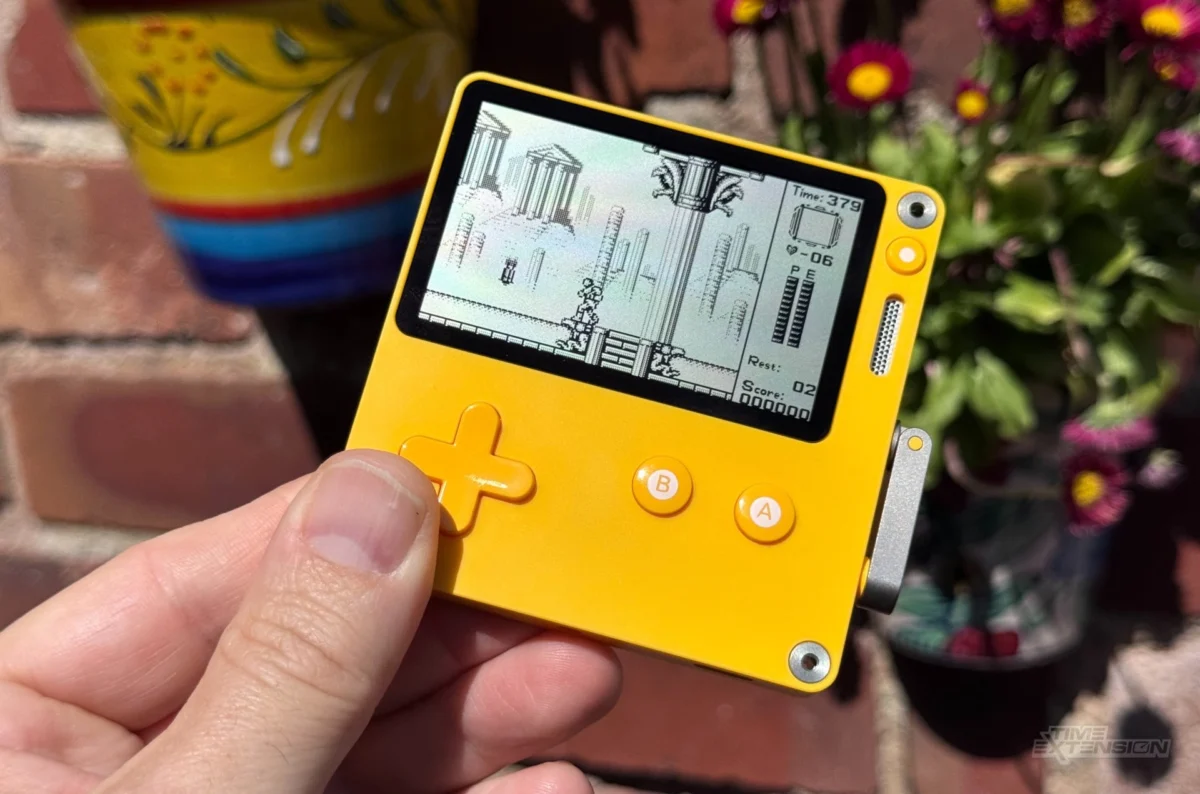
The Playdate, Panic Inc.’s distinctive monochrome handheld console, has officially embraced its spiritual predecessor with the publication of CrankBoy, a dedicated Game Boy emulator, on its curated Catalog store. This development marks a significant milestone for the Playdate ecosystem, extending its functionality beyond its unique seasonal game releases and opening its modest, crank-operated hardware to a vast library of classic 8-bit titles. Priced at $10, CrankBoy arrives bundled with four specially selected homebrew games—Life’s Too Short GB, Dashosaur DX, GBBS95, and Lo-Fi GB—and offers users the capability to download additional community-created titles directly within the application. Crucially, the emulator also supports the loading of legally obtained Game Boy ROMs via the companion CrankBoy Manager application, bridging the gap between modern niche hardware and cherished retro gaming experiences.
A Chronology of Emulation: From Community Endeavor to Official Endorsement
The journey of Game Boy emulation on the Playdate has been a testament to the vibrant homebrew community that often surrounds innovative, open-ended hardware. The initial seeds of this capability were sown well before CrankBoy’s official catalog debut. As early as August 13, 2025, reports began circulating within the retro gaming sphere, notably highlighted by @deeb.bsky.social, indicating that the Playdate was already capable of running Game Boy games through community-developed emulators. This early phase saw projects like PlayGB, itself a fork of deltabeard’s Peanut-GB, emerge as proof-of-concept, demonstrating the Playdate’s surprising aptitude for handling the demands of Game Boy emulation despite its distinct hardware architecture.
These early community efforts were characterized by their ingenuity, leveraging the Playdate’s relatively humble specifications—a 180 MHz Cortex M7 processor, 16MB of RAM, and 4GB of flash storage—to render the monochromatic sprites and iconic chiptune audio of Nintendo’s venerable handheld. Developers quickly recognized the thematic resonance between the two devices: both championed monochrome screens and focused on innovative gameplay within technical constraints. The original review of the Playdate in 2019, which posited it as a spiritual successor to the Game Boy, now appears prescient, as the two handhelds have converged through emulation.
The progression from independent, unofficial homebrew projects to an officially sanctioned and commercial product on the Playdate Catalog underscores a strategic decision by Panic Inc. to embrace community innovation. By publishing CrankBoy, Panic not only acknowledges the technical prowess of its developer community but also signals a willingness to expand the Playdate’s utility and appeal beyond its core, first-party offerings. The official publication date of May 26, 2026, marks the culmination of these efforts, transforming a community-driven experiment into a fully integrated feature of the Playdate ecosystem.
The Playdate’s Unique Position in the Handheld Market
To fully appreciate the significance of Game Boy emulation on the Playdate, it is essential to understand the console’s unique design and market philosophy. Launched by Panic Inc., a company primarily known for software development (including the acclaimed Untitled Goose Game), the Playdate is a distinct departure from conventional gaming hardware. Its most iconic feature is a physical crank, designed to be integrated into gameplay mechanics in novel ways. Coupled with a high-resolution, black-and-white LCD screen and a commitment to delivering games in "seasons" – a curated collection of new titles delivered wirelessly each week – the Playdate carved out a niche as an artisanal, boutique gaming device.
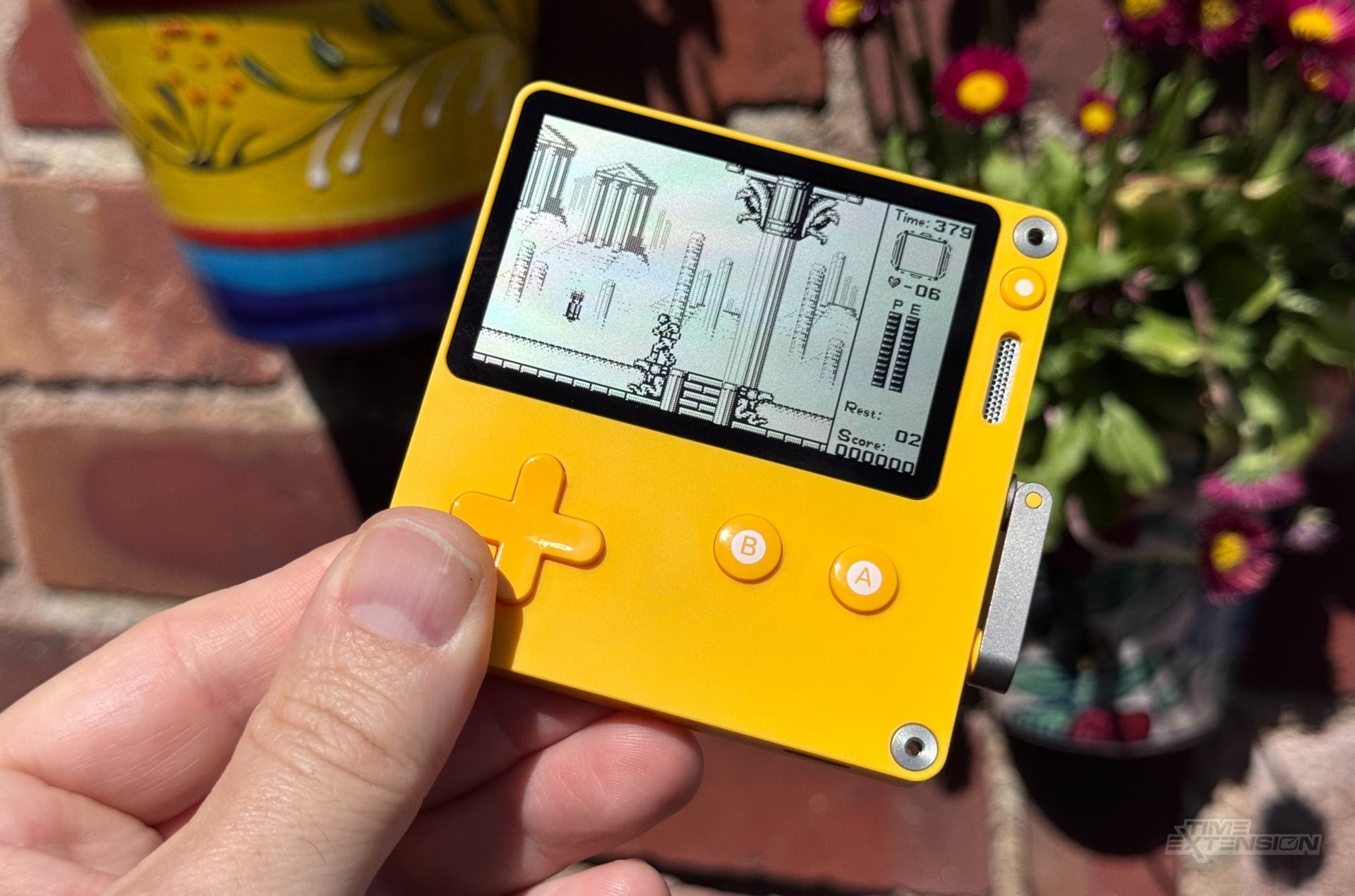
Panic’s vision for the Playdate was never to compete directly with powerful, graphically intensive consoles. Instead, it aimed to evoke a sense of nostalgic simplicity while fostering genuine innovation in game design. The device’s limited color palette and processing power are not seen as drawbacks but as creative constraints that encourage developers to think outside the box. This philosophy resonates deeply with the spirit of early handheld gaming, particularly the Game Boy, which thrived despite its monochrome screen and limited hardware, proving that compelling gameplay trumps graphical fidelity.
The Playdate’s success, while modest in terms of raw sales figures compared to industry giants, lies in its ability to cultivate a dedicated community of players and developers drawn to its quirky charm and commitment to unique experiences. Integrating Game Boy emulation therefore serves as a dual benefit: it honors the device’s spiritual lineage while also providing an accessible avenue for users to experience a vast library of retro titles that align perfectly with the Playdate’s aesthetic and operational ethos.
The Enduring Legacy of the Game Boy
The Game Boy, released by Nintendo in 1989, stands as one of the most influential and successful pieces of gaming hardware in history. Its immediate success, largely driven by the bundled Tetris, defied expectations in an era dominated by color consoles. With over 118 million units sold across its various iterations (Game Boy and Game Boy Color combined), it popularized portable gaming and established Nintendo as a dominant force in the handheld market for decades.
The console’s technical specifications were humble even for its time: an 8-bit Z80 processor, 8KB of RAM, and a green-tinted monochrome LCD screen with a resolution of 160×144 pixels. Yet, its robust design, incredible battery life, and a library of iconic titles like Super Mario Land, The Legend of Zelda: Link’s Awakening, and Pokémon Red and Blue cemented its legendary status. The Game Boy proved that engaging gameplay, innovative design, and accessibility could overcome any perceived technical limitations.
Its impact extends beyond commercial success; the Game Boy fostered a generation of gamers and developers, influencing countless subsequent designs and inspiring a vibrant homebrew and modding scene that continues to thrive today. The decision to bring Game Boy emulation to the Playdate is not merely about playing old games; it’s about connecting with a crucial piece of gaming history and allowing a new generation of players, or nostalgic veterans, to experience these foundational titles on a device that shares much of its design philosophy.
CrankBoy: Features, Functionality, and the Homebrew Ecosystem
CrankBoyHQ’s emulator distinguishes itself through several key features designed to optimize the Game Boy experience on the Playdate. Users can expect "stable, full-speed" performance, a critical factor for authentic gameplay, complemented by accurate sound reproduction. A notable innovation is the emulator’s ability to reconfigure each game to properly utilize the Playdate’s wider screen, a thoughtful touch that enhances the visual experience beyond a simple stretched or letterboxed display.
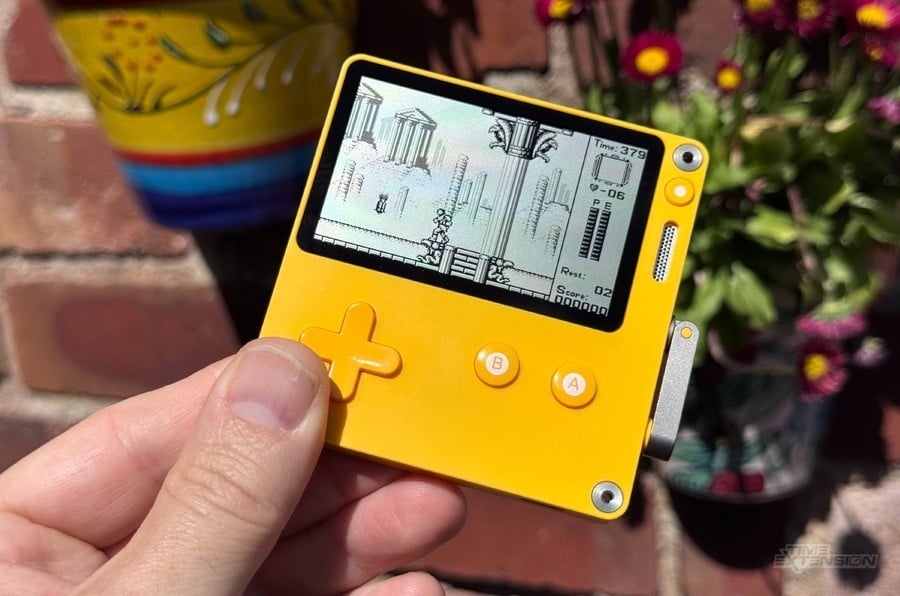
Perhaps the most inventive integration is the optional use of the Playdate’s iconic crank in certain Game Boy titles. While the original Game Boy lacked such a physical input, this feature opens up creative possibilities for developers and players alike, potentially allowing the crank to control elements like scrolling, movement speed, or specific in-game actions, adding a unique Playdate flavor to classic games.
The emulator’s open-source lineage, stemming from PlayGB and further back to deltabeard’s Peanut-GB, highlights the collaborative nature of the homebrew community. This iterative development process, where code is shared, refined, and improved upon by multiple contributors, is a hallmark of the independent gaming scene. It ensures that projects like CrankBoy benefit from collective expertise and continuous refinement.
The bundled homebrew games—Life’s Too Short GB, Dashosaur DX, GBBS95, and Lo-Fi GB—serve as a demonstration of the emulator’s capabilities and introduce players to contemporary creations for the Game Boy platform. These titles, often developed by enthusiasts, showcase the continued vitality of the Game Boy homebrew scene and provide immediate content for CrankBoy users. The ability to download other homebrew games directly within the app further simplifies access to this burgeoning library.
For users wishing to play their own legally obtained ROMs, the CrankBoy Manager application is essential. This separate tool facilitates the transfer of Game Boy ROM files to the Playdate, ensuring that players can curate their personal retro libraries. Panic Inc.’s explicit mention of "legally-obtained, of course" ROMs underscores the industry’s ongoing commitment to intellectual property rights, even within the context of game preservation and emulation. This stance helps to legitimize the emulator’s presence on the official Catalog, differentiating it from potentially illicit uses of emulation technology.
Implications for Playdate and the Retro Gaming Landscape
The official release of CrankBoy on the Playdate Catalog carries several significant implications for both the Playdate platform and the broader retro gaming community.
Enhanced Value and Appeal for Playdate: By providing a robust and officially supported Game Boy emulator, Panic Inc. significantly enhances the Playdate’s value proposition. It transforms the device from a niche console focused solely on new, curated content into a versatile retro gaming machine. This expansion of functionality could attract a wider audience, including retro gaming enthusiasts who might not have initially considered the Playdate for its original seasonal game model. The $10 price point for the emulator, coupled with four bundled games, represents an accessible entry point into this expanded library.
Legitimizing Emulation on Official Channels: Panic’s decision to host and sell an emulator on its official store represents a subtle but important shift in the console industry’s relationship with emulation. While emulation has long existed in the grey areas of legality and official support, platforms like the Playdate, with their smaller scale and focus on community, can afford to be more flexible. This move could set a precedent or at least open a dialogue about how platform holders can responsibly integrate emulation as a feature, especially for devices with a clear retro appeal.
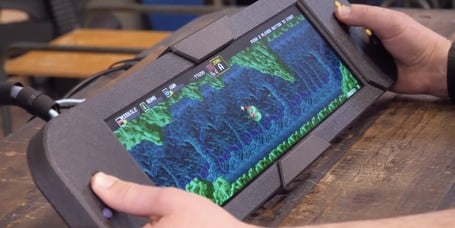
Game Preservation and Accessibility: Emulation is a cornerstone of game preservation. As original hardware ages and becomes more difficult to maintain, emulators provide a vital means of keeping classic games accessible to future generations. By offering a stable and user-friendly Game Boy emulator, the Playdate contributes to this preservation effort, ensuring that the legacy of Nintendo’s iconic handheld remains playable.
Fostering the Homebrew Community: The collaboration between Panic Inc. and the CrankBoyHQ developers exemplifies a healthy relationship between a platform holder and its homebrew community. By providing an official channel for distribution, Panic encourages further innovation and development within its ecosystem. This symbiotic relationship is crucial for the long-term vitality of niche platforms like the Playdate.
Navigating Legal and Ethical Boundaries: The emphasis on "legally-obtained" ROMs is paramount. While emulation software itself is generally legal, the distribution and use of copyrighted game ROMs without proper licensing are not. Panic’s clear stance helps to educate users and maintain a responsible approach to retro gaming. This also aligns with efforts by entities like the Epilogue GB Operator, a tool mentioned in the original article that allows Game Boy collectors to legally back up their physical cartridges as ROMs, providing a legitimate pathway for digital preservation.
A New Chapter for Playdate
The official launch of CrankBoy on the Playdate Catalog represents more than just the addition of new software; it signifies a maturing of the Playdate platform and a recognition of its deep connection to handheld gaming history. By embracing Game Boy emulation, Panic Inc. has not only expanded the utility and appeal of its unique device but has also fostered its vibrant homebrew community and contributed meaningfully to the ongoing effort of game preservation. As the Playdate continues to evolve, its ability to bridge the gap between nostalgic retro experiences and innovative new gameplay, all powered by its distinctive crank, positions it as an increasingly compelling and versatile entry in the diverse landscape of modern handheld gaming.