Indra Gunadi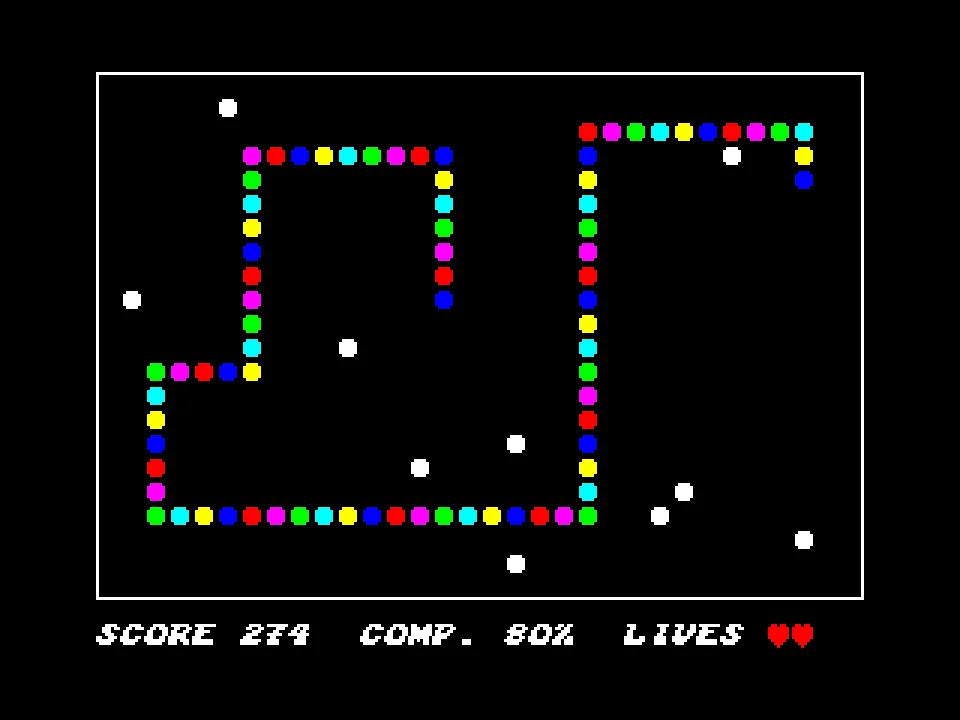
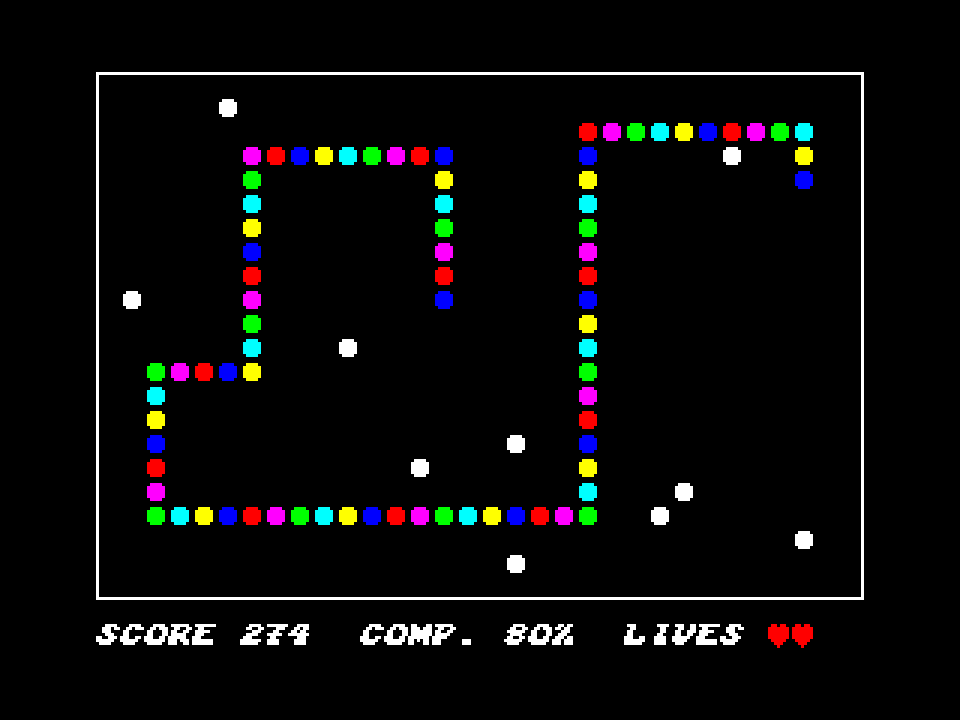
The digital landscape of retro computing enthusiasts witnessed a significant release on July 5, 2026, with the debut of "Fryolites Deluxe," a new title for the venerable ZX Spectrum platform. Developed by Coopdevil, this game marks a compelling intersection of historical gaming preservation and modern homebrew development. Distinctively, "Fryolites Deluxe" is presented as a contemporary port of a 1983 type-in game, a programming artefact from the dawn of personal computing, notably predating many of the widely recognized "Snake"-style games that would later become ubiquitous. Its availability via Coopdevil’s itch.io page underscores the enduring vibrancy of the ZX Spectrum community and the innovative spirit of its developers.
The Enduring Appeal of Retro Computing and the ZX Spectrum
The release of "Fryolites Deluxe" is not merely a single game launch but a testament to the robust and continuously evolving ecosystem of retro computing. Decades after their commercial prime, platforms like the Sinclair ZX Spectrum command a dedicated following, driven by nostalgia, the challenge of developing for vintage hardware, and a profound appreciation for gaming history. The ZX Spectrum, launched by Sir Clive Sinclair in 1982, quickly became a cultural icon in the United Kingdom and beyond. Its affordability and user-friendly BASIC interpreter democratized computing, inspiring a generation of programmers and game designers. With an initial price point of £125 for the 16KB model and £175 for the 48KB version, it made personal computing accessible to millions, selling over 5 million units worldwide during its lifespan. Its distinctive rubber keyboard, vibrant colour palette limitations (two colours per 8×8 character block), and iconic bleeps and bloops defined a unique gaming aesthetic. This enduring legacy fosters a vibrant community engaged in hardware restoration, software emulation, and, crucially, the creation of new games and applications, ensuring the platform’s relevance well into the 21st century.
"Fryolites Deluxe": A Modern Interpretation of a Vintage Concept
"Fryolites Deluxe" embodies this spirit of retro revitalization. While specific gameplay details beyond its "Snake-like" nature remain to be fully disseminated, the "Deluxe" appellation typically implies significant enhancements over its 1983 progenitor. Modern ports of classic games often feature refined graphics, smoother animations, expanded soundscapes (potentially leveraging the AY-3-8912 sound chip present in 128K models, or more sophisticated beeper routines for 48K compatibility), improved control schemes, and potentially new levels, modes, or difficulty settings. Coopdevil’s undertaking suggests a meticulous effort to retain the core charm and challenge of the original 1983 type-in while elevating its presentation and playability for a contemporary audience familiar with more polished gaming experiences. The project likely involved reverse-engineering or thoroughly analysing the original BASIC listing to understand its logic, then rewriting and optimizing the code in assembly language to achieve the performance required for a "Deluxe" experience on the Spectrum’s limited Z80 processor. This process itself is a homage to the technical prowess of early programmers who squeezed maximum performance from minimal resources.
The Historical Significance of Type-In Games
The decision to port a 1983 type-in game places "Fryolites Deluxe" firmly within an important chapter of computing history. Type-in games were a cornerstone of early home computer culture, particularly in the UK. Computer magazines like Your Spectrum, Crash, Sinclair User, ZX Computing, and many others frequently dedicated several pages to lengthy BASIC program listings that readers could painstakingly type into their own machines. This practice served multiple critical functions: it provided a wealth of free software at a time when commercial games were expensive and sometimes scarce, it educated users in basic programming principles, and it fostered a deeper connection between the user and their machine.
The process of typing in a game was an experience in itself. It required meticulous attention to detail, as a single typo could render a program non-functional. Debugging these programs, often with rudimentary tools, was a rite of passage for many budding programmers. For a game like "Fryolites" from 1983, it would have been a relatively simple, yet engaging, program designed to demonstrate core programming concepts while offering immediate entertainment. The conversion of such a program into a "Deluxe" version by Coopdevil bridges the gap between these foundational, user-generated experiences and the polished, accessible software of today. It transforms a piece of educational history into a playable artifact, honouring its origins while updating it for modern sensibilities.
The Genesis of "Snake"-like Mechanics: A Chronological Overview
"Fryolites Deluxe" is noted for predating "your usual Snake game," a statement that highlights its place in the lineage of a fundamental video game mechanic. The concept of a player-controlled entity growing longer as it consumes items, while avoiding collisions with itself or boundaries, has a surprisingly deep history:
- 1976: Blockade (Gremlin Industries): Widely regarded as the first commercial video game to feature the "Snake" mechanic. It was an arcade game where two players controlled lines that grew longer, attempting to trap each other.
- 1977: Surround (Atari 2600): A home console adaptation of Blockade, making the mechanic accessible to a wider audience.
- Early 1980s: Various Home Computer Implementations: As personal computers like the Apple II, Commodore PET, and then the ZX Spectrum became popular, countless programmers independently implemented variations of the "growing line" concept. These often appeared as type-in games in magazines, serving as programming exercises or simple entertainment. "Fryolites" from 1983 fits squarely into this period, showcasing an early, perhaps independently conceived, interpretation of the mechanic on the ZX Spectrum.
- 1991: Nibbler (Gremlin Interactive, arcade): A more advanced arcade version, featuring multiple mazes and faster gameplay.
- Late 1990s: Nokia’s Snake: The mechanic achieved unprecedented global popularity through its inclusion on Nokia mobile phones, starting with the Nokia 6110 in 1997. This version became synonymous with the "Snake game" for an entire generation.
By predating the widespread recognition brought by Nokia, "Fryolites Deluxe" offers a glimpse into how foundational game mechanics were explored and iterated upon in the early personal computing era, often through independent efforts and shared code. This historical context enriches the play experience, inviting players to appreciate the roots of a genre.
Coopdevil’s Contribution and the Modern Homebrew Scene
Coopdevil’s work on "Fryolites Deluxe" exemplifies the dedication and creativity within the modern ZX Spectrum homebrew community. This community, composed of both original Spectrum users and younger enthusiasts, continues to push the boundaries of the hardware. Modern development for retro platforms often involves:
- Advanced Toolchains: Using cross-compilers, sophisticated assemblers, and emulators running on powerful modern PCs to write and debug code far more efficiently than original methods.
- Community Collaboration: Sharing resources, techniques, and feedback through forums, Discord servers, and online repositories.
- Distribution Platforms: Leveraging platforms like itch.io, which provide an accessible storefront for indie developers, allowing them to reach a global audience directly and often offering flexible pricing models, including "pay what you want." This direct-to-consumer model bypasses traditional publishing hurdles and fosters a direct relationship between creators and players.
Coopdevil’s choice of itch.io as a distribution platform is strategic. It caters to a niche audience while offering robust hosting and payment processing, making it an ideal hub for retro game releases. This approach also facilitates the preservation of these new creations, ensuring they are readily available for download and emulation for years to come. The developer’s intent, while not explicitly stated, can be inferred as a desire to both preserve a piece of early computing history and to demonstrate the continued viability and fun that can be extracted from the ZX Spectrum’s hardware, even four decades after its inception.
Broader Impact and Implications
The release of "Fryolites Deluxe" carries several significant implications for the broader landscape of retro gaming, digital preservation, and creative development:
- Cultural Preservation: Projects like "Fryolites Deluxe" are vital for preserving the cultural heritage of early computing. They not only keep the original spirit of games alive but also contextualize them within their historical development, reminding us of the rudimentary beginnings from which modern gaming evolved.
- Bridging Generations: By modernizing a 1983 type-in game, Coopdevil creates a bridge between those who remember typing in code from magazines and a new generation of players who might discover the ZX Spectrum through emulation or modern homebrew titles. This fosters cross-generational engagement and appreciation for computing history.
- Innovation within Constraints: Developing for the ZX Spectrum requires immense creativity and technical skill to work within severe limitations (e.g., 48KB RAM, 3.5 MHz Z80 CPU, attribute clash for colours, limited sound). "Fryolites Deluxe" demonstrates that these constraints can inspire unique artistic and technical solutions, challenging developers to think differently than they would for contemporary platforms.
- Sustained Platform Longevity: Each new quality release for a retro platform reinforces its enduring appeal and contributes to its sustained longevity. It shows that these machines are not just museum pieces but active canvases for creative expression, encouraging others to develop new content. This cycle ensures that the hardware, its emulators, and its community remain active and relevant.
- The Future of Retro Gaming: The success and enthusiastic reception of such projects indicate a healthy and growing appetite for retro gaming. This is not merely a passing fad but a sustained cultural movement that values history, craftsmanship, and the unique experiences offered by vintage technology. It suggests a future where classic platforms continue to host new, exciting, and historically significant software releases.
Conclusion
"Fryolites Deluxe (2026)" by Coopdevil for the ZX Spectrum is more than just another game; it is a meticulously crafted homage to the early days of personal computing and a vibrant demonstration of the enduring power of the ZX Spectrum. Released on July 5, 2026, it resurrects a 1983 type-in game, bringing a classic "Snake"-like mechanic into the modern era with anticipated "Deluxe" enhancements. This project not only enriches the ZX Spectrum’s extensive software library but also serves as a crucial act of digital preservation, illustrating the historical evolution of game design and the foundational role of type-in programs. By leveraging platforms like itch.io, developers like Coopdevil ensure that these creative endeavors reach a global audience, fostering a continuous dialogue between computing’s past, present, and future. "Fryolites Deluxe" stands as a beacon for the retro gaming community, celebrating ingenuity, nostalgia, and the timeless joy of simple, yet engaging, digital entertainment on a beloved classic platform.