Ganda Hendra Perkasa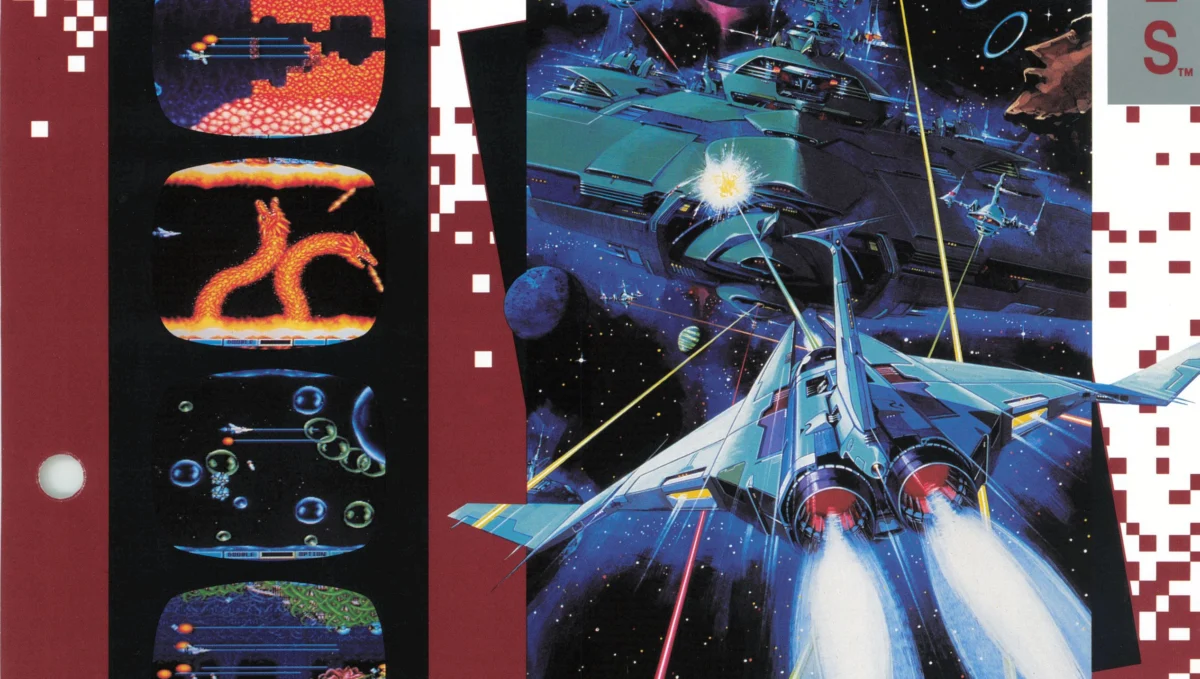
The digital library is continuously expanding its vast repository of video game history, with a recent significant update focusing on enriching existing collections. This week, the institution announced the integration of new materials into two prominent archives: the Mark Flitman papers and the Andrew Nelson papers. These additions represent a collaborative effort to further preserve and make accessible invaluable historical artifacts from the video game development landscape. The influx of documents stems from recent submissions by both Mark Flitman and Andrew Nelson, who have provided supplementary materials that were not included in the initial cataloging process, as well as items requiring rescanning for enhanced digital fidelity. This initiative underscores the commitment to providing researchers, historians, and enthusiasts with the most comprehensive and high-quality digital access to primary source materials.
Deepening the Mark Flitman Collection: Insights into Iconic Projects
The Mark Flitman papers have been augmented with a substantial new set of materials, offering deeper insights into several of his significant contributions to the video game industry. While the original announcement did not detail the specific projects covered by these new additions, the nature of Flitman’s career suggests a focus on his work in game design, programming, or production for notable titles. The addition of these documents is particularly crucial for understanding the iterative design processes, conceptualization phases, and technical challenges that shaped landmark games.
Mark Flitman is a respected figure in the game development community, known for his involvement in projects that have left a lasting impact on players and the industry. His contributions often span across various genres and platforms, reflecting a versatile skill set and a keen understanding of player engagement. The ongoing acquisition and expansion of his personal papers into a digital archive serve as a testament to his significant role in shaping the history of interactive entertainment. The initial cataloging of his collection, which likely included a broad spectrum of his professional output, has now been enhanced by these newly acquired assets. These additions could potentially shed light on overlooked aspects of game development, such as early prototyping, market research, or even personal reflections on the creative process.
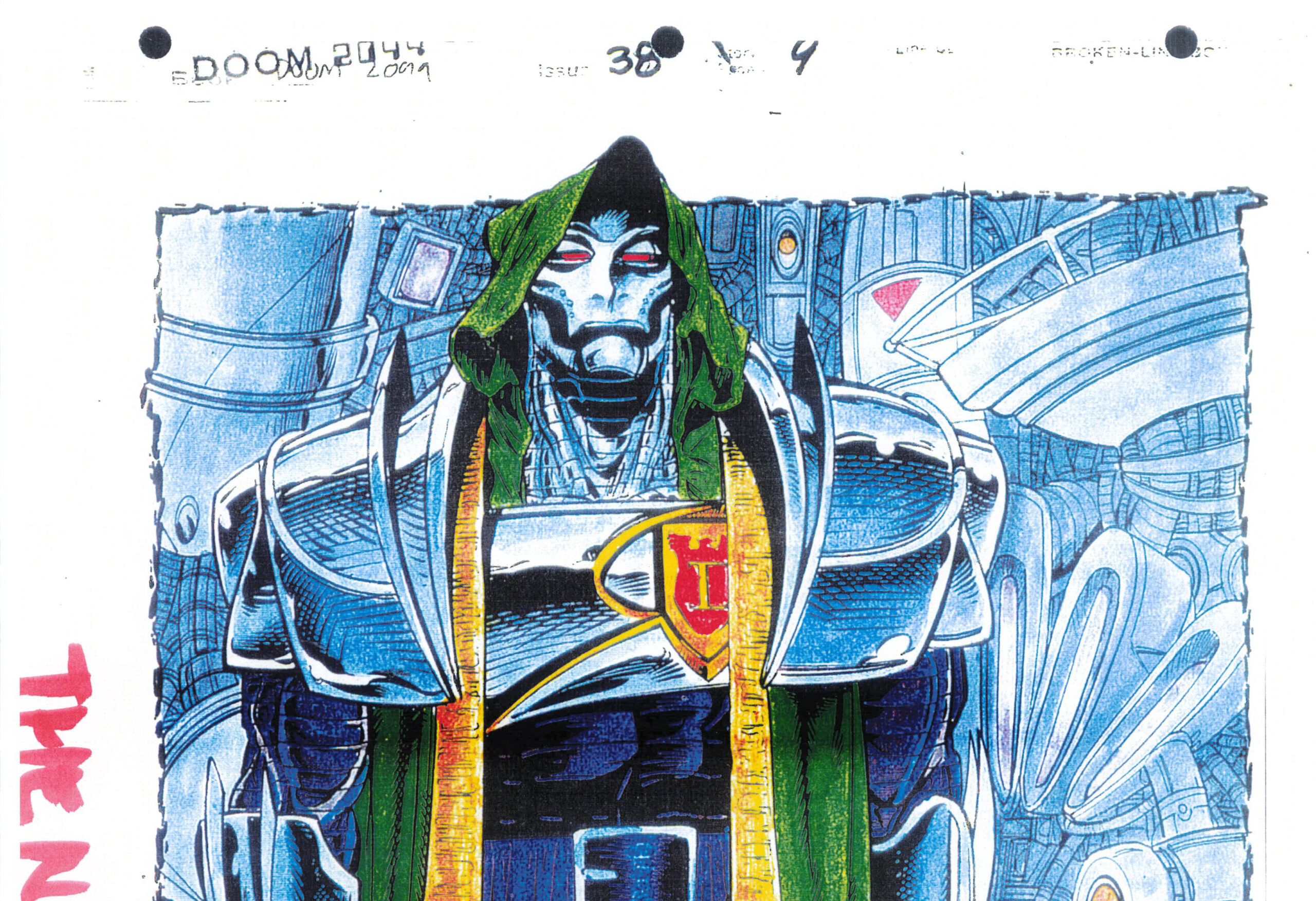
The methodology employed in this expansion involves careful review and digitization of the newly received physical materials. This process includes high-resolution scanning to ensure that every detail of the original documents is preserved. For items that were previously scanned, a rescanning at higher quality ensures that the digital surrogates meet the highest archival standards. This attention to detail is paramount for scholarly research, allowing for close examination of text, imagery, and even the physical characteristics of the original documents, such as annotations or paper type. The goal is to provide a digital experience that is as close as possible to interacting with the original artifacts, thereby facilitating accurate and in-depth historical analysis.
Unveiling New Dimensions in the Andrew Nelson Papers
Similarly, the Andrew Nelson papers have seen a significant expansion, with a particular emphasis on design documents. This influx of material promises to offer unprecedented access to the foundational stages of game development, from initial concepts to detailed visual and narrative planning. The newly added documents are expected to provide a comprehensive look into Nelson’s creative methodologies and his role in bringing virtual worlds to life.
Andrew Nelson’s career is characterized by his innovative approach to game design and his ability to conceptualize engaging gameplay mechanics and compelling narratives. His work has often been at the forefront of technological advancements and artistic expression within the gaming sphere. The addition of new design documents to his collection is therefore of immense value to those studying the evolution of game design principles and the creative journey of experienced developers. These documents may include storyboards, character designs, level layouts, script drafts, and concept art, each offering a unique window into the decision-making processes that guide a game from its inception to its final form.
One notable example within the expanded collection, as suggested by the accompanying imagery, is a storyboard for a scene titled "Letter Sequence w/ Flashback." This visual narrative depicts a lost treasure, intricately layered with the graphic representation of a handwritten letter. Such a piece offers a direct glimpse into how visual storytelling and narrative elements are conceived and integrated within game design. It highlights the interplay between thematic elements (lost treasure) and narrative devices (letters), suggesting a focus on rich storytelling and potentially historical or mystery-driven gameplay. The inclusion of such detailed visual planning documents is crucial for understanding the construction of immersive game worlds and the deliberate choices made by designers to evoke specific emotions and guide player experience.
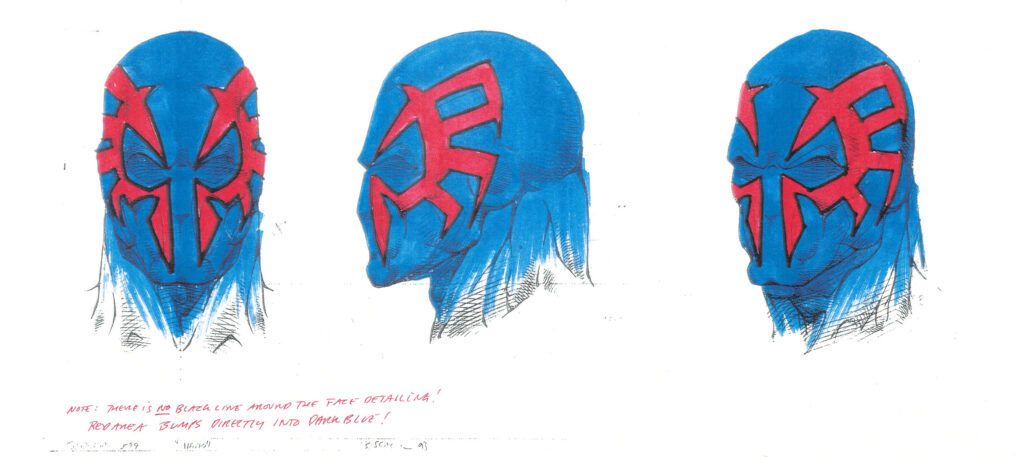
The acquisition of these new materials is part of a broader strategy by the digital library to continuously enhance its holdings. By regularly engaging with creators and their estates, the institution aims to capture a more complete picture of video game history. The ongoing effort to update existing collections, rather than solely focusing on new acquisitions, demonstrates a commitment to depth and completeness within its archival scope. This approach ensures that the library remains a dynamic and evolving resource for the study of video games.
The Broader Impact of Archival Expansion
The continuous growth and enrichment of digital archives like those maintained by the institution are vital for the academic and cultural study of video games. These collections serve as primary sources for historians, researchers, game designers, and students, providing empirical evidence of the creative, technical, and business processes that have defined the industry. The materials from individuals like Mark Flitman and Andrew Nelson offer a unique perspective on the evolution of game design, from early conceptualization to polished product.
The implications of these expanded collections are far-reaching. For academics, they provide the raw material for scholarly articles, books, and dissertations that can illuminate heretofore unexamined aspects of game development history. For game designers, these archives can serve as a wellspring of inspiration, offering insights into the creative problem-solving and design philosophies of pioneers in the field. For the general public and enthusiasts, these digitized materials offer a tangible connection to the history of a medium that has become a dominant form of cultural expression.
The specific materials added, such as the storyboard for the "Letter Sequence w/ Flashback" from Andrew Nelson’s collection, exemplify the granular detail that these archives can provide. Such documents allow for a micro-level analysis of how narrative elements are translated into visual cues and interactive experiences. Similarly, any new materials related to Mark Flitman’s projects could potentially offer insights into the technical innovations or design challenges that defined his work. Without specific details on the Flitman additions, it is difficult to pinpoint exact implications, but the general principle remains: more materials mean a more comprehensive understanding.
The ongoing efforts to rescan materials at higher quality are also significant. In the early days of digital archiving, scanning resolutions and compression techniques may not have been as advanced as they are today. By re-digitizing these items with current technology, the institution ensures that the highest possible fidelity is achieved, allowing for clearer viewing of text, finer details in artwork, and a more robust digital preservation for the future. This commitment to quality is essential for long-term accessibility and research utility.
A Commitment to Preservation and Accessibility
The institution’s dedication to preserving and making accessible these historical documents is a critical undertaking. Video games, despite their cultural and economic significance, have historically faced challenges in preservation due to the ephemeral nature of their media and the rapid pace of technological change. Archival efforts like these are crucial in mitigating this risk and ensuring that the legacy of game development is not lost to time.
The collaborative aspect of this initiative, involving direct contributions from creators like Flitman and Nelson, is particularly noteworthy. It highlights the importance of engaging with the individuals who have shaped the industry to secure their personal archives. This direct engagement often yields materials that might otherwise be inaccessible or lost. The fact that these materials are made available for free further democratizes access to historical knowledge, allowing a wider audience to engage with and learn from the history of video games.
The reliance on community support, as stated in the original announcement, is a common model for many non-profit archival institutions. Donations and ongoing support from patrons are essential for covering the costs associated with digitization, storage, cataloging, and staffing. This symbiotic relationship between the institution and its supporters is what enables the continued growth and sustainability of such vital cultural resources. The successful expansion of the Mark Flitman and Andrew Nelson collections serves as a positive example of this model in action, demonstrating the tangible results of sustained investment in digital preservation.
In conclusion, the recent additions to the Mark Flitman and Andrew Nelson papers represent a significant step forward in the ongoing mission of the digital library to build and refine its historical collections. These new materials offer invaluable resources for understanding the multifaceted history of video game development, from conceptualization and design to technical execution. The commitment to high-quality digitization and broad accessibility ensures that these artifacts will continue to inform and inspire for generations to come, solidifying their place as crucial components of the broader cultural record.