Ganda Hendra Perkasa
The digital library has significantly expanded its archival holdings this week with the integration of substantial new materials into two previously established collections: the Mark Flitman papers and the Andrew Nelson papers. This augmentation comes as a direct result of recent contributions from both individuals, who have provided additional documents and higher-quality scans of existing items. These additions are crucial for researchers, historians, and enthusiasts seeking to understand the intricacies of game development history.
The ongoing commitment to enriching the digital library with both new and existing collections underscores a proactive approach to preserving and disseminating valuable historical information. This latest update highlights the dynamic nature of archival work, where ongoing engagement with donors and a dedication to meticulous digitization can lead to the substantial enhancement of research resources. The additions to the Flitman and Nelson papers are not merely incremental; they represent significant expansions that offer deeper insights into the creative and technical processes behind notable projects.
The Mark Flitman Papers: Deepening the Scope of Development Insights
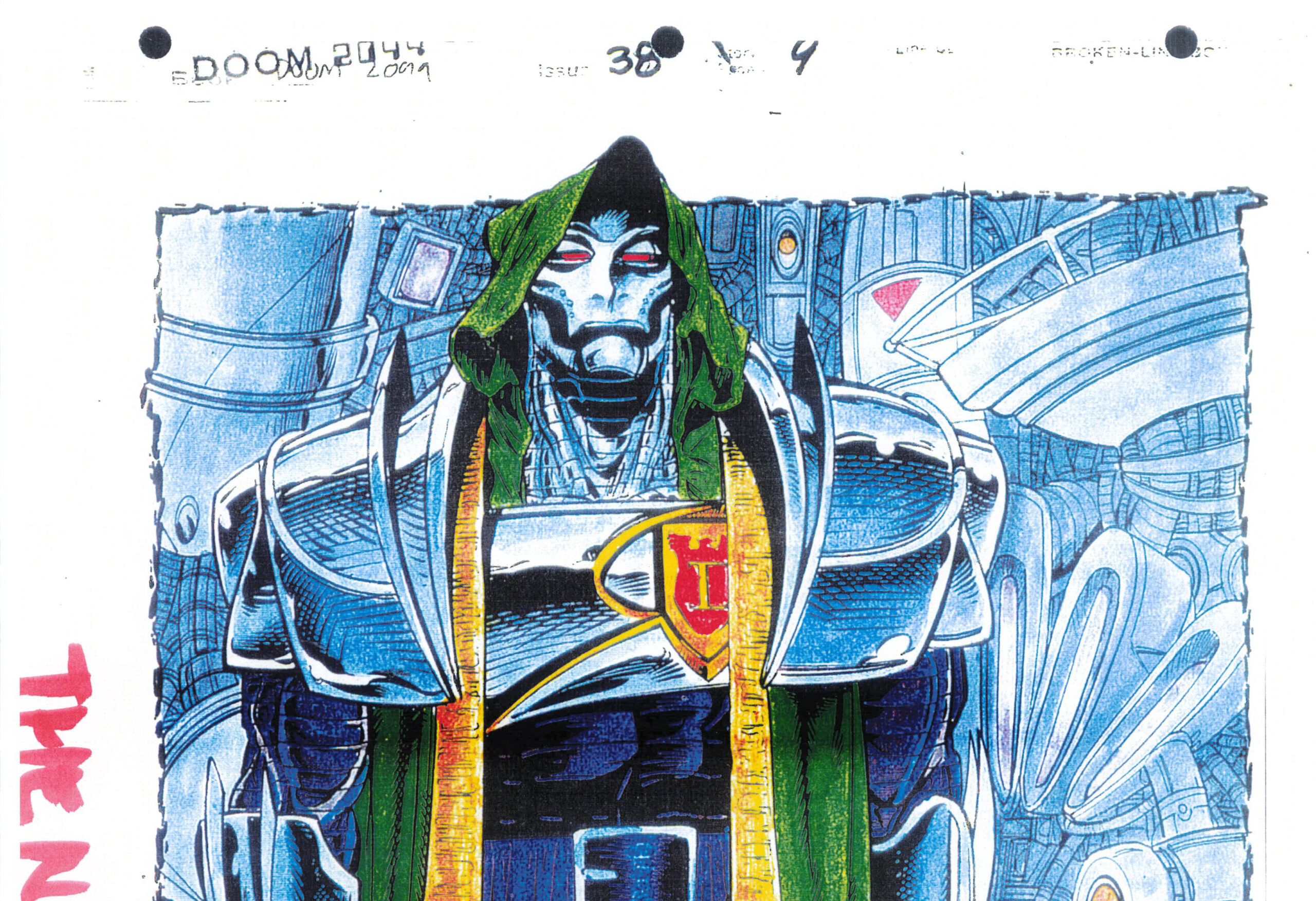
The Mark Flitman papers have received a significant influx of new materials, offering a more comprehensive view of his contributions to game development. These newly acquired documents provide further depth to his established projects, allowing for a more granular examination of the stages involved in game creation. While specific project titles were not explicitly detailed in the initial announcement, the nature of the additions suggests an expansion on design documents, concept art, and potentially internal communications that shed light on the decision-making processes and creative iterations.
Supporting Data and Context:
The Mark Flitman collection, prior to this update, already provided a valuable window into the development of various video games. Flitman is recognized for his work in the industry, contributing to titles that have left a mark on gaming culture. The inclusion of new materials is particularly significant given the ephemeral nature of game development assets. Often, early design documents, concept sketches, and iterative drafts are lost or discarded as projects move through production. The preservation of such items in a digital archive ensures that future generations can study the evolution of game design from its nascent stages.
The addition of new packages from Flitman suggests a continued effort on his part to unearth and contribute further materials that may have been overlooked during the initial cataloging. This can include anything from detailed storyboards and character designs to programming notes and marketing materials. The emphasis on "expanding on some of his big projects" indicates that these new items are likely to be directly relevant to understanding the development trajectory of well-known games, providing a richer context for their eventual release and reception.
The Andrew Nelson Papers: Unveiling Design Documents and Creative Processes
Similarly, the Andrew Nelson papers have been substantially enriched with a "whole bunch of new design documents." These additions are particularly vital for understanding the conceptualization and pre-production phases of game development. The inclusion of specific examples, such as the storyboard for a scene titled "Letter Sequence w/ Flashback," offers a tangible glimpse into the narrative and visual planning that underpins game design.
Illustrative Example: The "Letter Sequence w/ Flashback" Storyboard
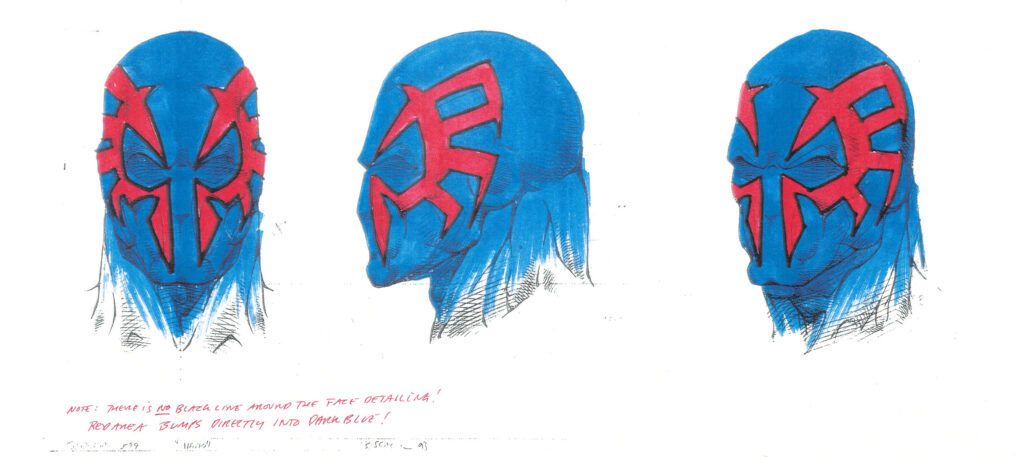
The storyboard for the "Letter Sequence w/ Flashback" scene, as depicted in the provided image, serves as a prime example of the valuable content now available. This visual narrative element demonstrates a key storytelling technique: the use of a letter to frame a flashback sequence. The juxtaposition of a "lost treasure" with the graphic of a handwritten letter suggests a narrative that likely involves discovery, memory, and potentially a personal connection to the past.
- Narrative Implication: The presence of a handwritten letter as a narrative device often signifies a personal and intimate connection to the story being told. It can evoke a sense of nostalgia, mystery, or a plea from the past. The "lost treasure" element further adds to the intrigue, suggesting a quest or a significant discovery at the heart of the narrative.
- Visual Storytelling: Storyboards are foundational to visual media, including video games. They break down complex scenes into individual shots, illustrating camera angles, character placement, and key actions. The "Letter Sequence w/ Flashback" storyboard would have guided animators, artists, and directors in realizing this specific narrative beat, ensuring a cohesive and impactful presentation of the story.
- Research Value: For game historians and designers, such storyboards are invaluable. They offer insights into how developers approached pacing, visual composition, and emotional resonance. Studying these documents can reveal the evolution of narrative techniques in gaming and the specific creative choices made by individuals like Andrew Nelson.
The inclusion of a variety of design documents from Nelson underscores the complexity of game development. These documents can range from character concept art and environmental designs to level layouts, gameplay mechanics, and even script fragments. Each piece contributes to a holistic understanding of how a game evolves from an abstract idea into a playable experience.
The Importance of High-Quality Digitization
A critical aspect of this update is the mention of "a few items we needed to rescan at higher quality." This detail is paramount for digital archives. The fidelity of scanned documents directly impacts their usability and the depth of analysis possible. Higher resolution scans allow for the examination of finer details, such as handwritten annotations, subtle variations in artwork, and textual nuances that might be lost in lower-quality reproductions. This commitment to quality ensures that the digital representations are as faithful as possible to the original materials, maximizing their research potential.
Supporting Data and Context:
The process of digitizing archival materials is an intricate one. Factors such as the type of scanner used, the resolution settings, and the file format all play a role in the final output. For documents like design sketches, concept art, and written notes, a high resolution is essential for preserving the detail and texture of the original medium. For instance, a high-resolution scan might reveal the artist’s brushstrokes, the pressure of a pencil, or the ink bleed on paper. In the context of game development archives, this level of detail can be crucial for understanding the artistic techniques employed and the iterative nature of visual design.
The decision to rescan items at a higher quality signifies a dedication to best practices in archival science. It acknowledges that initial digitization efforts, while valuable, may not always capture the full potential of the material. This iterative approach to quality improvement ensures that the digital archive remains a leading resource for historical research. The benefits extend beyond mere preservation; they actively enhance the analytical capabilities of researchers who can now examine these materials with greater clarity and precision.
Timeline and Chronology of Acquisitions
While a precise chronological timeline for the acquisition of these specific new materials is not provided, the announcement implies a recent influx. The process of receiving packages, processing them, and integrating them into the digital library typically involves several stages:
- Initial Contact and Donation: The process begins with communication between the archive and the donors, Mark Flitman and Andrew Nelson, leading to the agreement to contribute further materials.
- Physical Shipment: The donors package and send the new materials to the archiving institution. This could involve a significant volume of documents, photographs, and other artifacts.
- Receipt and Inventory: Upon arrival, the materials are formally received, logged, and a preliminary inventory is conducted to identify the contents.
- Processing and Organization: Archivists carefully examine, organize, and prepare the materials for digitization. This may involve repairs, arrangement into logical series, and the creation of detailed descriptive records.
- Digitization and Quality Control: The materials are scanned or photographed, with particular attention paid to achieving high-quality results, as evidenced by the need for rescanning certain items. Rigorous quality control checks are performed to ensure accuracy and completeness.
- Integration into Digital Library: The digitized assets are then uploaded and integrated into the existing digital archive, linked to the relevant collections (Mark Flitman papers and Andrew Nelson papers). Metadata is updated to reflect the new additions.
- Public Announcement: Finally, the archive announces the enhancements to its collections, informing the public and researchers about the newly available resources.
This systematic approach ensures that the integrity of the archival collections is maintained throughout the process and that the newly added materials are made accessible in a structured and searchable manner. The fact that these are additions to existing collections implies a long-term relationship with the donors and a sustained effort to build comprehensive archives.
Broader Impact and Implications for Game History Research
The continuous expansion of digital archives like this one has profound implications for the field of game history.
- Enhanced Research Opportunities: The addition of primary source materials from prominent figures like Mark Flitman and Andrew Nelson provides invaluable data for scholars, journalists, and enthusiasts. Researchers can now delve deeper into the creative decisions, technical challenges, and artistic visions that shaped iconic games. This allows for more nuanced and accurate historical accounts.
- Preservation of Digital Heritage: Video games, as a cultural and technological medium, are increasingly recognized for their historical significance. Archiving development materials is crucial for preserving this digital heritage, ensuring that the stories behind the games are not lost to time. These collections act as a bulwark against the loss of information that often accompanies the rapid evolution of technology.
- Understanding Design Evolution: By studying the design documents, storyboards, and other artifacts, researchers can trace the evolution of game design principles and practices. This provides context for contemporary game development and informs future innovation. The insights gained from these historical documents can inspire new approaches to gameplay, narrative, and visual design.
- Democratization of Access: Digital archives make rare and often inaccessible materials available to a global audience. This democratizes access to historical resources, allowing anyone with an internet connection to engage with primary source materials, fostering a broader understanding and appreciation of game history. The free accessibility of these materials is a testament to the institution’s commitment to public scholarship.
- Supporting Scholarly Discourse: The availability of well-curated and comprehensive digital collections fuels academic research and publication. It provides the raw material for dissertations, books, articles, and presentations, contributing to a growing body of scholarly work on video games.
The commitment from individuals like Mark Flitman and Andrew Nelson, alongside the diligent work of the digital library staff, is instrumental in building these essential resources. Their contributions are not merely additions to a database; they are vital threads in the tapestry of our digital cultural heritage, ensuring that the legacy of video game development is understood, appreciated, and studied for generations to come. The ongoing success of such archival projects hinges on continued support and engagement from both donors and the wider research community.