Chalid Lutfie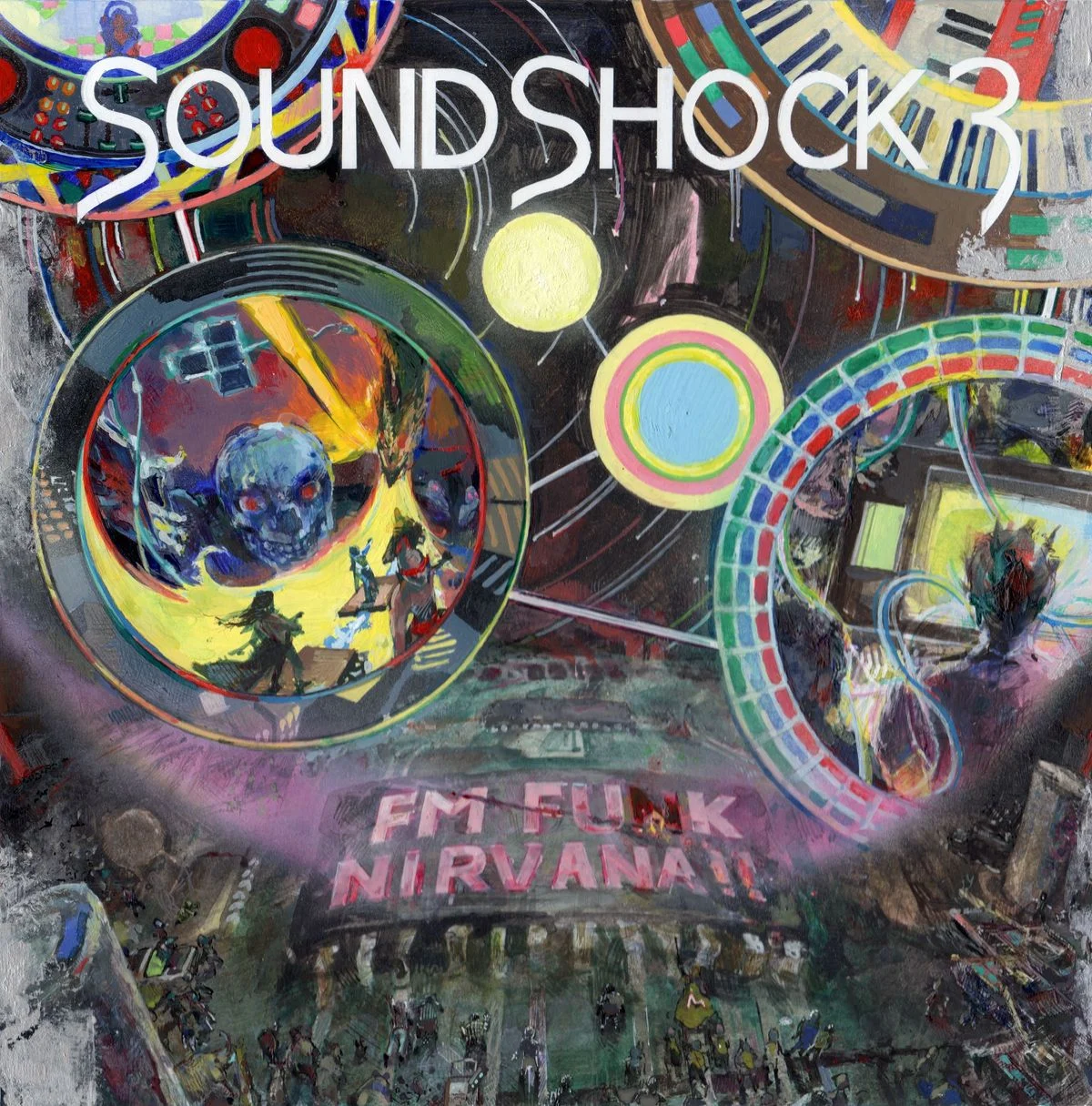
The release of SOUNDSHOCK 3: FM FUNK NIRVANA!! marks a significant milestone in the preservation and modernization of Frequency Modulation (FM) synthesis, a sound architecture that defined the golden age of arcade and home console gaming. Spearheaded by the producer known as zinger and released under the Ubiktune record label, the SOUNDSHOCK series has evolved from a niche conceptual project into a definitive anthology of the contemporary FM music scene. The project, which began its developmental cycle in 2010, serves as a cultural bridge between the Western computer demoscene and the Japanese video game music (VGM) industry. By synthesizing the technical precision of tracker-based composition with the aesthetic sensibilities of 1980s and 1990s Japanese electronic music, the series has cultivated a unique international community of composers, historians, and enthusiasts.
Historical Context and the Inception of the SOUNDSHOCK Project
The origins of the SOUNDSHOCK series are rooted in the early 2010s, a period when the chiptune movement began to shift its focus from the 8-bit limitations of the Nintendo Entertainment System (NES) and Game Boy toward the more complex, multi-channel capabilities of 16-bit hardware. In 2010, Dmitry Zhemkov, better known as C-jeff and the founder of the Ubiktune label, approached the producer zinger with a proposal for a solo album. However, zinger, whose background was deeply embedded in the tracker and demo scenes, proposed an alternative: a large-scale compilation project that would pay homage to the FM synthesis sounds of the Sega Mega Drive and Japanese NEC PC-8801/9801 computer systems.
This vision was informed by decades of personal immersion in the aesthetics of video games such as Golden Axe II and Sonic the Hedgehog. These titles utilized the Yamaha YM2612 sound chip, a hardware component that became the cornerstone of the "FM Funk" sound. For zinger, the project was not merely a nostalgic exercise but a means of exploring the "very depths" of computer and video game worlds that had fascinated him for over 15 years. This obsession led to the accumulation of hardware FM synthesizers and obscure Japanese hardware, providing the technical foundation necessary to curate a series that met the high standards of both audiophiles and veteran game composers.
Technical Foundations: The Role of FM Synthesis in Digital Music
To understand the impact of the SOUNDSHOCK series, one must examine the technical significance of Frequency Modulation synthesis. Unlike the subtractive synthesis common in early Moog or Roland hardware, FM synthesis generates complex timbres by modulating the frequency of one waveform (the carrier) with another (the modulator). This method, popularized by the Yamaha DX7 and subsequently integrated into arcade boards and home computers, allowed for the creation of metallic, percussive, and "funky" sounds that were previously impossible to achieve with limited digital memory.
The SOUNDSHOCK series specifically celebrates the "OPN" and "OPM" families of Yamaha chips. The Yamaha YM2151 (OPM) was a staple of 1980s arcades, while the YM2608 (OPNA) and YM2612 (OPN2) powered the PC-88/98 series and the Sega Mega Drive, respectively. These chips were notorious for their steep learning curve, requiring composers to possess both musical talent and a deep understanding of mathematical operators. By bringing together artists who still utilize this hardware—or modern software emulations that replicate its idiosyncrasies—SOUNDSHOCK 3: FM FUNK NIRVANA!! serves as a technical showcase of what is often referred to as the "FM Funk" subgenre.
Chronology of the Series and Developmental Milestones
The trajectory of the SOUNDSHOCK project follows a clear progression of increasing complexity and expanding international reach:
- 2010 – Project Inception: The initial dialogue between zinger and C-jeff establishes the framework for a compilation rather than a solo release. Research begins into potential contributors from the global demoscene.
- 2011 – SOUNDSHOCK: FM Funk Terrore!: The first installment is released, establishing the aesthetic parameters of the series. It focuses heavily on the aggressive, high-energy potential of FM synthesis.
- 2012 – SOUNDSHOCK 2: FM Funk Revolution!: The second volume expands the roster, incorporating more diverse influences and refining the production quality. This release begins to attract the attention of industry veterans in Japan.
- 2013–2014 – Cultural Integration: During this period, zinger deepens ties with the Japanese chiptune community, facilitated by influential figures such as hally (Haruhisa Tanaka). This era is marked by a breakdown of language barriers through the shared "vocabulary" of game titles and hardware specifications.
- 2015 – SOUNDSHOCK 3: FM FUNK NIRVANA!!: The release of the third volume represents the culmination of five years of networking and curation. It features a cross-continental tracklist that blends legendary Japanese game composers with Western demoscene icons.
Bridging the East-West Divide: A Collaborative Achievement
One of the most significant achievements of the SOUNDSHOCK series is its success in fostering collaboration between Western and Japanese artists. Historically, the Western demoscene (focused on Commodore 64, Amiga, and PC) and the Japanese VGM and dōjin scenes operated in relative isolation. The SOUNDSHOCK project intentionally sought to bridge this gap.
Zinger notes that early interactions with Japanese artists like Ryu Takami and hex125 were initially limited by language barriers. However, a mutual passion for niche hardware allowed for communication through the "name-dropping" of composers and game titles. This shared cultural shorthand eventually led to deeper professional relationships. A pivotal moment in the series’ development was the discovery that Japanese composers, such as Keishi Yonao—famed for his work on Asuka 120% and Mad Stalker—had long harbored a fascination with Western computer culture, mirroring the Western obsession with Japanese systems like the Sharp X68000.
The roster for SOUNDSHOCK 3 exemplifies this synergy. The inclusion of Japanese artists such as shogun and Utabi alongside Western counterparts like zabutom and Metal demonstrates a unified artistic front. This "FM Funk Nirvana" is not just a musical theme but a description of the state of the community: a harmonious integration of disparate scenes into a single, cohesive movement.
Supporting Data and Production Credits
The production of SOUNDSHOCK 3 involved a rigorous curation process, ensuring that each track adhered to the high-fidelity FM standards established by the label. The album features contributions from a wide array of talent, including:
- Production and Curation: zinger
- Executive Production and Label Management: C-jeff (Ubiktune)
- Artistic Direction and Visual Design: Rufus Blacklock
- Technical Assistance and Japanese Liaison: hally (Vorc Records)
- Key Composers: Tsuyoshi Shimokura, Megus, MmcM, and dozens of international contributors.
Ubiktune, the label behind the release, has established itself as a leader in the chiptune and progressive electronic music space. Since its founding in 2006, the label has released over 50 albums, many of which focus on the intersection of vintage hardware and modern production techniques. The SOUNDSHOCK series remains one of the label’s most ambitious undertakings in terms of the number of contributors and the geographical diversity of its talent pool.
Broader Impact and Industry Implications
The implications of the SOUNDSHOCK series extend beyond the immediate chiptune community. By documenting and revitalizing FM synthesis, the project contributes to the broader field of digital archeology. As original hardware becomes increasingly rare and prone to failure, the work of contemporary FM composers ensures that the techniques and "soul" of this era of music are preserved for future generations.
Furthermore, the series has influenced the broader indie game development industry. The "FM Funk" aesthetic promoted by zinger and Ubiktune can be heard in the soundtracks of modern retro-styled hits. The resurgence of interest in the YM2612 and OPN chips has led to the development of high-quality VST (Virtual Studio Technology) instruments, such as the RYM2612 and GenMDM hardware interfaces, which allow modern musicians to integrate authentic FM sounds into their workflows.
The project also highlights the importance of the "dōjin" (self-published) spirit in the digital age. By bypassing traditional corporate gatekeepers, zinger and C-jeff have created a platform where veteran industry professionals can collaborate with hobbyist enthusiasts on equal footing. This democratization of music production has fostered a sense of community that zinger describes as the most rewarding aspect of the project.
Conclusion and Future Outlook
SOUNDSHOCK 3: FM FUNK NIRVANA!! stands as a testament to the enduring appeal of 16-bit soundscapes and the power of global digital communities. Through the tireless efforts of zinger, the strategic support of C-jeff and Ubiktune, and the cultural mediation of hally, the series has successfully mapped the "very depths" of a niche musical realm.
As the project moves forward, it leaves behind a legacy of cross-cultural exchange and technical excellence. The series has proven that the limitations of vintage hardware, rather than being a hindrance, can serve as a catalyst for immense creativity and international cooperation. For the fans and creators involved, SOUNDSHOCK is more than a compilation; it is a celebration of a shared digital heritage that continues to inspire excitement and innovation decades after its inception. The "endless amount of joy" cited by the project’s creator reflects a broader sentiment within the scene—a realization that the sounds of the past are, in the right hands, the sounds of the future.