Cecilia Chamidah Nur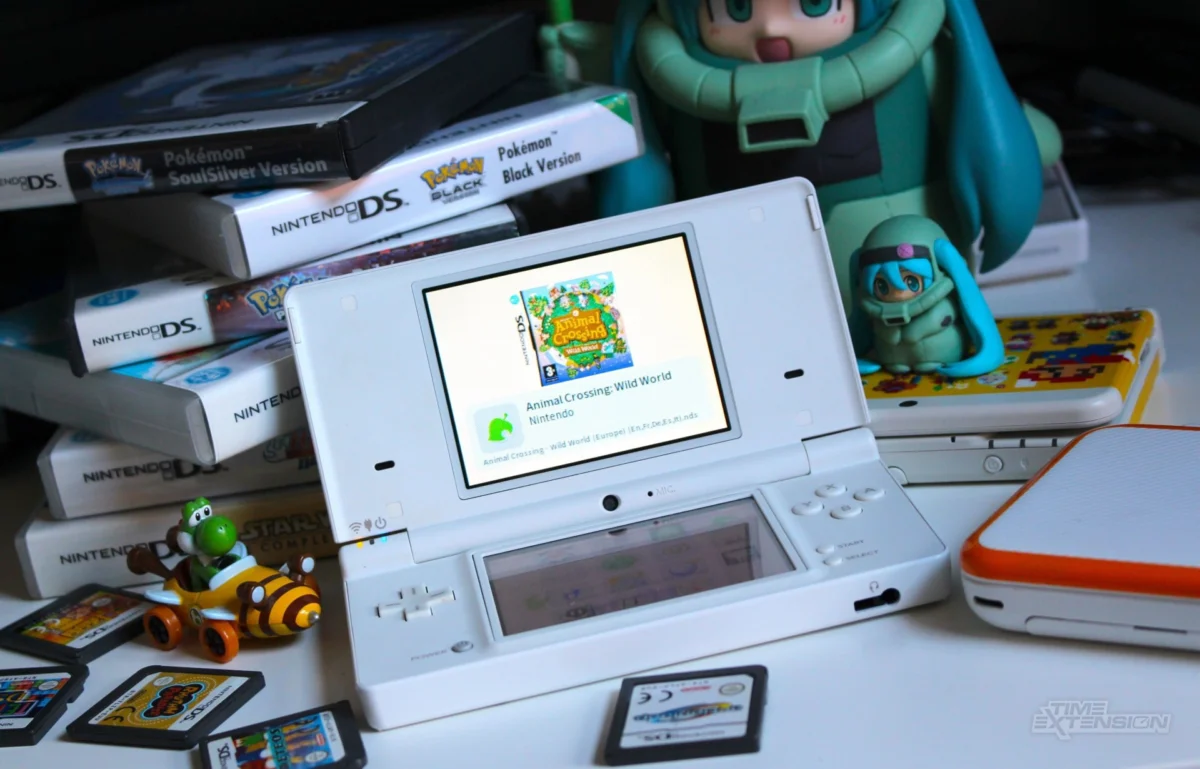
The landscape of handheld gaming has long been marked by the innovative spirit of its community, often driven by the desire to extend the life and functionality of beloved hardware. For the Nintendo DS, a console that sold over 154 million units worldwide, this spirit has manifested through various means, most notably the proliferation of flash carts. These devices, primarily known as ‘R4’ carts during the DS’s active commercial years, allowed users to load and play game ROMs from a single cartridge, circumventing the need for physical game cards. While groundbreaking in concept, the R4 era was plagued by inconsistencies, unreliable firmware, and even deliberate hardware obsolescence, creating a market ripe for a more robust and ethically aligned solution.
The Troubled Legacy of Early DS Flash Carts
During the Nintendo DS’s peak popularity, from its launch in 2004 through its eventual discontinuation, the market for flash carts exploded. These devices, often generically referred to as R4 carts regardless of their actual brand or manufacturer, offered an enticing proposition: access to a vast library of games without the cumulative cost of individual cartridges. However, this convenience came with significant drawbacks. The market was flooded with countless clones and derivatives, leading to a "lottery" experience for consumers. Users frequently encountered issues such as incompatible firmware, corrupted data, and, notoriously, "timebomb" mechanisms designed to render the cart inoperable after a set period, forcing users into a perpetual search for patched firmware or new hardware. This chaotic environment created a barrier for many enthusiasts, as the effort required to maintain a functional flash cart often outweighed the benefits. The digital preservation aspect, while implicitly served by these devices, was overshadowed by their commercial instability and often questionable manufacturing practices.
Nintendo, for its part, maintained a firm stance against these devices, viewing them as tools for piracy that undermined its intellectual property and commercial interests. Legal battles were fought in various jurisdictions, with Nintendo often securing injunctions and seizures against distributors of flash carts. This adversarial relationship contributed to the underground nature of the flash cart market, further exacerbating the issues of quality control and reliable support.
The Dawn of a New Era: DSpico and Open-Source Solutions
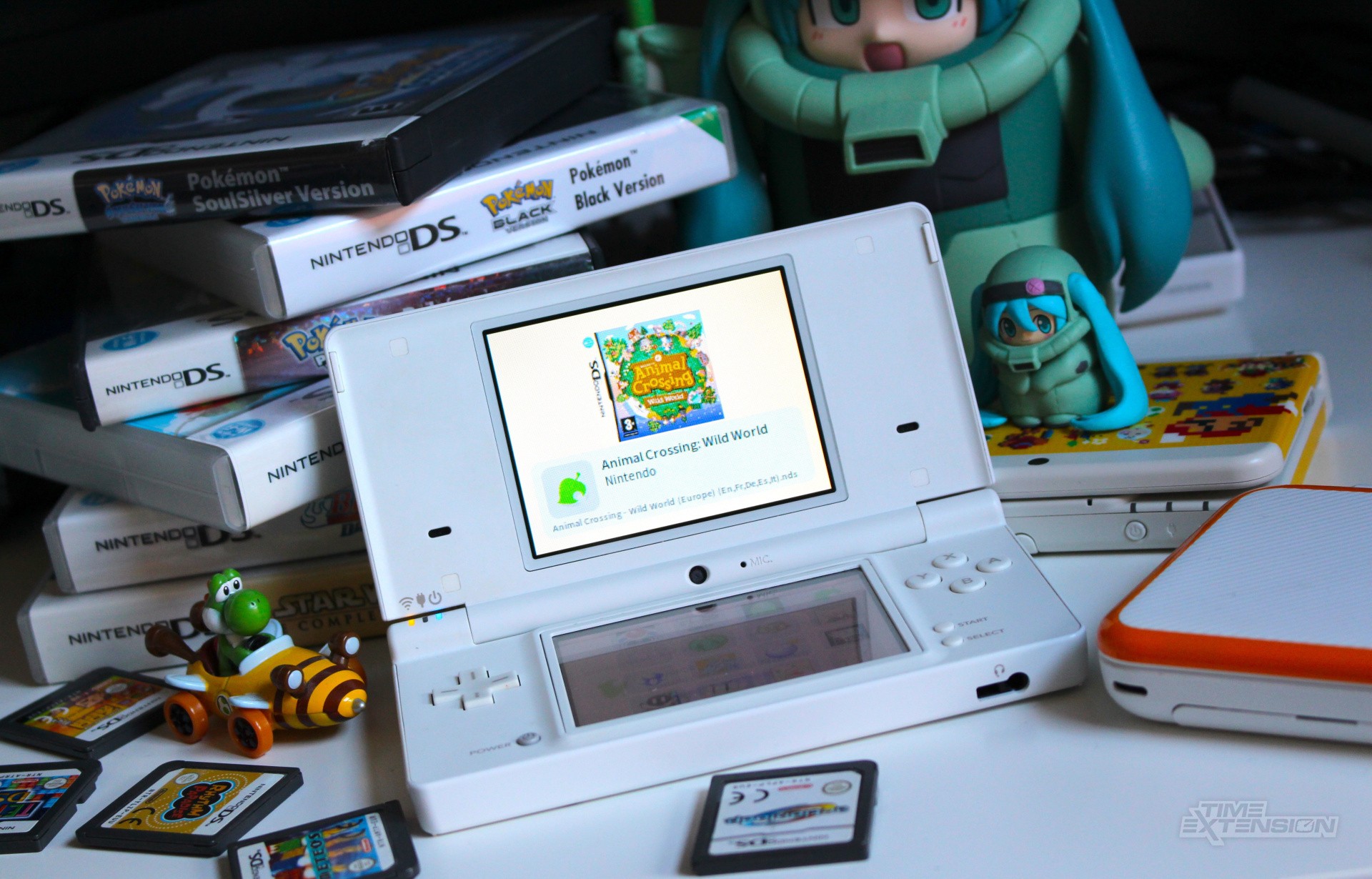
The cessation of official support for the Nintendo DS, including the shutdown of the DSiWare service on March 31, 2017, and the discontinuation of physical game sales, has significantly shifted the moral and practical landscape surrounding alternative methods of game access. In this new context, where legitimate digital and physical avenues for acquiring many DS titles are increasingly scarce, the focus has shifted towards preservation and accessibility. It is precisely into this void that DSpico emerges, offering a modern, reliable, and, critically, open-source solution to the long-standing challenges of DS game playback.
Developed by the LNH team, DSpico represents a paradigm shift from its predecessors. Unlike the proprietary and often opaque R4 carts, DSpico is entirely open-source. This fundamental difference means that its hardware designs and software firmware are publicly accessible, allowing anyone to inspect, modify, and improve upon the project. This collaborative model fosters transparency, encourages community development, and ensures long-term viability, free from the planned obsolescence that plagued earlier devices. The open-source ethos aligns perfectly with the burgeoning retro gaming and digital preservation communities, who prioritize sustained access to historical software over commercial profit.
Technical Innovation and Enhanced Compatibility
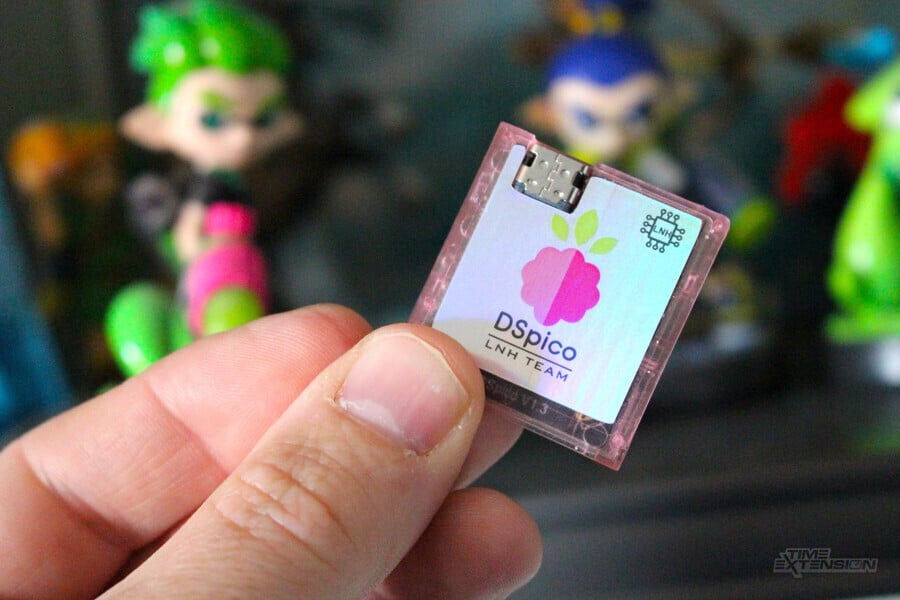
At the heart of the DSpico’s design lies the Raspberry Pi Pico chip. This low-cost, yet remarkably powerful microcontroller is a testament to the project’s commitment to affordability and efficiency. The Raspberry Pi Pico, typically featuring an ARM Cortex-M0+ dual-core processor clocked at 133 MHz and 264KB of RAM, provides ample processing power for handling DS game ROMs and the associated user interface with remarkable speed and stability. Its inclusion is visible through the transparent casing of many DSpico units, plainly illustrating the device’s namesake and its underlying engineering.
Beyond its open-source nature, DSpico distinguishes itself through expanded compatibility. While older R4 carts primarily focused on DS game ROMs, DSpico pushes the boundaries by supporting DSiWare titles and DSi-enhanced games. This capability is particularly significant given the DSiWare service’s shutdown, rendering many of these unique digital-only titles inaccessible on original hardware. DSpico allows these games to be played not only on DSi consoles but also on 3DS consoles, further expanding the utility and preservation potential of the device. This enhanced compatibility highlights the LNH team’s dedication to unlocking the full breadth of the DS family’s gaming library.
The hardware itself is designed with user-friendliness in mind, incorporating modern conveniences such as a USB-C port in many aftermarket versions. This is a direct benefit of the open-source hardware approach, where community developers and manufacturers can iterate and improve upon the base design, offering superior connectivity and durability compared to the often flimsy MicroUSB ports of older carts. These design choices underscore a commitment to a user experience that is both robust and forward-looking.
Navigating the DSpico Ecosystem: Firmware and User Experience
While the DSpico promises a superior experience, its initial setup requires a degree of user engagement, primarily concerning firmware selection. The open-source nature allows for specialized firmware versions tailored to different hardware configurations, a testament to its flexibility but also a point of consideration for new users. Currently, two primary firmware versions are available: Hybrid and WRFUxxed.
The Hybrid firmware is designed for broad compatibility, functioning across original DS, unmodded DS Lite, modded DSi, and modded 3DS consoles. It primarily facilitates the booting of DS games on these platforms. In contrast, WRFUxxed is specifically engineered for unmodded DSi or 3DS systems, leveraging an all-access DSi-mode exploit to provide enhanced functionality without requiring prior console modification. DSpico also supports Ntrboot for 3DS and DSi, a popular method for installing custom firmware on these consoles, further demonstrating its versatility within the homebrew ecosystem.
The process of determining and installing the correct firmware is arguably the most complex step for a new user, yet it remains remarkably straightforward compared to the often-frustrating firmware hunts of the R4 era. Comprehensive guides are readily available online, reflecting the collaborative spirit of the open-source community. Once the firmware is installed, the DSpico’s core functionality is largely plug-and-play. Users simply load their .nds format ROMs onto a MicroSD card, insert it into the DSpico, and boot their console.
For optimal performance, especially when running DSiWare titles, adherence to specific SD card formatting guidelines is crucial. Users have reported issues related to incompatible SD card formats, emphasizing the need to use FAT32 and the official SD Association formatter. In some cases, opting for a smaller capacity SD card has also resolved compatibility issues, pointing to the nuances of interacting with legacy hardware and modern storage solutions.
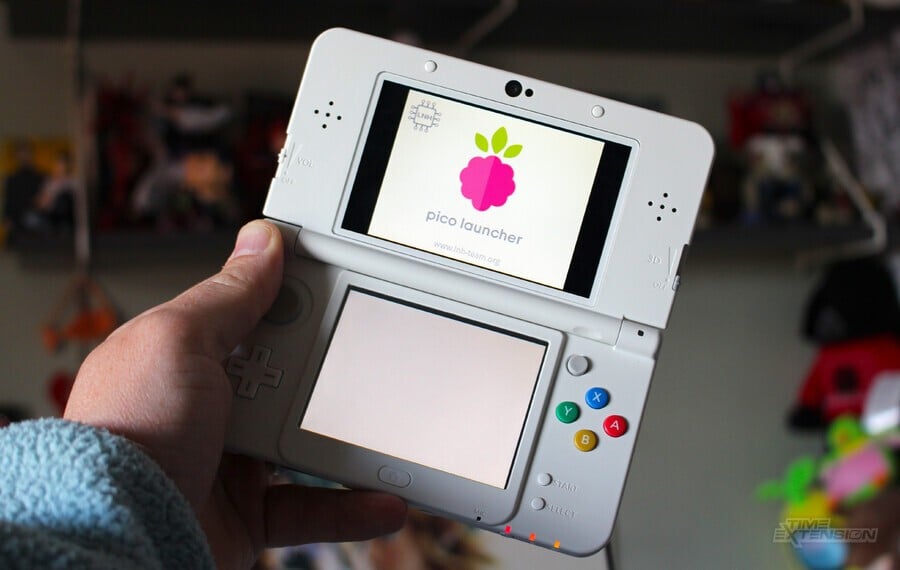
The user interface, powered by the Pico Launcher, is a significant improvement over the often clunky and visually dated software associated with older flash carts. Pico Launcher is designed to be clean, intuitive, and highly responsive. It can display game cart icons, mirroring the original DS menu experience, and further enhances visual appeal through integration with services like PicoCover. This web-based utility allows users to download and display cover artwork for their game library, transforming the browsing experience from a simple file list into a visually rich interface.
Performance is another area where DSpico shines. Games load rapidly from the MicroSD card, and the overall responsiveness of the launcher is "blazing fast." Moreover, the LNH team has engineered DSpico for low power consumption, averaging around ~57 mW. This efficiency translates to longer battery life for the host console, a crucial factor for portable gaming and a marked improvement over potentially power-hungry older devices.
The Broader Impact: Preservation, Accessibility, and Community
The DSpico is more than just a flash cart; it represents a significant stride in the ongoing efforts of digital game preservation. With physical media degrading over time and digital storefronts for older consoles being shuttered, projects like DSpico offer a lifeline for keeping classic titles playable on their original hardware. This commitment to preservation resonates deeply within the retro gaming community, who view these devices as essential tools for archiving gaming history.
The affordability of DSpico is also a critical factor in its widespread appeal. With units available for as little as $10 from global retailers like AliExpress, and slightly more premium versions with modern enhancements (such as USB-C) from specialized vendors like Phenom Mod for around $20, DSpico makes the vast Nintendo DS library accessible to a broad audience. This cost-effectiveness democratizes access to games that might otherwise be prohibitively expensive on the secondary market for physical cartridges. The average cost of some rare DS titles can easily exceed the price of a DSpico, making it an economically rational choice for enthusiasts.
The open-source nature of DSpico ensures its longevity and potential for future enhancements. As the homebrew community continues to grow and evolve, DSpico stands to benefit from ongoing development, bug fixes, and potentially even new functionalities that extend beyond mere game playback. This collaborative model fosters innovation, allowing the device to adapt to emerging needs and integrate new features envisioned by a global network of developers.
While the legal implications of acquiring game ROMs remain a nuanced and often debated topic, especially in jurisdictions with strict copyright laws, the DSpico operates within a context where many of these games are no longer commercially available. This "abandonware" status often fuels arguments for preservation efforts, though the legality of distributing or downloading copyrighted material without explicit permission remains a grey area. DSpico itself is a hardware platform, and its ethical use, like that of any emulation or flash cart device, ultimately rests with the user.
Conclusion
The DSpico represents a remarkable achievement in the realm of retro gaming hardware. By leveraging the power of open-source development and modern, cost-effective components like the Raspberry Pi Pico, the LNH team has delivered a flash cart that addresses nearly all the shortcomings of its predecessors. Its reliability, enhanced compatibility with DSiWare and DSi-enhanced titles, user-friendly interface, and commitment to low power consumption make it an indispensable tool for anyone looking to explore the extensive Nintendo DS library on original hardware.
For a minimal investment, typically ranging from $5 to $20, users gain access to a platform that not only preserves countless classic titles but also promises continuous improvement through community contributions. While casual users may need to navigate a straightforward setup process and engage with the ethical considerations of ROM acquisition, the overall value proposition of DSpico is undeniable. It stands as a testament to the enduring passion of the gaming community and its dedication to keeping beloved hardware and software alive for generations to come, firmly establishing itself as an essential component in the ecosystem of Nintendo DS preservation and play.