Ganda Hendra Perkasa
The digital library, a cornerstone for preserving and disseminating historical video game development materials, has announced a substantial expansion of its archives. This week’s update focuses on enriching two of its existing collections: the Mark Flitman papers and the Andrew Nelson papers. These additions represent a concerted effort to enhance the depth and breadth of the library’s holdings, providing researchers, historians, and enthusiasts with even greater access to invaluable primary source materials. The expansion comes as a direct result of recent contributions from both Mark Flitman and Andrew Nelson, who have provided new packages of materials that were either previously uncatalogued or require higher-resolution digitization.
A Deeper Dive into the Archives
The continuous growth of the digital library is a testament to its ongoing mission to safeguard the artifacts of video game history. While the addition of entirely new collections is a frequent occurrence, the opportunity to augment existing archives offers a unique chance to build upon established research foundations. This latest update significantly bolsters the Mark Flitman and Andrew Nelson collections, making them more comprehensive and accessible than ever before.
The Mark Flitman papers, a vital resource for understanding the development of various influential video games, have seen an influx of new materials. These additions are particularly significant as they expand upon some of Flitman’s most prominent projects. The nature of these newly acquired documents suggests a focus on creative development, potentially including concept art, design documents, and correspondence related to specific game titles. This enhancement is crucial for scholars aiming to trace the evolution of game design philosophies and technical innovations.
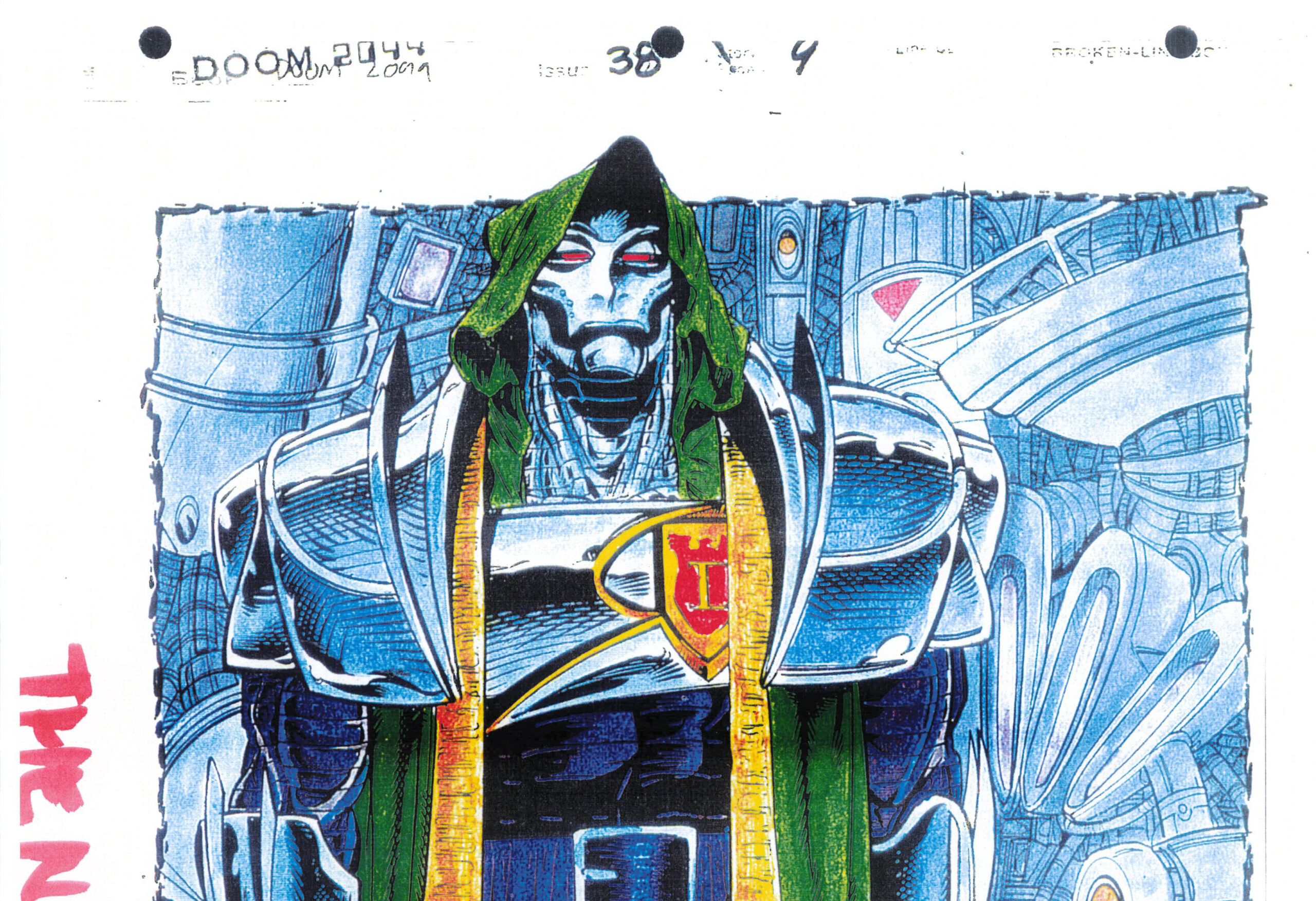
Similarly, the Andrew Nelson papers have received a considerable augmentation, with a substantial number of new design documents being added. These materials are expected to shed light on the intricate processes involved in game creation, from initial conceptualization to detailed implementation. The inclusion of these documents is particularly valuable for understanding the collaborative nature of game development and the iterative design cycles that define the industry.
The Significance of Archival Augmentation
The process of archiving is often a meticulous and time-consuming endeavor. When collections are initially accessioned, there is a possibility that certain items may be overlooked, or that the technology available for digitization at the time may not capture the full detail of the original materials. The recent updates to the Flitman and Nelson collections underscore the dynamic nature of archival work. The receipt of additional packages from both individuals indicates a continued commitment to ensuring their contributions to the field are thoroughly documented and preserved.
The decision to rescan certain items at a higher quality is also a critical aspect of this update. In the realm of digital archiving, resolution and fidelity are paramount. Higher-quality scans allow for a more detailed examination of original documents, preserving nuances in artwork, text, and even the physical characteristics of the materials themselves. This attention to detail is essential for providing researchers with the most accurate and complete representation of the historical artifacts.
Expanding the Mark Flitman Collection: Insights into Major Projects
The newly received materials from Mark Flitman promise to offer deeper insights into several of his major projects. While the specific titles are not explicitly detailed in the initial announcement, the nature of archival additions often correlates with the creator’s most impactful work. These additions could encompass a wide range of materials, such as:
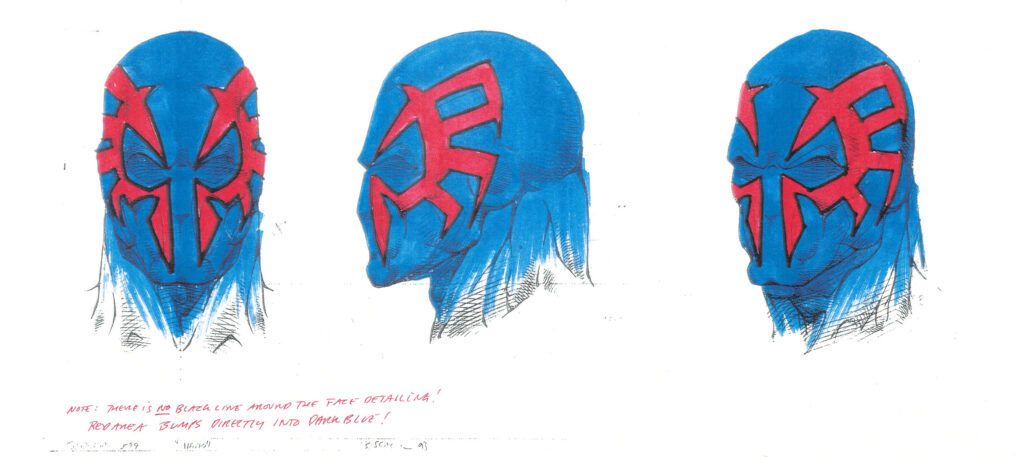
- Concept Art and Character Designs: Visual explorations of characters, environments, and game mechanics that may have been early iterations or entirely different directions for projects. This type of material is crucial for understanding the creative process and the visual language of games.
- Design Documents and Game Mechanics: Detailed explanations of how games were intended to function, including rules, player interactions, and system designs. These documents are invaluable for analyzing the underlying logic and innovative aspects of game design.
- Storyboards and Narrative Outlines: Visual or textual representations of game narratives and key sequences. These materials help in understanding how stories were developed and integrated into gameplay.
- Correspondence and Memos: Communications between team members, publishers, or other stakeholders that provide context on decision-making, challenges, and the overall development environment.
The inclusion of these items within the digital library allows for a more holistic understanding of Flitman’s contributions. Researchers can now trace the genesis of ideas, observe the evolution of design choices, and gain a more nuanced appreciation for the complexities of bringing a video game from concept to reality. The ability to access these materials digitally democratizes access, making them available to a global audience without the need for physical travel to archival institutions.
The Andrew Nelson Papers: A Window into Design Documentation
The contributions from Andrew Nelson are particularly noteworthy for their focus on design documents. This category of archival material is often the backbone of game development, serving as the blueprint for the entire production. The "whole bunch of new design documents" suggests a comprehensive addition that could illuminate various stages of Nelson’s involvement in game projects. Potential inclusions within this substantial update may consist of:
- Level Design Layouts and Blueprints: Detailed maps and schematics of game environments, indicating player paths, enemy placements, and puzzle designs. These are critical for understanding the spatial and interactive architecture of games.
- System Design Specifications: In-depth documentation of game systems, such as combat mechanics, AI behavior, progression systems, and user interface elements. These documents reveal the technical and systemic underpinnings of game design.
- Character and Enemy Design Sheets: Detailed breakdowns of character attributes, abilities, and behaviors, along with their roles within the game world. This aids in understanding character archetypes and their functional purpose.
- Technical Design Documents: Specifications related to programming, engine functionality, and platform considerations. While often more technical, these documents can offer insights into the engineering challenges and solutions of the era.
- Playtesting Notes and Feedback: Records of internal testing and feedback, which often reveal the iterative nature of design and the process of refinement based on user experience.
The image provided alongside the announcement, depicting a storyboard titled "Letter Sequence w/ Flashback" for a scene involving lost treasure and a handwritten letter, offers a tangible glimpse into the kind of visual storytelling and narrative design that may be present in the new documents. This specific example highlights the potential for rich, narrative-driven content within Nelson’s collection. Such visual aids are instrumental in understanding how game developers translate abstract concepts into concrete gameplay experiences and compelling narratives.
A Chronology of Archival Growth and Support
The expansion of these collections is not an isolated event but part of a continuous effort by the digital library to grow and improve its holdings. The process of building such an archive typically involves:
- Initial Outreach and Acquisition: Establishing relationships with creators and their estates to secure their materials for preservation. This often involves extensive negotiation and agreement on terms of donation or access.
- Cataloguing and Organization: Meticulously organizing incoming materials, assigning unique identifiers, and creating detailed descriptions for each item or collection. This phase is crucial for future retrieval and research.
- Digitization: Converting physical materials into digital formats. This can range from simple scanning of documents to high-resolution imaging of artwork and artifacts, and even the preservation of digital media.
- Quality Control and Enhancement: Reviewing digitized materials for accuracy, completeness, and fidelity. This is where rescanning at higher resolutions or improving existing digital files takes place.
- Metadata Creation and Ingestion: Adding descriptive metadata to digital assets to facilitate searching and discovery within the digital library’s interface.
- Public Access and Dissemination: Making the digitized collections available to the public through the library’s online platform, often with detailed finding aids and access policies.
The recent additions represent a significant milestone in this ongoing process, demonstrating the library’s commitment to not only acquiring new materials but also to refining and enhancing its existing digital assets. The proactive engagement with contributors like Flitman and Nelson highlights a collaborative approach to historical preservation.
The Broader Impact and Implications for Game History Research
The expansion of the Mark Flitman and Andrew Nelson papers has several significant implications for the field of video game history and preservation:
- Enhanced Research Opportunities: Researchers, academics, and independent scholars now have access to a more comprehensive and detailed body of primary source material. This can lead to new interpretations, deeper analyses, and a more nuanced understanding of game development processes during the eras these collections represent.
- Preservation of Ephemeral Materials: Many materials from early game development, such as design documents, concept art, and internal memos, are inherently ephemeral and susceptible to degradation or loss. Digital archiving provides a crucial safeguard against such eventualities.
- Democratization of Access: By making these materials freely available online, the digital library ensures that a global audience can engage with these historical artifacts, regardless of their geographical location or institutional affiliation. This fosters wider public interest and engagement with video game history.
- Understanding Industry Evolution: The detailed documentation within these collections can offer invaluable insights into the evolution of game design principles, technological advancements, and the changing nature of the video game industry over time. This can inform contemporary game development practices and scholarly discourse.
- Inspiration for Future Creators: For aspiring game developers, access to these historical documents can serve as a powerful source of inspiration, offering a window into the creative processes and challenges faced by pioneers in the field.
Acknowledging Support and Future Prospects
The announcement concludes with a heartfelt acknowledgment of the support provided by Mark Flitman and Andrew Nelson. The digital library explicitly states its dependence on such contributions to continue its vital work. The availability of these rare development materials for free access is a direct result of the generosity of creators and their willingness to share their legacies.
The success of this expansion underscores the importance of ongoing support for digital archival initiatives. As technology evolves and new methods of preservation emerge, the digital library remains dedicated to adapting and improving its services. The anticipation of future collections and further enrichments of existing archives suggests a dynamic and ever-growing resource for anyone interested in the rich and complex history of video games. The commitment to enhancing collections like those of Mark Flitman and Andrew Nelson is a critical step in ensuring that the foundational elements of this influential medium are preserved for generations to come.