Ganda Hendra Perkasa
The International Center for the History of Electronic Games (ICHEG) at The Strong National Museum of Play has announced a substantial enrichment of its digital library, bolstering its archival resources with newly acquired materials and enhanced scans for two significant existing collections: the Mark Flitman papers and the Andrew Nelson papers. This expansion underscores the institution’s commitment to preserving and providing access to invaluable historical documents from the video game industry. The additions include previously uncatalogued materials and higher-resolution scans of existing items, offering researchers and enthusiasts a more comprehensive view of the creative processes behind landmark video game titles.
Enhancements to the Mark Flitman Papers
The Mark Flitman papers, a cornerstone of the digital library’s game development archives, have been augmented with a new influx of materials. These additions delve deeper into Flitman’s significant contributions to the gaming landscape, particularly his work on influential projects. While specific details of the new materials were not fully enumerated in the initial announcement, their inclusion signifies a broadening of the collection’s scope.
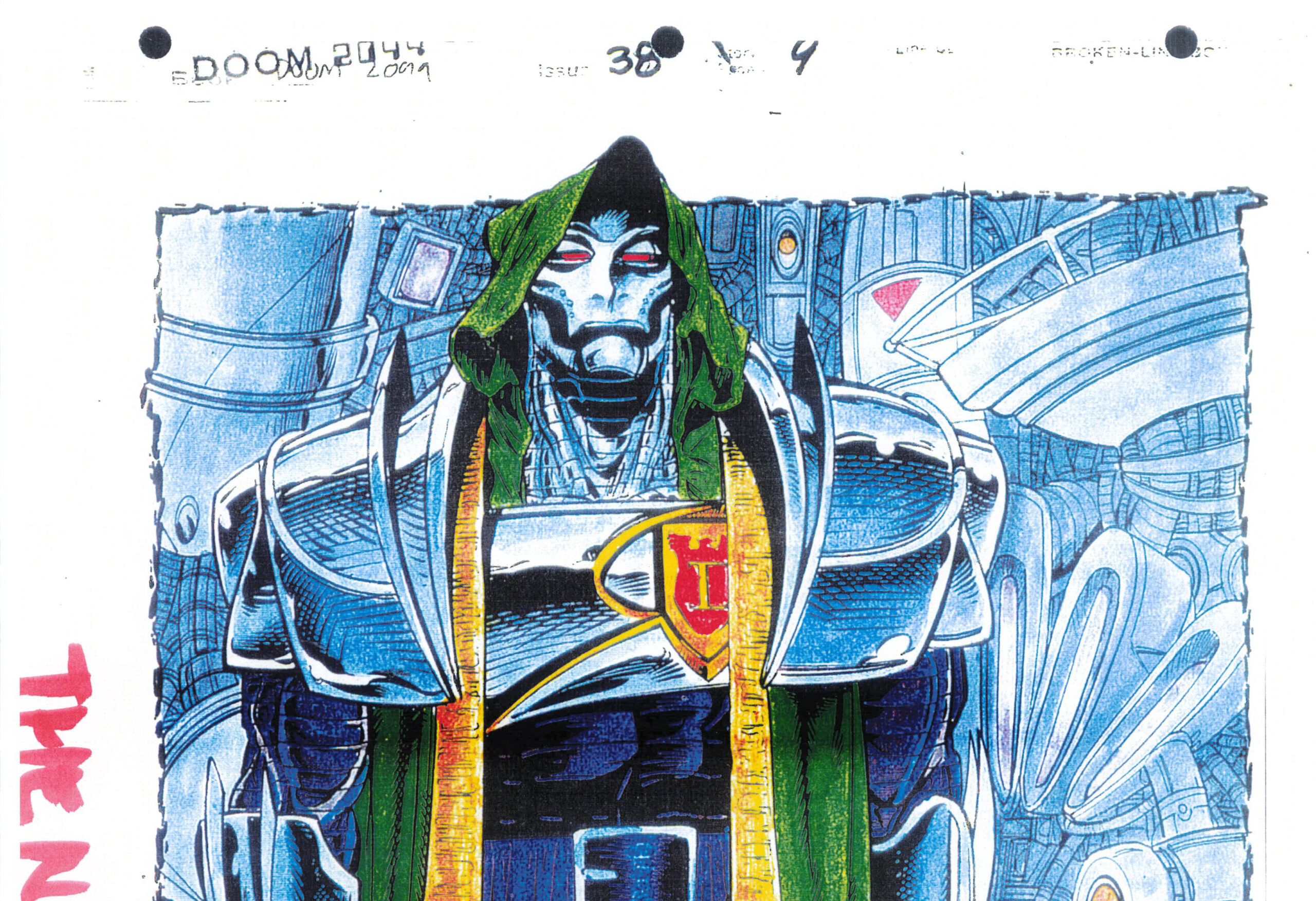
Mark Flitman is a recognized figure in the field of game development, known for his roles in bringing iconic franchises to life. His career trajectory has spanned various studios and platforms, contributing to the evolution of interactive entertainment. The initial digitization of his papers provided a foundational resource, allowing scholars and developers to study his design philosophies, conceptual art, and production documentation. The recent additions are expected to illuminate further aspects of his creative journey, potentially including early concepts, detailed design documents, or correspondence that sheds light on the collaborative efforts involved in game creation.
The expansion of the Mark Flitman papers is particularly noteworthy in the context of understanding the iterative nature of game design. Often, the initial archival process captures the most prominent or finalized materials. However, subsequent discoveries or re-evaluations of existing materials can reveal nuances and alternative paths that were explored during development. This is crucial for historical accuracy and for providing a more complete narrative of how games evolve from initial ideas to polished products. The inclusion of higher-quality scans for some items also addresses the growing demand for detailed visual analysis, enabling a closer examination of intricate artwork and text.
New Materials Bolster the Andrew Nelson Papers
Simultaneously, the Andrew Nelson papers have seen a significant enrichment, with a substantial volume of new design documents being integrated into the digital archive. Andrew Nelson, a key creative force in the industry, has a portfolio that includes work on visually distinctive and narratively rich game titles. The newly added materials are described as particularly impactful, offering a deeper look into his conceptualization and design methodologies.
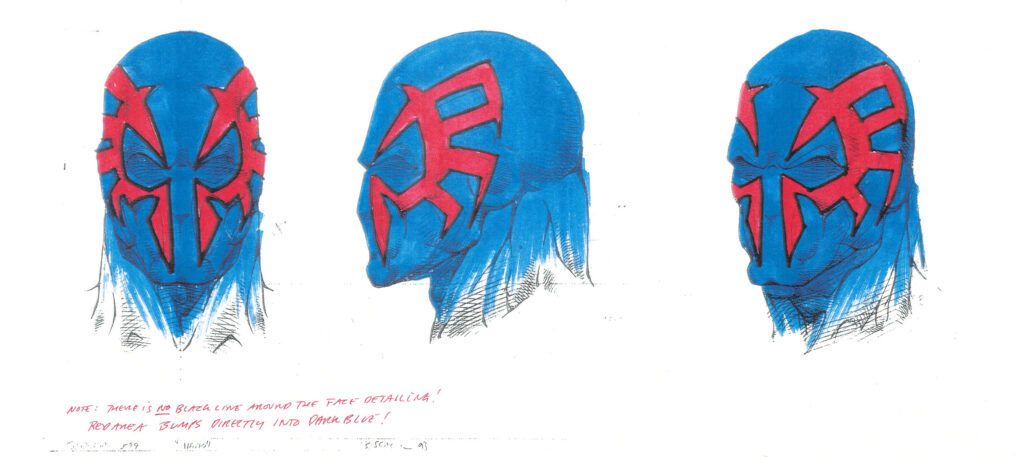
The announcement specifically highlighted that the new additions to the Nelson papers include a variety of design documents. While the original announcement did not provide an exhaustive list, the implication is that these documents represent a broad spectrum of his creative output. This could encompass everything from character sketches and environmental concept art to narrative outlines, gameplay mechanics breakdowns, and user interface design explorations. The inclusion of these materials provides invaluable insights into the pre-production and developmental stages of games, allowing for a comparative study of different design approaches and their evolution.
One of the key benefits of expanding archival collections with such detailed documentation is the ability to trace the lineage of creative ideas. For example, a concept that appears in an early sketch might be seen to evolve through subsequent iterations, incorporating feedback, technical constraints, and artistic refinement. This process of observation and analysis is fundamental to understanding the complexities of game development as a discipline. The Nelson papers, in their enhanced state, are poised to become an even more critical resource for researchers interested in the art and science of game design.
The Significance of Digital Archiving in Game History
The continuous expansion of digital libraries like the one maintained by ICHEG is crucial for the preservation and accessibility of video game history. The industry, though relatively young, has a vast and often ephemeral documentary record. Many development assets, including early concept art, design documents, and internal memos, were not always systematically archived, making their eventual preservation a race against time. Digital archiving offers a solution by making these materials accessible to a global audience without the physical constraints and risks associated with handling fragile originals.
The decision to update existing collections rather than solely focusing on new acquisitions speaks to a strategic approach to archival management. It acknowledges that the initial digitization efforts may not have captured the entirety of a collection or that materials may require updating to meet current standards for digital access and preservation. This iterative process ensures that the digital library remains a dynamic and comprehensive resource.
The growth of these collections has several implications for the field of game studies. It provides primary source material for academic research, enabling scholars to conduct in-depth analyses of game design, narrative structures, artistic styles, and the business practices of the industry. Furthermore, it serves as an educational tool for aspiring game developers and designers, offering them direct exposure to the work of industry pioneers. The ability to study the evolution of game design through these historical documents can inspire new creative approaches and foster a deeper appreciation for the craft.
Broader Impact and Future Directions
The ongoing efforts by institutions like ICHEG to digitize and expand archival collections are vital for ensuring that the history of video games is not lost to time. As the industry continues to evolve at a rapid pace, the need for robust historical documentation becomes increasingly important. The work of individuals like Mark Flitman and Andrew Nelson represents a significant chapter in this history, and their contributions, now more accessible than ever, will undoubtedly inform future research and appreciation of electronic games.
The announcement also serves as a testament to the importance of collaboration between institutions and original creators. The continued contributions from individuals like Flitman and Nelson, who are willing to share their personal archives, are instrumental in building these comprehensive collections. This partnership model is essential for the long-term success of such archival projects.
Looking ahead, the success of these collection updates suggests a potential for further expansions and enhancements within the ICHEG digital library. As more materials are identified, cataloged, and digitized, the institution will continue to solidify its position as a leading repository for the history of electronic games. The commitment to not only acquiring but also refining and enriching existing digital collections demonstrates a forward-thinking approach to archival preservation and accessibility, ensuring that the legacy of video game development remains a vibrant and accessible field of study for generations to come. The detailed nature of the newly added materials, particularly the design documents from Andrew Nelson, is expected to foster new avenues of inquiry and a deeper understanding of the creative forces that have shaped the interactive entertainment landscape.