Ganda Hendra Perkasa
The International Center for the History of Electronic Games (ICHEG), a division of The Strong National Museum of Play, has announced a substantial enhancement to its digital library with the integration of newly acquired materials into two prominent archival collections: the Mark Flitman papers and the Andrew Nelson papers. This expansion underscores the ongoing commitment of ICHEG to preserve and provide access to invaluable historical documents that illuminate the creative processes behind the development of video games. The additions include previously uncatalogued materials and higher-resolution scans of existing items, ensuring greater detail and fidelity for researchers and enthusiasts alike.
These updates represent a significant step in enriching the public’s understanding of game development history, offering a deeper look into the minds and methodologies of key figures in the industry. The digital library, a cornerstone of ICHEG’s mission, aims to make these historically significant artifacts accessible globally, fostering scholarship and public engagement with the evolution of electronic entertainment. The recent influx of materials from Flitman and Nelson contributes a wealth of primary source data, ranging from conceptual artwork and design documents to production materials, providing a more comprehensive narrative of their contributions.
The Mark Flitman Papers: A Deeper Dive into Creative Output
The Mark Flitman papers have been augmented with a significant influx of new materials, shedding further light on his extensive work. While specific details of the newly added projects were not itemized in the announcement, the nature of Flitman’s contributions to the game industry suggests these additions likely encompass a diverse range of creative assets. Flitman, a notable figure in game development, has been associated with projects that have left a lasting impact on the gaming landscape. The addition of new materials is particularly significant as it often fills gaps in the historical record, providing granular insights into the iterative nature of game design, character conception, and world-building.
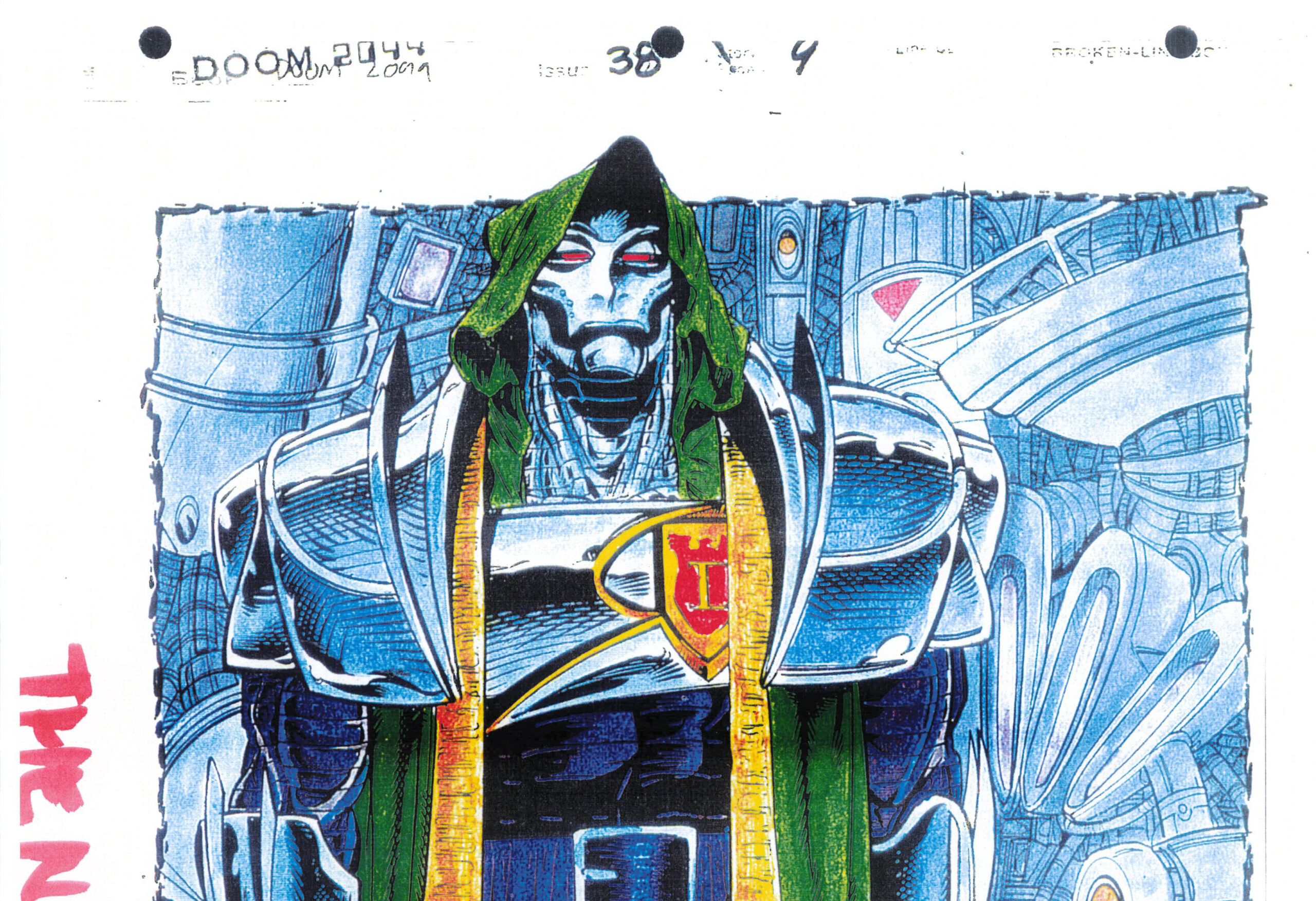
Historically, archival collections of game developers often contain a variety of materials, including concept art, storyboards, character model sheets, level designs, programming notes, and marketing materials. The expansion of Flitman’s collection could potentially offer new perspectives on the challenges and innovations faced during the development cycles of his notable projects. For instance, if Flitman was involved in projects during the transition from 2D to 3D graphics, the new materials might illustrate the technical and artistic hurdles overcome. Similarly, if his work touched upon emerging narrative techniques or gameplay mechanics, these newly accessible documents could provide crucial evidence of early experimentation and refinement.
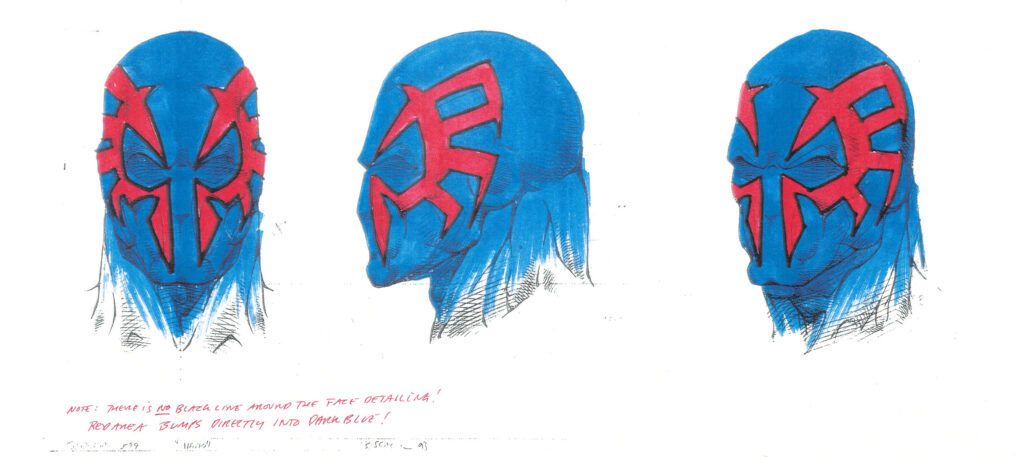
The inclusion of higher-quality scans for some existing items is also a critical aspect of this archival update. In digital preservation, resolution and clarity are paramount. Higher-fidelity scans allow for a more detailed examination of textures, fine linework, color palettes, and handwritten annotations, all of which can be crucial for historical analysis. This is particularly relevant for visual assets like concept art or character designs, where subtle details can reveal significant creative decisions or inspirations. The dual benefit of new materials and enhanced existing ones ensures that the Mark Flitman collection is now a more robust and detailed resource for historical research.
The Andrew Nelson Papers: Unveiling Design Processes and Narrative Development
The Andrew Nelson papers have also received a substantial enrichment, with a considerable volume of new design documents now integrated into the collection. These additions are particularly noteworthy for their potential to illuminate the intricate process of game design, especially concerning narrative construction and visual storytelling. The announcement specifically highlighted the inclusion of design documents that offer a glimpse into these crucial aspects of game creation.
One of the key elements of the updated Nelson collection includes a storyboard for a scene titled "Letter Sequence w/ Flashback." This particular item, as depicted in accompanying visuals, showcases a lost treasure superimposed with a handwritten letter. Such an artifact is invaluable for understanding how narrative elements are translated into visual sequences within a game. Storyboards serve as a critical bridge between script and screen, detailing camera angles, character actions, and the overall flow of a scene. The "Letter Sequence w/ Flashback" storyboard, in particular, suggests a narrative that relies on exposition through written correspondence and the integration of past events into the present storyline.
The inclusion of such specific visual narrative planning tools provides researchers with concrete examples of how game designers approach storytelling. It allows for an analysis of pacing, the use of visual metaphors, and the construction of plot through non-linear elements like flashbacks. The visual of a lost treasure alongside a letter hints at themes of discovery, mystery, and potentially personal history, offering fertile ground for academic study into narrative design in video games. This type of material can be used to trace the evolution of a scene from initial concept to its final implementation, revealing design choices and their underlying rationale.
Furthermore, the broader inclusion of "new design documents" from Andrew Nelson implies a comprehensive look at his creative contributions. These could range from early brainstorming sessions, character profiles, world-building lore, to detailed breakdowns of gameplay mechanics. Each document adds a layer of understanding to the complex ecosystem of game development, where technical, artistic, and narrative elements must coalesce to form a cohesive experience. The ability to access and study these documents digitally democratizes access to historical game development materials, making them available to a wider audience than ever before.
The Importance of Digital Archiving and Community Support
The expansion of these collections is a testament to the ongoing efforts of institutions like ICHEG to safeguard the history of video games. The digital library serves as a vital resource for academics, game designers, students, and the general public interested in the evolution of this influential medium. The commitment to regularly updating and enhancing these archives reflects a proactive approach to preservation in a rapidly changing technological landscape.
The announcement also serves as a reminder of the crucial role that community support plays in these endeavors. The materials added to the digital library originate from individuals like Mark Flitman and Andrew Nelson, who have generously contributed their personal archives. This collaborative spirit is essential for building comprehensive and rich historical records. Institutions that house such archives often rely on donations of materials, financial contributions, and volunteer efforts to continue their work.
The implications of these expanded collections extend beyond mere historical record-keeping. By providing access to primary source materials, ICHEG empowers future game developers with a deeper understanding of the foundational principles and creative breakthroughs of the past. Studying the design documents, concept art, and narrative structures of earlier games can inspire new ideas and inform contemporary development practices. It allows for a critical examination of what has made certain games successful and how design challenges have been overcome throughout different eras of gaming.
The digital accessibility of these archives also facilitates comparative studies. Researchers can now more easily compare and contrast the approaches of different developers, studios, and eras, leading to more nuanced and comprehensive analyses of game history. This fosters a more holistic understanding of the medium’s development, moving beyond individual landmark titles to explore the broader trends, influences, and collaborative efforts that have shaped the industry.
Looking Ahead: The Future of Game History Preservation
The success of initiatives like the digital expansion of the Mark Flitman and Andrew Nelson papers highlights the growing recognition of video games as a significant cultural and artistic force. As the medium continues to evolve at an unprecedented pace, the need for robust archival efforts becomes increasingly critical. Institutions like ICHEG are at the forefront of this movement, ensuring that the legacy of game development is preserved for future generations.
The challenges in game preservation are multifaceted, ranging from the ephemeral nature of digital media to the sheer volume of content produced annually. However, the commitment shown by organizations and individuals to curate, digitize, and share these historical artifacts provides a strong foundation for future endeavors. The continued support for such archival projects will be instrumental in ensuring that the rich and complex history of video games is fully documented and accessible, allowing for ongoing study, appreciation, and inspiration. The ongoing work by ICHEG promises to continue to unlock new insights into the fascinating world of game creation.