Ganda Hendra Perkasa
The Digital Game History Library (DGHL) has significantly expanded its digital archives with the recent integration of newly acquired materials from two prominent figures in the video game industry: Mark Flitman and Andrew Nelson. This enhancement to existing collections underscores the DGHL’s commitment to preserving and providing access to invaluable historical development materials. The additions include previously uncatalogued items and higher-quality scans of existing assets, enriching the understanding of game creation processes for researchers, developers, and enthusiasts worldwide.
The DGHL, a non-profit organization dedicated to the preservation and accessibility of video game history, routinely works to curate and expand its digital library. While the addition of entirely new collections is a frequent occurrence, the recent update focuses on deepening the scope of established archives, offering a more comprehensive view of the creative journeys of industry pioneers. These latest contributions come directly from Mark Flitman and Andrew Nelson, who have provided additional packages of materials previously missed or requiring updated digitization.
Expanding the Mark Flitman Papers: A Deeper Dive into Game Development
The Mark Flitman papers have been augmented with new materials that further illuminate his significant contributions to various game development projects. While the specific titles and details of these newly added materials are still being cataloged by the DGHL, the nature of Flitman’s past contributions suggests these additions could offer insights into a range of development phases, from early concept art and design documents to production notes and marketing materials.
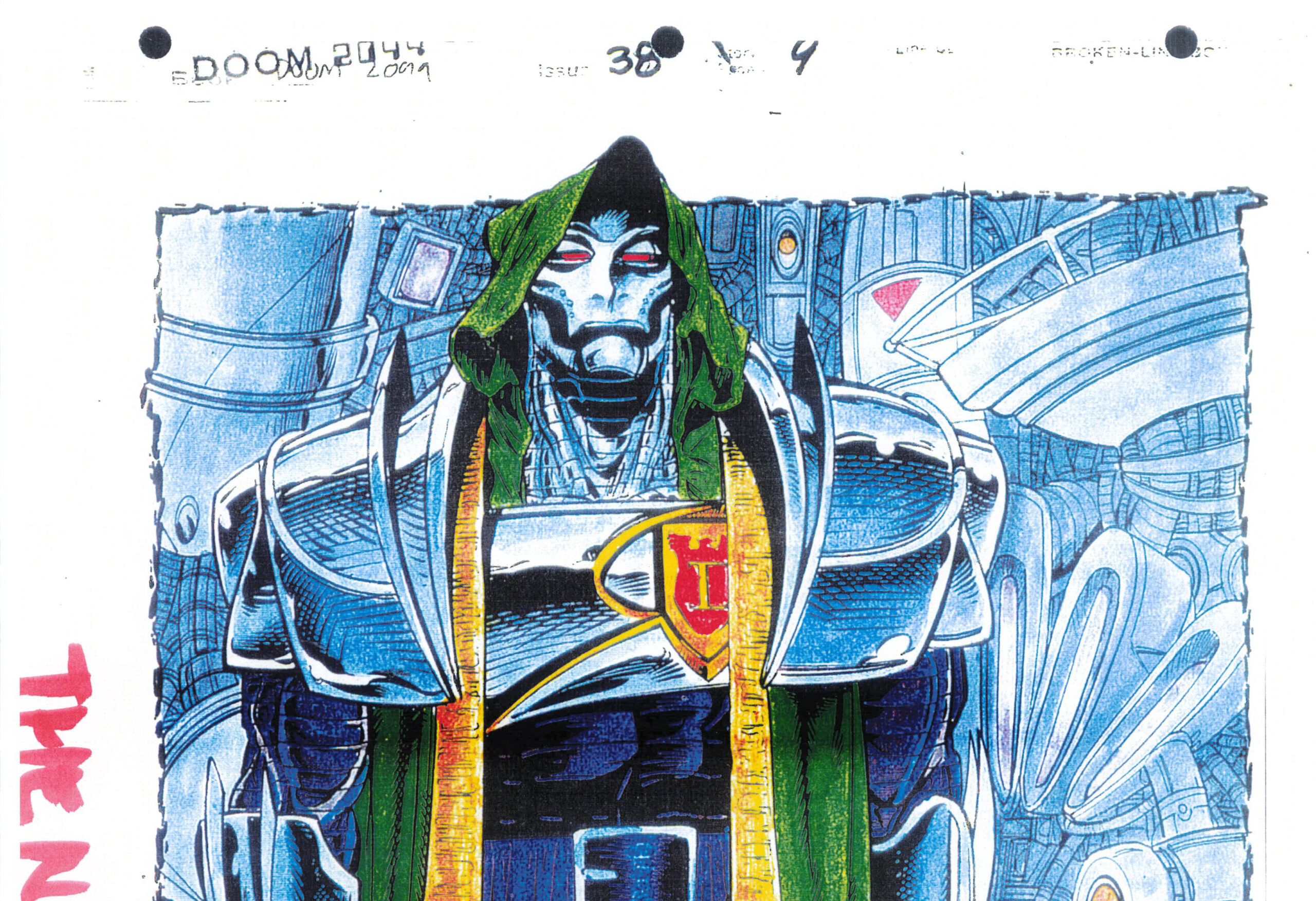
Mark Flitman is recognized for his work on numerous influential titles, often in roles that bridge the gap between creative vision and technical execution. His career has spanned several decades and a variety of platforms, making his archival contributions particularly rich for historical analysis. The DGHL’s previous cataloging of his papers already provided access to a substantial body of work, and these new additions promise to fill in any remaining gaps, offering a more granular understanding of his creative process and impact on the games he helped bring to life. For instance, if Flitman was involved in the design of character models or level layouts, these new materials might include sketches, wireframes, or early 3D models that showcase iterative design decisions. The DGHL’s commitment to rescanning some items at higher quality is crucial for preserving the finer details of these assets, such as subtle textures, intricate linework in concept art, or legible annotations on technical diagrams. This attention to detail ensures that future generations can study these materials with the fidelity they deserve.
Andrew Nelson Collection Enriched with Extensive Design Documents
The Andrew Nelson papers have also seen a substantial enrichment, primarily through the addition of a significant volume of new design documents. These documents are expected to provide an unparalleled look into the conceptualization and planning stages of game development. The DGHL has highlighted several key areas within these new acquisitions, indicating a focus on narrative development, visual storytelling, and overall game structure.
Andrew Nelson’s career is marked by his involvement in projects that often pushed creative boundaries and explored new narrative possibilities in interactive entertainment. The newly added design documents are likely to include storyboards, script excerpts, character backstories, world-building lore, and potentially even early branching narrative trees or gameplay mechanic outlines. For example, the image provided, a storyboard titled "Letter Sequence w/ Flashback," depicts a lost treasure superimposed with a handwritten letter graphic. This specific piece suggests a focus on narrative devices that blend historical elements with personal storytelling, a common technique in games that aim for emotional resonance and immersive world-building. Such storyboards are critical for understanding how visual and narrative elements are conceived and integrated, offering a window into the collaborative process between writers, artists, and designers.
The inclusion of these detailed design documents allows researchers to trace the evolution of game ideas from their nascent stages to more polished concepts. They can reveal the decision-making processes, the exploration of alternative pathways, and the refinement of core mechanics and themes. For game designers, these materials serve as invaluable case studies, demonstrating effective approaches to problem-solving and creative ideation within the complex landscape of game development. The DGHL’s efforts to secure and digitize such materials are paramount in building a comprehensive historical record of interactive media.
The Importance of Archival Preservation in the Digital Age
The ongoing work of institutions like the DGHL is critical in the digital age, where the ephemeral nature of digital content poses unique preservation challenges. Unlike physical artifacts, digital files can become obsolete due to changes in hardware, software, or file formats. Furthermore, the rapid pace of technological advancement means that the tools and platforms used to create games can quickly become inaccessible.
The DGHL’s approach, which involves not only acquiring new materials but also re-digitizing existing ones at higher resolutions, addresses these challenges proactively. Higher-quality scans ensure that details crucial for historical analysis are preserved, preventing loss due to compression or outdated scanning technology. This meticulous approach is vital for materials that often contain intricate artwork, fine print in design documents, or subtle visual cues that might be missed in lower-resolution versions.
The implications of such archival work extend beyond academic research. For game developers, these archives serve as a rich source of inspiration and a historical reference point. Understanding the evolution of design principles, narrative techniques, and technological solutions employed in past games can inform contemporary development practices and foster innovation. For players and fans, these collections offer a deeper appreciation for the artistry and labor involved in creating their favorite interactive experiences, connecting them more directly to the history of the medium.
A Chronology of Digital Archival Expansion
The DGHL’s commitment to expanding its digital library can be viewed as an ongoing process. While specific dates for the initial acquisition and digitization of the Mark Flitman and Andrew Nelson papers are not detailed in the announcement, the recent update signifies a continuation and deepening of these efforts.
- Initial Acquisition and Digitization: At an unspecified prior date, the DGHL first received and processed materials from Mark Flitman and Andrew Nelson, making them accessible to the public. This foundational work laid the groundwork for future enhancements.
- Ongoing Collection Efforts: The DGHL continuously engages with industry professionals and their estates to identify and acquire historically significant materials. This involves outreach, negotiation, and the logistical challenges of handling and preserving physical and digital assets.
- Recent Material Submission: Mark Flitman and Andrew Nelson recently provided additional packages of materials. This submission represents a proactive effort by the donors to ensure their contributions are as complete and high-quality as possible.
- Enhanced Digitization and Cataloging: The DGHL’s team has undertaken the task of integrating these new materials, including rescanning certain items at higher resolutions to improve fidelity. This process involves meticulous cataloging, metadata creation, and quality control to ensure accurate and accessible representation of the archives.
- Public Access and Dissemination: The updated collections are now available through the DGHL’s digital platform, allowing the public to access these historical resources. This ongoing dissemination is a core function of the library, fulfilling its mission of preservation and education.
Supporting Data and Context
The video game industry is one of the largest and fastest-growing entertainment sectors globally. According to Statista, the global games market generated over $220 billion in revenue in 2023, with projections indicating continued growth. This immense economic and cultural impact highlights the importance of preserving its history. However, much of the early development history of video games, particularly the analog design documents, concept art, and early code, exists in fragile physical formats or is at risk of being lost due to the rapid obsolescence of digital media.
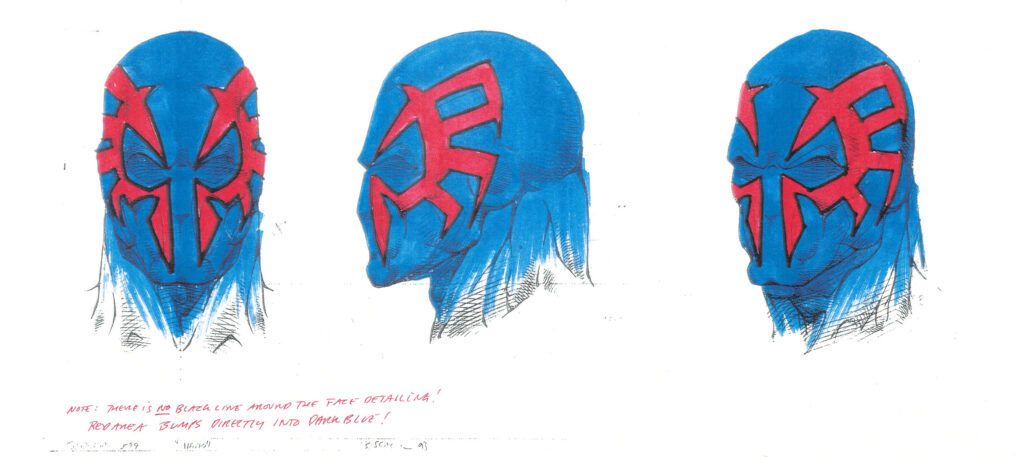
The DGHL’s work directly addresses this challenge. By securing and digitizing these materials, they are not only preserving the artifacts themselves but also making them accessible for study. The Mark Flitman papers and Andrew Nelson papers are examples of how individual contributions form the building blocks of this larger historical narrative. For instance, studies on the evolution of character design in the 1990s could draw heavily from concept sketches and turnaround art provided by individuals like Flitman. Similarly, an analysis of narrative structures in early adventure games might rely on the detailed design documents from developers like Nelson.
The commitment to high-quality scanning is also supported by industry standards for archival digitization. For visual materials, resolutions such as 600 DPI (dots per inch) are often recommended for fine art and detailed documents to capture nuances in line work and color. While the exact specifications used by the DGHL are not detailed, the mention of "higher quality" suggests an adherence to best practices for long-term preservation and detailed study.
Reactions and Broader Impact
While specific official statements from Mark Flitman and Andrew Nelson are not included in the provided text, their continued engagement with the DGHL suggests a strong commitment to the preservation of their professional legacies and the history of game development. Their willingness to share these materials, both initially and through subsequent additions, is a testament to their belief in the importance of the DGHL’s mission.
The broader impact of these archival enhancements is significant. They contribute to a growing body of publicly accessible historical game development materials, which can:
- Inform Academic Research: Scholars studying game design, media history, art history, and cultural studies can access primary source materials that offer new perspectives and enable in-depth analysis.
- Inspire Future Developers: Emerging game designers and artists can learn from the techniques, challenges, and creative solutions employed by pioneers in the field.
- Educate the Public: Enthusiasts and the general public can gain a deeper understanding and appreciation for the complex process of video game creation.
- Facilitate Game Preservation Efforts: The DGHL’s work can serve as a model for other institutions and initiatives aiming to preserve digital and analog game history.
The DGHL’s ongoing efforts to enrich its collections are crucial for ensuring that the history of video games, a significant cultural and technological force, is not only remembered but also understood in its full complexity. The continued support from industry veterans like Mark Flitman and Andrew Nelson is invaluable in this endeavor, building a more complete and accessible digital legacy for generations to come.