Chalid Lutfie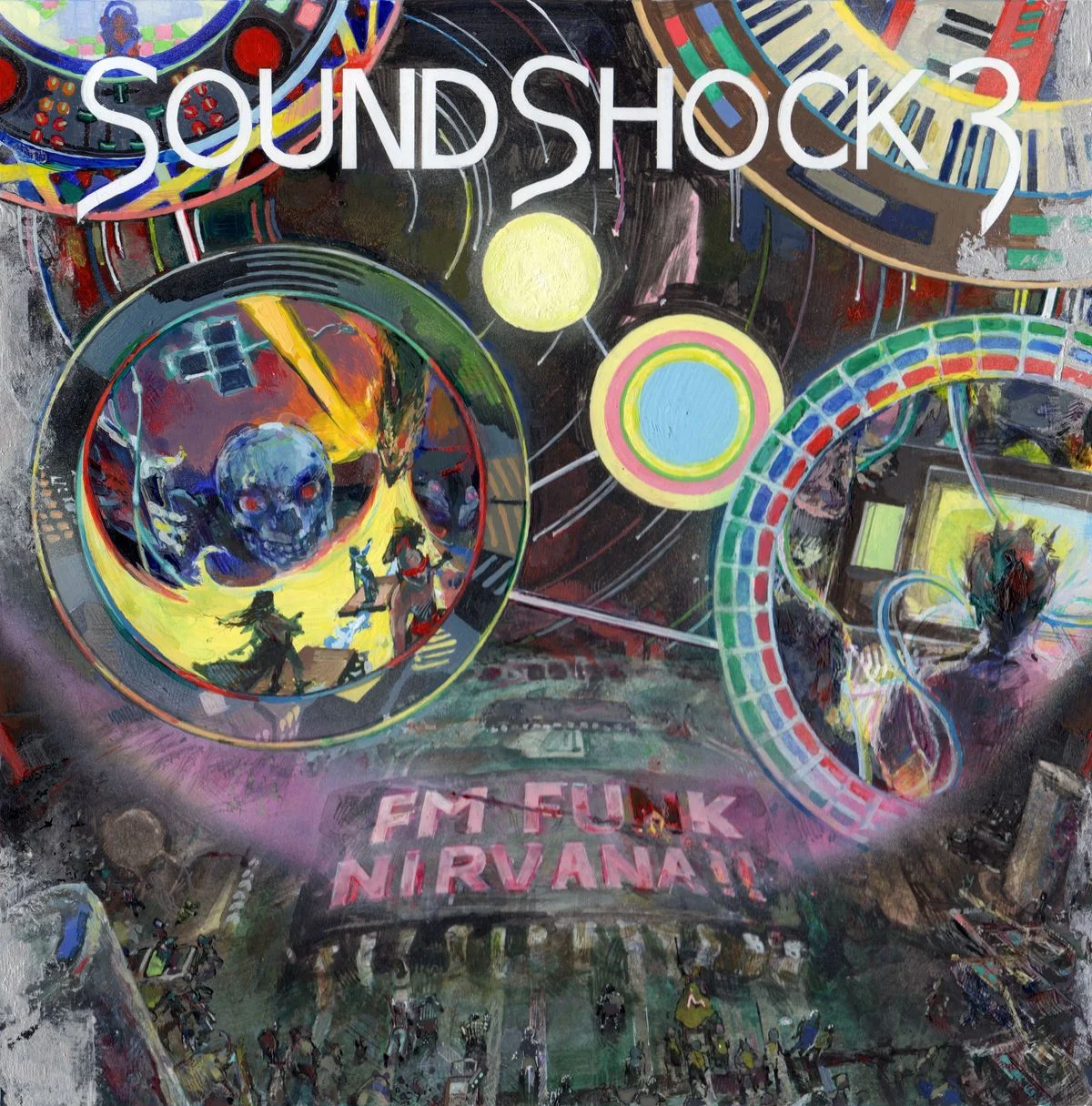
Since its inception in 2010, the SOUNDSHOCK compilation series has transitioned from a niche collaborative project into a cornerstone of the global chiptune and video game music communities, spearheaded by the creative vision of the artist known as zinger and supported by the influential Ubiktune record label. This initiative, which began as a proposal for a solo studio album, evolved into an ambitious effort to bridge the cultural and technical gaps between the Western demoscene and the Japanese computer music landscape. The series focuses primarily on FM synthesis—a method of sound generation that defined the 16-bit era of gaming—and has successfully cultivated a cross-continental network of composers, hardware enthusiasts, and digital archivists. By documenting the intersection of hardware-limited composition and modern production techniques, the SOUNDSHOCK series has provided a definitive platform for exploring the depths of frequency modulation aesthetics.
The Genesis of the SOUNDSHOCK Project: From Solo Ambition to Collaborative Milestone
The origin of the series can be traced back to a pivotal exchange in 2010 between zinger and Dmitry "C-jeff" Zhemkov, the founder of Ubiktune. Initially, C-jeff approached zinger with the intent of producing a solo album for the label. However, zinger, who had spent over fifteen years immersed in the tracker and demo scenes, proposed a different direction. His vision was to create a comprehensive compilation that would celebrate the specific sounds of the Sega Mega Drive and Japanese arcade hardware. This shift from a personal project to a community-focused anthology marked the beginning of what would become a trilogy of influential releases.
Zinger’s motivation was rooted in a lifelong fascination with the aesthetics of 1980s and 1990s video game audio. Influenced by iconic soundtracks such as those from Golden Axe II and Sonic the Hedgehog, his interest expanded from casual gameplay to technical mastery of hardware FM synthesizers. This obsession led to the accumulation of obscure Japanese computer hardware, arcade cabinets, and specialized synthesizers—a collection that reportedly transformed his living space into a functional museum of digital history. This deep technical understanding allowed him to act not only as a composer but also as a curator capable of identifying the subtle nuances that distinguish Western "tracker" music from Japanese "MML" (Music Macro Language) compositions.
Technical Context: The Legacy of FM Synthesis
To understand the significance of the SOUNDSHOCK series, one must examine the technical foundations of FM (Frequency Modulation) synthesis. Popularized in the 1980s by the Yamaha DX7 and later integrated into video game hardware via chips like the YM2612 (found in the Sega Genesis/Mega Drive) and the YM2151 (found in many arcade boards), FM synthesis offered a complex, metallic, and "gritty" sound profile that differed sharply from the simpler pulse-wave sounds of the 8-bit era.
In Japan, FM synthesis became the signature sound of the NEC PC-8801 and PC-9801 computer lines, which hosted a vast library of games with soundtracks that pushed the hardware to its limits. Meanwhile, in Europe and North America, the demoscene—a computer art subculture—was utilizing "trackers" to create complex music on Commodore Amiga and PC hardware. For over two decades, these two worlds remained largely separate due to language barriers and regional hardware exclusivity. The SOUNDSHOCK project was specifically designed to merge these disparate histories, bringing together artists who shared a common aesthetic language despite their different geographical origins.
Bridging the Transpacific Divide: A Cultural Synthesis
One of the most significant achievements of the SOUNDSHOCK series is its role as a cultural conduit. Zinger has noted that during the early stages of his research, communication with Japanese artists was often hindered by language barriers. However, a shared vocabulary of composer names and game titles allowed for a unique form of non-verbal professional respect. This "name-dropping" of niche titles served as a foundation for long-term collaborations with Japanese industry veterans and underground chiptune artists.
The series successfully recruited figures such as Keishi Yonao, a legendary composer known for his work on PC-98 titles and Asuka 120%, and hally (Haruhisa Tanaka), a preeminent researcher and musician in the Japanese chiptune scene. These collaborations revealed a surprising mutual admiration: while Western composers were enamored with the sleek, professional FM soundtracks of Japanese games, Japanese composers like Yonao had long fantasized about the raw, experimental energy of the Western demoscene. By placing artists like the Swedish composer zabutom and the Norwegian artist Metal alongside Japanese counterparts like shogun and Utabi, SOUNDSHOCK 3: FM FUNK NIRVANA!! effectively harmonized these two distinct lineages of electronic music.
Chronology of the SOUNDSHOCK Series
The development of the series followed a trajectory of increasing complexity and international participation:
- 2010: The Conceptual Phase: Zinger and C-jeff formalize the partnership between the creative vision and the Ubiktune label. The focus is set on FM synthesis and the Sega Mega Drive aesthetic.
- 2011–2012: Initial Releases: The first two volumes of SOUNDSHOCK establish the brand, featuring a mix of established demoscene veterans and emerging chiptune artists. These albums serve as a proof-of-concept for the viability of high-fidelity FM synthesis in the modern era.
- 2013–2015: Expansion and Research: Zinger deepens his ties with the Japanese community, learning the language and traveling to engage with the "Game Center" culture of Japan. This period involves intensive curation for the third installment.
- The Release of SOUNDSHOCK 3: FM FUNK NIRVANA!!: The culmination of the series, this volume represents the most diverse roster of talent to date, featuring a high concentration of "FM Funk"—a subgenre that emphasizes the rhythmic and bass-heavy capabilities of the Yamaha sound chips.
Organizational and Production Excellence
The success of the SOUNDSHOCK series is also attributed to a dedicated production team that ensured the high technical standards required for audiophile-grade chiptune music. Key contributors included Tsuyoshi Shimokura and Megus, who provided technical support and composition, and Rufus Blacklock, whose visual design helped define the series’ retro-futuristic brand identity. MmcM, a prominent figure in the Russian tracker scene, also played a vital role in maintaining the technical integrity of the audio files.
C-jeff’s role as the head of Ubiktune cannot be overstated. By providing a professional infrastructure for distribution and promotion, Ubiktune elevated the project from a fan-made compilation to a commercially respected series. The label’s commitment to quality control ensured that each track met a standard that appealed to both casual listeners and hardware purists. Hally’s involvement as a consultant and contributor further validated the project within the Japanese market, ensuring that the series was recognized as an authentic representation of FM synthesis culture.
Broader Impact and Industry Implications
The implications of the SOUNDSHOCK series extend beyond the immediate chiptune community. In the broader context of the music industry, the series has contributed to a "retro-revival" that has seen FM synthesis return to mainstream pop and electronic music. Modern synthesizers and software plugins now frequently emulate the YM2612 chip, a trend that was arguably catalyzed by the archival and creative efforts of projects like SOUNDSHOCK.
Furthermore, the series serves as an important act of digital preservation. By encouraging veteran composers to revisit the hardware of their youth, zinger and Ubiktune have ensured that the techniques used to program these limited chips are not lost to time. The project demonstrates that hardware constraints can be a source of inspiration rather than a limitation, fostering a unique form of creativity that requires deep mathematical and musical knowledge.
Analysis of the FM Funk Aesthetic
The third installment, FM FUNK NIRVANA!!, specifically highlights the "funk" aspect of the FM sound. This is characterized by slap-bass emulations, syncopated rhythms, and bright, percussive leads that were common in early 90s arcade soundtracks. By focusing on this specific sub-genre, the compilation provides a cohesive listening experience that transcends the typical "video game music" label, positioning the tracks as standalone works of contemporary electronic funk.
The inclusion of artists from the "tracker" background—who traditionally used samples—alongside those using pure FM synthesis created a hybrid sound that defines the modern chiptune movement. This synthesis of methods has allowed for a richer, more layered production style that maintains the nostalgic charm of 16-bit audio while meeting the frequency range requirements of modern sound systems.
Conclusion: A Lasting Legacy for Ubiktune
As the SOUNDSHOCK series reaches its current peak with FM FUNK NIRVANA!!, it stands as a testament to the power of community-driven curation. What began as a personal obsession for zinger has resulted in a global network of artists who continue to push the boundaries of what is possible with decades-old technology. The collaboration between Western and Japanese artists has dismantled long-standing barriers, creating a unified front for the appreciation of FM synthesis.
Through the support of C-jeff and the Ubiktune label, the series has provided a blueprint for how niche digital subcultures can organize and present their work to a global audience. The joy expressed by the organizers and contributors reflects a successful realization of a long-term vision: the creation of a "nirvana" for FM synthesis enthusiasts, where the history of the medium is honored through the creation of new, innovative art. The SOUNDSHOCK series remains a vital archive and a vibrant, living contribution to the world of electronic music.