Ganda Hendra Perkasa
The world of video game preservation often grapples with the challenge of forgotten titles, but a recent saga surrounding the 1999 computer game Cookie’s Bustle has highlighted a more insidious threat: copyright trolling. The Video Game History Foundation (VGHF) found itself at the center of this dispute after its efforts to archive and document this unique, genre-defying title were met with a barrage of aggressive Digital Millennium Copyright Act (DMCA) takedown notices. What began as an attempt to preserve a piece of gaming history evolved into a complex investigation into intellectual property claims, revealing a pattern of what appears to be deliberate abuse of copyright law by an individual and a corporate entity.
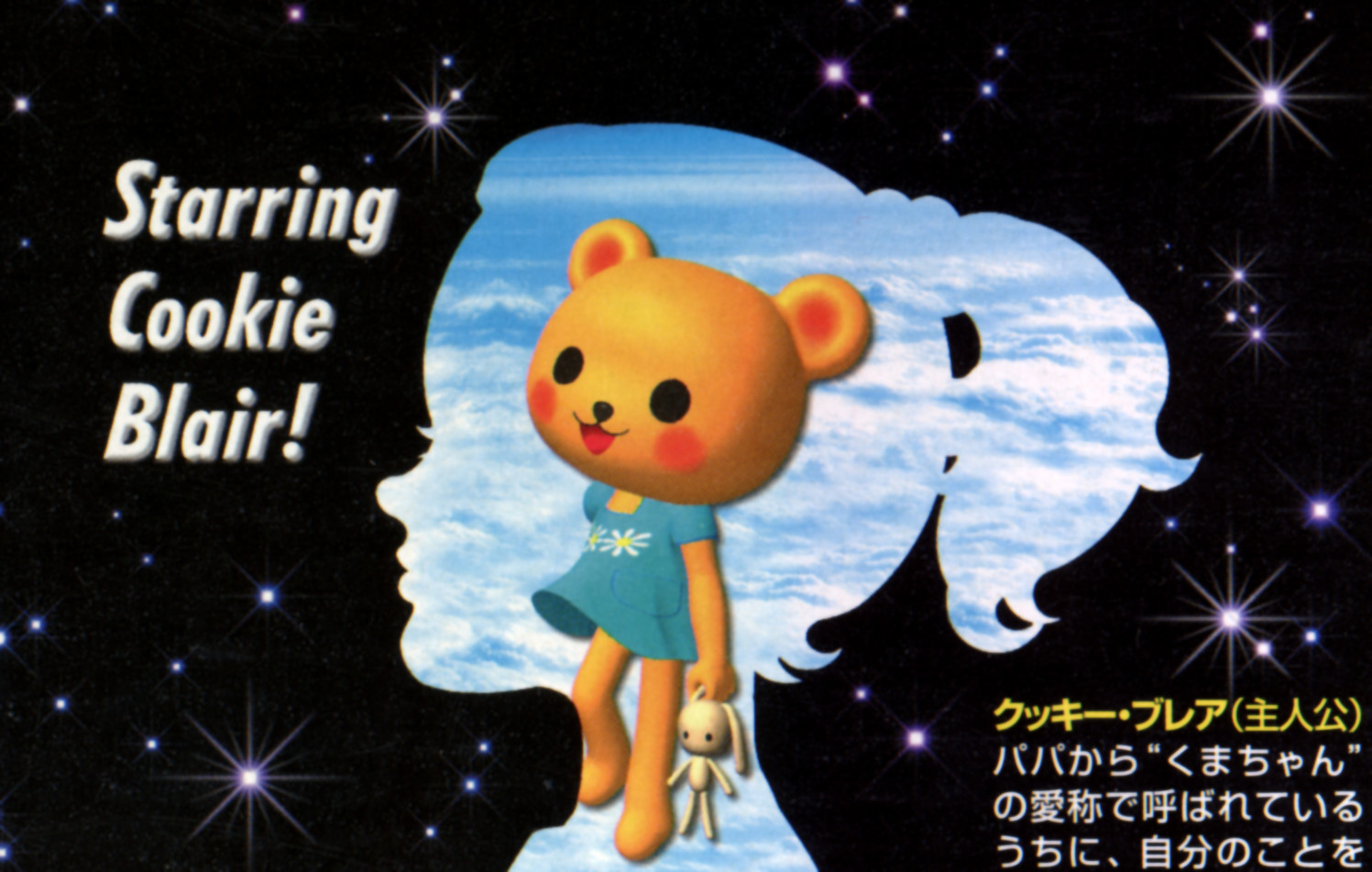
Cookie’s Bustle, developed by Japanese studio RODIK, Inc., has garnered a cult following over the years for its peculiar premise. Players step into the shoes of a five-year-old girl from New Jersey who enters an international sports competition that quickly spirals into a conflict involving civil war and intergalactic intrigue. This unconventional narrative, coupled with its obscurity, made it a prime candidate for preservation by organizations like the VGHF, which received a rare physical copy of the game from multimedia researcher Misty De Méo.
The Preservation Effort and the Rise of Takedowns
In its commitment to making historical video game materials accessible for research, the VGHF meticulously documented the packaging and physical components of Cookie’s Bustle. These materials were uploaded to their digital archive, providing researchers with valuable insight into the game’s presentation. However, due to copyright restrictions, the game itself could not be directly shared. To bridge this gap, the VGHF also provided access to a gameplay demonstration video recorded by a community member.
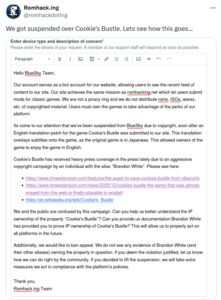
The VGHF’s legitimate archival efforts were soon disrupted by a persistent campaign of DMCA takedown notices originating from an individual identified as Brandon White, operating under the corporate name Graceware, SL. These notices, often channeled through the trade association Ukie (the Association for UK Interactive Entertainment), targeted not only the VGHF’s archival materials but also a wide array of content created by other individuals and websites. Since 2022, a significant number of creators have reported receiving what are described as "frivolous takedown requests" on behalf of Graceware. These requests have encompassed everything from "Let’s Play" videos and fan art to mere mentions of the game’s title, suggesting a broad and indiscriminate approach to copyright enforcement.
Unraveling the Claims: The Case of Brandon White and Graceware, SL
The VGHF, with the assistance of their legal counsel, Albert Sellars LLP, launched an investigation into the validity of these claims. Their findings raised significant doubts about Brandon White’s asserted ownership of Cookie’s Bustle. Crucially, White and Graceware, SL have consistently failed to produce any legally meaningful evidence demonstrating actual ownership of enforceable rights to the game.
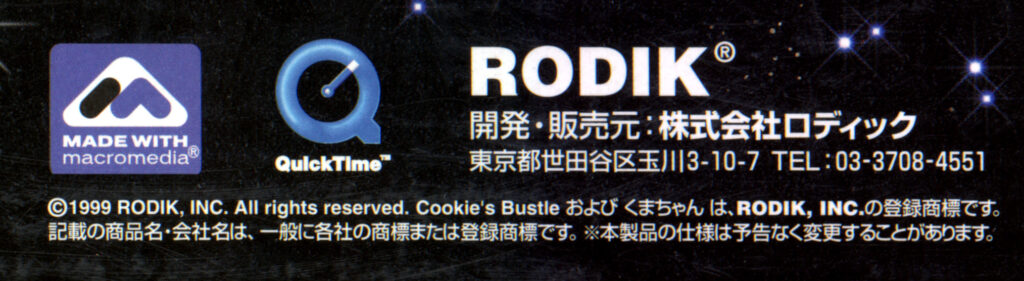
The game was originally published in 1999 by RODIK, Inc., with copyright attributed to the company. To the VGHF’s knowledge, Cookie’s Bustle has been out of print since its initial release and was copyrighted solely in Japan. The current status of RODIK, Inc. and the ownership of its intellectual property rights remain unclear, leading to the classification of Cookie’s Bustle as an "orphan work" – a copyrighted work whose owner is unknown or cannot be located.
Brandon White began asserting intellectual property rights over Cookie’s Bustle in 2021, filing trademark registrations and claiming copyright ownership. These claims were made both personally and through the corporate entity Graceware, SL. While no explicit connection between White and Graceware has been officially established, takedown notices issued on behalf of Graceware cite Brandon White as the copyright owner. Investigations into Brandon White’s identity and whereabouts have yielded little concrete information, with conflicting details suggesting a base in Japan for White and a non-specific, potentially fictitious address in Andorra for Graceware, SL. Graceware, as an entity, appears to have no significant online or offline presence and has not, to the VGHF’s knowledge, ever offered products or services. This suggests Graceware is likely a shell company used by Brandon White.
The VGHF expresses skepticism regarding the likelihood that the original rights holders of RODIK, Inc., a studio known for fortune-telling software, would transfer their library to an obscure holding company with a dubious operational history. The core of Graceware’s output has been a relentless stream of DMCA takedown notices concerning Cookie’s Bustle. These notices, issued under Section 512 of the DMCA, have been characterized by their volume and indiscriminate nature, targeting content that would ordinarily fall under fair use, such as gameplay footage and fan creations.
The Flawed Foundations of Ownership Claims
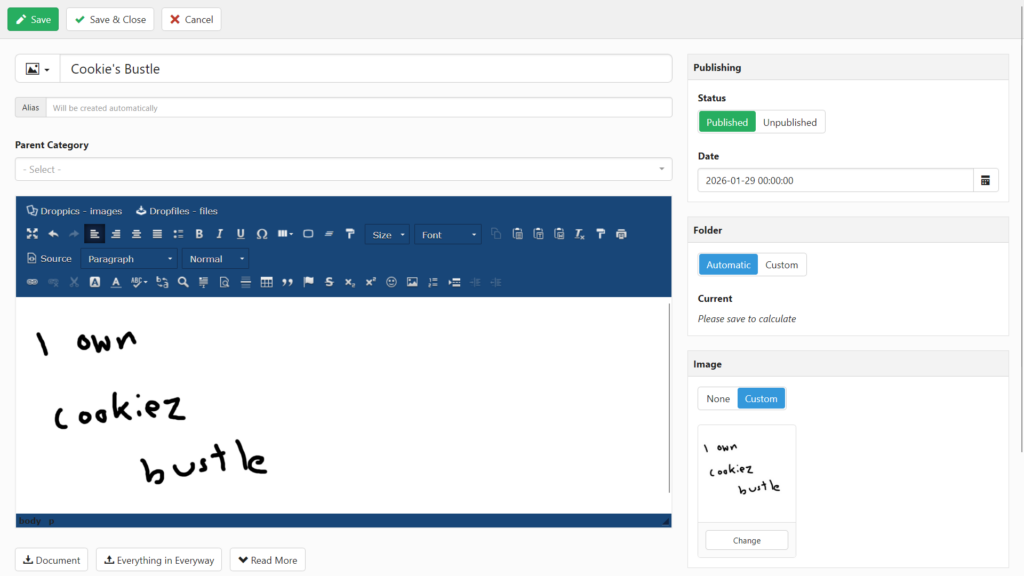
A central pillar of Graceware’s takedown strategy has been a series of "registrations" filed by Brandon White through INTEROCO, a German private company that markets itself as a "full-automated electronic depository." These INTEROCO filings, made in 2021, purportedly claim ownership of various aspects of Cookie’s Bustle, including its source code, game concept, and character designs.
However, the VGHF, in consultation with legal experts, has thoroughly debunked the legitimacy of these INTEROCO filings. Copyright protection, under international treaties like the Berne Convention, exists from the moment a work is created. While copyright registration can offer additional legal benefits, such as the ability to file infringement lawsuits in some jurisdictions, it is not a prerequisite for owning copyright. INTEROCO, being a private entity and not a governmental body like the U.S. Copyright Office, offers no legally binding copyright registration. The VGHF likens INTEROCO’s service to mailing a letter to oneself for a postmark, emphasizing that depositing a copy of an already-published work with INTEROCO does not confer ownership. Their investigation into INTEROCO revealed a lack of oversight and a suspicious pricing structure for actual services, further undermining its credibility.
Furthermore, Graceware, SL has pursued trademark applications in the United States for the name "Cookie’s Bustle" for a variety of products. However, these applications were filed under an "intent to use" basis, meaning the mark was not yet in active commerce. Such applications are considered "pending" and do not grant exclusive rights until the mark is genuinely used in the marketplace. Graceware has repeatedly sought extensions to prove usage, suggesting they have not yet met the criteria for registration. Critically, trademark rights are distinct from copyright. Even if Graceware were to secure these trademarks, it would not grant them ownership of the game’s copyright, especially since the original trademark for "Cookie’s Bustle" by RODIK, Inc. expired in 2001.
Exploiting the DMCA Process: A Pattern of Abuse
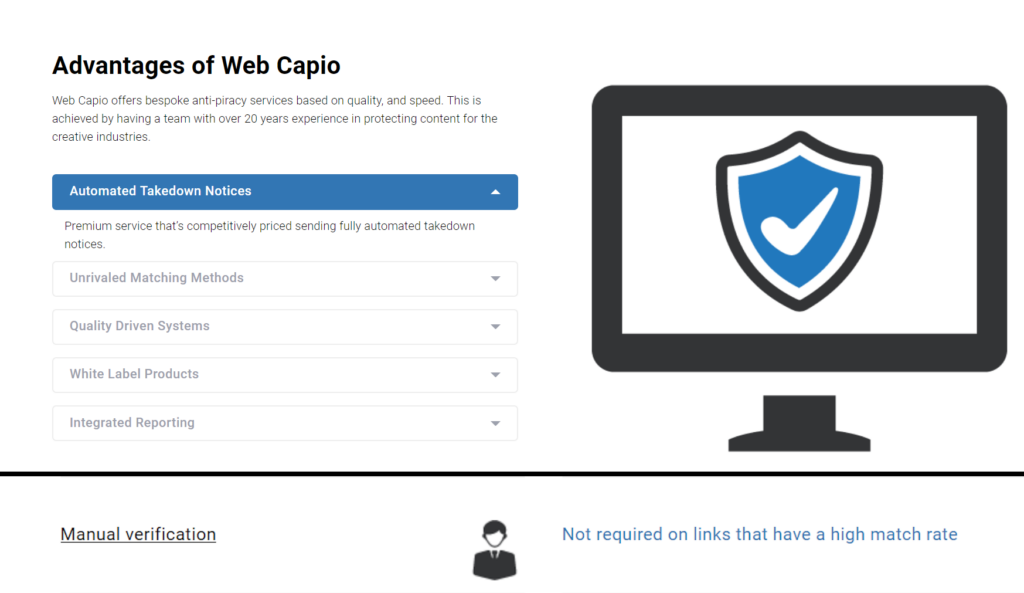
The VGHF’s analysis reveals a deliberate strategy by Brandon White to exploit the DMCA process through low-cost, easily accessible services. Graceware’s takedown notices were often facilitated by Ukie, the UK’s largest video game trade organization, which offers its members free DMCA takedown services. This service is managed by Ukie’s IP coordinator, Mumith (Mo) Ali, and his IP management company, Web Capio (now operating as Obviously).
The barrier to entry for Ukie membership is relatively low, allowing companies like Graceware to leverage these services. Peculiarities in Graceware’s Ukie membership, including a misspelling in the directory and a defunct website, further raise questions about its legitimacy.
A significant concern highlighted by the VGHF is Web Capio’s advertised use of "automated takedown notices." Their marketing materials indicate that a substantial portion of their takedowns do not require manual verification by a human. This automated approach allows for the rapid, large-scale dissemination of takedown requests, potentially without adequate scrutiny of their validity. This system appears to have been instrumental in the wave of spurious takedowns targeting Cookie’s Bustle, as well as other content. Web Capio’s process has also been observed to target platforms’ web hosts rather than the content creators directly, a tactic designed to exploit the DMCA’s safe harbor provisions, where platforms are incentivized to remove content preemptively to avoid liability.

The Turning Point: Ukie’s Intervention
The VGHF’s persistent efforts to challenge Graceware’s claims, including direct communication with Mumith Ali and Ukie CEO Nick Poole, eventually led to a significant development. When pressed for evidence of ownership, Graceware, through Ali, repeatedly cited the INTEROCO filings. However, when directly asked by the VGHF’s counsel to clarify the relationship between Brandon White’s 2021 INTEROCO "registrations" and the original 1999 publication of Cookie’s Bustle, Graceware failed to provide a response.
This lack of substantiation, coupled with the VGHF’s detailed presentation of their findings, prompted Ukie to re-evaluate Graceware’s standing. Following these discussions, Ukie announced it had suspended DMCA takedown services for Graceware, SL. This action effectively curtails Graceware’s ability to issue widespread, automated takedown notices through a reputable trade organization, marking a significant victory for the VGHF and the broader gaming community.
Implications and the Future of Orphan Works
The suspension of Ukie’s services for Graceware means that Cookie’s Bustle has, in practice, been freed from the immediate threat of copyright troll interference. While the true owner of the game remains unknown, classifying it as an orphan work, its copyright remains in effect. This situation, however, highlights the vulnerability of orphan works in the digital age. The VGHF’s 2023 survey revealed that an estimated half of game and software titles released before 1995 are now considered orphan works due to poor ownership documentation. This presents fertile ground for bad actors seeking to manipulate intellectual property claims and obstruct historical research.

The immediate implication of Ukie’s decision is that fair uses of Cookie’s Bustle, such as gameplay clips, streams, and documentary content, should now be able to exist online without the fear of automated takedowns. While previously removed content may not be restored, future creations and re-uploads are expected to be free from this specific avenue of interference.
Despite this victory, underlying issues persist. The INTEROCO platform continues to offer misleading copyright registration services, and automated takedown systems, like those previously employed by Web Capio, remain a potential vector for abuse. The VGHF acknowledges that Graceware could potentially seek alternative representation for their takedown efforts, though likely with less efficacy. The organization also notes that Graceware’s pending trademark applications, while currently unenforceable, remain on record.
The VGHF emphasizes the importance of creators understanding their rights and encourages those who receive spurious takedowns from Graceware to push back, referencing the detailed findings presented in their report. They believe that by publicly documenting such abuses, it becomes more difficult for bad actors to operate with impunity.
A Broader Fight for Game Preservation
The VGHF views the Cookie’s Bustle case as more than just an isolated incident. It represents a critical front in the broader fight to preserve video game history. The organization’s extensive research has shown that video games, often treated as disposable entertainment, are particularly susceptible to becoming orphan works. This makes them prime targets for those who seek to obscure historical records, sow disinformation about ownership, and impede the work of historians, documentarians, and archivists.
By standing against what they describe as copyright trolling, the VGHF aims to defend the legal right to document out-of-print and orphan games, ensuring that the cultural and artistic legacy of video games can be studied and appreciated for generations to come. They have not complied with Graceware’s spurious DMCA notices and have maintained the integrity of their digital archive, refusing to remove any material related to Cookie’s Bustle. The #CookieFreed hashtag has emerged as a symbol of this successful campaign, marking a moment of triumph for fair use and the crucial work of game preservation.