Johny Imanuel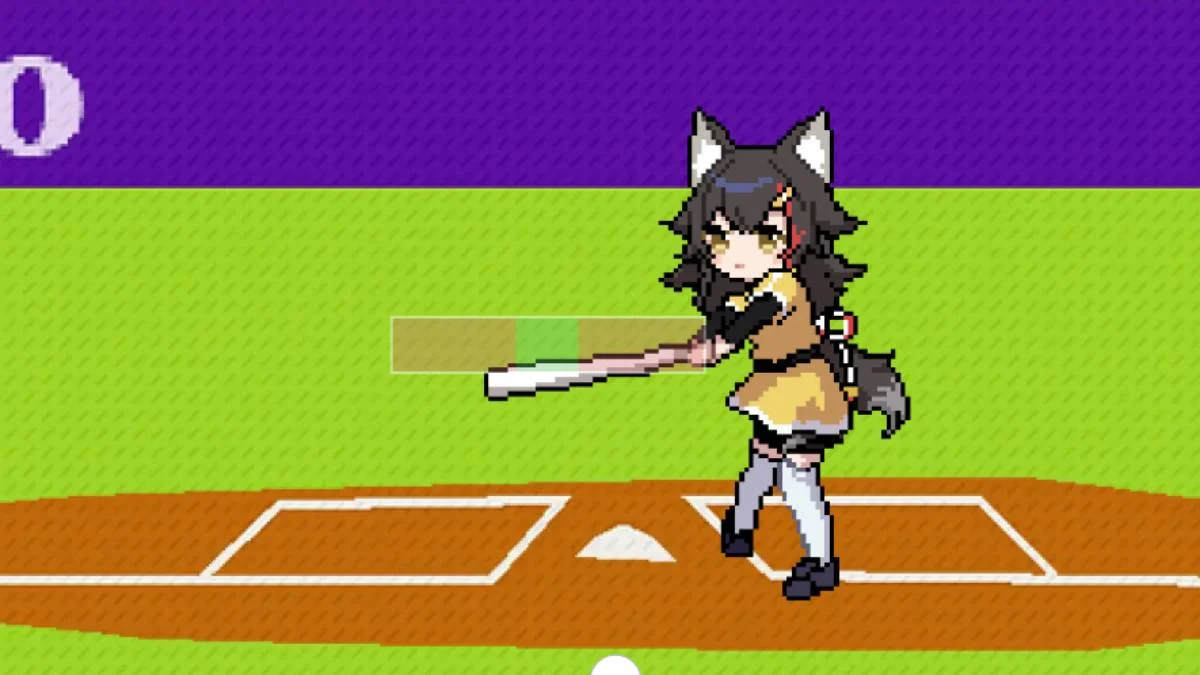
The release represents a significant intersection of retro gaming intellectual property and modern digital entertainment, leveraging City Connection’s extensive library of Jaleco-originated titles to provide a nostalgic yet fresh experience for the Hololive fanbase. Accessible via both desktop and mobile browsers, the game is part of the "Holo Indie" initiative, a branch of Cover Corp dedicated to supporting and publishing fan-derivative works and experimental collaborations.
A Modern Homage to 8-Bit Sports History
The choice of Moero: Pro Yakyuu as the foundation for this project is a calculated nod to Japanese gaming history. Originally released by Jaleco in 1987, the game was a pioneer in the sports genre, featuring a unique "behind-the-pitcher" perspective and digitized voice samples that were revolutionary for the 8-bit era. By partnering with City Connection—the current rights holder of the Jaleco catalog—Cover Corp has ensured that Moero: Holo Yakyuu maintains an authentic retro aesthetic, complete with pixel art that mirrors the limitations and charms of the 1980s.
The collaboration involves three primary entities: Cover Corp provides the intellectual property and character designs; City Connection provides the mechanical framework and IP rights to the Moero series; and Clover Lab handles the technical implementation for browser compatibility. This tripartite arrangement highlights the increasing complexity and professionalization of what were once considered simple "April Fools’ jokes" in the tech industry.
Gameplay Mechanics and Character Integration
Moero: Holo Yakyuu is designed as a streamlined "Home Run Derby" experience, focusing on timing and precision rather than full-team management. The game features prominent members of the "Hololive Gamers" unit, a sub-group within the agency known for their focus on competitive and casual gaming content.
Core Game Modes
The title offers players three distinct modes of play, each catering to different levels of challenge and engagement:
- Standard Mode: Players take control of Ookami Mio as the batter, facing off against Shirakami Fubuki as the pitcher. In this mode, players are given 20 opportunities to hit as many home runs as possible. The mechanics are simplified for browser play; on a PC, the mouse is used to adjust the batter’s position within the box, while a left-click executes the swing.
- Bunt Mode: This mode introduces a humorous twist on traditional baseball mechanics. The batter, Ookami Mio, is locked into a "bunt" stance. Despite the defensive nature of the position, the goal remains to hit home runs. This mode likely references the "glitch" or "impossible feat" culture surrounding retro sports games, where unintended mechanics often became legendary among players.
- Endless Mode: For those seeking high-score dominance, the Endless Mode removes the 20-try limit, allowing players to continue hitting until they fail to maintain a specific performance threshold.
While Ookami Mio and Shirakami Fubuki serve as the primary active participants, other members of the Hololive Gamers unit, specifically Inugami Korone and Nekomata Okayu, are featured prominently in the game’s promotional art and website assets. Their presence suggests a broader thematic celebration of the Gamers unit, which has been a cornerstone of Hololive’s identity since its inception.
The Evolution of the Holo Indie Label
The launch of Moero: Holo Yakyuu follows a growing trend of official support for VTuber-themed gaming projects. Previously, the title Koro-san’s Home Wan Derby—developed by To You Games and Wit One—gained traction on the Steam platform. That title drew heavy inspiration from the infamous Winnie the Pooh’s Home Run Derby flash game, known for its deceptive difficulty.
The "Holo Indie" label was established to streamline the legalities of fan-made games, allowing creators to monetize their work while ensuring Cover Corp maintains oversight of its characters. Moero: Holo Yakyuu differs slightly in that it is a high-profile collaboration involving an established IP holder like City Connection, suggesting that Cover Corp is looking to bridge the gap between independent fan projects and professional industrial partnerships.
Chronology of Hololive Seasonal Engagements
Cover Corp has a long-standing history of utilizing April 1 as a launchpad for high-effort, temporary projects that often transition into permanent cultural fixtures within their community.
- 2023-2024: The agency experimented with high-production-value "alternative universe" trailers and temporary website overhauls that reimagined the VTubers in horror or high-fantasy settings.
- 2025: Speculative reports from the previous year noted an increase in browser-based mini-games designed to drive traffic to the official Hololive portal.
- 2026: The release of Moero: Holo Yakyuu marks a pivot toward licensed IP collaborations, moving beyond internal parodies to external industry partnerships.
The longevity of these projects varies. While many April Fools’ releases are retired within 24 to 48 hours, the infrastructure provided by the "Holo Indie" ecosystem has allowed several previous titles to remain playable via archived sites or eventual Steam releases. As of the current reporting, it is unclear how long the Moero: Holo Yakyuu servers will remain active, though the official site currently hosts a global leaderboard, suggesting at least a short-term competitive window.
Technical Infrastructure and Accessibility
By opting for a browser-based deployment, Clover Lab has maximized the game’s reach. The title utilizes HTML5 and WebGL technologies to ensure that the 8-bit graphics and sound effects are replicated accurately across various hardware configurations. This approach bypasses the need for traditional app store approvals for a temporary event and allows for instantaneous access via social media links.
The mobile version of the game adapts the PC mouse controls to touch-screen inputs, with a virtual joystick for positioning and a dedicated button for swinging. This cross-platform accessibility is a key component of Hololive’s digital strategy, as a significant portion of their global audience consumes content via mobile devices.
Broader Implications for the VTuber Gaming Landscape
The collaboration between City Connection and Cover Corp indicates a maturing market for VTuber-related software. No longer limited to simple mobile "gacha" games or visual novels, the agency is exploring the "neostalgia" market—appealing to older gamers who remember the Famicom era while introducing those classic aesthetics to a younger generation of VTuber fans.
From a business perspective, this move allows City Connection to revitalize its dormant IPs. By placing Moero: Pro Yakyuu mechanics in front of the millions of subscribers associated with Shirakami Fubuki and Ookami Mio, City Connection gains significant brand exposure. Conversely, Cover Corp benefits from the legitimacy of working with an established gaming veteran, further distancing its "Holo Indie" brand from the "amateur" connotations often associated with fan-made content.
Official Responses and Community Reception
Initial reactions from the Hololive community have been overwhelmingly positive, with the game’s official website experiencing high traffic volumes within the first hour of the announcement. While official statements from Cover Corp have framed the release as a "special gift for the fans," industry analysts view this as a sophisticated test of browser-based engagement metrics.
Members of the Hololive Gamers unit have expressed their enthusiasm through social media and scheduled "playthrough" streams. Shirakami Fubuki, known for her deep appreciation of retro gaming culture, noted in a brief social media post that the "crunchy" sound effects and the specific physics of the swing were "exactly like the classic era."
Conclusion
Moero: Holo Yakyuu stands as a testament to the evolving nature of digital marketing and the growing synergy between legacy gaming companies and modern talent agencies. By combining the historical weight of City Connection’s Jaleco library with the massive cultural reach of Hololive, the project transcends the typical "April Fools’" prank to become a functional piece of digital history. As the lines between fan content and professional development continue to blur under the Holo Indie banner, titles like this provide a blueprint for how intellectual property can be shared and celebrated across different eras of technology.