Hartono Sudibyo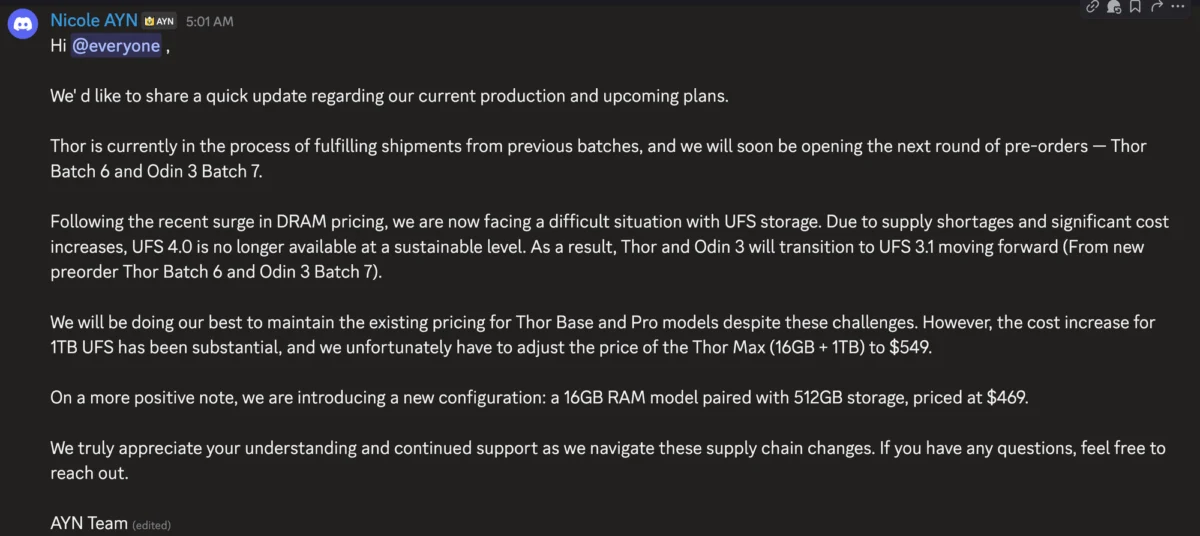
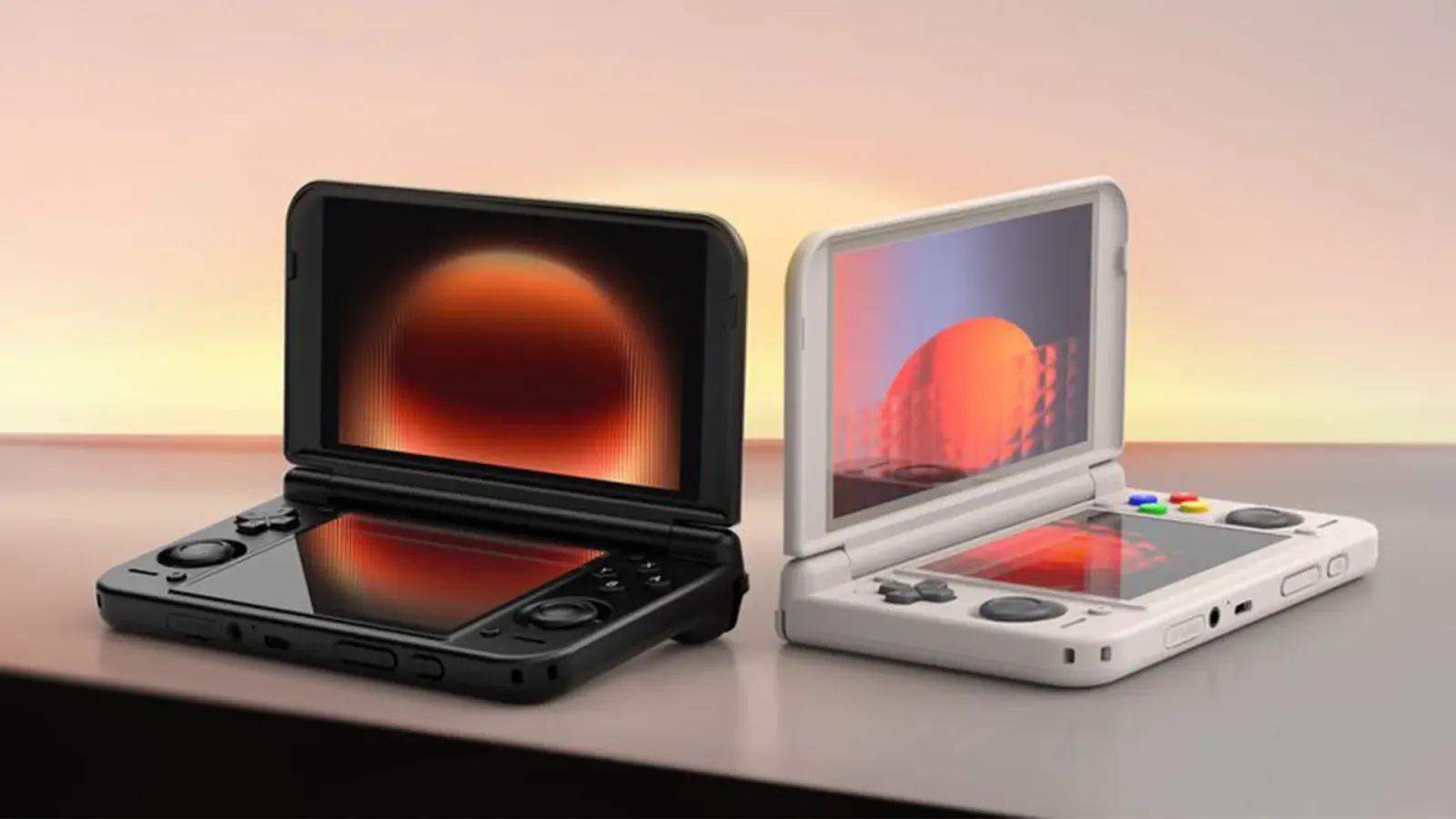
The burgeoning market for retro gaming handhelds, a sector experiencing remarkable growth and innovation, is not immune to the pervasive global supply chain disruptions. AYN, a prominent manufacturer in this space, has announced a significant price adjustment for its highly acclaimed Thor Max (16GB/1TB) handheld, a move attributed to escalating component costs that are impacting numerous industries worldwide. This price increase, coupled with a technical concession on storage technology for other Thor and Odin models, signals the tangible effects of current economic pressures on consumer electronics.
The Thor Max Price Adjustment: A Necessary Evil in a Volatile Market
The Thor Max, a device that has garnered considerable attention and popularity among retro gaming enthusiasts for its powerful performance and versatile capabilities, is now subject to a price hike. The specific configuration in question, featuring 16GB of RAM and a substantial 1TB of internal storage, has seen its retail price ascend from $449 to $549. This represents a price increase of approximately 19.6%, a considerable jump that will undoubtedly be felt by prospective buyers.
This adjustment is not an isolated incident within the handheld gaming sphere. Fellow manufacturers have also been compelled to re-evaluate their pricing strategies in response to the same underlying economic forces. Retroid, another significant player, has previously increased the prices of its products, including its popular Pocket 6 model. Similarly, AYANEO, a company known for its premium handheld PCs, has also signaled upcoming price adjustments for its Pocket Vert and S Mini handhelds. These parallel actions underscore the widespread nature of the challenge facing these specialized electronics manufacturers.
Behind the Price Hike: The Unseen Impact of Component Costs
The primary driver behind these price increases, as articulated by AYN and observed across the industry, is the escalating cost of essential electronic components. The global semiconductor shortage, exacerbated by factors such as increased demand, geopolitical tensions, and logistical bottlenecks, has created a ripple effect across the entire technology landscape. Manufacturers are contending with higher procurement costs for everything from processors and memory chips to display panels and storage solutions.
The Thor Max’s price increase specifically reflects the heightened expense associated with its high-capacity 1TB storage solution. As the demand for larger storage capacities in mobile and portable devices continues to grow, the availability and cost of such components become increasingly sensitive to market fluctuations. The decision by AYN to absorb some of these costs initially, and now to pass on a portion to consumers, highlights the difficult balancing act manufacturers must perform to maintain product quality while remaining competitive.
A Technical Concession: The Shift to UFS 3.1 for Thor and Odin Models
Beyond the Thor Max’s price adjustment, AYN has also outlined a significant technical alteration for its Lite and Pro models of the Thor, as well as for the Odin 3 handhelds. To mitigate the impact of rising costs and component availability issues, these devices will transition from UFS 4.0 storage to UFS 3.1.
This shift, while potentially unseen by the average user in day-to-day gameplay, represents a technical "downgrade" in terms of raw data transfer speeds. UFS 4.0, the latest generation of Universal Flash Storage, offers superior read and write speeds compared to its predecessor, UFS 3.1. This typically translates to faster application loading times, quicker file transfers, and more responsive system performance.

AYN’s official statement, communicated via their Discord server, explains the rationale: "UFS 4.0 is no longer available at a sustainable level. As a result, Thor and Odin 3 will transition to UFS 3.1 moving forward (From new preorder Thor Batch 6 and Odin 3 Batch 7)." This indicates that the decision is driven by both sustainability of supply and cost-effectiveness, becoming effective from specific production batches. While AYN emphasizes that this change "won’t affect gameplay much, or at all," the acknowledgment of it being a technical concession is important for informed consumers.
Timeline of Price Adjustments and Model Changes
The recent price adjustment for the Thor Max is the latest in a series of market responses to the ongoing component cost challenges.
- Late 2023 – Early 2024: Initial reports and industry analyses began to highlight the increasing strain on global semiconductor supply chains, with some manufacturers quietly beginning to absorb rising costs.
- Mid-2024: Several companies, including Retroid and AYANEO, publicly announced or implemented price increases for select models, signaling a broader industry trend.
- April 2026 (as per article update): AYN formally announces the price increase for the Thor Max (16GB/1TB) and the planned transition of other Thor and Odin models to UFS 3.1 storage, citing unsustainable UFS 4.0 availability and cost. This update suggests a continuous evolution of the supply chain challenges and AYN’s strategic responses.
The staggered implementation of these changes, with specific batch numbers indicated for the UFS transition, allows consumers to be aware of what they are purchasing and when potential revisions in hardware specifications will occur.
A New Configuration to Ease the Burden
Recognizing that the price increase may be a deterrent for some enthusiasts, AYN is also introducing a new model configuration aimed at providing a more accessible entry point into the Thor ecosystem. A forthcoming model featuring 16GB of RAM and 512GB of storage will be available for pre-order in the next batch. This offers a compromise, providing the robust performance of 16GB RAM while opting for a more cost-effective and readily available storage capacity. This strategic introduction of a mid-tier option demonstrates AYN’s commitment to catering to a wider range of consumer budgets and preferences, even amidst market pressures.
Broader Industry Implications and Future Outlook
The price adjustments and technical concessions by AYN, alongside similar actions from competitors, serve as a stark reminder of the interconnectedness of the global economy and the electronics manufacturing sector. The retro gaming handheld market, though niche, is intrinsically linked to the broader trends in consumer electronics production.
Analysis of Implications:
- Consumer Affordability: The most direct implication is on consumer affordability. Higher prices may lead some potential buyers to delay their purchases, seek out older or less powerful models, or explore alternative entertainment options.
- Market Segmentation: The introduction of a new, more affordable configuration (512GB) suggests AYN’s strategy to maintain market share by catering to different price points. This could lead to further segmentation within the retro handheld market.
- Technological Trade-offs: The move to UFS 3.1 highlights the compromises manufacturers are forced to make. While the impact on gameplay might be minimal, it sets a precedent for potential future trade-offs where performance or features are scaled back to ensure product availability and profitability.
- Innovation Pace: Persistent supply chain issues and rising costs can potentially slow down the pace of innovation. Resources that might otherwise be directed towards developing new technologies or more advanced features may need to be allocated to managing existing production challenges.
- Resilience of the Market: Despite these challenges, the continued demand for retro gaming handhelds suggests a resilient market. Enthusiasts are often willing to invest in devices that offer unique experiences and a sense of nostalgia, even if it means navigating price fluctuations or minor technical concessions.
The current economic climate presents a significant challenge for manufacturers like AYN. Their proactive communication and strategic adjustments, including price increases, the adoption of UFS 3.1, and the introduction of a new storage configuration, demonstrate an effort to navigate these turbulent waters. As the global supply chain continues to evolve, consumers in the retro gaming handheld market can expect ongoing adaptation from manufacturers, with a constant interplay between technological advancement, cost management, and consumer demand. The industry’s ability to weather these storms will ultimately depend on its agility and its commitment to delivering value to its dedicated fanbase.