Cecilia Chamidah Nur
Atari, a prominent name in the video game industry, has officially announced its acquisition of the complete and exclusive rights to the first five Wizardry games and their underlying intellectual property (IP). This significant move encompasses Wizardry: Proving Grounds of the Mad Overlord (1981), Wizardry II: The Knight of Diamonds (1982), Wizardry III: Legacy of Llylgamyn (1983), Wizardry IV: The Return of Werdna (1987), and Wizardry V: Heart of the Maelstrom (1988). The acquisition underscores Atari’s strategic focus on revitalizing classic gaming franchises, particularly those with deep historical significance and enduring cultural impact. However, this development arrives with an important clarification regarding the broader Wizardry IP, as the Japanese company Drecom retains ownership of rights to later titles in the series and, critically, the global Wizardry trademark itself.
The Enduring Legacy of Wizardry: A Genre-Defining Saga
The Wizardry series holds a revered place in the annals of video game history, widely recognized as one of the most influential role-playing game (RPG) franchises of all time. The original Wizardry: Proving Grounds of the Mad Overlord, released in 1981, emerged during the nascent stages of the video game industry, primarily designed and created by the visionary duo Robert Woodhead and Andrew C. Greenberg for the publisher Sir-Tech. This pioneering title, alongside its contemporary competitor Ultima, laid much of the groundwork for the modern RPG genre, establishing conventions that would be emulated and iterated upon for decades.
Wizardry‘s impact was particularly profound in Japan, where it became a foundational inspiration for many of the country’s most celebrated game creators. Yuji Horii, the mastermind behind the iconic Dragon Quest series, and Hironobu Sakaguchi, the visionary creator of Final Fantasy, have both cited Wizardry as a significant influence on their work. The first-person dungeon crawling perspective, party-based combat, character progression systems, and challenging difficulty that characterized Wizardry resonated deeply with Japanese developers, leading to a proliferation of similar titles and contributing to the unique evolution of the JRPG genre. Over its extensive lifespan, the original Wizardry and its early sequels have been ported and remade for numerous platforms, a testament to their timeless design and lasting appeal.
Atari’s Strategic Re-engagement with Classic IP
Atari’s acquisition of these foundational Wizardry titles is not an isolated event but rather part of a broader corporate strategy to leverage its rich heritage and the enduring appeal of classic intellectual property. The company has been actively involved in bringing Wizardry back into the modern gaming consciousness, most notably through the critically acclaimed 2024 remake of Wizardry: Proving Grounds of the Mad Overlord. This modern iteration, developed by the Atari-owned studio Digital Eclipse, meticulously rebuilt the original game while introducing a host of contemporary enhancements. These improvements include a new, Grammy Award-winning musical score by Winifred Phillips, significantly improved 3D visuals that retain the original’s aesthetic spirit, and numerous quality-of-life features designed to smooth the experience for contemporary players without sacrificing the game’s challenging core. The success and positive reception of this remake likely served as a strong indicator for Atari regarding the viability and demand for the classic Wizardry experience, paving the way for the current full IP acquisition.
Unpacking the Acquisition: What Atari Now Controls
With this acquisition, Atari now possesses "the complete and exclusive rights to the first five Wizardry games and their underlying IP." This means Atari has full control over the specific codebases, assets, narratives, characters, and unique gameplay mechanics that define Wizardry: Proving Grounds of the Mad Overlord, Wizardry II: The Knight of Diamonds, Wizardry III: Legacy of Llylgamyn, Wizardry IV: The Return of Werdna, and Wizardry V: Heart of the Maelstrom. This includes the ability to republish, remaster, remake, and create new derivative works based directly on these specific titles without needing to license the core IP elements from a third party.
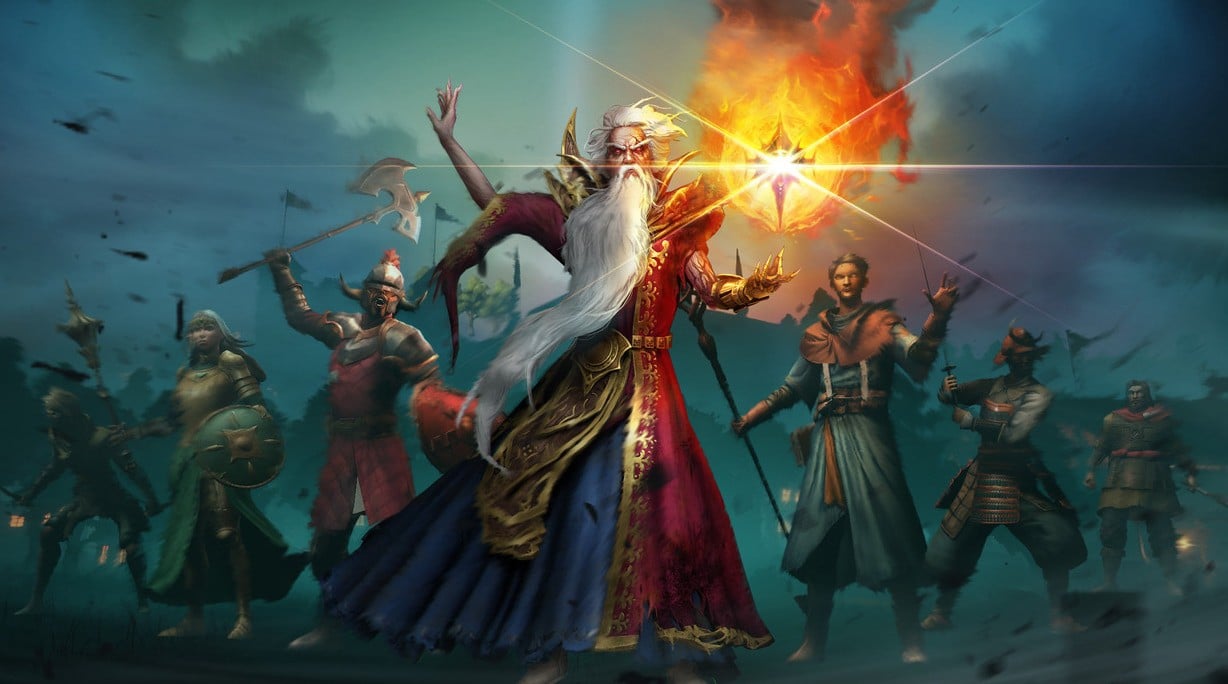
Wade Rosen, the CEO and chairman of Atari, articulated the company’s vision in a press statement: "Wizardry is such an influential RPG franchise, yet many of the games have been unavailable for more than two decades. We are excited to have this rare opportunity to republish, remaster, and bring console ports and physical releases of these early games to market." This statement highlights Atari’s immediate plans to make these historically significant titles accessible to a new generation of players and nostalgic fans alike, across various modern platforms and potentially through collector-focused physical editions.
Robert Woodhead, co-creator of the original Wizardry, reflected on the game’s origins and its renewed relevance: "When Andrew Greenberg and I created Wizardry back in the 1980s, the video game industry was still in its infancy, and the original games were some of the first to bring the role-playing experience to PCs and consoles. As Atari continues to reintroduce the games on new platforms and to new audiences, I’ll definitely be paying attention to the reactions of gamers who decide to take on a real old-school challenge." His comments underscore the enduring difficulty and depth of the early Wizardry titles, promising a genuine challenge for modern audiences accustomed to more forgiving game design.
The Complexities of the Wizardry IP: Drecom’s Enduring Stake
Crucially, Atari’s acquisition does not grant it complete control over the entire Wizardry franchise. A vital distinction exists regarding the ownership of later Wizardry titles and the overarching Wizardry trademark. The Japanese company Drecom still owns the rights to Wizardry VI: Bane of the Cosmic Forge (1990), Wizardry VII: Crusaders of the Dark Savant (1992), and Wizardry 8 (2001). Drecom publicly announced its acquisition of these specific game rights, alongside the domestic and global trademarks for Wizardry, in 2020. This was a significant move at the time, indicating Drecom’s intent to develop new games within the franchise.
Following some initial headlines that inaccurately suggested Atari had acquired the entire Wizardry IP outright, Drecom promptly issued a clarifying statement on its official Twitter/X account. This statement reiterated its continued ownership of the trademark and the rights to Wizardry VI, VII, and VIII, seeking to prevent confusion in the market and among fans.
This split ownership creates a unique and somewhat complex IP landscape for the Wizardry franchise. Practically, it means that while Atari now controls the core content of the first five games, any future product it develops or publishes under the Wizardry name—even if based on the early titles—will necessitate a licensing agreement for the Wizardry trademark from Drecom. This was the case for the 2024 Digital Eclipse remake, which required such a license. Furthermore, Atari cannot develop entirely new original games under the Wizardry brand name without obtaining Drecom’s explicit permission, as Drecom holds the rights to develop new installments and the overall brand identity.
A Historical Perspective on Fragmented Ownership
The fragmented nature of the Wizardry IP can be traced back to the original publisher, Sir-Tech. Norman Sirotek, one of the co-founders of Sir-Tech, provided clarity on this intricate history in a 2024 interview. He explained, "In my mind, the rights are very clear and simple. In others, maybe not so much. Wizardry 1 through 5 have always been owned by the Siroteks, in one form or another. And back in 2000, we sold off the Wizardry mark and the rights to 6, 7, and 8. Now the company we sold them to is no longer around, and they flipped it. And it’s gone through, I guess, several flips ever since. And the current owners of those rights are [a Japanese company called] Drecom."

This historical account reveals a common trajectory for older, influential IPs, where rights can become disaggregated over time due to various sales, corporate changes, and strategic divestments. The initial sale in 2000, followed by subsequent transfers, ultimately led to Drecom acquiring the later titles and the crucial global trademark. This complex chain of ownership is not unique to Wizardry, mirroring similar situations seen with other classic franchises in the gaming, film, and music industries.
Broader Implications and Future Outlook
Atari’s acquisition carries significant implications for the future of the Wizardry series, for both Atari and Drecom, and for the broader retro gaming market.
For Atari: This move solidifies Atari’s position as a key player in the retro gaming resurgence. By owning the underlying IP of the first five Wizardry games, Atari gains greater creative freedom and financial control over remasters, remakes, and ports of these specific titles. It can potentially explore new ways to bundle, market, and distribute these foundational RPGs across various platforms, including console ports and physical releases, as articulated by CEO Wade Rosen. This also allows for deeper integration and iteration on the successful Digital Eclipse remake, perhaps expanding it to cover the subsequent four titles now under their direct control. The acquisition aligns with Atari’s strategy of not just re-releasing old games, but actively investing in and revitalizing classic IPs.
For Drecom: While Atari’s acquisition might seem to diminish Drecom’s overall Wizardry portfolio, it also creates a clearer distinction within the franchise. Drecom retains ownership of the later, more graphically advanced, and narratively distinct Wizardry VI, VII, and VIII. More importantly, their control of the global Wizardry trademark means they still hold significant leverage over the brand’s identity and future. Drecom announced plans in 2020 to develop a new Wizardry game, and this acquisition by Atari does not impede those plans. Instead, it might lead to two distinct, yet potentially collaborative, paths for the Wizardry universe: Atari focusing on the foundational Sir-Tech era, and Drecom developing new narratives or continuing the lineage of the later titles, all while operating under the umbrella of the Wizardry trademark.
For Fans and the Gaming Industry: The primary benefit for fans is increased access to historically significant games that have often been difficult to play on modern hardware. Atari’s commitment to republishing and remastering ensures that these pioneering RPGs will be preserved and introduced to new audiences. This trend of major publishers investing in classic IP underscores the enduring value of gaming history and the strong market demand for well-executed remakes and re-releases. However, the fragmented IP ownership could lead to some confusion if not clearly communicated, potentially creating a scenario where different companies produce different "Wizardry" experiences. It also highlights the complex legal and commercial landscape that often surrounds beloved, long-running franchises.
Conclusion: A New Chapter for a Venerable Franchise
Atari’s acquisition of the rights to the first five Wizardry games marks a pivotal moment for one of gaming’s most venerable franchises. It represents a clear commitment to preserving and reintroducing a series that profoundly shaped the RPG genre. While the intricate web of IP ownership with Drecom means the Wizardry saga will continue to unfold across multiple custodians, this development promises a renewed focus on the foundational titles that started it all. As Atari embarks on its mission to bring these "old-school challenges" to new platforms and audiences, the gaming world watches with anticipation to see how this landmark acquisition will shape the future trajectory of the legendary Wizardry universe.