Johny Imanuel
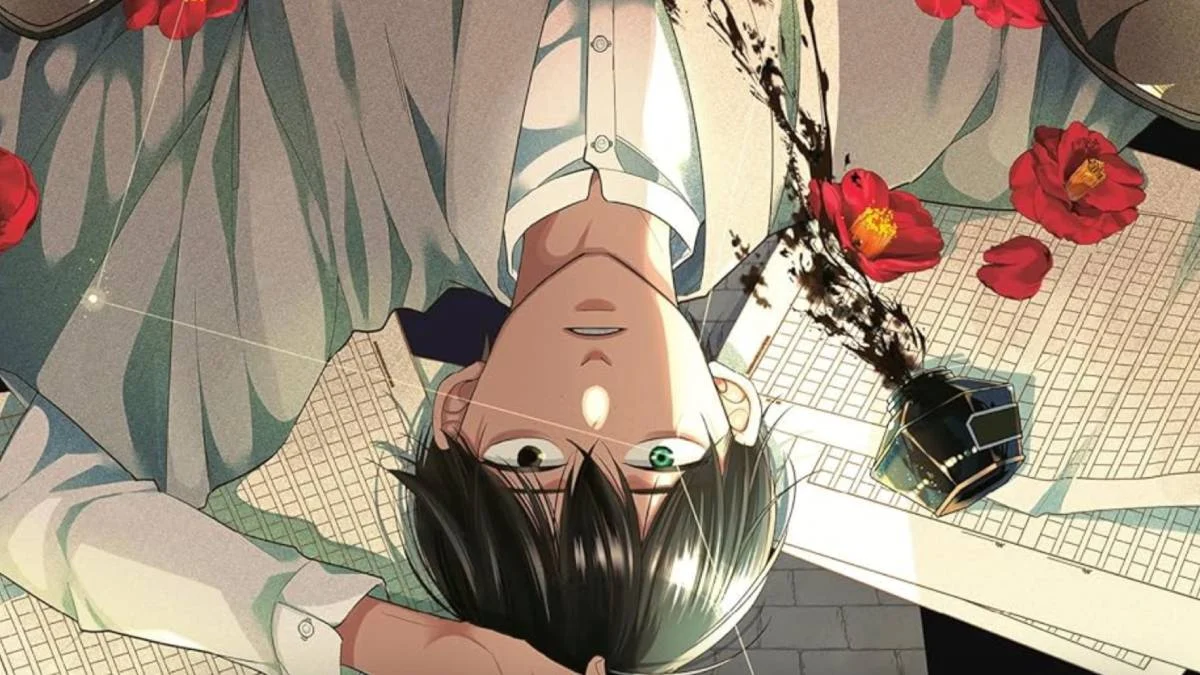
The evolution of modern josei manga often involves a delicate balance between romantic escapism and substantive plot development. In the latest installment of the Square Enix-published series Assassin & Cinderella, the narrative undergoes a significant shift, transitioning from a romance-heavy "marriage of convenience" trope into a high-stakes espionage thriller. While the initial volumes established the series as a stylized, romance-forward alternative to contemporary hits like Spy x Family, the third volume introduces a layer of psychological depth and organizational conflict that recontextualizes the relationship between the two protagonists, Omi and Neneko.
The Foundation of the Espionage Romance
To understand the impact of the third volume, one must first examine the established premise of Assassin & Cinderella. The story centers on Neneko, a spy operating under the codename "Cinderella," and Omi, a legendary assassin known for his lethal precision and stoic demeanor. Neneko’s organization, a clandestine group that took her in as an orphan, tasks her with infiltrating Omi’s life. Her mission is to monitor his activities and gather intelligence on his faction by posing as his romantic interest.
Despite her role as a professional operative, Neneko is characterized by her relative inexperience and emotional transparency. This creates an immediate narrative irony: Omi, despite his reputation for coldness, identifies her as an enemy agent almost instantly. However, rather than eliminating the threat, Omi chooses to facilitate her mission by proposing a marriage of convenience. This setup allowed the first two volumes to lean heavily into the "josei fanservice" category, prioritizing romantic tension, aesthetic appeal, and idealized domesticity over the inherent dangers of their respective professions.
Chronology of Narrative Development
The progression of Assassin & Cinderella can be categorized into three distinct phases across its current publication cycle.
Phase I: The Domestic Masquerade (Volumes 1-2)
In the early chapters, the focus remained strictly on the developing bond between Omi and Neneko. The "high-risk" element of the romance was frequently overshadowed by Omi’s overt adoration of Neneko and her internal struggle to reconcile her professional duty with her growing attraction to her target. Critics and readers noted that the stakes felt remarkably low, as Omi’s protection effectively shielded Neneko from any real consequences of her poor tradecraft.
Phase II: The Introduction of the Past (Mid-Volume 2 to Early Volume 3)
The introduction of Setsu, a character from Omi’s past, served as the catalyst for the current shift in tone. Setsu’s presence reminded the audience that Omi’s life was not always defined by his current status and that his lethal skills were forged in a much darker environment. This period began to bridge the gap between the domestic "fluff" and the underlying reality of the assassin underworld.
Phase III: The Organizational Conflict (Volume 3)
Volume 3 marks the definitive end of the "low-stakes" era. During a vacation sequence that initially promises more romantic fanservice, Omi proposes that the two of them abandon their respective organizations to live a genuine life together. This proposal forces Neneko to confront her loyalty to the organization that raised her. The volume then pivots into a series of revelations regarding the "sinister" nature of Neneko’s handlers and the true history shared by the two leads.
Analyzing the Shift in Volume 3
The primary achievement of Volume 3 is its "course correction" of the series’ internal logic. For much of the early run, Neneko’s organization was a nebulous entity. In the latest volume, the organization is personified through Himuro, Neneko’s handler and surrogate father figure. The narrative reveals that the organization’s interest in Omi is not merely professional but deeply personal and predatory.

Data points within the text suggest a complex web of shared history. It is revealed that Omi and Neneko’s "first meeting" at the start of the manga was actually a second encounter. Years prior, Omi had intervened in Neneko’s life, a revelation that explains his immediate attachment to her and his willingness to enter a fake marriage. This backstory adds a layer of "pre-ordained" tragedy to their situation, as it implies that Omi has been protecting Neneko from the shadows for much longer than she realized.
Furthermore, the volume explores the theme of orphanhood as a tool for radicalization and control. Both Omi and Neneko were orphans, but while Omi used his skills to secure a degree of autonomy and protect those he cared for (such as Setsu), Neneko remained psychologically tethered to the organization. The contrast between Omi’s desire for freedom and the organization’s desire for total control over Neneko creates the primary conflict that will likely drive the series toward its conclusion.
Supporting Context: The Josei Demographic and Genre Trends
The transition seen in Assassin & Cinderella reflects a broader trend in the josei (young adult female) manga market. While traditional josei often focused on realistic office romances or "slice-of-life" dramas, modern readers have shown a growing appetite for "genre-hybrid" stories. Titles that blend romance with thriller, fantasy, or espionage elements—often referred to as "romantasy" or "romantic suspense"—have seen a surge in popularity.
By introducing more "edge" and actual conflict in Volume 3, the series aligns itself with successful titles that utilize high-stakes environments to test the strength of a romantic bond. The inclusion of more explicit danger and organizational politics provides a necessary counterweight to the "fanservice" elements, ensuring that the romance feels earned rather than merely convenient.
Official Publication and Future Outlook
Assassin & Cinderella is published by Square Enix, a major player in the global manga distribution market. The company has successfully leveraged its "Manga & Books" imprint to bring niche titles to a wider international audience. The first three volumes are currently available in English, providing a comprehensive look at the series’ evolution from its lighthearted beginnings to its current dramatic state.
According to current publication schedules, Square Enix is slated to release Volume 4 on October 6, 2026. This extended timeline suggests that the creators and publishers are taking a measured approach to the narrative’s pacing. The cliffhanger at the end of Volume 3—which hints at intensified surveillance on the couple and a direct move by Himuro to dismantle Omi’s life—sets the stage for a much more intense fourth volume.
Broader Impact and Implications
The narrative pivot in Assassin & Cinderella has several implications for the series’ longevity and its standing within the genre:
- Character Agency: Neneko is forced to evolve from a passive participant in Omi’s protection to an active agent who must choose between her "family" (the organization) and her partner. This development is crucial for her growth as a protagonist.
- Antagonist Development: By establishing Himuro as a genuine threat, the manga raises the stakes from "will they fall in love?" to "will they survive?" This expansion of the plot attracts a broader readership that may have found the early romantic focus too narrow.
- Thematic Depth: The exploration of trauma, orphanhood, and the exploitation of young talent by clandestine organizations adds a layer of social commentary that was largely absent in the first two volumes.
In conclusion, Assassin & Cinderella Volume 3 represents a successful maturation of the series. By integrating the espionage elements into the core of the romantic relationship, the manga moves away from being a simple "Spy x Family" derivative and establishes its own identity as a serious romantic thriller. The revelations regarding Omi and Neneko’s pasts, combined with the looming threat of the organization, provide a compelling framework for future installments. As the series moves toward its fourth volume, the focus will likely remain on whether the couple can truly escape the shadows of their past to find the "Cinderella" ending the title implies.