Hartono Sudibyo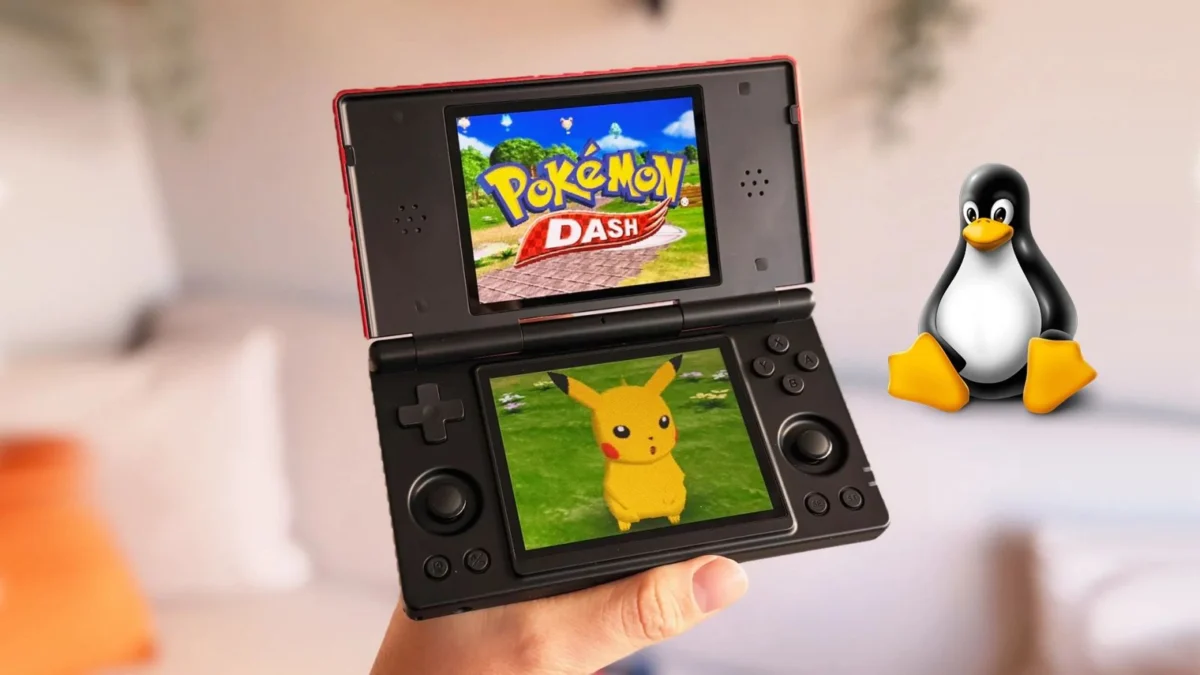
The landscape of handheld retro gaming and emulation has seen a notable evolution with ANBERNIC’s decision to release an official custom Linux firmware for their RG DS device. This strategic move addresses a key user desire for a more streamlined and potentially more performant operating system, offering an alternative to the pre-installed Android OS. The RG DS, initially launched as an accessible dual-screen Android handheld, now finds itself revitalized, potentially appealing to a broader audience of retro gaming enthusiasts and tinkerers.
The ANBERNIC RG DS: A Dual-Screen Contender in the Handheld Market
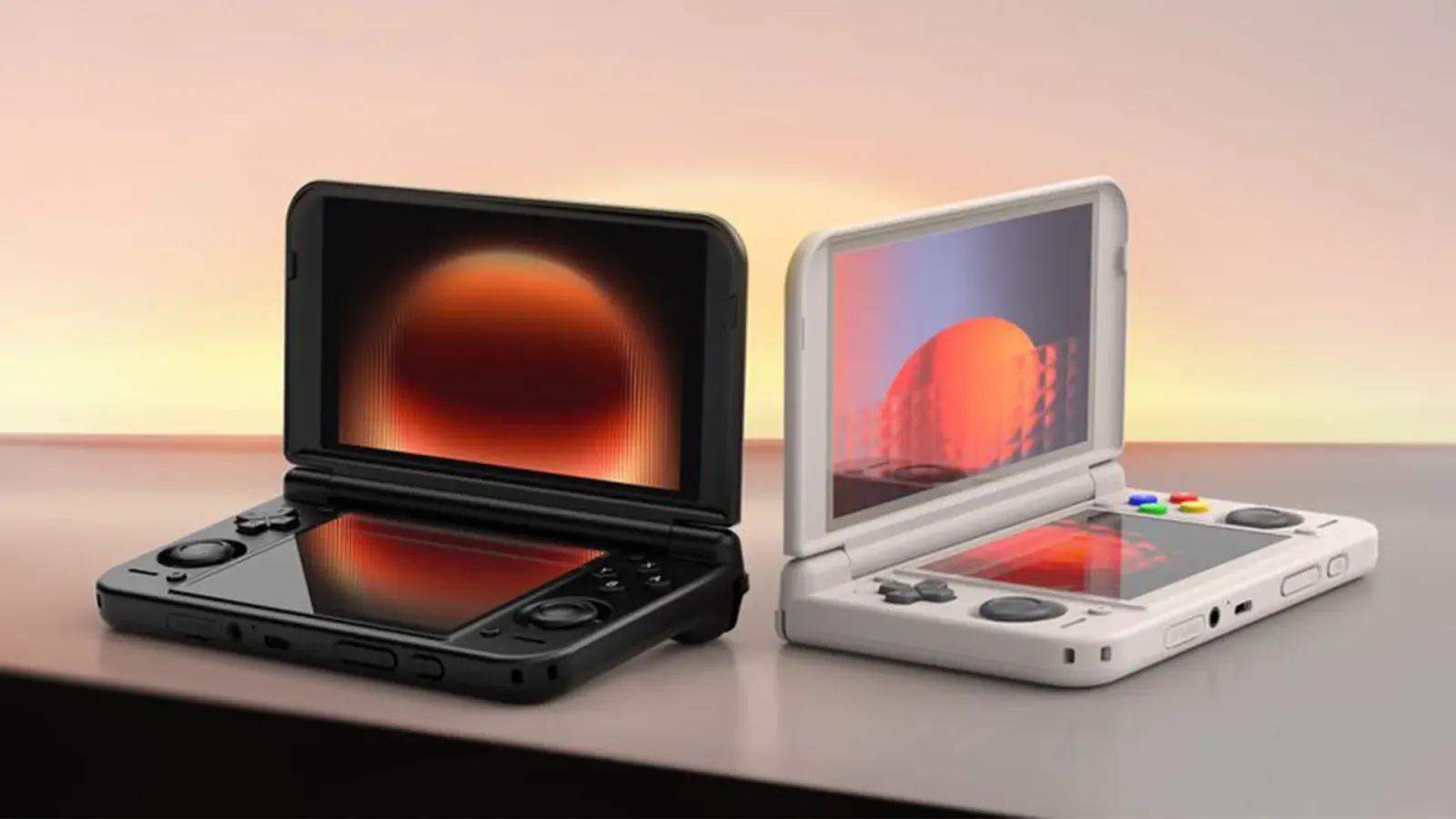
Launched as a more budget-friendly option in the burgeoning dual-screen handheld market, the ANBERNIC RG DS positioned itself as a competitor to more premium devices like the AYN Thor and AYANEO Pocket DS. While these competitors often boasted higher price points and more potent hardware, the RG DS aimed to capture a segment of the market seeking the unique dual-screen experience of the Nintendo DS at a more accessible cost. Its appeal lay in its relatively slim form factor and its capability to emulate Nintendo DS games natively within an Android environment.
However, the dual-screen Android experience has historically presented its own set of challenges. Developers and users alike have noted the complexities associated with optimizing Android applications for dual-screen functionality, a hurdle that can impact the seamlessness of the gaming experience. This inherent complexity, coupled with ANBERNIC’s focus on reviewing "great" products rather than "just okay" ones, meant that the RG DS, despite its availability, remained largely unreviewed by some in the enthusiast community, including the author of the original report. The potential for a more optimized, less cumbersome operating system was therefore a significant point of interest for users.
The Introduction of Linux: A Paradigm Shift for the RG DS
The introduction of an official custom Linux firmware by ANBERNIC represents a significant development for the RG DS. This firmware, made publicly available through ANBERNIC’s Google Drive, is specifically tailored to enhance the performance and user experience of the RG DS. The core advantage of a Linux-based system in this context often lies in its inherent efficiency and reduced overhead compared to a full-fledged Android OS. This can translate into faster boot times, more responsive emulation, and a generally smoother interface, particularly for core gaming functions.
The implications of this shift are multifaceted. For existing RG DS owners, it presents an opportunity to breathe new life into their devices, potentially overcoming some of the performance limitations or setup complexities associated with the Android OS. For potential new buyers, it broadens the appeal of the RG DS by offering a distinct software choice that caters to different user preferences. Enthusiasts who are already familiar with and prefer Linux environments are likely to find this option particularly attractive, as it aligns with their existing technical knowledge and comfort levels.
Understanding the Trade-offs: Linux vs. Android on the RG DS
While the Linux firmware offers compelling advantages, it’s crucial to acknowledge the trade-offs involved. Android, with its vast ecosystem of applications, provides a broader range of functionalities beyond just emulation. This includes access to a wider array of media playback options, productivity tools, and the convenience of the Google Play Store for app installation and management. The Linux firmware, by its nature, is likely to be more focused on the core task of emulation and gaming. This means users might miss out on some of the versatility that Android offers.
The choice between the two operating systems ultimately boils down to user preference and intended use. For users whose primary goal is dedicated retro gaming and who value a streamlined, performance-oriented experience, the Linux firmware is likely to be the superior choice. The simplicity of its interface and the potential for quicker access to games can significantly enhance the overall enjoyment of the device. Conversely, users who desire a more multi-functional device that can also serve as a portable media player or a light productivity tool might find the Android OS more suitable.
ANBERNIC’s decision to provide this Linux option is a commendable step towards catering to diverse user needs. It demonstrates a commitment to supporting their product line beyond the initial release and acknowledges the evolving demands of the retro gaming community. By offering this flexibility, ANBERNIC empowers users to tailor their device experience to their specific requirements, fostering a more engaged and satisfied customer base.
Background Context: The Evolution of Handheld Emulation
The journey of handheld emulation devices has been a rapid and dynamic one. From early attempts using custom firmware on modified PDAs and smartphones to the sophisticated, purpose-built devices of today, the progress has been remarkable. The Nintendo DS, with its innovative dual-screen design and diverse library of games, has long been a target for emulation. Early efforts to emulate DS games on PC and then on early handhelds were often plagued by compatibility issues and performance limitations.
The advent of more powerful mobile chipsets, coupled with advancements in emulation software, has significantly improved the viability of DS emulation on dedicated handhelds. Devices like the RG DS, running on Android, leverage these advancements. However, the inherent architecture of Android, while versatile, can sometimes introduce overhead that impacts the efficiency of highly demanding emulation tasks. This is where operating systems like Linux, with their often leaner profiles, can offer a distinct advantage.
The dual-screen aspect of the DS presents a unique challenge for emulation. Effectively mapping the two screens, touch controls, and stylus input onto a single handheld device requires sophisticated software solutions. Android’s app framework can be adapted for this, but it often requires specific developer effort. A custom Linux firmware can be built from the ground up with these specific hardware and emulation requirements in mind, potentially leading to a more optimized and intuitive user experience for DS emulation.

Potential for Enhanced Performance and User Experience
The underlying architecture of Linux distributions, particularly those optimized for embedded systems and single-board computers, often prioritizes efficiency. When tailored for a specific hardware platform like the ANBERNIC RG DS, this can translate into several tangible benefits:
- Faster Boot Times: Linux systems can often boot up significantly faster than Android, allowing users to jump into their gaming sessions more quickly.
- Improved Emulation Performance: With less operating system overhead, more processing power can be dedicated to the emulation software itself. This could lead to smoother gameplay, higher frame rates, and better compatibility with demanding DS titles.
- Reduced Input Lag: A more responsive operating system can contribute to lower input lag, a critical factor for an enjoyable gaming experience, especially in fast-paced titles.
- Simplified Interface: The custom Linux firmware likely features a more focused and streamlined user interface, designed specifically for navigation and game selection. This can make the device easier to use, particularly for less tech-savvy users.
- Greater Customization Potential: For advanced users, Linux environments often offer a higher degree of customization, allowing for deeper tweaking of system settings and emulation configurations.
The availability of this custom firmware suggests that ANBERNIC has been actively working to address user feedback and explore ways to enhance the RG DS’s capabilities. This proactive approach is vital in a competitive market where user satisfaction and ongoing support can be key differentiators.
Broader Impact and Implications for the Handheld Market
The release of official custom firmware for devices like the RG DS has broader implications for the entire handheld emulation market. It signals a growing trend towards greater software flexibility and user choice. Manufacturers are beginning to recognize that offering multiple operating system options can significantly extend the lifespan and appeal of their hardware.
This move by ANBERNIC could encourage other manufacturers to explore similar strategies. Providing well-supported custom firmware, particularly open-source options like Linux, can foster a dedicated community of users who contribute to the device’s development and longevity. This can create a positive feedback loop, enhancing the product’s reputation and driving future sales.
Furthermore, the focus on Linux for emulation devices aligns with the broader resurgence of interest in open-source software and hardware. As users become more aware of the benefits of transparency, customization, and community-driven development, offerings like this become increasingly attractive. The ability to fine-tune the operating system for optimal emulation performance is a significant draw for enthusiasts who seek the best possible experience from their retro gaming hardware.
The success of ANBERNIC’s Linux firmware for the RG DS will likely be watched closely by both consumers and competitors. If it proves to be a well-executed and beneficial upgrade, it could set a new standard for software support in the affordable handheld emulation space, encouraging a more user-centric approach to product development and lifecycle management. This ultimately benefits the end-user by providing more powerful, flexible, and enjoyable retro gaming experiences.