Hartono Sudibyo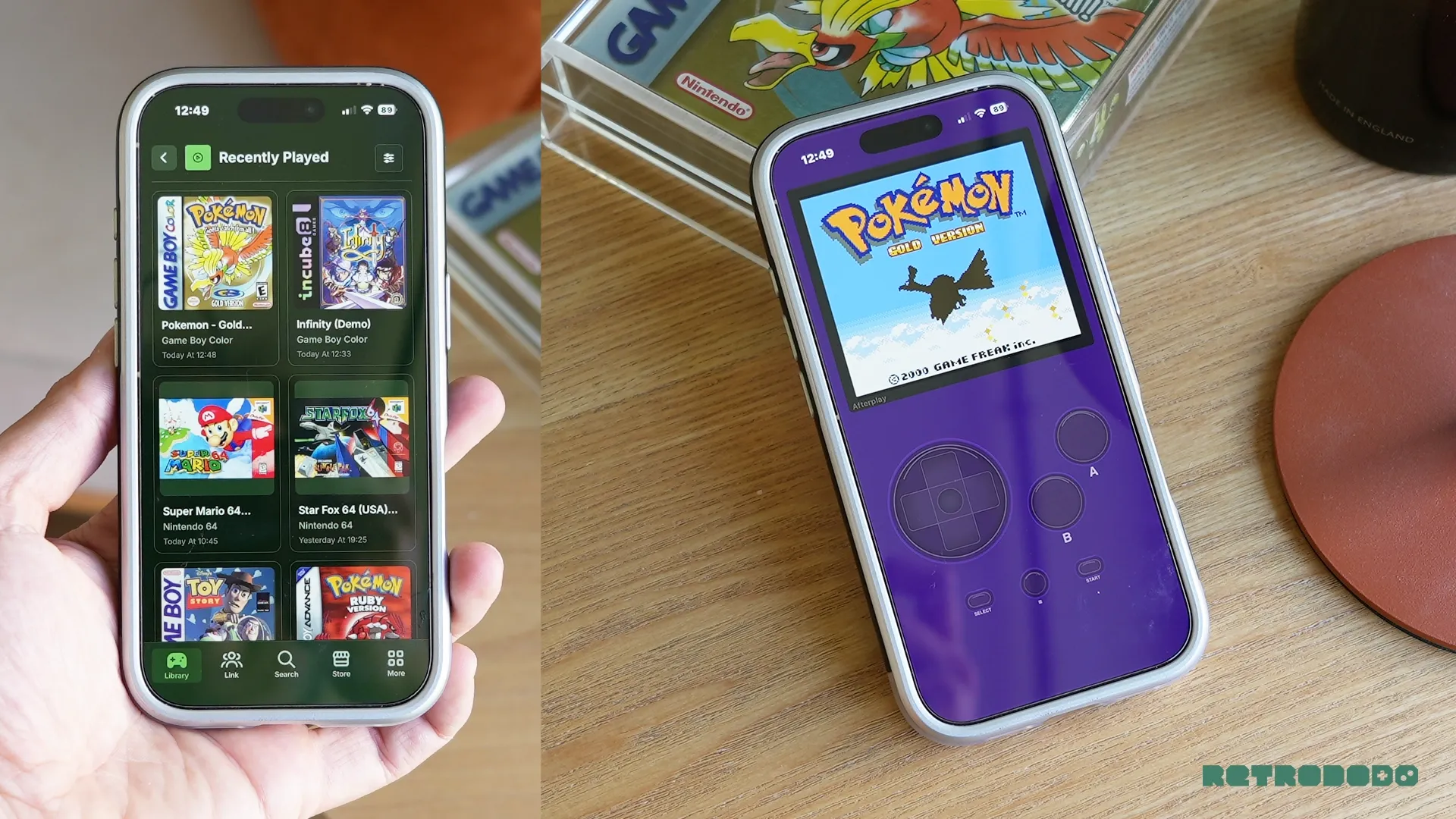
The landscape of retro gaming emulation has long been a complex terrain, often requiring technical prowess and a significant investment of time to set up. However, a new contender, Afterplay, is quietly emerging as a powerful and elegantly designed solution, offering a seamless browser-based emulation experience with an extensive array of customization options that set it apart from its predecessors. Developed over several years by Patrick Corrigan, Afterplay has evolved from its 2021 inception into a comprehensive retro gaming ecosystem, catering to both seasoned enthusiasts and newcomers alike.
The Genesis and Evolution of Afterplay
Launched in 2021, Afterplay was the brainchild of Patrick Corrigan, who envisioned a platform that would democratize access to retro gaming. The project has undergone extensive refinement and development, transforming into a robust emulation solution that prioritizes user experience and accessibility. This sustained effort has culminated in a platform that not only emulates a wide range of consoles but also integrates features that enhance the overall gaming experience, such as cloud syncing, reliable save states, and even a curated store for modern retro-style games.
Core Emulation Capabilities and User Interface
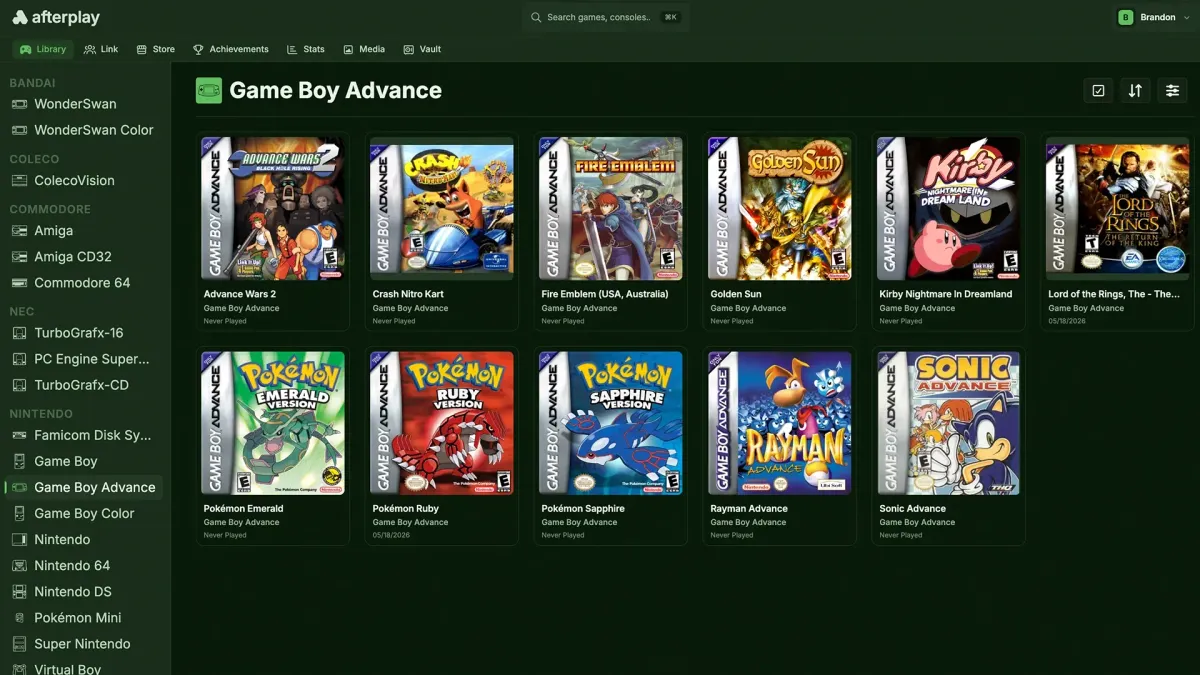
At its heart, Afterplay boasts an impressive suite of emulation cores, supporting a vast spectrum of classic consoles. This extensive compatibility allows users to revisit beloved titles from systems including, but not limited to, Game Boy, Game Boy Color, Game Boy Advance, NES, SNES, Nintendo 64, PlayStation 1, and Sega Genesis. What truly distinguishes Afterplay is its flexibility in allowing users to select and switch between different emulation cores for a single console. For instance, a user can opt for SameBoy or Gambatte for Game Boy Color emulation, or PCSX-ReARMed or Beetle PSX for PlayStation 1 games, enabling them to fine-tune performance and compatibility based on individual preferences or specific game requirements.
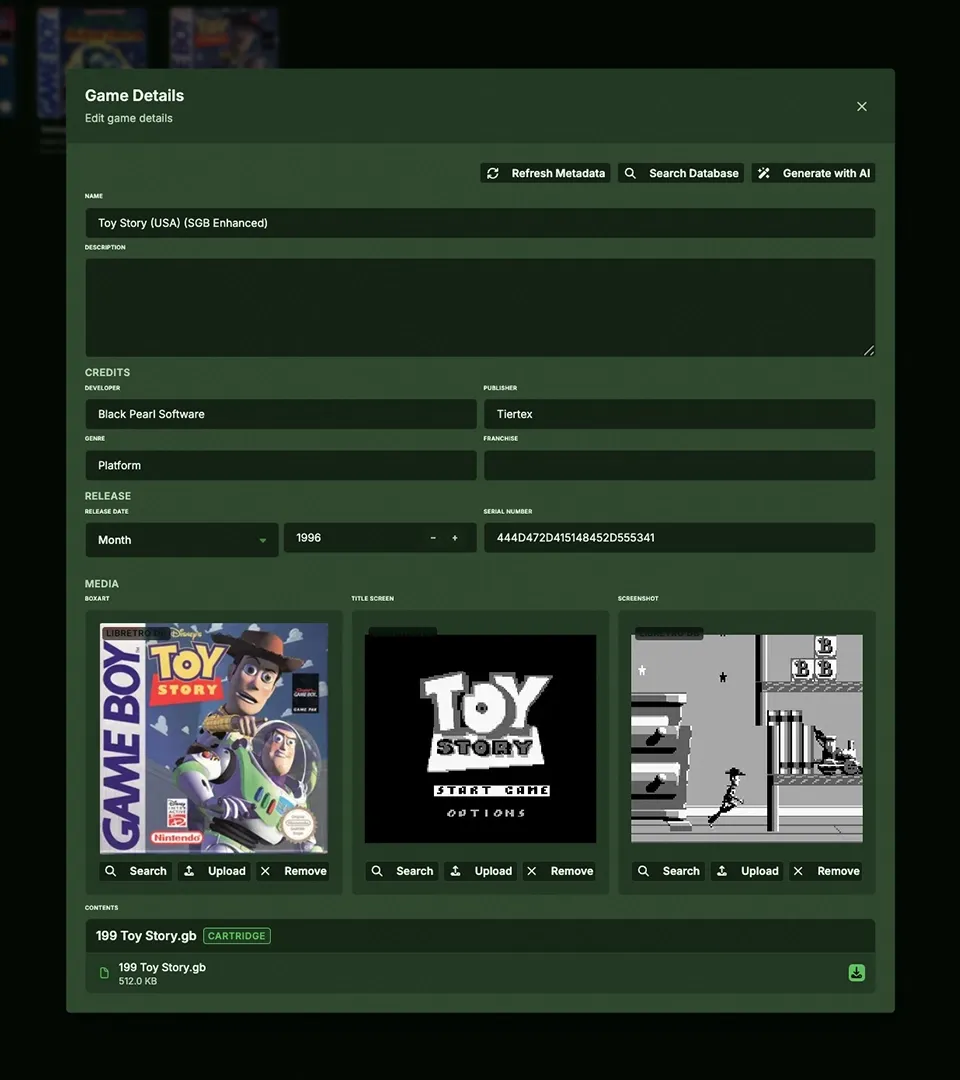
The platform’s design is a testament to its minimalist philosophy. The main interface presents a clear, organized list of emulators on the left-hand side, which, upon selection, opens the user’s game library. The process of adding new games is straightforward: a simple "+ Add Game" button allows users to upload ROM files directly from their devices. Once a game is imported, Afterplay provides extensive metadata editing capabilities. Users can meticulously customize titles, add custom box art, include personal notes, and even specify developer information, transforming their digital game collection into a visually appealing and personalized archive. This level of granular control over game presentation significantly enhances the user’s engagement with their library.
A Rich Feature Set Beyond Basic Emulation
Afterplay’s functionality extends far beyond its core emulation capabilities, offering a suite of integrated tools that create a holistic retro gaming experience.
Enhanced Connectivity and Social Play
The "Link" feature facilitates a social gaming dimension by enabling users to create virtual rooms for multiplayer sessions. By sharing a unique link and friend code, players can connect and engage in cooperative or competitive gameplay across various emulated titles, fostering a sense of community among Afterplay users.
Achievement Tracking and Gamification
For those who enjoy the challenge of earning achievements, Afterplay seamlessly integrates with the Retro Achievements platform. This synchronization allows players to track, manage, and strive for achievements within their retro games, adding an extra layer of engagement and replayability. The "Stats" section further enhances this gamified experience, providing detailed insights into playtime, daily streaks, and overall gaming activity, motivating users to maintain consistent engagement with their gaming habits.
A Curated Marketplace for Modern Retro Titles
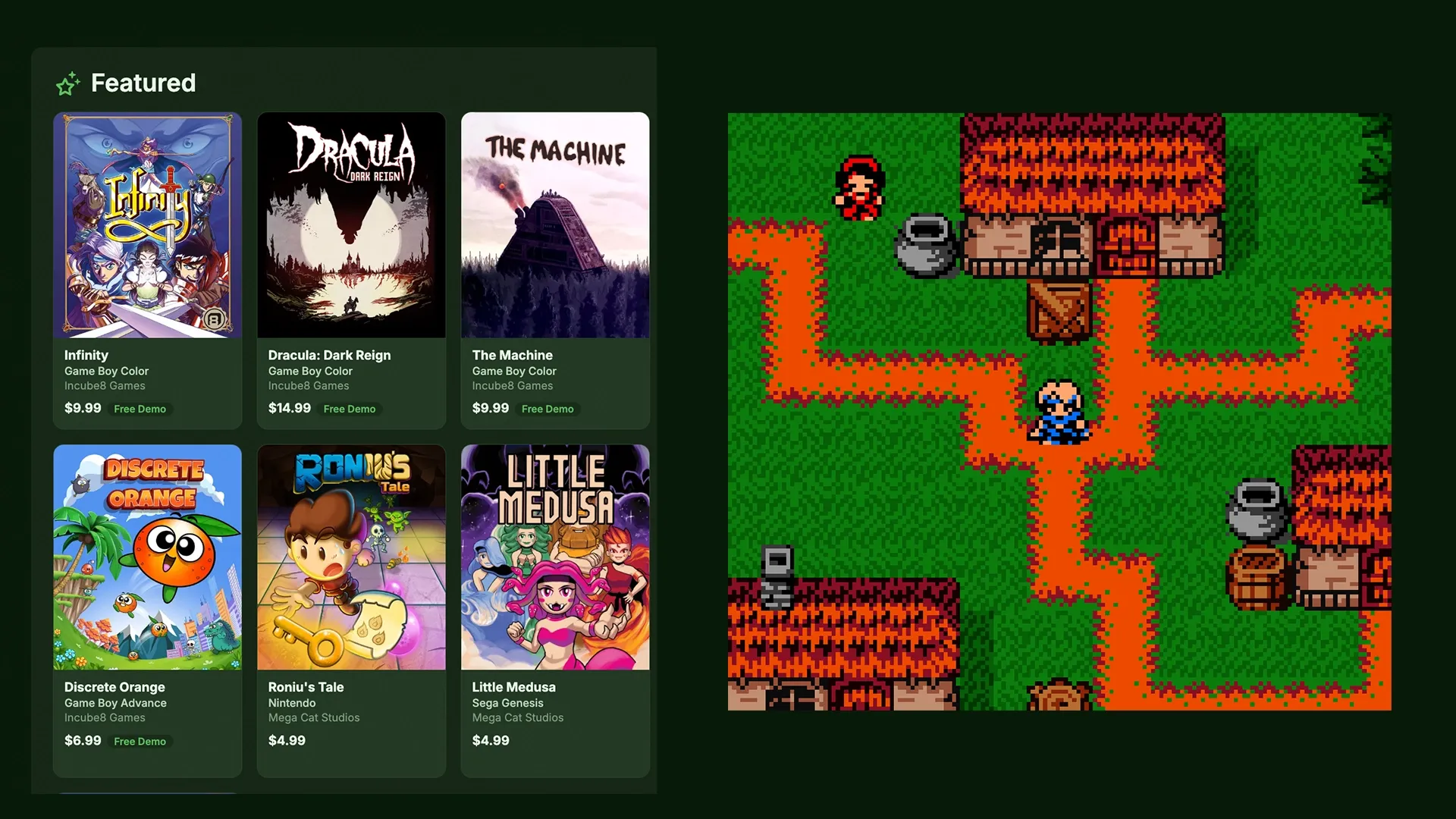
A unique aspect of Afterplay is its integrated "Store," which showcases modern games developed for retro consoles by independent creators and studios. This initiative not only supports the vibrant community of indie game developers but also provides players with access to new, innovative titles that capture the spirit of classic gaming. The ability to demo and purchase these games directly within the platform offers a convenient avenue for discovering unique gaming experiences.
Media Management and Archiving
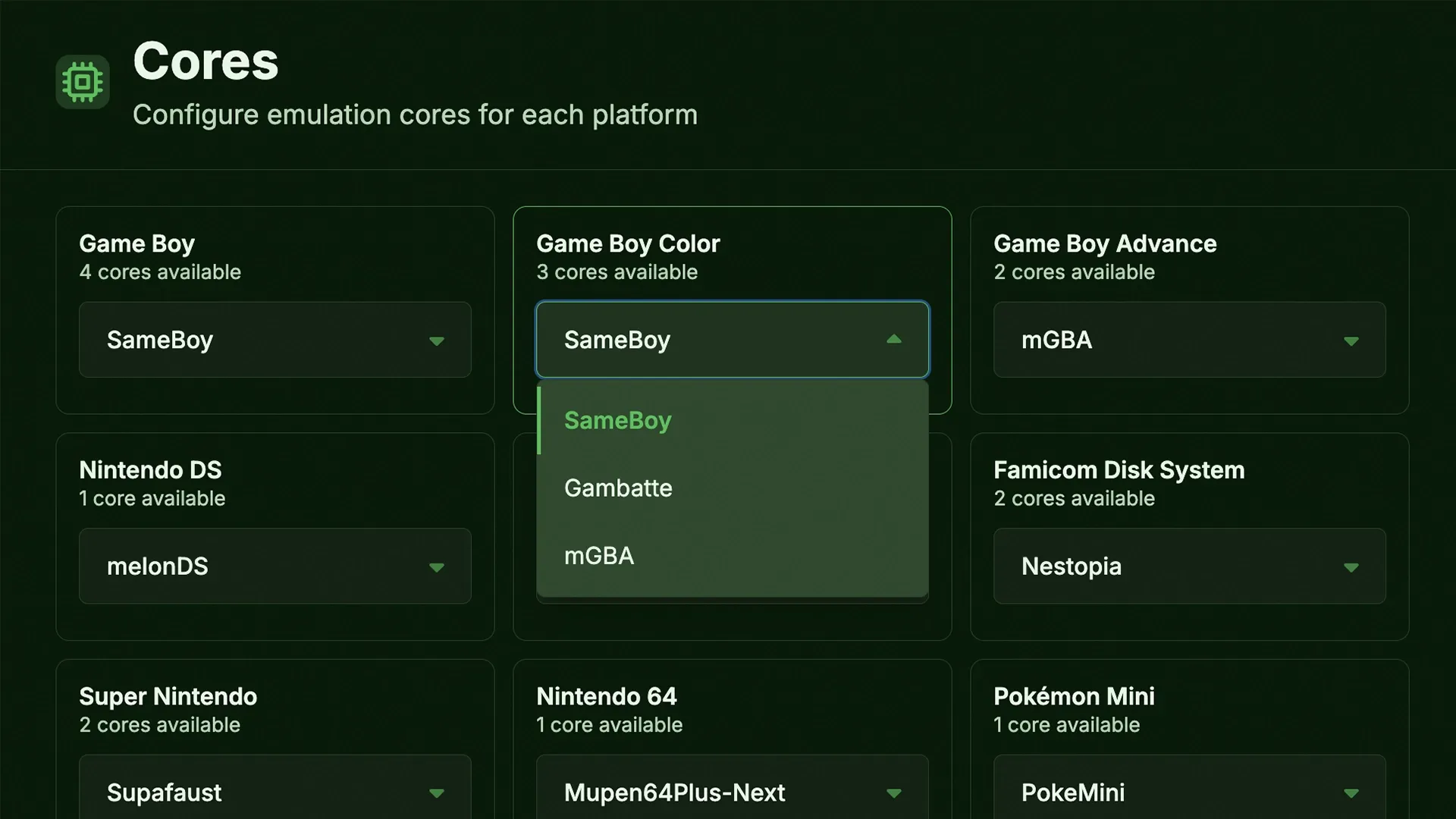
The "Media" tab serves as a repository for in-game screenshots and video recordings. While screenshots function flawlessly, the video recording feature has been noted to experience significant frame rate drops, impacting the smoothness of gameplay capture. Despite this limitation, the functionality for capturing visual moments from gameplay remains valuable for many users.
The "Vault" feature provides a comprehensive tool for managing a user’s ROM library. It allows for easy scanning and identification of missing titles, which is a particularly beneficial function for collectors. However, it is important to note that the Vault exclusively manages ROM files and does not offer functionality for cataloging physical game collections.
Deep Customization Options
Beyond game library organization, Afterplay offers extensive customization for the platform’s visual appearance. The settings menu provides access to over 80 distinct color themes, allowing users to tailor the dashboard’s aesthetic to their personal preferences. Further options include adjustments to typography and interface corner styling, enabling a truly personalized user experience.
Seamless Cloud Synchronization
A standout feature of Afterplay is its robust cloud synchronization. This allows users to maintain their game data, save states, custom configurations, and ROM libraries across multiple devices. This feature eliminates the concern of data loss and ensures a consistent gaming experience, whether playing on a desktop, laptop, or mobile device, by automatically saving progress and settings to the cloud.
Emulation Quality and Performance
The efficacy of any emulation platform hinges on its ability to accurately and smoothly run classic games. Afterplay delivers a commendable performance in this regard, providing a fluid and enjoyable gaming experience for the vast majority of titles. While no emulation platform can be deemed entirely perfect due to the sheer complexity and diversity of hardware and software configurations, Afterplay minimizes common pain points.
The platform’s user interface is designed to be unobtrusive during gameplay. A simple mouse hover reveals a minimal UI overlay that provides quick access to essential functions such as saving, loading, taking screenshots, and fast-forwarding. This design philosophy ensures that the focus remains on the gaming experience itself.
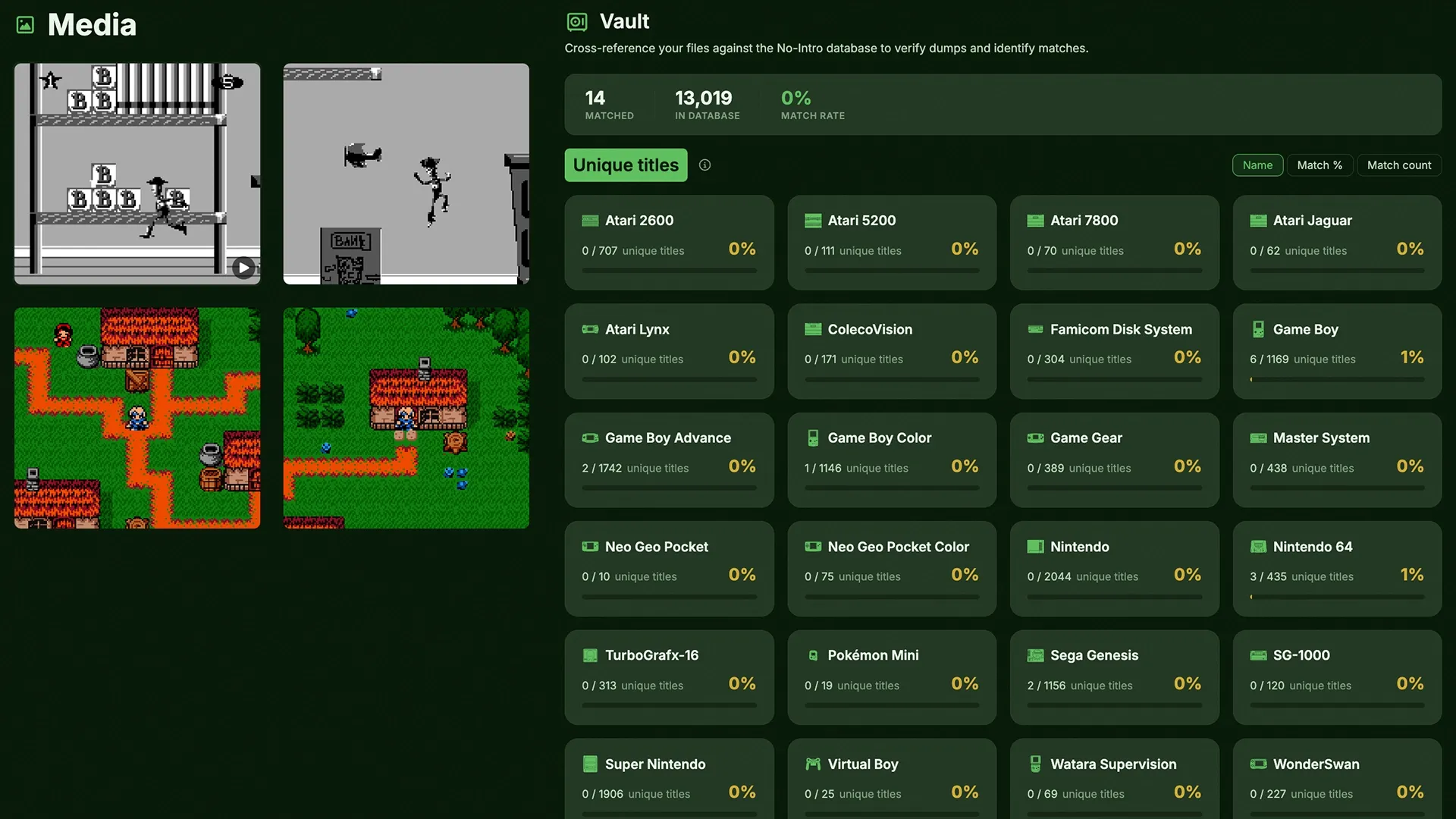
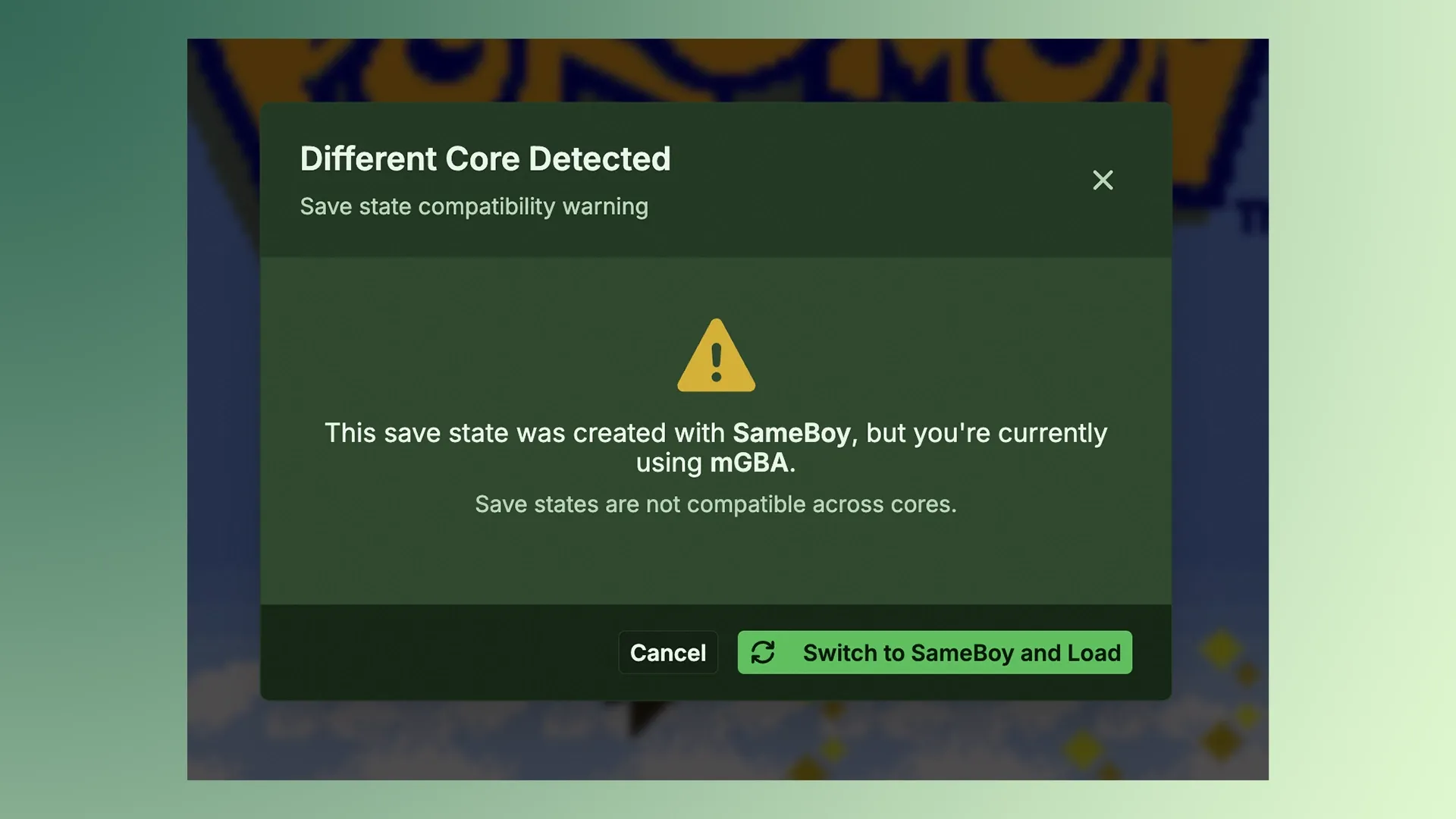
While most default emulation cores perform exceptionally well, Afterplay’s flexibility allows users to experiment with alternative cores. For instance, switching from SameBoy to mGBA for Game Boy Color emulation might offer subtle differences in visual output or performance. However, a limitation noted is that save states are not transferable between different cores for the same console, a common challenge in emulation development. Despite minor performance nuances, the ability to select preferred cores caters to the discerning retro gamer.
Emulation of more demanding consoles like the Nintendo 64, Nintendo DS, and PlayStation 1 is also handled competently. For these systems, the use of a Bluetooth controller is highly recommended to fully leverage the platform’s capabilities and overcome the potential challenges of keyboard-based input.
Minor graphical anomalies, such as glitches and artifacts, have been observed when games are left running in the browser for extended periods or upon returning to a previously active session. While these issues typically do not impact gameplay or the ability to save progress, they can be a visual concern for some users, often necessitating a platform restart.
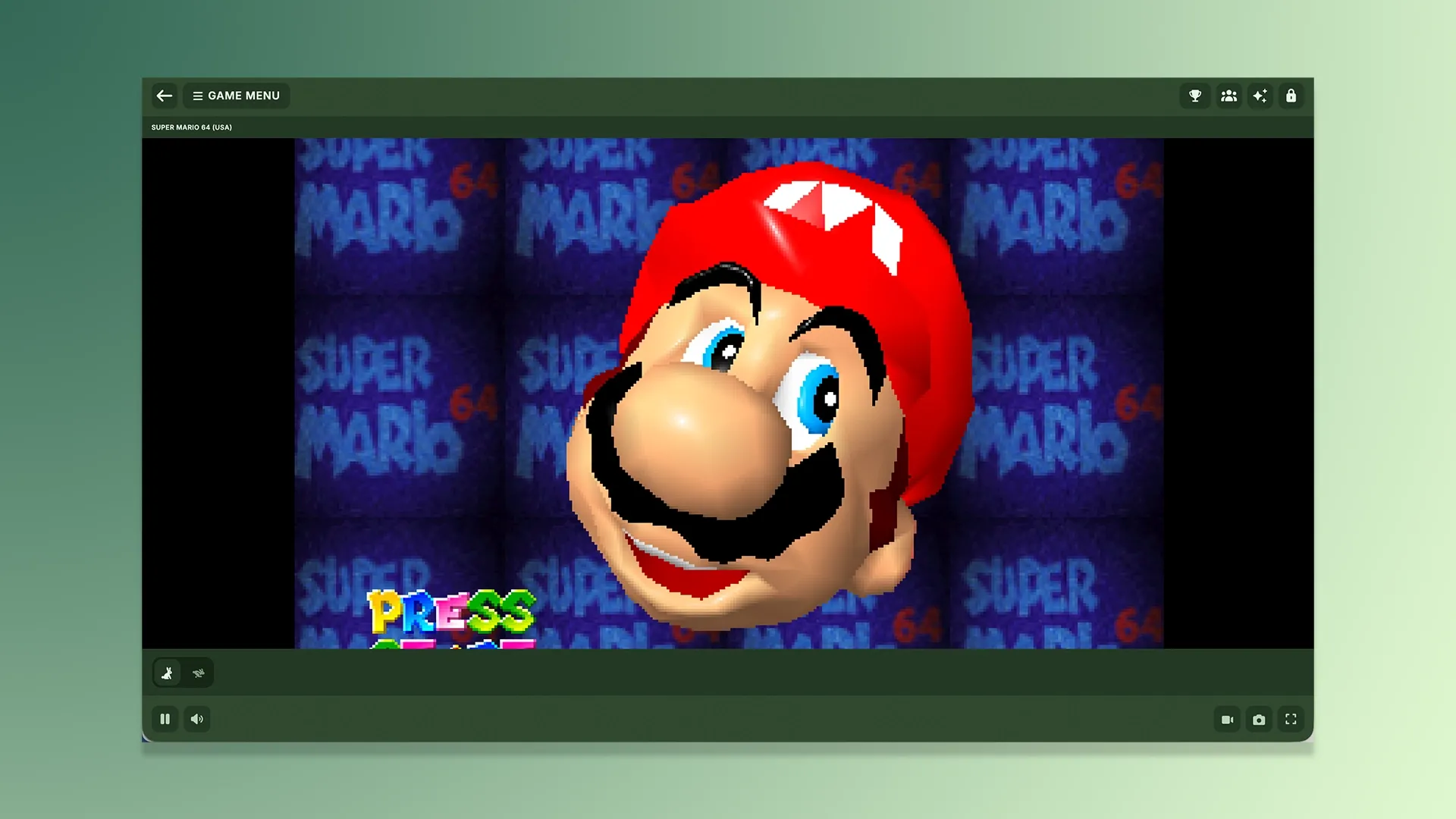
The platform’s integration of cheat codes, sourced from public databases, is a significant convenience for players seeking to overcome challenging sections or explore game mechanics differently. However, users are cautioned that the efficacy and stability of these cheats can vary depending on the specific emulation core used, and their application is at the user’s discretion.
Premium Features and Value Proposition
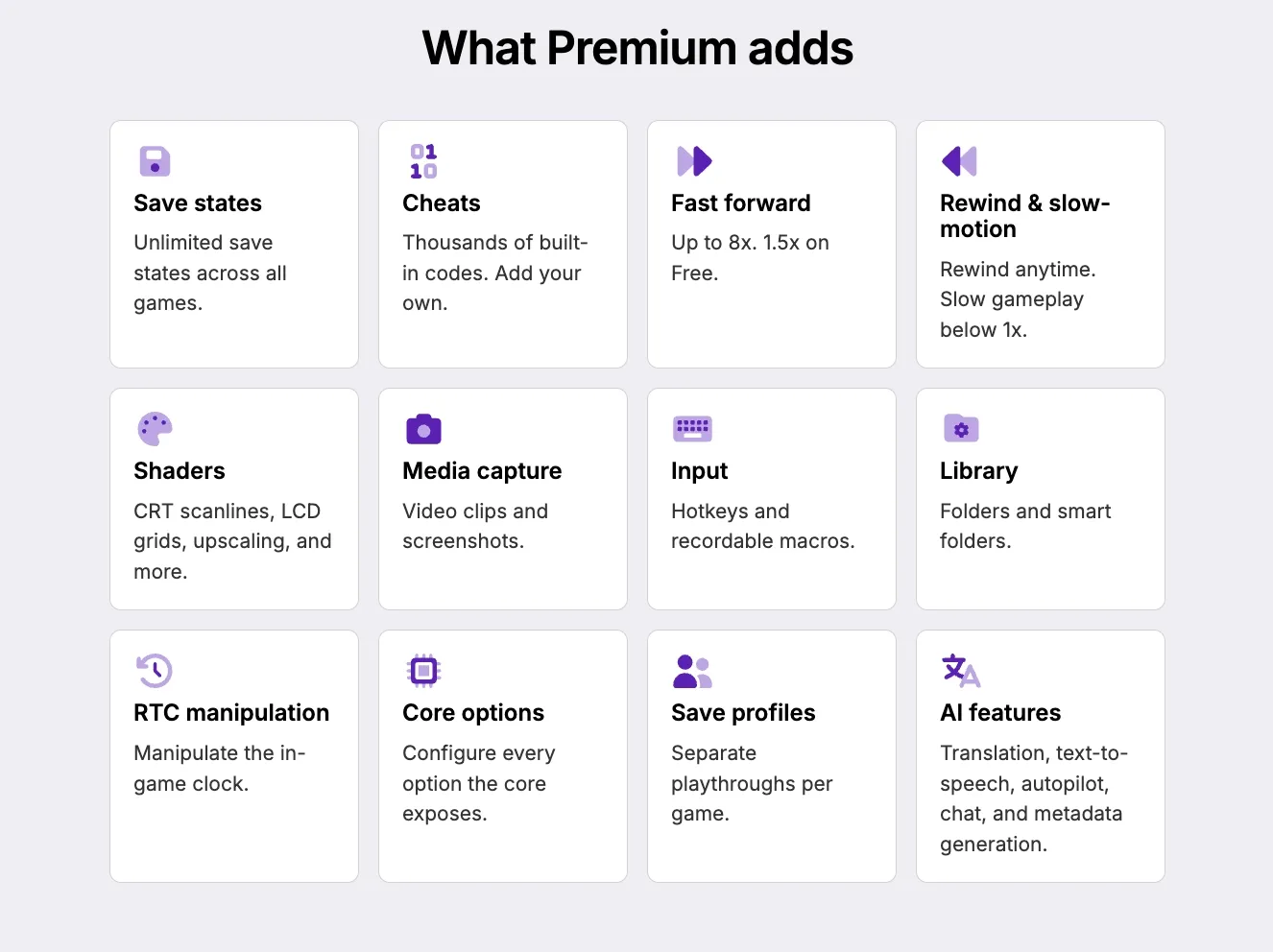
While Afterplay offers a robust free tier, a premium subscription unlocks a range of advanced features designed to further enhance the user experience. These include unlimited save states, advanced cheat functionalities, fast-forward and speed-up options, and deeper customization capabilities. Afterplay also provides a 7-day free trial of its premium service, allowing users to explore its full potential and assess its value before committing to a subscription. The monthly premium price is considered respectable, offering significant value for the features provided.
Broader Implications and Future Outlook
Afterplay represents a significant step forward in making retro gaming accessible and enjoyable for a wider audience. Its combination of a polished user interface, extensive emulation support, and innovative features positions it as a potential leader in the future of emulation. The platform’s success is a testament to the dedication of its independent developer, Patrick Corrigan, who has created a sophisticated ecosystem with minimal resources.
The platform’s integration of community-developed games and its robust achievement tracking system underscore a commitment to fostering a vibrant and engaged retro gaming community. As Afterplay continues to evolve, potential future developments could include support for additional platforms, such as PSP emulation, and enhanced management features for physical game collections, further solidifying its position as a comprehensive retro gaming solution.
The platform’s current limitations, such as the video recording frame rate issues and the absence of PSP emulation, are areas that may be addressed in future updates. Additionally, the initial learning curve for emulation newcomers, while manageable, could benefit from more introductory tutorials or onboarding guides.
In conclusion, Afterplay offers a compelling and feature-rich alternative to traditional emulation methods. Its intuitive design, extensive customization, and seamless integration of modern gaming conveniences make it a standout platform for both casual players and dedicated retro enthusiasts. The commitment to providing a polished and accessible experience, coupled with its innovative approach to game discovery and community engagement, suggests that Afterplay is poised to redefine expectations for retro gaming emulation.
Pros:
- Elegant and Intuitive User Interface: Clean, minimalist design enhances usability and aesthetic appeal.
- Extensive Console and Core Support: Emulates a wide range of systems with the flexibility to choose different emulation cores.
- Robust Cloud Synchronization: Seamlessly syncs game data, saves, and customizations across devices.
- Integrated Store for Indie Retro Games: Supports independent developers and provides access to new titles.
- Retro Achievements Integration: Enhances engagement through achievement tracking.
- Comprehensive Customization Options: Allows for personalization of the interface and game library.
- Legally Playable and Swift Access: Facilitates legal gameplay across various devices with minimal setup.
- Valuable Stats and Media Management: Offers insights into gaming habits and captures gameplay moments.
Cons:
- Video Recording Performance Issues: Frame rates can drop significantly during video capture.
- Save State Incompatibility Across Cores: Save states are not transferable between different emulation cores for the same console.
- Limited Physical Collection Management: The Vault feature primarily focuses on ROM files.
- Potential for Minor Glitches: Occasional graphical artifacts may appear on higher-end consoles.
- Initial Learning Curve for Newcomers: The extensive features might be overwhelming for absolute beginners.
- Lack of PSP Emulation (as of current iteration): A highly requested feature not yet implemented.