Vera Clarissa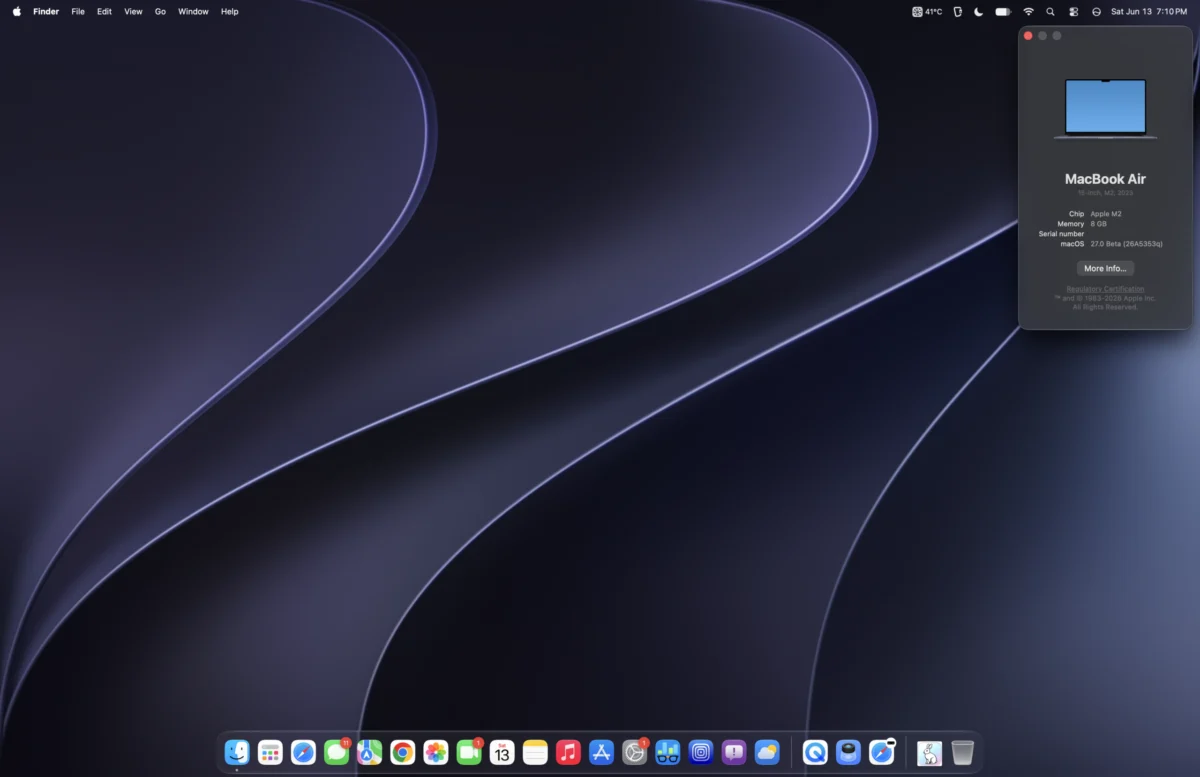
On June 8th, 2026, Apple officially unveiled macOS Golden Gate, a landmark release of its desktop operating system designed exclusively for its in-house Apple Silicon architecture. This pivotal version signifies a definitive break from its Intel-based past, offering refined user interface elements and enhanced performance, while simultaneously marking the final iteration to include native support for Rosetta 2, the translation layer that enabled the seamless transition for Intel-based applications.
The naming convention for macOS Golden Gate draws inspiration from the iconic Golden Gate Strait, the renowned natural waterway connecting the Pacific Ocean to the San Francisco Bay. This moniker was previously employed internally by Apple during the development of macOS Big Sur, hinting at a significant foundational shift for the operating system. Industry analysts have drawn parallels between macOS Golden Gate and the strategic importance of Mac OS X 10.6 Snow Leopard, a release that similarly streamlined the operating system by phasing out support for older hardware architectures while delivering substantial performance and design improvements. Early reports from developers accessing the initial beta builds suggest a tangible increase in responsiveness and overall system fluidity.
A Refined User Experience: Liquid Glass UI Iterations
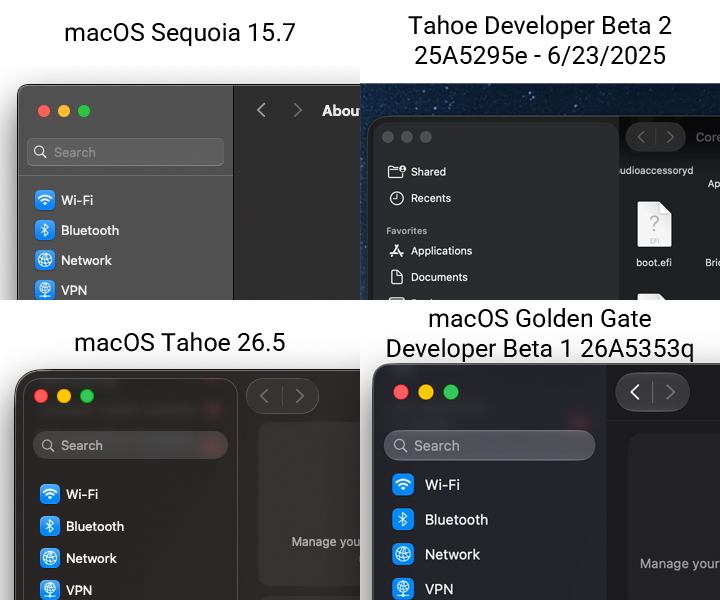
macOS Golden Gate introduces a series of user-requested refinements to the Liquid Glass UI, Apple’s signature design language that emphasizes fluidity and transparency. While specific details of these UI adjustments are still emerging from the initial developer previews, feedback gathered by early adopters indicates a more intuitive and aesthetically pleasing interaction model. These changes are a direct response to user input, showcasing Apple’s continued commitment to iterative design based on real-world usage patterns. The visual language appears to further embrace the subtle animations and depth effects that have become hallmarks of macOS, aiming for an even more polished and immersive desktop experience.
The Significance of the Apple Silicon Transition
The exclusive focus on Apple Silicon in macOS Golden Gate represents the culmination of Apple’s multi-year strategic pivot away from Intel processors. This transition, initiated in 2020 with the introduction of the M1 chip, has been lauded for its performance gains, power efficiency, and tighter integration between hardware and software. By developing its own silicon, Apple has gained unprecedented control over its product roadmap, allowing for optimized performance and the introduction of specialized features like the Neural Engine, which powers advanced AI capabilities. macOS Golden Gate is the ultimate realization of this vision, ensuring that the operating system is perfectly tuned to leverage the unique strengths of Apple’s custom-designed processors.
The End of an Era: Rosetta 2’s Final Stand
The inclusion of native Rosetta 2 support in macOS Golden Gate is a significant, albeit final, chapter in Apple’s transition. Rosetta 2 has been instrumental in bridging the compatibility gap, allowing users to run applications not yet recompiled for Apple Silicon. While many developers have already updated their software, a substantial library of legacy applications still relied on Rosetta 2. Its removal in future macOS versions will necessitate that all applications are either native to Apple Silicon or are run through emulation layers, a move that further solidifies the commitment to the new architecture and may encourage the final migration of older software. This decision underscores Apple’s confidence in the maturity of its Apple Silicon ecosystem and the availability of native applications.
Introducing Apple Intelligence and the New Siri
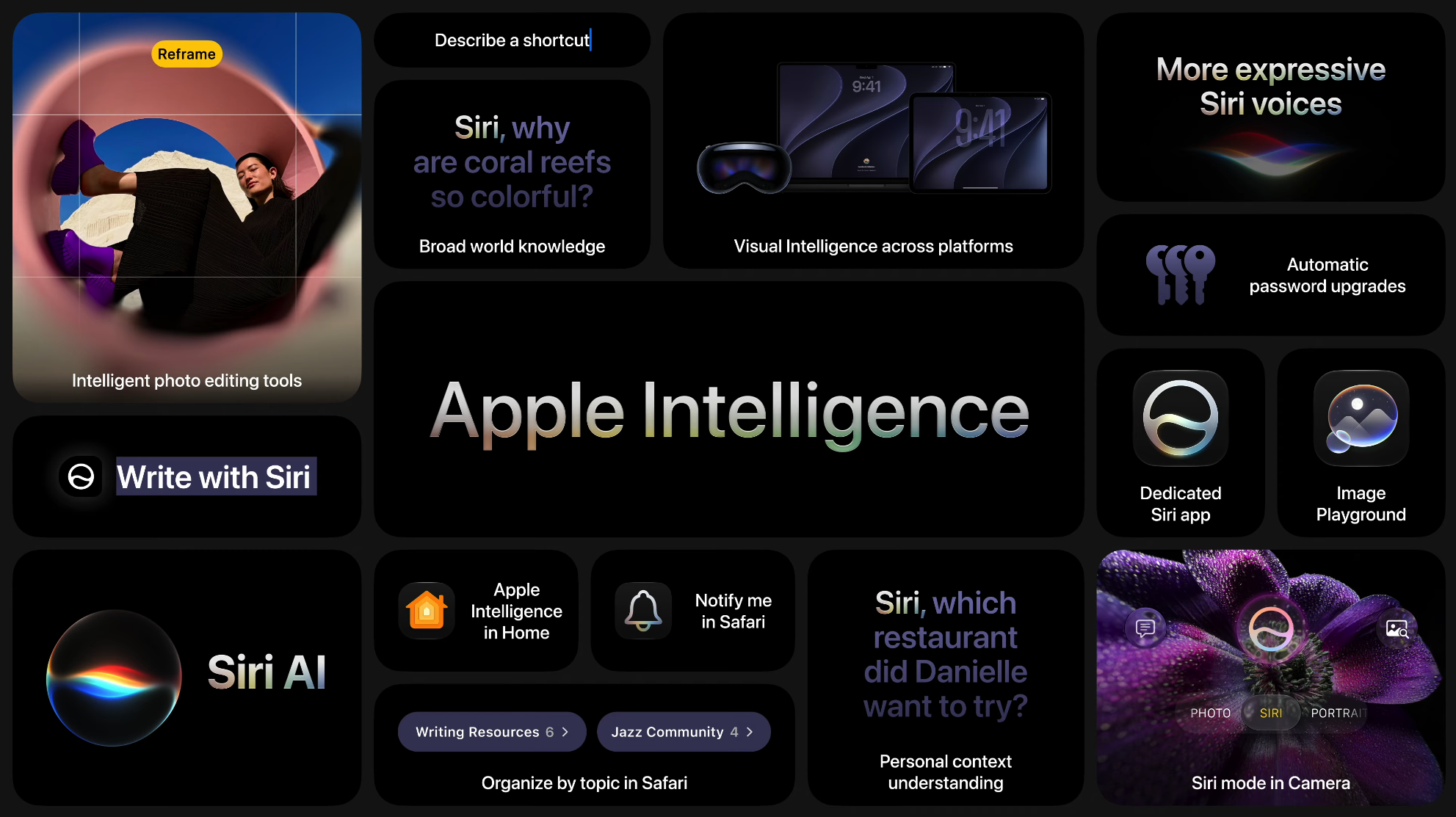
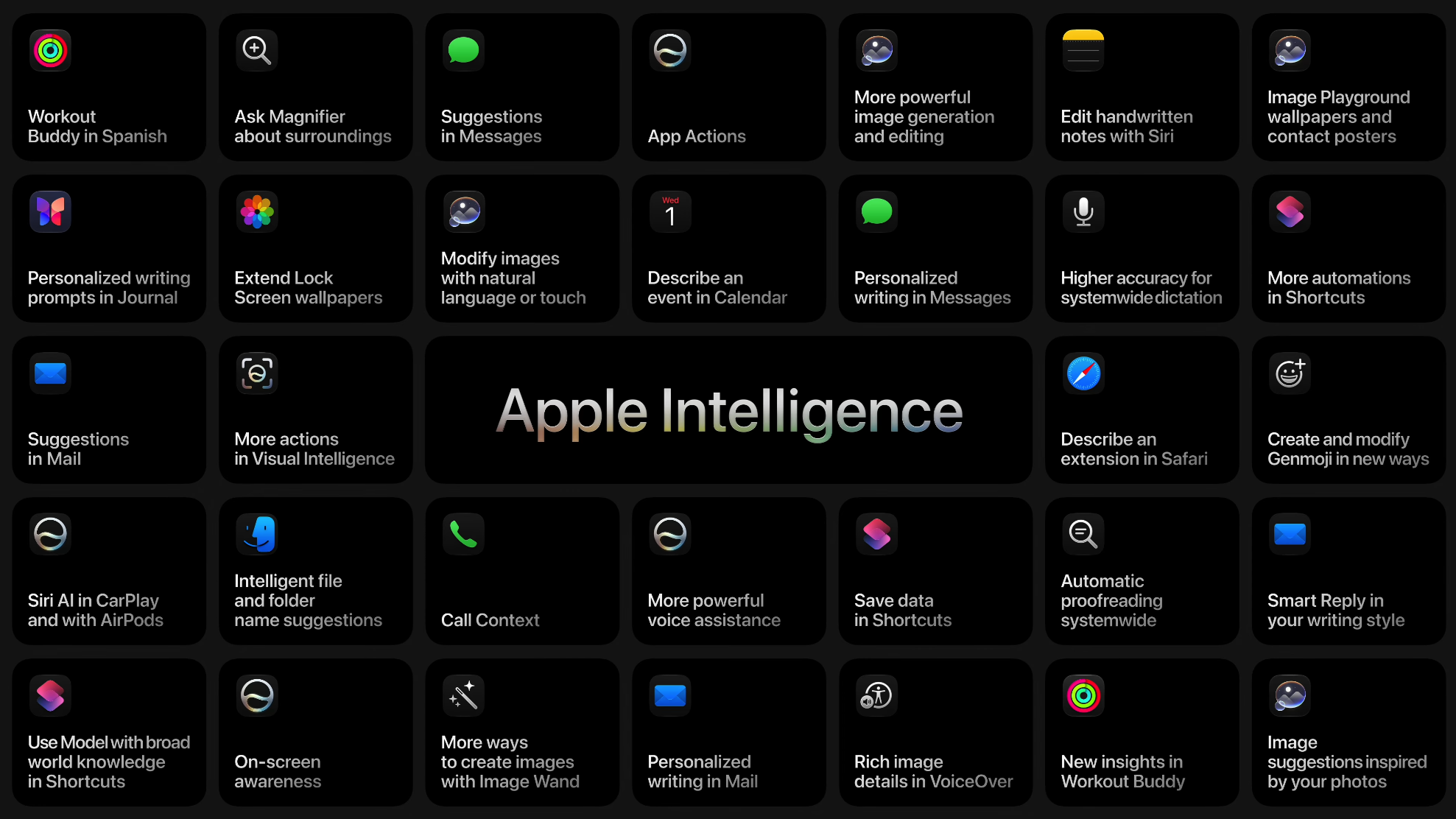
A cornerstone of macOS Golden Gate is the integration of Apple Intelligence, a deeply personal and privacy-focused AI system. Leveraging both on-device processing and Apple’s Private Cloud Compute technology, Apple Intelligence aims to deliver powerful AI features while rigorously safeguarding user data. This approach ensures that sensitive information remains on the user’s device or is processed in a secure, anonymized cloud environment.
The enhanced Siri, a key component of Apple Intelligence, promises a more natural and context-aware conversational experience. However, access to this advanced iteration of Siri will not be immediate for all users. Apple has implemented a waitlist system within the Settings application, suggesting a phased rollout to manage demand and gather further feedback. This approach allows Apple to refine the AI models and ensure a robust and reliable experience for early adopters. The underlying technology of Apple Intelligence is designed to understand and act upon user requests with greater nuance, integrating seamlessly with the user’s workflows across various applications.
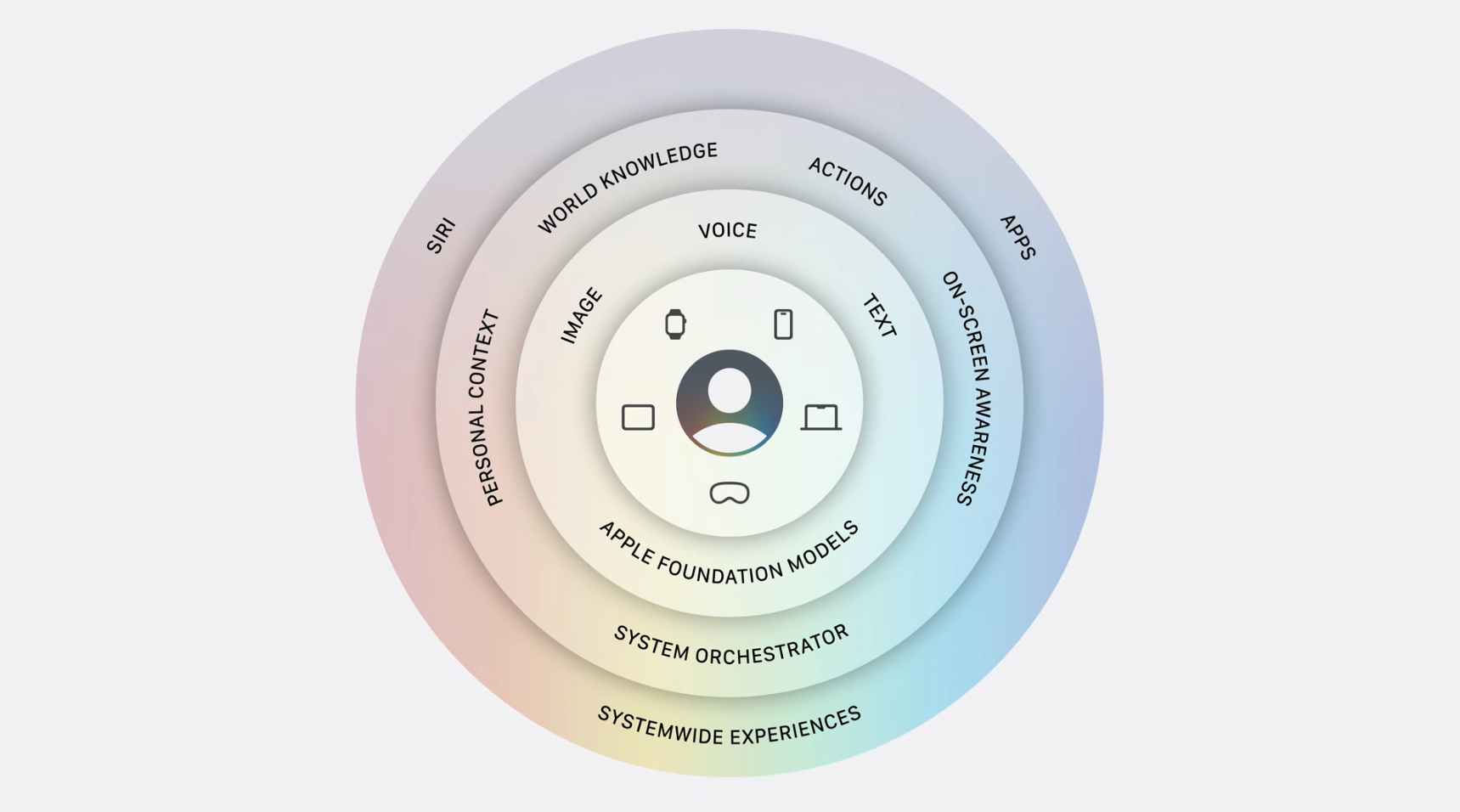
The architecture of Apple Intelligence, as depicted in accompanying diagrams, highlights the interplay between on-device processing for immediate, privacy-sensitive tasks and the Private Cloud Compute for more complex operations requiring greater computational power. This dual approach is central to Apple’s promise of delivering AI that is both powerful and trustworthy.
System Requirements and Hardware Considerations
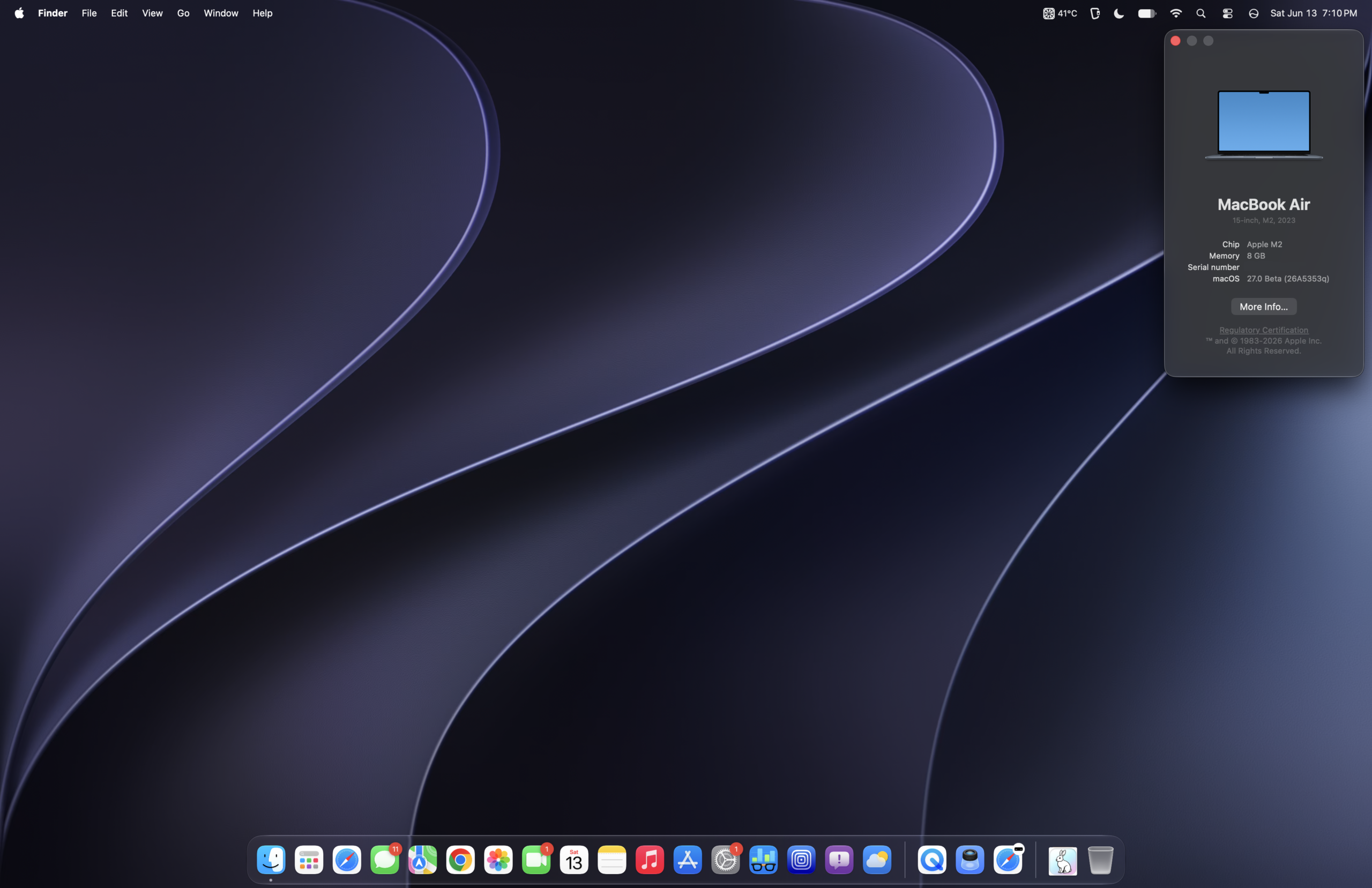
macOS Golden Gate is compatible with all Apple Silicon Macs released to date. While the operating system will technically boot on Macs with 8GB of RAM, Apple strongly recommends a minimum of 16GB for optimal performance, particularly for tasks involving Apple Intelligence and demanding applications. The shift to an Apple Silicon-only OS also means that traditional Intel-based Macs are no longer supported for this release.
Furthermore, the article emphasizes the critical importance of using Solid State Drives (SSDs) for the installation of macOS Golden Gate. All Apple Silicon Macs come standard with SSDs, ensuring fast boot times and application loading. Running the operating system from a traditional Hard Disk Drive (HDD), which is not present in modern Apple Silicon Macs, would result in a significantly degraded user experience due to slower data access speeds.
PowerPC Mac VNC Support: A Nod to Legacy
In a surprising and welcome move for long-time Apple enthusiasts, macOS Golden Gate retains support for VNC (Virtual Network Computing) connections to PowerPC-based Macs. This feature allows users to remotely access and control older Macs running Mac OS X Leopard (10.5) and potentially earlier versions, provided screen sharing is enabled on the target machine. This continued support is a testament to Apple’s acknowledgement of its user base’s diverse hardware collections and its commitment to maintaining backward compatibility for essential functionalities, even as the primary operating system evolves.
The implications of this VNC support extend to file sharing as well. While the initial beta suggests some inconsistencies in file browsing performance, the underlying improvements in network file browsing within macOS Golden Gate hint at a more robust experience once the OS matures. This feature is invaluable for users who still maintain and utilize PowerPC Macs for specific tasks or archival purposes, enabling them to integrate these legacy machines into their modern Apple Silicon workflows.
The Future of Unsupported Macs and OpenCore
The exclusive nature of macOS Golden Gate for Apple Silicon Macs also marks a significant shift in the landscape for users seeking to run macOS on unsupported hardware. The advent of bootloaders like OpenCore, which facilitated the installation of macOS on Intel Macs not originally supported, will not be applicable to macOS Golden Gate. This is due to the fundamental architectural differences between Intel and Apple Silicon processors. There are currently no known patches or workarounds to enable macOS Golden Gate to run on unsupported Intel-based machines, reinforcing the definitive separation between the two architectures.
Looking Ahead: Evolutionary Steps in macOS Development
macOS Golden Gate represents more than just an incremental update; it is a strategic declaration of Apple’s future direction. By dedicating the operating system solely to its custom silicon, Apple is paving the way for even deeper integration of hardware and software, enabling novel user experiences and pushing the boundaries of personal computing. The phasing out of Rosetta 2, while marking an end, also signifies progress, encouraging the full adoption of the Apple Silicon ecosystem. The continued refinement of the Liquid Glass UI and the ambitious integration of Apple Intelligence promise an operating system that is not only powerful and efficient but also intuitive and intelligent, shaping the way users interact with their devices for years to come. The success of this transition will be closely watched by the tech industry as a model for future platform evolutions.